flared tube fitting
CN → US| HS Code | Tariff Rate | Origin | Destination | Doc |
|---|---|---|---|---|
| 7307199080 | 41.2% | CN | US | Official Doc |
| 7307995045 | 89.3% | CN | US | Official Doc |
| 7412200085 | 88.0% | CN | US | Official Doc |
| 7412200090 | 88.0% | CN | US | Official Doc |
Product Images
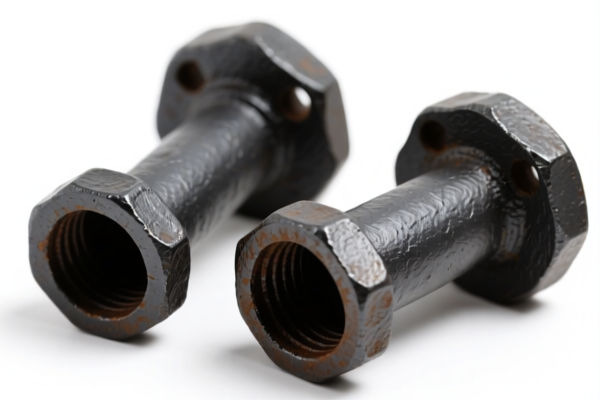
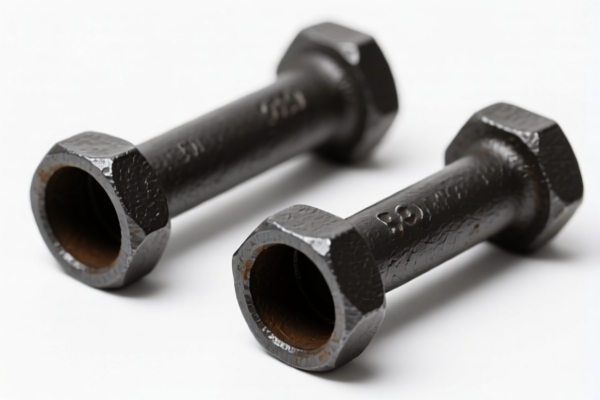
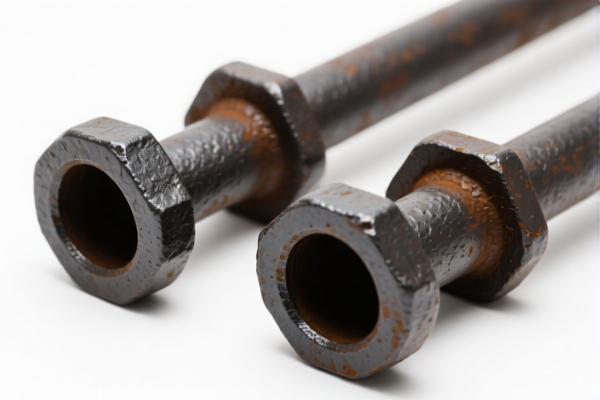
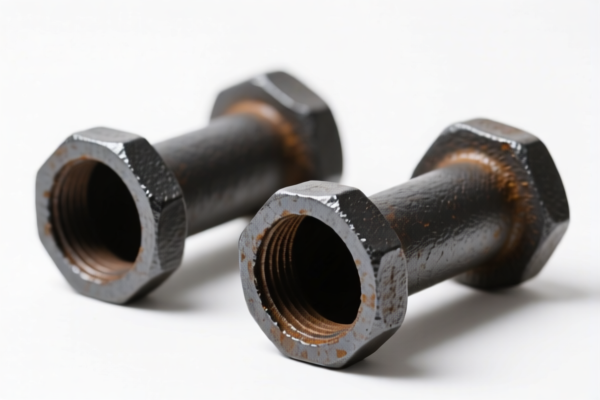
AI Analysis
🔩 Flared Tube Fittings (Copper & Steel Pipe Connectors)
🌐 HS Code Reference & Customs Clearance Guide | 2026 Latest Tariff Analysis | Professional Level Compliance Strategy
📌 Part 1: Product Definition & Classification: Do You Really Understand "Flared Tube Fittings"?
Flared tube fittings are essential components in fluid and gas transmission systems (HVAC, refrigeration, automotive, and industrial piping). They work by mechanically expanding (flaring) the end of a tube to create a seal when tightened against a mating nut and body.
In international trade, these fittings are strictly categorized by material composition: * Copper Alloys: High corrosion resistance, commonly used in refrigeration and plumbing. * Iron/Steel: High pressure and temperature resistance, commonly used in industrial and hydraulic systems.
⚠️ Key Distinction:
- If the fitting is made of copper or copper alloys → Look at Chapter 74.
- If the fitting is made of iron or steel → Look at Chapter 73.
- Threaded vs. Non-threaded: The specific sub-category depends on whether the connection mechanism relies on threads or a flare seal, though HS codes often group them under "Other" if they don't fit standard thread-only definitions, or specify "Threaded" explicitly.
📦 Part 2: HS Code Classification Details (2026 Latest Tariff Authority Match)
Based on the provided <DATA>, here are the exact HS Codes and their corresponding tax structures. Note that "Flared Tube Fittings" must be split by material.
| HS Code | Product Description | Material | Key Features |
|---|---|---|---|
7412.20.00.85 |
Tube or pipe fittings: Of copper alloys: Other: Threaded: Other | Copper Alloys | Copper/Brass fittings, typically threaded connections. Common in plumbing/HVAC. |
7412.20.00.90 |
Tube or pipe fittings: Of copper alloys: Other: Other: Other | Copper Alloys | Copper/Brass fittings, non-threaded (e.g., flare, compression, sweat). |
7307.19.90.80 |
Tube or pipe fittings: Cast fittings: Other: Other | Iron or Steel | Cast steel/iron fittings. Rigid, heavy-duty, often used in high-pressure industrial lines. |
7307.99.50.45 |
Tube or pipe fittings: Other: Other: Of iron or nonalloy steel: Other | Iron/Steel | Forged/Machined (non-cast) steel fittings. Includes threaded/flared connections. |
🔍 Critical Clarification for "Flared" Fittings:
- Copper Flared Fittings: Most standard flared copper fittings (without threads on the flare side, but often with a nut) fall under7412.20.00.90("Other") or7412.20.00.85if they have specific threaded components. Given the high tax burden on both, verify if the "threaded" description matches your specific hardware.
- Steel Flared/Tube Fittings: If made of steel, they are either Cast (7307.19.90.80) or Other (Forged/Machined) (7307.99.50.45). Most flared steel tube fittings are machined, so7307.99.50.45is likely the primary code for steel.
💰 Part 3: 2026 Latest Tariff Rate Breakdown (Including Surcharges & Policy Add-ons)
✅ Applicable Country: USA (US)
✅ Origin: China (CN)
✅ Effective Date: 2025/2026 (Current Trade War Tariffs Apply)
🎯 1. 7412.20.00.85 & 7412.20.00.90 — Copper Alloys Fittings
| Item | Content |
|---|---|
| Product | Copper Tube/Pipe Fittings (Threaded or Other) |
| Base Tariff | 3.0% |
| Section 301 Surcharge | 25.0% |
| Special Surcharge | 50.0% (Steel, Aluminum, Copper Products Surcharge) |
| Total Tax Rate | 78.0% |
| Tax Calculation | CIF Value × 78% |
| De Minimis Exemption | ❌ Not Applicable |
📌 Explanation:
- The 78% rate is devastating. It combines the base duty (3%), the standard Section 301 tariff (25%), and a specific additional surcharge (50%) targeting copper products from China.
- Note: The data explicitly states "Steel, Aluminum, Copper Products Surcharge: 50%". This applies to both threaded (.85) and non-threaded (.90) copper fittings.
🎯 2. 7307.19.90.80 — Cast Iron/Steel Fittings
| Item | Content |
|---|---|
| Product | Cast Fittings (Iron or Steel) |
| Base Tariff | 6.2% |
| Section 301 Surcharge | 25.0% |
| Special Surcharge | Not Applied (Data shows only Base + 301) |
| Total Tax Rate | 31.2% |
| Tax Calculation | CIF Value × 31.2% |
| De Minimis Exemption | ❌ Not Applicable |
📌 Explanation:
- This category is for Cast fittings. Castings are heavier and often used in static high-pressure applications rather than flexible tubing.
- Crucially, the data provided does NOT list the 50% "Steel, Aluminum, Copper" surcharge for this specific code (7307.19.90.80). It only lists Base (6.2%) + 25%.
- Result: 31.2% is significantly lower than the copper rate (78%), but still high due to Section 301.
🎯 3. 7307.99.50.45 — Other Iron/Non-Alloy Steel Fittings
| Item | Content |
|---|---|
| Product | Other Fittings (Forged/Machined Steel) |
| Base Tariff | 4.3% |
| Section 301 Surcharge | 25.0% |
| Special Surcharge | 50.0% (Steel, Aluminum, Copper Products Surcharge) |
| Total Tax Rate | 79.3% |
| Tax Calculation | CIF Value × 79.3% |
| De Minimis Exemption | ❌ Not Applicable |
📌 Explanation:
- This code covers non-cast (e.g., machined, forged) steel fittings.
- The data explicitly applies the 50% surcharge to this code.
- Result: 79.3% is the highest possible rate in this dataset. If your flared steel fittings are not cast, they fall here.
🛠️ Part 4: Customs Clearance Practical Advice (Combat Pitfalls)
✅ 1. Material Verification is Critical
| Scenario | Correct HS Code | Tax Rate | Risk if Wrong |
|---|---|---|---|
| Copper Flared Fitting | 7412.20.00.90 (Non-threaded) or .85 (Threaded) |
78.0% | Under-declaring steel fittings as copper? No, over-declaring copper as steel might be seen as fraud. But misidentifying material leads to immediate seizure. |
| Cast Steel Fitting | 7307.19.90.80 |
31.2% | If you ship a cast fitting but declare as "Other" (.99.50.45), you pay 79.3% instead of 31.2%. Overpayment risk! |
| Machined/Flared Steel Fitting | 7307.99.50.45 |
79.3% | This is the standard for most flared steel tubing. Ensure it is not "Cast" to avoid incorrect lower-rate claims if audited. |
📌 Strategy:
- Copper: High tax (78%) is unavoidable for Chinese origin. Consider sourcing from Vietnam, Mexico, or Turkey if possible to avoid the 50% surcharge.
- Steel: Cast fittings (7307.19.90.80) are significantly cheaper to clear (31.2%) than Machined fittings (7307.99.50.45) (79.3%). If your design allows for castings instead of machining, consult your engineer. However, flared fittings are rarely cast due to precision requirements. Most flared fittings are machined, meaning you will likely face the 79.3% rate for steel.
✅ 2. Documentation Checklist (Must-Haves)
| Document | Requirement | Why? |
|---|---|---|
| Material Certification | ✔️ Must specify "Copper Alloy" or "Non-Alloy Steel" | To distinguish between 78% (Copper) and 31.2%/79.3% (Steel). |
| Process Description | ✔️ "Cast" vs. "Forged/Machined" | To distinguish between 7307.19.90.80 (31.2%) and 7307.99.50.45 (79.3%). |
| Connection Type | ✔️ "Threaded" vs. "Flared/Compression" | To distinguish between 7412.20.00.85 and .90 for copper. |
| Commercial Invoice | ✔️ Clearly state "Flared Tube Fitting" | Avoid vague terms like "Pipe Connector". |
| Origin Certificate | ✔️ If shipped from non-China countries | May bypass the 50% surcharge. |
✅ 3. Special Case Handling
| Scenario | Recommendation |
|---|---|
| Hybrid Fittings (e.g., Brass body with Steel ends) | Customs may classify based on the "essential character." Usually, if Brass is the main body, it might fall under Copper codes (78%). Check with a broker. |
| Set of Fittings | If sold as a kit, declare the whole kit under the dominant material or split if components are distinct. |
| OEM/Custom Flared Fittings | Provide detailed drawings showing the flare angle (45° vs 37°) and material. This proves it's a specialized tube fitting, not a generic "pipe part." |
🌍 Part 5: Global Market Comparison (2026 Context)
| Market | Likely HS Code (Copper) | Likely HS Code (Steel) | Total Tax Rate (China Origin) | Notes |
|---|---|---|---|---|
| 🇺🇸 USA | 7412.20.00.90 (78%) |
7307.99.50.45 (79.3%) |
78% - 79.3% | Highest barrier. The 50% copper/steel surcharge is the killer. |
| 🇨🇳 China | 7412.20.00 |
7307.99 |
Low (Import Duty ~5-10%) | No surcharge. |
| 🇪🇺 EU | Varies by type | Varies by type | ~0-6% | No Section 301 or 50% surcharge. Competitive. |
| 🇲🇽 Mexico | Varies | Varies | ~0-5% (If USMCA qualified) | Consider nearshoring to avoid US tariffs. |
📌 Conclusion for US Importers:
The 78-79.3% tariff makes importing Chinese-flared tube fittings economically unviable for most low-margin goods.
- Mitigation Strategy:
1. Source from Non-Chinese Countries: Vietnam, Thailand, Mexico, or Turkey often have lower or zero tariffs under various FTAs.
2. Product Redesign: Can the fitting be made from a material not subject to the surcharge? (Unlikely for functional copper/steel fittings).
3. Customs Bonding: If you must import, consider using a Customs Bond to manage cash flow, but the tax is still due.
📌 Part 6: Common Mistakes & Pitfalls (Blood Lessons)
❌ Mistake 1: Declaring Steel Fittings as "Hardware" (e.g., 8302) to avoid tariff.
👉 Consequence: Customs reclassifies to 7307.99.50.45 + penalties. Tax jumps to 79.3% + fines.
❌ Mistake 2: Ignoring the "Cast" vs. "Other" distinction for Steel.
👉 Consequence: You pay 79.3% for a fitting that is actually Cast (31.2%). You lose ~48% in extra tax.
👉 Fix: Verify manufacturing process. If it's a cheap, thick-walled fitting, it might be cast.
❌ Mistake 3: Assuming all Copper Fittings are the same.
👉 Consequence: Both .85 and .90 are 78%, so the distinction matters less for tax, but more for compliance. Incorrect description leads to delays.
🎯 Part 7: Final Verdict & Action Plan
🎯 Key Takeaway:
🔹 Copper Fittings: 78% Tax. Unavoidable if from China.
🔹 Steel Cast Fittings: 31.2% Tax. Best case for steel.
🔹 Steel Machined Fittings: 79.3% Tax. Worst case.🔹 "Material & Process Determine Destiny."
🔹 "Copper/Steel Surcharge 50% is the Enemy."
📌 Pro Tip:
If you are importing Flared Tube Fittings for the US market:
1. Check Origin: Can you source from Mexico (USMCA) or Vietnam?
2. Check Process: For steel, can you use Castings instead of machining to save ~48% tax?
3. Get a Ruling: Apply for a Binding Ruling from CBP before shipping to confirm the exact HS Code and avoid surprise audits.
📣 Immediate Action:
📞 Contact a Customs Broker with detailed product specs.
🚀 Re-evaluate Supply Chain: Is the 78% tariff eating all your profit?
💼 Professional Classification Saves Money!
✨ Accurate Classification Starts Here!
💼 Your Cost Efficiency Depends on This 6-Digit Code!
Customer Reviews
About HS Code Classification
The Harmonized System (HS) is an internationally standardized nomenclature developed by the World Customs Organization (WCO) to classify traded products. Over 200 countries use the HS system as the basis for customs tariffs, trade statistics, and import/export regulations.
Each HS code follows a hierarchical structure:
- Chapter (2 digits) — Broad category of goods (e.g., Chapter 84: Machinery and Mechanical Appliances)
- Heading (4 digits) — More specific grouping within the chapter
- Subheading (6 digits) — Internationally standardized breakdown, used by all WCO member countries
- National subdivisions (8-10 digits) — Country-specific extensions for further classification, such as US HTSUS 10-digit codes
Correct HS code classification is essential for smooth customs clearance, accurate duty payment, and compliance with trade regulations. Misclassification can lead to customs delays, overpayment of duties, or penalties.
When importing from CN to US, the applicable tariff rates may include:
- Most-Favored-Nation (MFN) rate — The standard duty rate applied to WTO members
- General rate — Applied to countries without trade agreements
- Trade remedy duties — Additional tariffs such as Section 301 (anti-dumping), Section 232 (national security), or countervailing duties
The information provided on this page is for reference purposes only. For official classification, please consult with your local customs authority or a licensed customs broker.