flash trigger
CN → US| HS Code | Tariff Rate | Origin | Destination | Doc |
|---|---|---|---|---|
| 8536509040 | 35.0% | CN | US | Official Doc |
| 8481805090 | 38.0% | CN | US | Official Doc |
| 9305108000 | 17.5% | CN | US | Official Doc |
| 9305208060 | 17.5% | CN | US | Official Doc |
| 8536509040 | 35.0% | CN | US | Official Doc |
Product Images
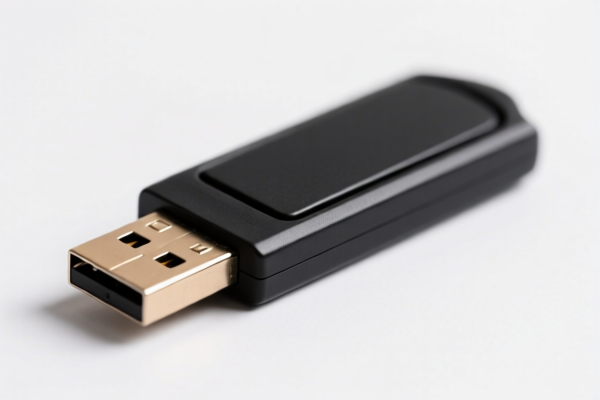
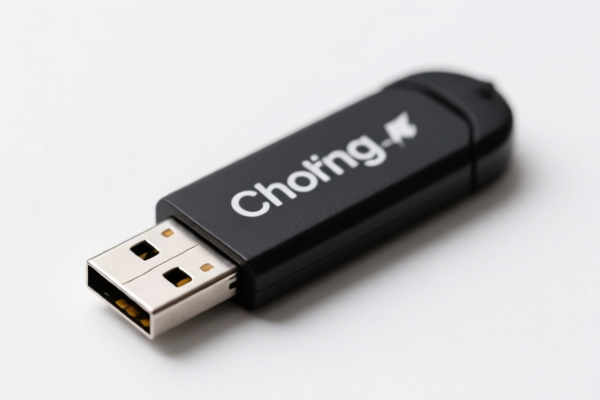
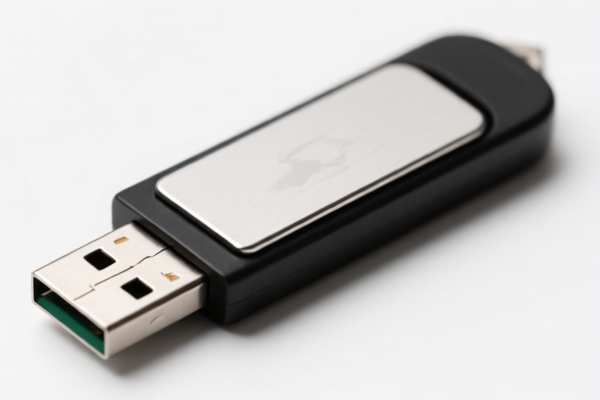
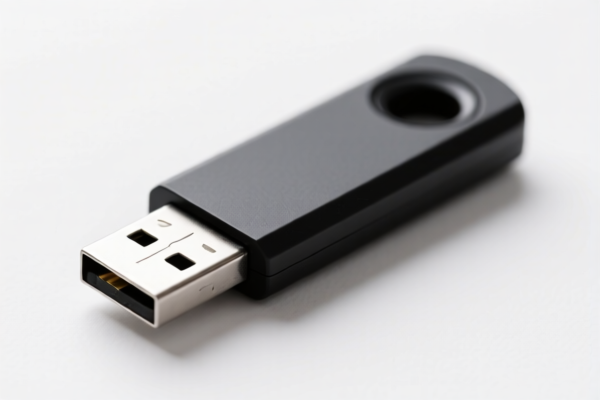
AI Analysis
⚡ Flash Trigger (Photographic Flash Trigger)
🌐 HS Code Reference & Customs Clearance Guide | 2026 Latest Tariff Analysis | Professional Clearance Strategy
📌 I. Product Definition & Classification: Do You Really Understand the "Flash Trigger"?
A Flash Trigger is a device used in photography to remotely synchronize flash units with cameras. In international trade, its classification is highly sensitive because it can overlap with multiple categories depending on its functional design and target market:
- Electrical Switches (8536): If designed as a generic electrical switching component (e.g., a relay-based trigger), it falls under electrical appliances.
- Valve/Control Parts (8481): If it controls fluid/pneumatic systems in industrial triggers (rare for photography, but possible in mechanical contexts), it may fall here.
- Firearms Accessories (9305): ⚠️ CRITICAL RISK – If the trigger mechanism is similar to those used in guns (e.g., pneumatic guns, paintball markers, or actual firearms), it may be classified as a firearm part. This leads to strict restrictions, high scrutiny, and potential bans.
⚠️ Key Distinction:
- If it is a standard photographic device with wireless/radio/IR functions → It should ideally be classified under 8536.50 (Electrical Switches) or 8517 (Communication Equipment), NOT as a firearm part.
- If it is marketed for airsoft, paintball, or pneumatic guns, it may be flagged as 9305.10/9305.20 (Firearms Parts).
- Do not misdeclare a photographic trigger as a "valve part" or "firearm part" without explicit justification.
📦 II. HS Code Classification Details (2026 Latest Tariff Authority Comparison)
Based on the provided , here are the four possible classifications and their tax implications:
| HS Code | Product Description | Application Scenario | Tax Rate (China→US) |
|---|---|---|---|
8536.50.90.40 |
Electrical Switches (Triggers): Classified as an electrical switching component. Suitable for general electrical circuits. | Standard photographic flash triggers, relay-based triggers, generic electrical switches. | 35.0% |
8481.80.50.90 |
Valve Control Parts: Classified as a control component for valves/pneumatic systems. | Industrial triggers, pneumatic release mechanisms, non-electrical control valves. | 38.0% |
9305.10.80.00 |
Firearms Parts (Revolver/Pistol): Classified as a part of revolvers or pistols. | Triggers designed for firearms, airsoft guns, or paintball markers that mimic firearm mechanisms. | 17.5% |
9305.20.80.60 |
Firearms Parts (Rifle): Classified as a part of rifles. | Triggers designed for rifles, long-range air rifles, or similar sporting guns. | 17.5% |
🔍 Critical Warning:
- HS 9305 is high-risk. If your product is a photographic flash trigger, declaring it under 9305 is incorrect and dangerous. It may lead to seizure, fines, or legal issues under the ATF (Bureau of Alcohol, Tobacco, Firearms and Explosives) regulations.
- HS 8536 is the most appropriate for standard electrical/photographic triggers.
- HS 8481 is only applicable if the "trigger" is part of a valve/pneumatic system, not for photography.
💰 III. 2026 Latest Tariff Rate Breakdown (Including Surcharges & Policy Add-ons)
✅ Applicable Country: United States (US)
✅ Origin: China (CN)
✅ Effective Date: From November 10, 2025 (including subsequent imports)
🎯 1. 8536.50.90.40 —— Electrical Switches (Flash Triggers)
| Item | Content |
|---|---|
| Base Tariff | 0% (ad valorem) |
| USITC Surcharge | +25% (under Section 301) |
| IEEPA Surcharge | +10% (for China/HK origin, effective Nov 10, 2025) |
| Total Rate | 35.0% |
| Tax Calculation | CIF Value × 35% |
| De Minimis Eligible | ❌ No (deny_de_minimis) |
| Legal Basis Path | IEEPA:9903.01.25 → IEEPA:9903.01.24 → USITC:8536.50.90.40 |
📌 Explanation:
- This is the recommended classification for standard photographic flash triggers.
- The 35% total tariff is high but manageable if declared correctly as an electrical switch.
- Do not misdeclare as a firearm part to save costs, as this is illegal.
🎯 2. 8481.80.50.90 —— Valve Control Parts
| Item | Content |
|---|---|
| Base Tariff | 3.0% |
| USITC Surcharge | +25% |
| IEEPA Surcharge | +10% |
| Total Rate | 38.0% |
| Tax Calculation | CIF Value × 38% |
| De Minimis Eligible | ❌ No |
| Legal Basis Path | IEEPA:9903.01.24 → USITC:8481.80.50.90 |
📌 Note:
- Only applicable if the product is a valve/pneumatic trigger.
- Not suitable for photographic flash triggers.
- Higher tax than electrical switches.
🎯 3. 9305.10.80.00 & 9305.20.80.60 —— Firearms Parts (Revolver/Pistol & Rifle)
| Item | Content |
|---|---|
| Base Tariff | 0.0% |
| USITC Surcharge | +7.5% |
| IEEPA Surcharge | +10% |
| Total Rate | 17.5% |
| Tax Calculation | CIF Value × 17.5% |
| De Minimis Eligible | ❌ No (High Risk) |
| Legal Basis Path | IEEPA:9903.01.24 → USITC:9305.10.80.00 / 9305.20.80.60 |
⚠️ Critical Warning:
- Low tax rate (17.5%) is tempting, but misclassification is illegal.
- If your product is a photographic flash trigger, declaring it under 9305 is false declaration.
- Consequences: Seizure, fines, import bans, and potential criminal charges under ATF regulations.
- Only use this HS code if the product is genuinely a firearm part (e.g., for real guns, airsoft, or paintball markers).
🛠️ IV. Customs Clearance Practical Advice (Real-World Pitfall Guide)
✅ 1. Required Documentation Checklist (No Exceptions)
| Document | Must Provide | Description |
|---|---|---|
| ✅ Product Specification Sheet | ✔️ | Include type (photographic/industrial/firearm), wireless protocol, voltage, etc. |
| ✅ Photos of Product (Including Label) | ✔️ | Clear view of model, brand, input/output, and any "For Photographic Use Only" labels. |
| ✅ Third-Party Certification | ✔️ | FCC, CE, RoHS (if applicable for electrical/RF devices). |
| ✅ Commercial Invoice | ✔️ | Must clearly state "Flash Trigger for Photography" or "Photographic Equipment Accessory". |
| ✅ Packing List | ✔️ | Detail contents to avoid confusion with firearms parts. |
| ✅ Origin Certificate (CO) | ✔️ | If not China-origin, may affect tariff rates. |
| ✅ ATF Declaration (If Applicable) | ✔️ | If declared as a firearm part, ATF approval is required. |
✅ 2. Declaration Tips (Key Mantra)
🔥 "Photo Trigger? Use 8536! Firearm Part? Use 9305! Never Mix Them!"
| Scenario | Correct Declaration | Incorrect Practice |
|---|---|---|
| Standard Photographic Flash Trigger | 8536.50.90.40 |
Misdeclare as 9305.10.80.00 → Illegal, High Risk |
| Photographic Trigger + Camera Grip | Declare as one item under 8536.50.90.40 |
Split declaration → Higher Total Tax |
| Pneumatic/Industrial Trigger | 8481.80.50.90 |
Misdeclare as 8536.50.90.40 → Incorrect, 38% Tax |
| Airsoft/Paintball Trigger | 9305.10.80.00 or 9305.20.80.60 |
Misdeclare as 8536.50.90.40 → May Be Accepted, But High Scrutiny |
✅ 3. Special Cases Handling
| Scenario | Handling Advice |
|---|---|
| OEM Custom Flash Trigger | Provide client orders + design drawings to prove it is for photography, not firearms. |
| Trigger with Gun-Like Appearance | Do NOT declare as 9305 unless it is genuinely a firearm part. Provide photos showing it is for photography. |
| Used as a "Prop" for Movies | Declare as 8536.50.90.40 with a clear description: "Prop Trigger for Film Production, Not Functional." |
| Combined with Firearm Accessories | Do not bundle photographic triggers with firearm parts in the same shipment to avoid ATF scrutiny. |
🌍 V. Global Market Clearance Comparison (2026 Latest)
| Country/Region | Recommended HS Code | Tariff | Certification | Notes |
|---|---|---|---|---|
| 🇺🇸 USA | 8536.50.90.40 |
35% (China Origin) | FCC + RoHS | High Risk if misdeclared as 9305 |
| 🇨🇳 China | 8536.50.90.40 |
5% | CCC + RoHS | No surcharge |
| 🇪🇺 EU | 8536.50.90.40 |
0% (if CE) | CE + ErP | No surcharge |
| 🇦🇺 Australia | 8536.50.90.40 |
5% | RCM | No surcharge |
| 🇯🇵 Japan | 8536.50.90.40 |
0% | PSE | No surcharge |
📌 Conclusion:
- USA is the only market with high surcharges.
- Misdeclaring a photographic trigger as a firearm part (9305) is illegal and dangerous.
- Correct declaration under 8536.50.90.40 is the safest and most compliant option.
📌 VI. Common Mistakes & Pitfall Guide (Lessons Learned)
❌ Mistake 1: Declaring a photographic flash trigger as 9305.10.80.00 to save 17.5% in tax
👉 Consequence: Seizure by ATF, fines, and potential criminal charges. The tax savings are not worth the legal risk.
❌ Mistake 2: Using "Flash Trigger" as a generic name without specifying "Photographic"
👉 Consequence: Customs may assume it is a firearm part → Delayed clearance or inspection.
❌ Mistake 3: Not providing FCC certification for RF triggers
👉 Consequence: Blocked at US customs due to lack of radio frequency compliance.
❌ Mistake 4: Bundling photographic triggers with firearm accessories
👉 Consequence: ATF scrutiny, potential delay, or rejection.
✅ Correct Practice:
"Photographic Flash Trigger, Wireless Radio Frequency, 2.4GHz, FCC Certified, Model XYZ, For Use with Canon/Nikon/Sony Cameras Only"
🎯 VII. Conclusion: Professional Declaration, Save Time, Reduce Costs!
🎯 Remember the Mantra:
🔹 "Photo Trigger = 8536 (35%)! Firearm Trigger = 9305 (17.5%)! Never Confuse Them!"
🔹 "HS Code Determines Your Fate! Misdeclaration Can Cost You More Than Tax!"
📌 Pro Tip:
If your product is originated from Vietnam, Mexico, Thailand, or Malaysia, you may apply for IEEPA Exemption, reducing tariffs to 0%~5%.
We recommend applying for an Advance Ruling to avoid clearance risks.
📣 Take Action Now:
📞 Contact a Professional Customs Broker + Provide Product Photos + Apply for HS Code Advance Ruling
🚀 Ensure Your Flash Trigger Clears Customs Smoothly, Exports Efficiently, and Maximizes Profit!
✨ Professional Clearance Starts with Accurate Classification!
💼 Every Penny of Your Cost Deserves Precision Calculation!
Customer Reviews
About HS Code Classification
The Harmonized System (HS) is an internationally standardized nomenclature developed by the World Customs Organization (WCO) to classify traded products. Over 200 countries use the HS system as the basis for customs tariffs, trade statistics, and import/export regulations.
Each HS code follows a hierarchical structure:
- Chapter (2 digits) — Broad category of goods (e.g., Chapter 84: Machinery and Mechanical Appliances)
- Heading (4 digits) — More specific grouping within the chapter
- Subheading (6 digits) — Internationally standardized breakdown, used by all WCO member countries
- National subdivisions (8-10 digits) — Country-specific extensions for further classification, such as US HTSUS 10-digit codes
Correct HS code classification is essential for smooth customs clearance, accurate duty payment, and compliance with trade regulations. Misclassification can lead to customs delays, overpayment of duties, or penalties.
When importing from CN to US, the applicable tariff rates may include:
- Most-Favored-Nation (MFN) rate — The standard duty rate applied to WTO members
- General rate — Applied to countries without trade agreements
- Trade remedy duties — Additional tariffs such as Section 301 (anti-dumping), Section 232 (national security), or countervailing duties
The information provided on this page is for reference purposes only. For official classification, please consult with your local customs authority or a licensed customs broker.