flip board
CN → US| HS Code | Tariff Rate | Origin | Destination | Doc |
|---|---|---|---|---|
| 3923900080 | 38.0% | CN | US | Official Doc |
| 7326908688 | 87.9% | CN | US | Official Doc |
| 3923109000 | 38.0% | CN | US | Official Doc |
| 7326190080 | 87.9% | CN | US | Official Doc |
| 4819200040 | 35.0% | CN | US | Official Doc |
Product Images
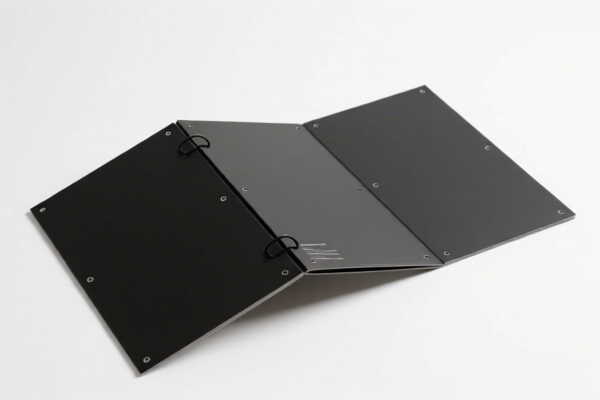
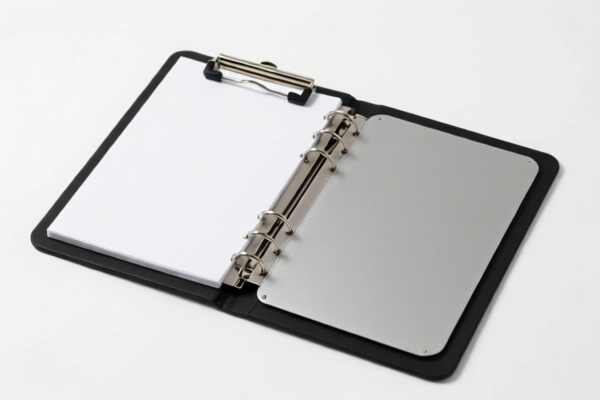
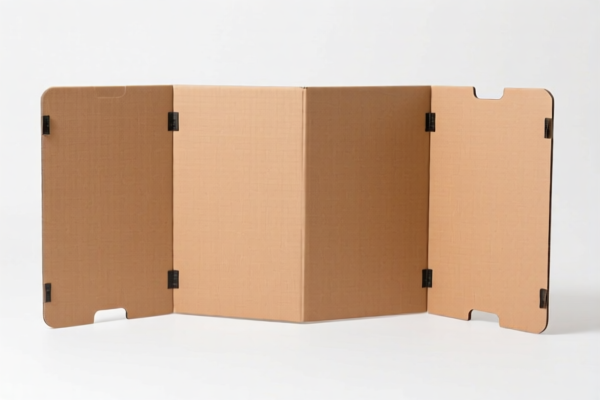
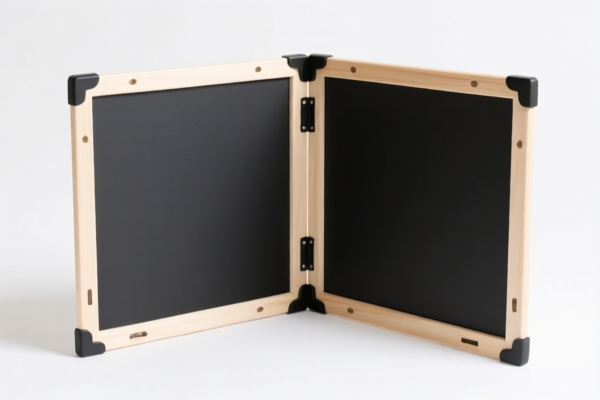
AI Analysis
📦 Flip Board (Folding Board / Folding Panel)
🌐 HS Code Reference & Customs Clearance Guide | 2026 Latest Tariff Analysis | Strategic Entry Strategy
📌 I. Product Definition & Classification: Do You Really Know "Flip Board"?
"Flip Board" (often referred to as folding board, folding panel, or structural folding component) is a versatile item used in packaging, construction, logistics, or industrial settings. In international trade, its classification is highly dependent on the material. Since the name "Flip Board" is generic, customs authorities require precise material identification to determine the correct HS Code.
It generally falls into three main categories based on inferred material: 1. Plastic Components: Used as packaging accessories or structural parts. 2. Metal Components (Iron/Steel): Used as industrial parts, supports, or durable folding panels. 3. Paper/Cardboard Components: Used as folding packaging or displays.
⚠️ Key Distinction Point:
- If made of Plastic → Likely Chapter 39 (Plastics)
- If made of Iron/Steel → Likely Chapter 73 (Articles of Iron or Steel)
- If made of Paper → Likely Chapter 48 (Paper and Paperboard)
📦 II. HS Code Classification Details (2026 Latest Tariff Authority Reference)
Based on the provided data, here are the potential HS Codes depending on the material composition of the "Flip Board."
| HS Code | Product Description | Material Inference | Applicable Scenario |
|---|---|---|---|
3923.90.00.80 |
Other articles of plastics for the conveyance or packing of goods | Plastic | Structural accessories, non-specified plastic folding parts |
3923.10.90.00 |
Boxes, cases, crates and similar articles, of plastics | Plastic | Folding packaging boxes, plastic storage containers with folding features |
7326.90.86.88 |
Other articles of iron or steel | Iron/Steel | Metal folding panels, industrial metal supports, non-specific steel parts |
7326.19.00.80 |
Other articles of iron or steel (other forged or stamped) | Iron/Steel | Stamped or pressed steel plates, metal folding boards |
4819.20.00.40 |
Folding cartons, of non-corrugated paper or paperboard | Paper/Cardboard | Folded paper packaging, cardboard display boards |
🔍 Key Reminder:
- The term "Flip Board" alone is ambiguous. You MUST declare the material clearly (e.g., "Plastic Folding Board," "Steel Folding Panel," "Cardboard Flip Display"). - Misclassifying metal as plastic (or vice versa) can lead to significant tariff discrepancies and customs penalties.
💰 III. 2026 Latest Tariff Rate Breakdown (Including Surcharges & Policy Add-ons)
✅ Applicable Country: USA (US)
✅ Country of Origin: China (CN)
✅ Effective Date: From November 10, 2025 (including subsequent imports)
🎯 1. Plastic Categories (3923.90.00.80 & 3923.10.90.00)
| Item | Content |
|---|---|
| Base Tariff | 3.0% (ad valorem) |
| Section 301 Surcharge (25%) | +25% |
| Section 122 Surcharge (10%) | +10% |
| Total Tariff Rate | 38.0% |
| Tax Calculation | CIF Value × 38.0% |
| De Minimis Exemption | ❌ Not Applicable (Denied) |
| Legal Basis Path | USITC:3923.90.00.80 → USITC:3923.10.90.00 → Section 301: 25% → Section 122: 10% |
📌 Explanation:
- Plastic packaging and accessories from China face a 38% total tariff. - This includes the base duty, the significant Section 301 trade war tariff, and the Section 122 tariff (often associated with specific strategic goods or general surcharges depending on current enforcement). - Cost Impact: High. Ensure your pricing strategy accounts for this 38% cost increase.
🎯 2. Metal Categories (7326.90.86.88 & 7326.19.00.80)
| Item | Content |
|---|---|
| Base Tariff | 2.9% (ad valorem) |
| Section 301 Surcharge (25%) | +25% |
| Section 122 Surcharge (10%) | +10% |
| Steel/Aluminum/Copper Surcharge | +50% |
| Total Tariff Rate | 87.9% |
| Tax Calculation | CIF Value × 87.9% |
| De Minimis Exemption | ❌ Not Applicable (Denied) |
| Legal Basis Path | USITC:7326.90.86.88 / 7326.19.00.80 → Section 301: 25% → Section 122: 10% → Steel/Aluminum Surcharge: 50% |
📌 Critical Warning:
- Metal flip boards are subject to a devastating 87.9% tariff. - The additional 50% surcharge for steel/aluminum/copper products significantly increases the cost. - Cost Impact: Extremely High. Importing steel folding boards from China to the US is currently financially prohibitive for most low-margin goods. Consider alternative materials (plastic/paper) or non-China origins.
🎯 3. Paper/Cardboard Category (4819.20.00.40)
| Item | Content |
|---|---|
| Base Tariff | 0.0% (ad valorem) |
| Section 301 Surcharge (25%) | +25% |
| Section 122 Surcharge (10%) | +10% |
| Total Tariff Rate | 35.0% |
| Tax Calculation | CIF Value × 35.0% |
| De Minimis Exemption | ❌ Not Applicable (Denied) |
| Legal Basis Path | USITC:4819.20.00.40 → Section 301: 25% → Section 122: 10% |
📌 Note:
- Paper-based flip boards (e.g., cardboard displays, folding boxes) have the lowest tariff among the three material options. - While base duty is 0%, the surcharges still bring the total to 35%. - Cost Impact: Moderate. This is the most cost-effective option if the structural integrity of paper is sufficient for your use case.
🛠️ IV. Customs Clearance Practical Advice (Real-World Pitfall Guide)
✅ 1. Required Documentation Checklist (None Can Be Missing)
| Document | Mandatory | Description |
|---|---|---|
| ✅ Product Specification Sheet | ✔️ | Must clearly state Material (Plastic, Steel, Paper), Dimensions, Weight, and Use Case. |
| ✅ Product Photos | ✔️ | Clear images showing the "folding" mechanism and material texture. |
| ✅ Commercial Invoice | ✔️ | Must explicitly describe the item (e.g., "Plastic Folding Packaging Board," NOT just "Board"). |
| ✅ Packing List | ✔️ | Details the quantity and packaging to verify against the invoice. |
| ✅ Bill of Lading / Air Waybill | ✔️ | Standard shipping document. |
✅ 2. Declaration Tips (Key Mantra)
🔥 "Material First, Function Second, Name Precise, Tariff Predictable!"
| Scenario | Correct Declaration Approach | Incorrect Approach |
|---|---|---|
| Plastic Flip Board | Use HS 3923.90.00.80 or 3923.10.90.00. Declare as "Plastic Folding Packaging Component." |
Declaring as "Metal Part" → 87.9% Tax |
| Steel Flip Board | Use HS 7326.90.86.88. Declare as "Steel Folding Support Panel." |
Declaring as "Plastic Part" → Risk of Audit & Penalty |
| Paper Flip Board | Use HS 4819.20.00.40. Declare as "Non-Corrugated Paper Folding Display." |
Declaring as "Textile" or "Wood" → Classification Error |
| Generic "Flip Board" | AVOID this term in isolation. Always add the material. | Vague Description → Customs Detention & Re-classification |
✅ 3. Special Cases Handling
| Scenario | Handling Advice |
|---|---|
| Composite Materials | If the board has a metal frame with plastic panels, the "essential character" determines the code. Usually, it follows the dominant material. Provide a bill of materials. |
| Sample vs. Commercial | If shipping samples for evaluation, ensure they are marked "NOT FOR SALE" and use the correct HS code. De minimis rules do not apply here. |
| Origin Labeling | Ensure the product itself and its packaging clearly indicate "Made in China." Mislabeling origin is a severe violation. |
🌍 V. Global Market Clearance Comparison (2026 Latest)
| Country/Region | Recommended HS Code (Plastic) | Tariff (China Origin) | Certification Requirements | Notes |
|---|---|---|---|---|
| 🇺🇸 USA | 3923.90.00.80 |
38.0% | None specific for plastic packaging | High surcharges apply. |
| 🇨🇳 China | 3923.90.00.80 |
5% - 10% | N/A | Domestic trade has lower tariffs. |
| 🇪🇺 EU | 3923.90 |
Varies (often 0-6%) | CE (if electrical components involved) | EU tariffs are generally lower, but VAT applies. |
| 🇬🇧 UK | 3923.90 |
Varies | UKCA | Post-Brexit rules apply. |
| 🇯🇵 Japan | 3923.90 |
Varies | PSE (if electronic) | Check for specific plastic restrictions. |
📌 Conclusion:
- The USA is currently the most expensive market for importing "Flip Boards" from China due to the 301 and 122 surcharges. - Metal products are effectively priced out of the US market from China due to the 87.9% total tariff. - Paper products offer the most competitive rate (35%) but still face significant surcharges.
📌 VI. Common Mistakes & Pitfall Guide (Lessons Learned from Blood and Tears)
❌ Mistake 1: Using the generic term "Flip Board" in the commercial invoice.
👉 Consequence: Customs officer cannot determine the material → Delayed clearance, potential 89.5% or higher ad-valorem assessment if misclassified, or rejection.
❌ Mistake 2: Declaring a Steel Board as Plastic to avoid the 50% metal surcharge.
👉 Consequence: Customs inspection reveals metal → Fine, penalty, and back-payment of taxes. Criminal charges in severe cases.
❌ Mistake 3: Ignoring the "Section 122" tariff.
👉 Consequence: Underpayment of 10% → Balance due + interest.
✅ Correct Practice:
"Item: Plastic Folding Storage Board, Material: 100% Polypropylene, HS Code: 3923.90.00.80, Origin: China"
🎯 VII. Conclusion: Precise Classification Saves Money!
🎯 Remember the Mantra:
🔹 "Material Dictates Code. Plastic = 38%. Metal = 87.9%. Paper = 35%. Don't Guess, Verify!"
🔹 "HS Code is Life or Death. A 50% difference is a 50% profit killer."
📌 Pro Tip:
If you are importing Metal Flip Boards, strongly consider sourcing from non-China origins (e.g., Vietnam, Thailand, Mexico) to avoid the 87.9% tariff.
For Plastic/Paper, factor the 35-38% cost into your pricing model immediately.
📣 Take Action Now:
📞 Contact a Licensed Customs Broker
📤 Provide Detailed Material Specs
🚀 Secure Your HS Code via Advance Ruling (if possible)
💼 Your Profit Margin Depends on This Accuracy!
✨ Professional Clearance Starts with Precise Classification!
💼 Every Cent Saved is Every Cent Earned!
Customer Reviews
About HS Code Classification
The Harmonized System (HS) is an internationally standardized nomenclature developed by the World Customs Organization (WCO) to classify traded products. Over 200 countries use the HS system as the basis for customs tariffs, trade statistics, and import/export regulations.
Each HS code follows a hierarchical structure:
- Chapter (2 digits) — Broad category of goods (e.g., Chapter 84: Machinery and Mechanical Appliances)
- Heading (4 digits) — More specific grouping within the chapter
- Subheading (6 digits) — Internationally standardized breakdown, used by all WCO member countries
- National subdivisions (8-10 digits) — Country-specific extensions for further classification, such as US HTSUS 10-digit codes
Correct HS code classification is essential for smooth customs clearance, accurate duty payment, and compliance with trade regulations. Misclassification can lead to customs delays, overpayment of duties, or penalties.
When importing from CN to US, the applicable tariff rates may include:
- Most-Favored-Nation (MFN) rate — The standard duty rate applied to WTO members
- General rate — Applied to countries without trade agreements
- Trade remedy duties — Additional tariffs such as Section 301 (anti-dumping), Section 232 (national security), or countervailing duties
The information provided on this page is for reference purposes only. For official classification, please consult with your local customs authority or a licensed customs broker.