flour mill
CN → US| HS Code | Tariff Rate | Origin | Destination | Doc |
|---|---|---|---|---|
| 8509400040 | 14.2% | CN | US | Official Doc |
| 8509400015 | 14.2% | CN | US | Official Doc |
| 8210000000 | 38.7% | CN | US | Official Doc |
| 8210000000 | 38.7% | CN | US | Official Doc |
| 8437800010 | 35.0% | CN | US | Official Doc |
| 8437800090 | 35.0% | CN | US | Official Doc |
Product Images
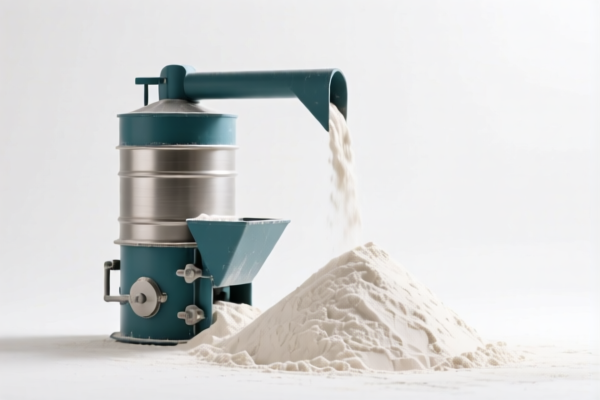
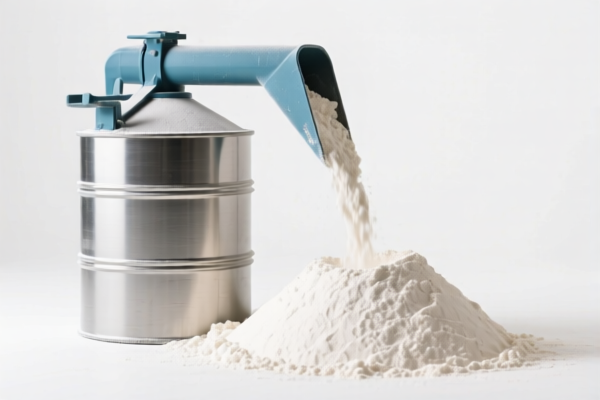
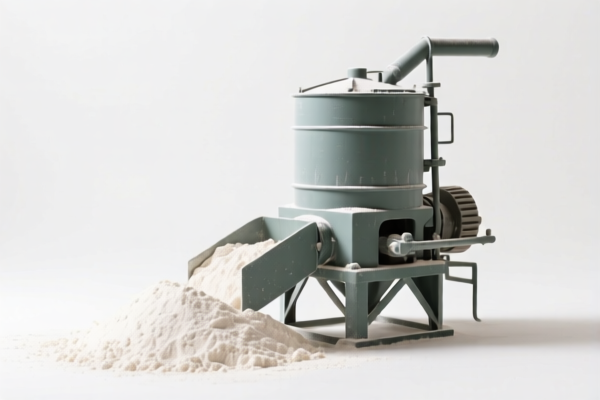
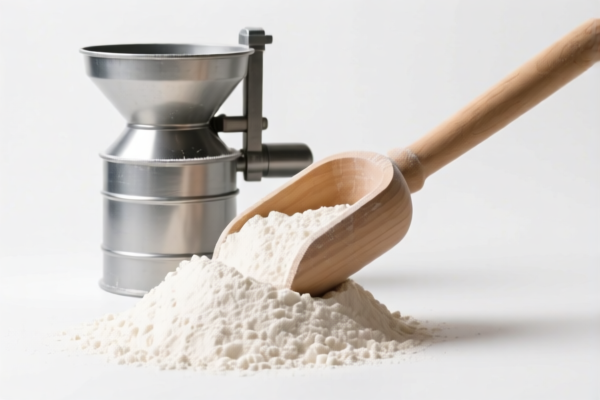
AI Analysis
🌾 Flour Mill & Grain Processing Machinery
🌐 HS Code Reference & Clearance Guide | 2026 Latest Tariff Breakdown | Professional Customs Strategy
📌 I. Product Definition & Classification: Do You Truly Understand "Flour Mill" Machinery?
In the context of international trade and customs regulations, "Flour Mill" does not refer to the consumer kitchen appliance often found in supermarkets. Instead, it refers to industrial or semi-industrial machinery used for the large-scale processing, grinding, sifting, and conditioning of cereals and dried leguminous vegetables.
These machines are complex electromechanical systems that may include: * Roller mills for grinding grain into flour. * Sifters/Plansifters for separating bran, germ, and fine flour. * Cleaning machines for removing impurities from raw grain. * Mixers and conditioners for preparing dough or processing feed.
⚠️ Critical Distinction:
- If the item is a small, hand-operated mechanical appliance (weighing ≤10kg), such as a manual hand-crank grinder, it is classified differently.
- If it is an electromechanical domestic appliance (electric motor, <10kg) used for home food preparation, it falls under Heading 8509.
- Industrial/Semi-Industrial Mills: Large machines used in milling industries for cereals/grains fall under Heading 8437.
📦 II. HS Code Classification Details (2026 Latest Tariff Authority对照)
Based on the provided data, here are the relevant HS Codes for "Flour Mill" related products, categorized by their operational nature:
| HS Code | Product Description | Applicable Scenario | Key Features |
|---|---|---|---|
8210.00.00.00 |
Hand-operated mechanical appliances, weighing 10 kg or less, used in the preparation... of food or drink | Manual Grain Grinders (Hand-cranked) | - Weight: ≤ 10 kg - Power: Human muscle power only - Material: Base metal parts included - NOT electric/motorized |
8509.40.00.15 |
Electromechanical domestic appliances... Blenders | Home Food Processors | - Motor: Self-contained electric motor - Type: Blenders/Grinders for home use - Note: This is for blenders, not industrial flour mills. |
8509.40.00.40 |
Electromechanical domestic appliances... Food grinders, processors and mixers | Home Food Grinders | - Motor: Self-contained electric motor - Type: Food grinders/processors for home use - Note: Small electric mills for home spice/grain grinding. |
8437.80.00.10 |
Machines for cleaning, sorting or grading seed, grain... Machinery used in the milling industry... | Industrial Flour & Grain Mills | - Type: Flour mill and grain mill machines - Scale: Industrial/Commercial - Function: Large-scale processing |
8437.80.00.90 |
Machines for cleaning, sorting or grading seed, grain... Other machinery | Other Industrial Grain Processing Machinery | - Type: Other machinery not specified above - Scale: Industrial/Commercial - Function: General grain processing (non-specific flour milling) |
🔍 Key Interpretation:
- Industrial Flour Mills (the true "Flour Mill") are classified under 8437.80.
- Small electric grinders for home use are classified under 8509.40.
- Manual hand mills are classified under 8210.00.
💰 III. 2026 Latest Tariff Rate Breakdown (Including Surtaxes & Policy Surcharges)
✅ Applicable Country: United States (US)
✅ Country of Origin: China (CN)
✅ Effective Date: Current rates apply as per the provided data.
🎯 1. 8210.00.00.00 – Hand-operated Mechanical Appliances (≤10kg)
| Item | Detail |
|---|---|
| Product | Manual grain grinders, hand-crank flour mills (Base metal parts included) |
| Basic Tariff | 3.7% |
| Additional Surtax | 0.0% |
| Total Tax Rate | 3.7% |
| Tax Calculation | CIF Value × 3.7% |
| Notes | Low duty rate. No additional trade war surtaxes listed for this specific category in the provided data. |
📌 Explanation:
- Hand-operated tools are generally treated as basic hardware/tools.
- The rate is 3.7%, which is relatively low.
- No additional 25% or 10% tariffs are listed for this code in the provided dataset.
🎯 2. 8509.40.00.15 & 8509.40.00.40 – Electromechanical Domestic Appliances (Blenders/Food Grinders)
| Item | Detail |
|---|---|
| Product | Home electric food grinders, blenders, processors (Small scale, <10kg) |
| Basic Tariff | 0.0% |
| Additional Surtax | 0.0% |
| Total Tax Rate | 0.0% |
| Tax Calculation | CIF Value × 0.0% |
| Notes | Duty-free entry for these specific domestic appliances. |
📌 Explanation:
- Small electric kitchen appliances fall under 0% duty.
- Crucial: These are not industrial flour mills. If you declare an industrial mill as a "home blender," you risk severe penalties for misclassification.
🎯 3. 8437.80.00.10 & 8437.80.00.90 – Industrial Flour Mill & Grain Processing Machinery
| Item | Detail |
|---|---|
| Product | Industrial flour mills, grain cleaning/sorting/grading machines |
| Basic Tariff | 0.0% |
| Additional Surtax | 25.0% |
| Total Tax Rate | 25.0% |
| Tax Calculation | CIF Value × 25.0% |
| Notes | Subject to Section 301 tariffs (USITC Footnote). |
📌 Explanation:
- Industrial machinery (Heading 8437) is subject to a 25% additional tariff under US trade policy.
- The basic tariff is 0%, but the total effective rate is 25%.
- This applies to both specific flour mills (8437.80.00.10) and other grain processing machinery (8437.80.00.90).
- High Cost Alert: This is the primary tariff burden for exporting true industrial flour mills to the US.
🛠️ IV. Customs Clearance Practical Advice (Real-World Pitfall Guide)
✅ 1. Essential Documentation Checklist
| Document | Required? | Description |
|---|---|---|
| ✅ Product Specification Sheet | ✔️ | Must detail: Motor power (kW), Capacity (kg/hr), Dimensions, Weight, Voltage. |
| ✅ Technical Drawings | ✔️ | For industrial mills, show internal structure to prove it is a "milling machine" and not a simple "grinder." |
| ✅ Commercial Invoice | ✔️ | Clearly state: "Industrial Flour Mill Machine" or "Hand-operated Grain Grinder" depending on HS Code. |
| ✅ Packing List | ✔️ | List all components. Ensure total weight matches the description (e.g., if claiming <10kg for HS 8210, it must be ≤10kg). |
| ✅ Certification (CE/UL/CSA) | ✔️ | For electric machinery (HS 8437 or 8509), safety certifications are often required for clearance. |
✅ 2. Declaration Strategy (Key Formulas)
🔥 “Industrial vs. Domestic: Check Motor, Weight, and Function!”
| Scenario | Correct HS Code | Tax Rate | Common Mistake |
|---|---|---|---|
| Large Industrial Flour Mill (Electric, >10kg, factory use) | 8437.80.00.10 or 8437.80.00.90 |
25% | Declaring as "Kitchen Appliance" to avoid tax → Severe Penalty |
| Small Electric Home Grinder (Electric, ≤10kg, home use) | 8509.40.00.40 |
0% | Declaring as "Industrial Machinery" → Unnecessary 25% Tax |
| Manual Hand-Crank Mill (No motor, ≤10kg) | 8210.00.00.00 |
3.7% | Declaring as "Electric" → Misclassification |
| Parts for Flour Mill (e.g., rollers, sieves) | Varies (Often 8438 or 8437 parts) | Varies | Declaring as "Finished Machine" → Higher Tax/Inspection |
✅ 3. Special Case Handling
| Situation | Advice |
|---|---|
| "Flour Mill" is actually a Coffee/Spice Grinder | Ensure weight and function match HS 8509 (0% tax). If it's industrial-scale spice processing, it may still be 8437 (25% tax). |
| Hybrid Machine (Can grind grain and mix dough) | Classify based on primary function. If primarily for milling grain into flour, use 8437. |
| Weight is Critical for HS 8210 | If a hand-operated mill weighs 10.1 kg, it cannot use HS 8210. It may need to be classified under different hardware codes, potentially with higher taxes. |
| Used Machinery | Provide proof of age and condition. Some used industrial machinery may have different classification rules or restrictions. |
🌍 V. Global Market Clearance Comparison (2026 Latest)
| Country/Region | Recommended HS Code | Tariff Rate | Notes |
|---|---|---|---|
| 🇺🇸 USA | 8437.80.00.10 |
25% | High duty for industrial mills. Hand-operated (8210) is only 3.7%. |
| 🇨🇳 China | 8437.80.00.10 |
Varies (MFN) | Check China Customs Tariff. Generally low for basic machinery, but depends on FTA. |
| 🇪🇺 EU | 8437.80 |
Varies (0-4%) | Often 0% for agricultural machinery under GSP or specific agreements. |
| 🇦🇺 Australia | 8437.80 |
5% | Standard tariff. Check for agricultural equipment concessions. |
| 🇯🇵 Japan | 8437.80 |
0-1.5% | Very low tariffs for food processing machinery. |
📌 Conclusion:
- USA is the most expensive market for industrial flour mills due to the 25% surtax.
- Hand-operated tools offer a low-cost alternative (3.7%) if the market accepts manual solutions.
- Small electric appliances are duty-free (0%) but limited to domestic/home use scale.
📌 VI. Common Errors & Pitfall Guide (Lessons from Blood and Tears)
❌ Error 1: Declaring an Industrial Flour Mill as a "Food Processor" to claim 0% tax.
👉 Consequence: Customs inspection reveals high capacity/large size → 25% tax + fines + delayed release.
❌ Error 2: Claiming HS 8210 (3.7%) for a motorized mill weighing 15kg.
👉 Consequence: HS 8210 requires hand-operated AND ≤10kg. Misclassification → Back taxes + penalties.
❌ Error 3: Ignoring the 25% surtax for HS 8437.
👉 Consequence: Profit margin wiped out. Industrial machinery is heavily taxed in the US.
❌ Error 4: Using "Flour Mill" as a generic term without specifying Capacity or Power.
👉 Consequence: Customs may doubt the classification → Request for additional documents → Delays.
✅ Correct Approach:
"Industrial Roller Flour Mill, 500kg/H Capacity, 30kW Motor, CE Certified, Model XYZ"
(Use HS 8437.80.00.10)"Hand-Crank Grain Grinder, Cast Iron, 5kg, No Motor, Model ABC"
(Use HS 8210.00.00.00)
🎯 VII. Conclusion: Professional Declaration, Cost Control, Efficiency!
🎯 Remember the Formula:
🔹 "Industrial = 25% | Home Electric = 0% | Hand-Crank = 3.7%"
🔹 "Weight <10kg + No Motor = 8210 | Weight >10kg + Motor = 8437/8509"
🔹 "HS Code Determines Tax, Misclassification Costs Thousands!"
📌 Pro Tip:
If you are exporting to the US, consider if your product can be classified as HS 8210 (manual, ≤10kg) to save on the 25% surtax. However, ensure it strictly meets the "hand-operated" definition.
For industrial mills, budget for the 25% additional tariff. Apply for HS Code Advance Ruling if the product is borderline.
📣 Immediate Action:
📞 Contact a Customs Broker + Provide Technical Specs + Confirm Weight and Power Source.
🚀 Ensure Smooth Clearance, Minimize Tax Burden, and Maximize Profit!
✨ Professional Clearance Starts with Accurate Classification!
💼 Every Dollar of Tax Saved is Pure Profit!
Customer Reviews
About HS Code Classification
The Harmonized System (HS) is an internationally standardized nomenclature developed by the World Customs Organization (WCO) to classify traded products. Over 200 countries use the HS system as the basis for customs tariffs, trade statistics, and import/export regulations.
Each HS code follows a hierarchical structure:
- Chapter (2 digits) — Broad category of goods (e.g., Chapter 84: Machinery and Mechanical Appliances)
- Heading (4 digits) — More specific grouping within the chapter
- Subheading (6 digits) — Internationally standardized breakdown, used by all WCO member countries
- National subdivisions (8-10 digits) — Country-specific extensions for further classification, such as US HTSUS 10-digit codes
Correct HS code classification is essential for smooth customs clearance, accurate duty payment, and compliance with trade regulations. Misclassification can lead to customs delays, overpayment of duties, or penalties.
When importing from CN to US, the applicable tariff rates may include:
- Most-Favored-Nation (MFN) rate — The standard duty rate applied to WTO members
- General rate — Applied to countries without trade agreements
- Trade remedy duties — Additional tariffs such as Section 301 (anti-dumping), Section 232 (national security), or countervailing duties
The information provided on this page is for reference purposes only. For official classification, please consult with your local customs authority or a licensed customs broker.