folding basket
CN → US| HS Code | Tariff Rate | Origin | Destination | Doc |
|---|---|---|---|---|
| 3924905610 | 20.9% | CN | US | Official Doc |
| 3924905650 | 20.9% | CN | US | Official Doc |
| 4202923900 | 52.6% | CN | US | Official Doc |
| 7323999080 | 88.4% | CN | US | Official Doc |
| 4202923131 | 52.6% | CN | US | Official Doc |
Product Images
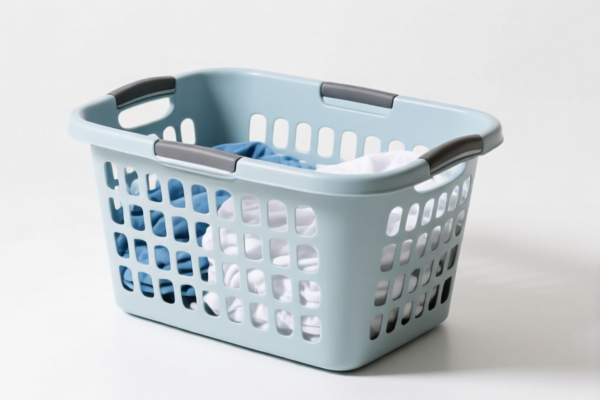
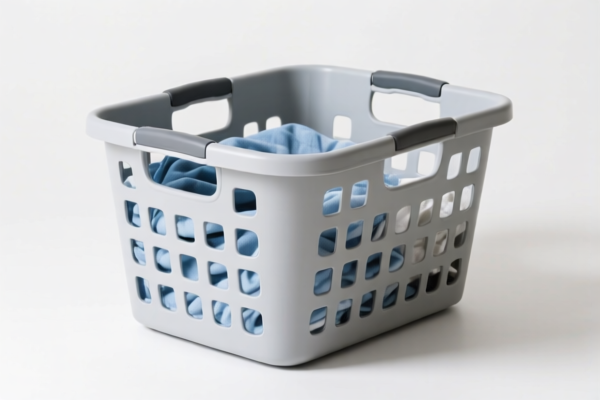
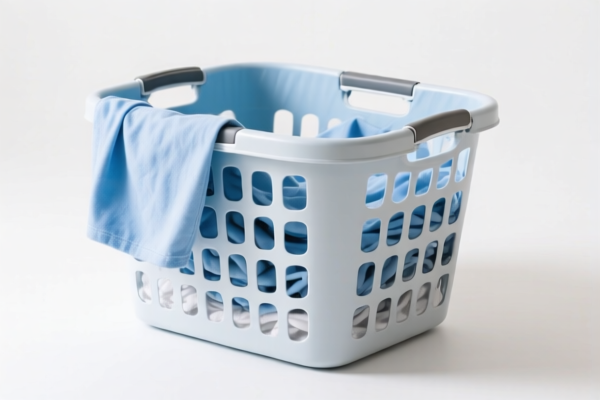
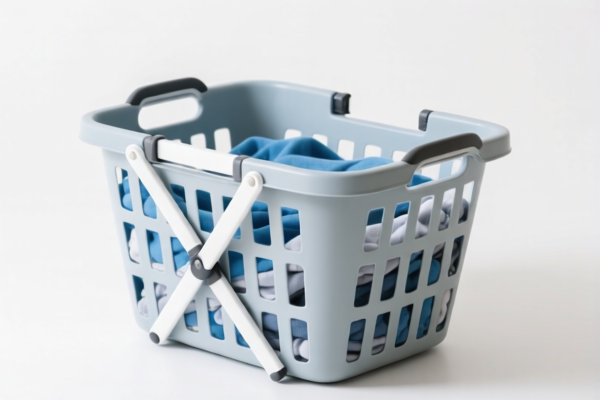
AI Analysis
🧺 Folding Basket (Foldable Storage Solutions)
🌐 HS Code Reference & Customs Clearance Guide | 2026 Latest Tariff Analysis | Professional Clearance Strategy
📌 I. Product Definition & Classification: What Exactly Is a "Folding Basket"?
In international trade, "Folding Basket" is a generic term that lacks precision in customs classification. Depending on the material and specific usage, these items fall into radically different HS Codes with vastly different tax implications. The key to accurate classification lies in distinguishing between plastic household storage, textile bags/cases, and metal household articles.
⚠️ Critical Distinction:
- If made of Plastic and used for general home storage (clothes, toys, laundry) → Chapter 39
- If made of Textile/Fabric and functions as a bag/case/holder → Chapter 42
- If made of Metal (Steel/Iron) and used for household purposes → Chapter 73
📦 II. HS Code Classification Details (Based on Provided Data)
Based on the specific product summaries in the provided dataset, here is the precise breakdown for "Folding Baskets" depending on their material composition:
| HS Code | Product Summary | Material | Primary Usage | Key Classification Feature |
|---|---|---|---|---|
| 3924.90.56.10 | Plastic Household Storage Items | Plastic | Home Storage (General) | Hard or semi-rigid plastic containers designed for household storage. |
| 3924.90.56.50 | Plastic Household Sanitary/Grooming Items | Plastic | Bathroom/Toiletry | Plastic baskets specifically for toiletries, shampoo, or bathroom organization. |
| 4202.92.39.00 | Travel & Sports Bags with Textile Outer Surface | Textile | Travel/Sports | Flexible textile baskets/bags used for carrying items, often treated as "bags" or "cases." |
| 4202.92.31.31 | Textile Bags/Containers | Textile | General Transport/Storage | Fabric baskets acting as containers or bags, not rigid boxes. |
| 7323.99.90.80 | Iron or Steel Household Articles | Metal (Steel/Aluminum/Copper) | Household Use | Rigid metal folding baskets, laundry hampers, or kitchen storage bins. |
🔍 Important Note:
- Plastic vs. Textile: A "waffle-weave" plastic basket is Chapter 39. A fabric laundry bag with folding sides is Chapter 42.
- Metal Penalty Alert: Metal household items face the highest tariffs due to specific trade provisions.
💰 III. 2026 Latest Tariff Rate Breakdown (Detailed Tax Clauses)
✅ Applicable Country: United States (US)
✅ Origin: China (CN)
✅ Effective Date: Current trade measures apply (Section 301, Section 122, Base Rates)
🎯 1. 3924.90.56.10 & 3924.90.56.50 —— Plastic Household Items (Storage & Sanitary)
These codes cover plastic folding baskets for home use and bathroom organization.
| Item | Content |
|---|---|
| Base Tariff | 3.4% |
| Trade War Tariff (Section 301) | +7.5% |
| Section 122 Tariff | +10.0% |
| Total Tax Rate | 20.9% |
| Tax Calculation | CIF Value × 20.9% |
| Legal Basis | Base rate (HTSUS) + 301 Tariff + 122 Tariff |
📌 Explanation:
- 3.4%: Standard Most Favored Nation (MFN) duty for plastic household articles.
- 7.5%: Additional duty imposed under US Trade Act Section 301 on Chinese goods.
- 10%: Section 122 Tariff, which applies to specific imports under certain economic conditions.
- Total: 20.9%. This is a moderate-to-high rate but significantly lower than metal products.
🎯 2. 4202.92.39.00 & 4202.92.31.31 —— Textile Bags/Containers
These codes cover folding baskets made of textile materials (fabric, canvas, woven plastics counted as textiles in this context).
| Item | Content |
|---|---|
| Base Tariff | 17.6% |
| Trade War Tariff (Section 301) | +25.0% |
| Section 122 Tariff | +10.0% |
| Total Tax Rate | 52.6% |
| Tax Calculation | CIF Value × 52.6% |
| Legal Basis | Base rate (HTSUS) + 301 Tariff + 122 Tariff |
📌 Explanation:
- 17.6%: Standard duty for textile bags and cases.
- 25.0%: The most common Section 301 rate for many Chinese consumer goods, including textiles.
- 10%: Section 122 Tariff.
- Total: 52.6%. This is a very high tariff, nearly triple the rate of plastic baskets. Misclassification here can severely impact margins.
🎯 3. 7323.99.90.80 —— Iron or Steel Household Articles
These codes cover folding baskets made of metal (steel, iron, aluminum, copper).
| Item | Content |
|---|---|
| Base Tariff | 3.4% |
| Trade War Tariff (Section 301) | +25.0% |
| Section 122 Tariff | +10.0% |
| Special Metal Tariff (Section 301/122) | +50.0% |
| Total Tax Rate | 88.4% |
| Tax Calculation | CIF Value × 88.4% |
| Legal Basis | Base rate + 301 Tariff + 122 Tariff + Specific Metal Add-on (50%) |
📌 Explanation:
- Base: 3.4% for steel household articles.
- Trade War: +25% (Standard 301).
- Section 122: +10%.
- Special Metal Provision: The data explicitly notes "Steel, Aluminum, Copper Products Additional Tariff: 50%". This is a punitive rate targeting metal imports.
- Total: 88.4%. This is an extremely prohibitive tariff. Importing folding metal baskets from China is highly cost-ineffective unless exempted or sourced elsewhere.
🛠️ IV. Customs Clearance Practical Advice
✅ 1. Preparation Checklist (Non-Negotiable)
| Document | Required? | Description |
|---|---|---|
| ✅ Product Photos | ✔️ | Must clearly show material (plastic texture, fabric weave, metal shine) and folding mechanism. |
| ✅ Material Composition Statement | ✔️ | Specify % of plastic, textile, or metal. Critical for Chapter 39 vs. 42 vs. 73. |
| ✅ Usage Description | ✔️ | "Home Storage," "Bathroom Toiletry Holder," "Travel Laundry Bag," or "Metal Hamper." |
| ✅ Bill of Lading / Invoice | ✔️ | Must match the HS Code description exactly. |
| ✅ FCC/CE Certificates | ✔️ | If the basket contains electronic components (e.g., LED-lit basket), additional certs may apply. |
✅ 2. Classification Strategy & Pitfalls
🔥 "Material is King: Plastic Low, Textile High, Metal Disaster!"
| Scenario | Correct HS Code | Tax Rate | Risk Level |
|---|---|---|---|
| Hard Plastic Bin (e.g., IKEA-style box) | 3924.90.56.10 |
20.9% | ✅ Low |
| Soft Plastic Basket (Laundry, woven plastic) | 3924.90.56.10 or 3924.90.56.50 |
20.9% | ✅ Low |
| Fabric Canvas Bag (Foldable sides) | 4202.92.31.31 |
52.6% | ⚠️ High |
| Wire/Metal Basket (Laundry Hamper) | 7323.99.90.80 |
88.4% | 🔴 Critical |
📌 Critical Advice:
- Avoid Metal if Possible: The 88.4% tariff makes metal folding baskets from China economically unviable for most retailers. Consider sourcing from Vietnam or Mexico to avoid Section 301/122, or switch to plastic alternatives.
- Textile vs. Plastic: Don't assume "plastic woven" is plastic. If it's treated as a textile product in design and function, it may fall under Chapter 42. Check with a customs broker.
✅ 3. Special Case Handling
| Situation | Recommendation |
|---|---|
| Plastic + Metal Handle | Classify based on essential character. If metal handle is minor, still Chapter 39. If metal frame dominates, risk Chapter 73. |
| Fabric + Plastic Frame | If plastic frame provides structure, argue for Chapter 39. If fabric is the main body, risk Chapter 42. |
| Kit Assembly | If selling a basket with separate liners, declare the basket as the main article. Do not split components to avoid higher component taxes. |
🌍 V. Global Market Comparison (2026)
| Country | Recommended HS | US Tax (China Origin) | EU Tax (China Origin) | Notes |
|---|---|---|---|---|
| 🇺🇸 USA | 3924.90.56.10 |
20.9% (Plastic) 52.6% (Textile) 88.4% (Metal) |
N/A | High punitive tariffs on China. |
| 🇨🇳 China | 3924.90.56.10 |
N/A | 5% (Import Duty) | Low internal duty. |
| 🇪🇺 EU | 3924.90.56.10 |
N/A | 4% (Plastic) 6% (Textile) |
No Section 301/122 equivalents. |
| 🇦🇺 Australia | 3924.90.56.10 |
N/A | 5% | GST applies on top. |
📌 Conclusion:
- US Market is Hardest: The combination of Base + 301 + 122 tariffs creates a massive cost barrier.
- Metal is Prohibited Economically: 88.4% is a de-facto ban on competitive pricing.
- Plastic is Best Option: 20.9% is manageable for high-margin home goods.
📌 VI. Common Errors & Pitfalls (Blood Lessons)
❌ Error 1: Declaring a Metal Wire Basket as "Plastic Basket" to save tax.
👉 Consequence: Customs inspection will reveal material mismatch. Seizure, fines, and 88.4% back-dated taxes!
❌ Error 2: Using generic term "Folding Basket" in commercial invoice.
👉 Consequence: Customs cannot determine material → Detention for inspection + delays.
❌ Error 3: Ignoring Section 122.
👉 Consequence: Even if 301 tariffs are paused or negotiated, Section 122 often remains. Always factor in +10%.
✅ Correct Practice:
"Plastic Folding Storage Basket, Rectangular, 20L, Blue, For Home/Laundry Use, HTSUS 3924.90.56.10"
🎯 VII. Conclusion: Professional Classification Saves Money
🎯 Key Takeaway:
🔹 Plastic: 20.9% → ✅ Recommended
🔹 Textile: 52.6% → ⚠️ High Cost, Verify Material
🔹 Metal: 88.4% → 🚫 Avoid if possible
📌 Pro Tip:
If you must import Metal Folding Baskets, consider:
1. Sourcing from non-China origins (Vietnam, Thailand) to avoid Section 301.
2. Applying for HTSUS Exclusions (if available for specific products).
3. Switching to Plastic Alternatives to reduce tax burden from 88.4% to 20.9%.
📣 Immediate Action:
📞 Contact a Licensed Customs Broker to confirm the essential character of mixed-material baskets.
📝 Request Pre-Ruling (ISF + CBP) to mitigate audit risks.
✨ Accurate Classification is Not Just Compliance; It's Profitability!
💼 Save 67.5% in Taxes by Choosing Plastic over Metal!
Customer Reviews
About HS Code Classification
The Harmonized System (HS) is an internationally standardized nomenclature developed by the World Customs Organization (WCO) to classify traded products. Over 200 countries use the HS system as the basis for customs tariffs, trade statistics, and import/export regulations.
Each HS code follows a hierarchical structure:
- Chapter (2 digits) — Broad category of goods (e.g., Chapter 84: Machinery and Mechanical Appliances)
- Heading (4 digits) — More specific grouping within the chapter
- Subheading (6 digits) — Internationally standardized breakdown, used by all WCO member countries
- National subdivisions (8-10 digits) — Country-specific extensions for further classification, such as US HTSUS 10-digit codes
Correct HS code classification is essential for smooth customs clearance, accurate duty payment, and compliance with trade regulations. Misclassification can lead to customs delays, overpayment of duties, or penalties.
When importing from CN to US, the applicable tariff rates may include:
- Most-Favored-Nation (MFN) rate — The standard duty rate applied to WTO members
- General rate — Applied to countries without trade agreements
- Trade remedy duties — Additional tariffs such as Section 301 (anti-dumping), Section 232 (national security), or countervailing duties
The information provided on this page is for reference purposes only. For official classification, please consult with your local customs authority or a licensed customs broker.