folding handcart
CN → US| HS Code | Tariff Rate | Origin | Destination | Doc |
|---|---|---|---|---|
| 9503000090 | 10.0% | CN | US | Official Doc |
| 8711600050 | 35.0% | CN | US | Official Doc |
| 8712004800 | 46.0% | CN | US | Official Doc |
| 8712005000 | 0.0% | CN | US | Official Doc |
| 9503000073 | 10.0% | CN | US | Official Doc |
| 8711900100 | 35.0% | CN | US | Official Doc |
Product Images
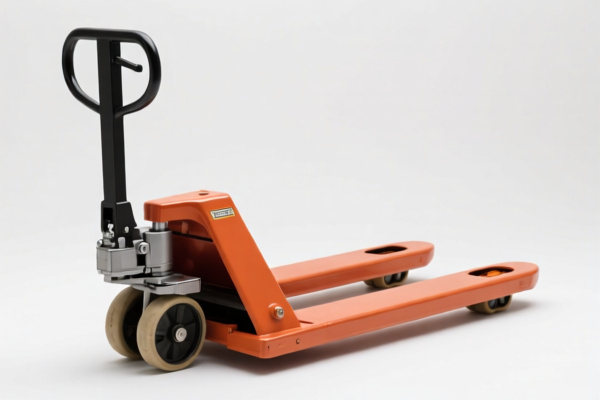
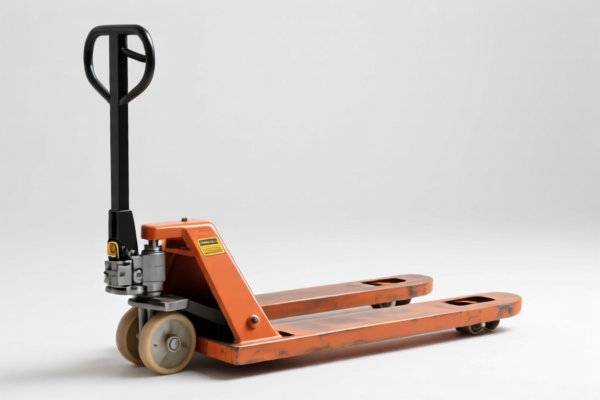
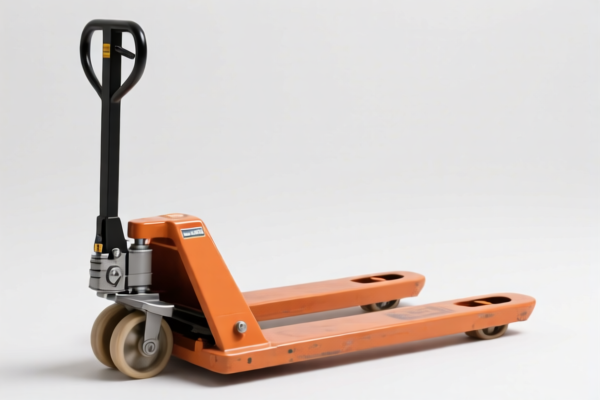
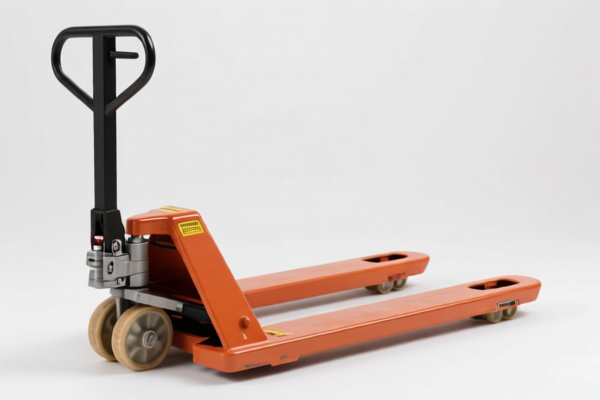
AI Analysis
🛒 Folding Handcart (Foldable Utility Cart)
🌐 HS Code Classification & Customs Clearance Guide | 2026 Latest Tariff Analysis | Strategic Import Strategy
📌 I. Product Definition: Is it a Toy, a Vehicle, or a Cart?
A Folding Handcart is a versatile portable device used for transporting goods. In international trade, its classification is highly controversial because it straddles the boundary between toys, bicycles, and miscellaneous vehicles. The final HS Code depends entirely on the design intent, load capacity, and structural features (e.g., number of wheels, presence of pedals).
⚠️ Key Distinction:
- If designed primarily for children’s play or small loads (<15kg) with playful features → Chapter 95 (Toys)
- If designed for adult utility with bicycle-like morphology → Chapter 87 (Vehicles)
📦 II. HS Code Classification Details (Based on Provided Data)
Below are the 6 possible HS Codes from the dataset, each with a specific rationale and tax implication.
| HS Code | Product Description | Rationale / Logic | Total Tax Rate |
|---|---|---|---|
9503.00.00.90 |
Toys: Tricycles, Scooters, Ride-on Toys | Classified as a toy because it falls under "Tricycles, scooters, pedal cars and similar wheeled toys." | 10.0% |
8711.60.00.50 |
Motorcycles & Motor Bicycles (Frame Parts/Accessories) | Classified as a motorcycle/bicycle part or category due to morphological similarity to motorcycles/auxiliary engine bicycles. | 35.0% |
8712.00.48.00 |
Non-Motorized Bicycles (Other) | Classified as a non-motorized bicycle because folding carts share the morphology and utility of bicycles. | 46.0% |
8712.00.50.00 |
Other Non-Motorized Vehicles | Classified as an "Other Vehicle" that is non-motorized, fitting the general vehicle category. | 38.7% (3.7% + 35%) |
9503.00.00.73 |
Toys: Tricycles, Scooters, etc. | Another toy classification, specifically citing "Tricycles, scooters, pedal cars and similar wheeled toys." | 10.0% |
8711.90.01.00 |
Parts & Accessories of Motorcycles | Classified under motorcycle parts/accessories due to structural categorization with motorcycles. | 35.0% |
🔍 Critical Insight:
- Toys (9503) offer the lowest tax (10%) but are limited to products designed for children or recreational play.
- Vehicles (8711,8712) face high taxes (35%–46%) due to Section 301 tariffs (25%) and IEEPA tariffs (10%).
- Misclassification is a major risk: A cargo declared as a "Toy" but found to be a "Utility Vehicle" will face back taxes + penalties.
💰 III. Detailed Tariff Breakdown (2026 Latest Rates)
✅ Applicable Market: United States (US)
✅ Origin: China (CN)
✅ Effective Date: Post-November 2025
🎯 1. The "Toy" Category (Low Tax Advantage)
HS Codes: 9503.00.00.90, 9503.00.00.73
| Item | Details |
|---|---|
| Base Duty | 0.0% |
| Section 301 Surcharge | 0.0% (No additional 25% tariff) |
| IEEPA Surcharge | +10.0% (10% tariff on Chinese goods under IEEPA) |
| Total Effective Rate | 10.0% |
| De Minimis Eligibility | ❌ Likely Excluded (Toys often fall under excluded lists if high-value) |
| Legal Basis | IEEPA:9903.01.25 |
📌 Interpretation:
- This is the most favorable classification if the product is legally deemed a "Toy."
- However, CBP (Customs and Border Protection) scrutinizes "Folding Carts" closely. If the cart has a load capacity >20kg or is marketed for adult utility, it cannot be classified as a toy.
🎯 2. The "Bicycle" Category (High Tax Burden)
HS Codes: 8712.00.48.00, 8712.00.50.00
A. 8712.00.48.00 – Other Bicycles
| Item | Details |
|---|---|
| Base Duty | 11.0% |
| Section 301 Surcharge | +25.0% |
| IEEPA Surcharge | +10.0% |
| Total Effective Rate | 46.0% |
| Calculation | CIF Value × 46% |
| De Minimis Eligibility | ❌ No |
B. 8712.00.50.00 – Other Non-Motorized Vehicles
| Item | Details |
|---|---|
| Base Duty | 3.7% |
| Section 301 Surcharge | +25.0% |
| IEEPA Surcharge | +10.0% |
| Total Effective Rate | 38.7% |
| Calculation | CIF Value × 38.7% |
| De Minimis Eligibility | ❌ No |
📌 Interpretation:
- The 25% Section 301 tariff is the primary driver of high costs.
- Even if the base duty is low (3.7%), the total hits 38.7%.
- These codes apply if the cart is considered a utility vehicle for adults.
🎯 3. The "Motorcycle/Part" Category (Medium-High Tax)
HS Codes: 8711.60.00.50, 8711.90.01.00
| Item | Details |
|---|---|
| Base Duty | 0.0% |
| Section 301 Surcharge | +25.0% |
| IEEPA Surcharge | +10.0% |
| Total Effective Rate | 35.0% |
| De Minimis Eligibility | ❌ No |
📌 Interpretation:
- These codes are used if the folding cart is seen as structurally similar to a motorcycle frame or bicycle accessory.
- Less common for standard folding handcarts but possible if the design includes complex folding mechanisms resembling motorcycle frames.
🛠️ IV. Customs Clearance Practical Advice
✅ 1. Preparation Checklist (Non-Negotiable)
| Document | Required? | Purpose |
|---|---|---|
| Product Specifications | ✅ Yes | Must state max load capacity, folded dimensions, material (aluminum/plastic). |
| Marketing Materials | ✅ Yes | Brochures, website screenshots showing target audience (kids vs. adults). |
| Photographs | ✅ Yes | Front, side, and folded state. Show no pedals (if applicable). |
| Bill of Lading | ✅ Yes | Clearly describe as "Folding Utility Cart, Non-Motorized". Avoid vague terms like "Toy Cart." |
| Commercial Invoice | ✅ Yes | Must match HS Code rationale. If using 9503, must emphasize "Recreational/Play." |
✅ 2. Classification Strategy (Decision Tree)
| Scenario | Recommended HS Code | Tax Rate | Risk Level |
|---|---|---|---|
| Small, lightweight, colorful, marketed to kids (<12 yrs) | 9503.00.00.90 / 9503.00.00.73 |
10% | 🟡 Medium (CBP may challenge if load >15kg) |
| Adult utility, heavy-duty, aluminum frame, no pedals | 8712.00.50.00 |
38.7% | 🟢 Low (Safe, conservative classification) |
| Hybrid: Adult use but small/wheeled like a bike | 8712.00.48.00 |
46% | 🔴 High (Highest cost, avoid unless necessary) |
| Contains motor/electric assist | 8711.xxxx or 8711.60.00.50 |
35% | 🟡 Medium (Requires EV certification) |
✅ 3. Critical Warnings (Avoid These Mistakes!)
❌ Mistake 1: Declaring a heavy-duty adult folding cart as a "Toy" (9503).
👉 Consequence: CBP will reclassify it as a vehicle, demand 35–46% duty + penalties, and possibly seize goods.
❌ Mistake 2: Using "Bicycle" as the product name for a cart without pedals.
👉 Consequence: Customs may flag it as "Incomplete Bicycle," leading to delays and requests for additional proof of function.
❌ Mistake 3: Ignoring Section 301 Tariffs.
👉 Consequence: Underestimating landed cost. Always include the 25% + 10% surcharge in your margin calculations.
🌍 V. Global Market Comparison (2026)
| Market | Recommended HS Code | Est. Duty Rate | Notes |
|---|---|---|---|
| 🇺🇸 USA | 9503 (Toy) or 8712 (Vehicle) |
10% – 46% | High risk of reclassification. Section 301 applies. |
| 🇨🇳 China | 8712 or 9503 |
0% – 10% | Import duties vary; focus on VAT (13%). |
| 🇪🇺 EU | 8712 |
0% – 4.5% | No Section 301 equivalent, but CE marking required. |
| 🇨🇦 Canada | 9503 or 8712 |
0% – 6% | Similar to US but lower surcharges. |
📌 Conclusion:
- The US market is the most complex due to the Toy vs. Vehicle classification battle and Section 301 tariffs.
- If your product is lightweight (<10kg) and recreational, aim for9503(10%).
- If it is utility/heavy, accept the 35–46% tax burden under8712to ensure compliance.
📌 VI. Final Recommendations
🔹 For Importers:
- Pre-Audit: If possible, apply for a CBP Binding Ruling before shipping. This provides legal certainty on HS Code.
- Documentation: Ensure marketing materials do not depict children using heavy-duty carts as toys, if you plan to declare under
8712. - Costing: Factor in minimum 38.7% duty for utility carts. Do not rely on the 10% toy rate unless you are certain of CBP’s acceptance.
🔹 For Exporters:
- Labeling: Clearly label the product with its intended use.
- Packaging: Include a spec sheet in the box that defines the product as a "Non-Motorized Folding Utility Cart" (if aiming for
8712) or "Play Cart" (if aiming for9503).
🎯 VII. Conclusion
🎯 Key Takeaway:
"Folding Handcart" is not a single HS Code.
- Toy Logic →9503→ 10% Tax (Low Risk if designed for kids)
- Vehicle Logic →8712/8711→ 35–46% Tax (High Cost, Safe for Adult Utility)
🚀 Action Item:
Analyze your product’s load capacity and target demographic. If in doubt, consult a customs broker and consider applying for a Binding Ruling to avoid costly clearance delays.
✨ Professional Clearance Starts with Accurate Classification!
💼 Your profit margin depends on the right HS Code!
Customer Reviews
About HS Code Classification
The Harmonized System (HS) is an internationally standardized nomenclature developed by the World Customs Organization (WCO) to classify traded products. Over 200 countries use the HS system as the basis for customs tariffs, trade statistics, and import/export regulations.
Each HS code follows a hierarchical structure:
- Chapter (2 digits) — Broad category of goods (e.g., Chapter 84: Machinery and Mechanical Appliances)
- Heading (4 digits) — More specific grouping within the chapter
- Subheading (6 digits) — Internationally standardized breakdown, used by all WCO member countries
- National subdivisions (8-10 digits) — Country-specific extensions for further classification, such as US HTSUS 10-digit codes
Correct HS code classification is essential for smooth customs clearance, accurate duty payment, and compliance with trade regulations. Misclassification can lead to customs delays, overpayment of duties, or penalties.
When importing from CN to US, the applicable tariff rates may include:
- Most-Favored-Nation (MFN) rate — The standard duty rate applied to WTO members
- General rate — Applied to countries without trade agreements
- Trade remedy duties — Additional tariffs such as Section 301 (anti-dumping), Section 232 (national security), or countervailing duties
The information provided on this page is for reference purposes only. For official classification, please consult with your local customs authority or a licensed customs broker.