folding hinge
CN → US| HS Code | Tariff Rate | Origin | Destination | Doc |
|---|---|---|---|---|
| 9403999045 | 85.0% | CN | US | Official Doc |
| 9403991040 | 85.0% | CN | US | Official Doc |
| 7326908688 | 87.9% | CN | US | Official Doc |
| 8302109090 | 38.4% | CN | US | Official Doc |
| 8302106090 | 88.5% | CN | US | Official Doc |
Product Images
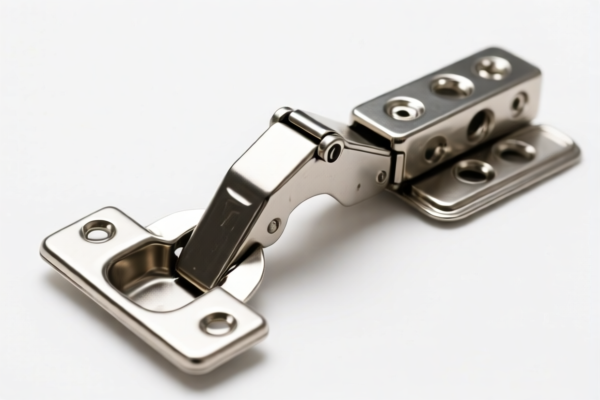
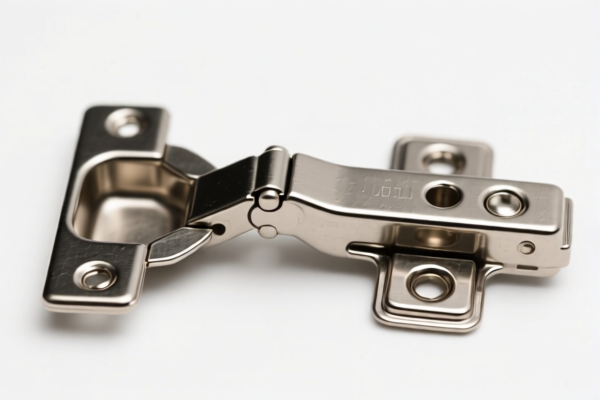
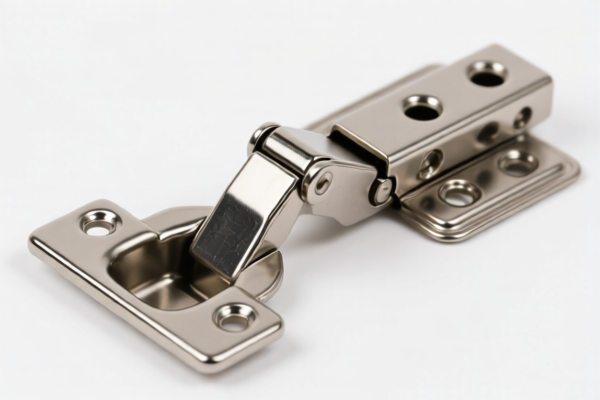
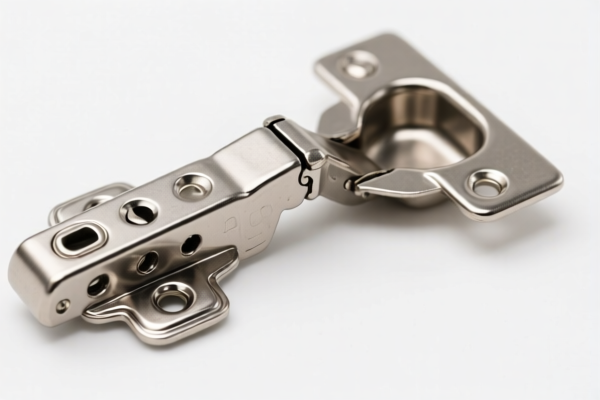
AI Analysis
🔄 Folding Hinges (Hardware for Furniture & Vehicles)
🌐 HS Code Reference & Customs Clearance Guide | 2026 Latest Tariff Breakdown | Strategic Compliance Strategy
📌 I. Product Definition & Classification: What Exactly is a "Folding Hinge"?
A folding hinge is a mechanical device that allows two solid objects to be connected while allowing relative rotation between them, typically used in furniture, cabinetry, and automotive interiors. In international trade, the classification of hinges is highly sensitive to their specific application and material composition. They are not a single uniform category but are split based on whether they serve as general "base metal parts," "furniture accessories," or "automotive components."
⚠️ Critical Distinction Point:
- General/Base Metal Hinges: Often classified under Chapter 83 (Base Metal Articles) if they are simple pivots or standard joints → Lower Base Duty.
- Furniture Parts: Classified under Chapter 94 (Furniture Parts) if specifically designed for furniture → Variable Duty.
- Automotive Parts: Classified under Chapter 94 (Furniture for Vehicles) or other specific codes → Subject to Aggressive Tariffs.
- Material Constraint: If made of Steel, Aluminum, or Copper, additional "122 Clause" tariffs (Section 301/IEEPA equivalents) apply, drastically increasing the total tax burden.
📦 II. HS Code Classification Details (2026 Latest Tariff Authority Reference)
Based on the provided data, here is the breakdown of the five applicable HS Codes for folding hinges, categorized by function and material constraints.
| HS Code | Product Description & Classification Logic | Tax Rate (Total) | Key Tariff Components |
|---|---|---|---|
| 8302.10.90.90 | Base Metal Hinge (General) Standard hinge classified as "Other parts of base metal." Often applies to generic, non-furniture-specific hinges. |
38.4% | Base: 3.4% + Add'l: 25.0% + 122 Clause: 10% |
| 8302.10.60.90 | Base Metal Hinge (Steel/Al/Cu) Same classification as above but explicitly triggers the "10% Steel, Aluminum, Copper" surcharge. |
88.5% | Base: 3.5% + Add'l: 25.0% + 122 Clause: 50% |
| 9403.99.10.40 | Vehicle Furniture Part Hinge used specifically for furniture within motor vehicles. Classified under furniture parts. |
85.0% | Base: 0.0% + Add'l: 25.0% + 122 Clause: 50% |
| 9403.99.90.45 | General Furniture Part Hinge used for standard household/office furniture. Classified under other furniture parts. |
85.0% | Base: 0.0% + Add'l: 25.0% + 122 Clause: 50% |
| 7326.90.86.88 | Other Iron/Steel Articles Hinge classified as a generic "other article of iron or steel" rather than a specific hinge part. |
87.9% | Base: 2.9% + Add'l: 25.0% + 122 Clause: 50% |
🔍 Key Insight:
- 38.4% vs. 88.5%: The difference lies in the material verification. If your hinge is made of steel, aluminum, or copper, you fall into the 88.5% bracket due to the 50% "122 Clause" surcharge.
- Furniture (9403) vs. Base Metal (8302): Furniture parts (9403) have a 0% base tariff but are heavily penalized by the 50% material surcharge. Base metal parts (8302) have a small base tariff but may avoid the 50% surcharge if not explicitly flagged as steel/al/cu under specific interpretations (though 8302.10.60.90 shows the 50% penalty applies here too).
- 122 Clause Impact: The "122 Clause" refers to specific retaliatory or additional tariffs (often linked to Section 301 or IEEPA) targeting steel, aluminum, and copper products from China, adding 50% instead of the standard 10%.
💰 III. 2026 Latest Tariff Rate Breakdown (Detailed Policy Analysis)
✅ Applicable Jurisdiction: United States (US)
✅ Origin: China (CN) (Implied by the presence of "122 Clause" and specific surcharge structures)
✅ Effective Date: 2025/2026 (Post-trade policy adjustments)
🎯 1. 8302.10.90.90 – The "Lowest Possible" Option?
| Item | Detail |
|---|---|
| Base Duty | 3.4% |
| Section 301 Surcharge | +25.0% (Standard 301 rate) |
| 122 Clause Surcharge | +10% (Standard material surcharge, not the 50% penalty) |
| Total Effective Tax | 38.4% |
| Calculation | CIF Value × 38.4% |
| De Minimis Eligibility | ❌ No (Generally, goods subject to Section 301 are excluded from de minimis exemptions) |
📌 Why 38.4%?
This code assumes the hinge is treated as a generic "part of base metal" and does not trigger the maximum 50% surcharge for steel/aluminum/copper. This is the most cost-effective classification if the product description and material certification support this lower tier.
🎯 2. 8302.10.60.90 – The "Steel/Al/Cu Penalty"
| Item | Detail |
|---|---|
| Base Duty | 3.5% |
| Section 301 Surcharge | +25.0% |
| 122 Clause Surcharge | +50.0% (Heavy penalty for Steel, Aluminum, Copper) |
| Total Effective Tax | 88.5% |
| Calculation | CIF Value × 88.5% |
| De Minimis Eligibility | ❌ No |
📌 Why 88.5%?
Even though it’s a "base metal part," the system explicitly applies the 50% penalty. This is common for structural metal parts. This rate is prohibitively high for most commercial shipments.
🎯 3. 9403.99.90.45 & 9403.99.10.40 – Furniture Parts (High Risk)
| Item | Detail |
|---|---|
| Base Duty | 0.0% |
| Section 301 Surcharge | +25.0% |
| 122 Clause Surcharge | +50.0% (Steel/Al/Cu penalty applies to furniture parts made of these materials) |
| Total Effective Tax | 85.0% |
| Calculation | CIF Value × 85.0% |
| De Minimis Eligibility | ❌ No |
📌 Why 85.0%?
Even with a 0% base duty, the 50% penalty wipes out any advantage. If your furniture hinges are made of steel, you will pay 85%.
🎯 4. 7326.90.86.88 – Other Iron/Steel Articles (Highest Base)
| Item | Detail |
|---|---|
| Base Duty | 2.9% |
| Section 301 Surcharge | +25.0% |
| 122 Clause Surcharge | +50.0% |
| Total Effective Tax | 87.9% |
| Calculation | CIF Value × 87.9% |
| De Minimis Eligibility | ❌ No |
📌 Why 87.9%?
Classified as a generic "other article," it incurs a higher base (2.9%) plus the full penalty suite.
🛠️ IV. Customs Clearance Practical Advice (Avoiding Pitfalls)
✅ 1. Documentation Checklist (Non-Negotiable)
| Document | Required? | Explanation |
|---|---|---|
| ✅ Product Technical Specs | ✔️ | Must specify material (e.g., "Stainless Steel," "Zinc Alloy," "Aluminum"). This dictates the 50% penalty. |
| ✅ Material Certification | ✔️ | Mill certificates or supplier declarations confirming alloy composition. Critical for avoiding the 50% surcharge if possible. |
| ✅ Usage Statement | ✔️ | Clearly state: "Used in [Furniture Type / Automotive Interior]." Avoid vague terms like "hardware." |
| ✅ Commercial Invoice | ✔️ | Must match the HS Code description exactly. Do not write "Hinge" alone; write "Furniture Hinge, Steel, 180-degree." |
| ✅ Packing List | ✔️ | Ensure weight/volume matches the declared value. |
✅ 2. Strategic Declaration Tips
🔥 Golden Rule: "Material Defines Tax, Function Defines Code."
| Scenario | Recommended Action | Risk |
|---|---|---|
| Hinges are Zinc Alloy or Plastic | Declare under 8302.10.90.90 or similar non-steel codes. | ✅ Low Risk: Avoids the 50% Steel/Al/Cu penalty. Tax drops to ~38.4%. |
| Hinges are Stainless Steel | High Alert: Likely falls under 8302.10.60.90 (88.5%) or 9403.99 (85-87%). | ❌ High Cost: Stainless steel is still "steel." Expect 85%+ tax. |
| Hinges are for Vehicles | Use 9403.99.10.40. | ⚠️ Medium Risk: Still 85% tax. Ensure the "vehicle" application is documented. |
| Hinges are for Home Furniture | Use 9403.99.90.45. | ⚠️ Medium Risk: 85% tax. |
✅ 3. Special Cases & Workarounds
| Case | Advice |
|---|---|
| Can I avoid the 50% penalty? | Yes, if the material is NOT Steel, Aluminum, or Copper. Use hinges made of Zinc, Brass, or Plastic. This can reduce tax from 88.5% to 38.4% or lower. |
| De Minimis (Section 321) Exemption? | ❌ Generally NO. Goods subject to Section 301 (25%) and IEEPA (10%) are typically excluded from the $800 de minimis exemption. Do not rely on this. |
| Advance Ruling | ✅ Strongly Recommended. Submit a binding ruling request with material samples to confirm if your specific alloy triggers the 50% penalty. |
🌍 V. Global Market Comparison (2026 Context)
| Region | Recommended HS Code | Est. Tax Rate | Key Requirement |
|---|---|---|---|
| 🇺🇸 USA | 8302.10.90.90 (Best Case) |
38.4% | Material must NOT be Steel/Al/Cu. |
| 🇺🇸 USA | 9403.99.90.45 (Furniture) |
85.0% | High penalty on steel/aluminum furniture parts. |
| 🇪🇺 EU | 8302.10.00.00 (Harmonized) |
~0-2% + VAT | No Section 301/IEEPA. Standard MFN duty applies. |
| 🇨🇳 China | 8302.10.00.00 |
0-3% | Low import duty. No retaliatory tariffs. |
📌 Conclusion:
The USA is the only major market with these aggressive additional tariffs. If your product is exported to the US and is made of steel, the cost of compliance is extremely high. Material substitution (e.g., Zinc or Plastic) is the most effective cost-saving strategy.
📌 VI. Common Errors & Pitfalls (Lessons Learned)
❌ Error 1: Declaring a Steel Hinge as 8302.10.90.90 to avoid the 50% penalty.
👉 Consequence: Customs audit will classify it as 8302.10.60.90 → Back taxes + 25% penalty.
❌ Error 2: Using 9403 for a hinge that is not primarily for furniture (e.g., industrial machine hinge).
👉 Consequence: Misclassification → Delay in clearance + Potential fines.
❌ Error 3: Assuming De Minimis applies to small hardware shipments.
👉 Consequence: Seizure or forced formal entry + payment of 85%+ duty.
✅ Correct Approach:
"Hinge, Zinc Alloy, for Cabinet Use, Model XYZ, Material Certificate Attached."
🎯 VII. Conclusion: Strategic Classification is Key
🎯 Key Takeaway:
🔹 "Steel is Expensive, Zinc is Smart."
🔹 "38.4% vs. 88.5%": The difference is your profit margin. Choose non-steel materials if possible.
🔹 "Function Matters": Ensure the end-use (Furniture vs. Vehicle) matches the HS Code description to avoid audits.
📌 Action Plan:
1. Audit your BOM (Bill of Materials): Check the exact alloy of your hinges.
2. Consult a Customs Broker: Request a Pre-Classification Ruling from US CBP.
3. Consider Material Switch: If currently using steel, evaluate zinc or plastic alternatives to reduce tax from ~88% to ~38%.
✨ Professional Clearance Starts with Accurate Classification!
💼 Every Percentage Point Saved is Pure Profit!
Customer Reviews
About HS Code Classification
The Harmonized System (HS) is an internationally standardized nomenclature developed by the World Customs Organization (WCO) to classify traded products. Over 200 countries use the HS system as the basis for customs tariffs, trade statistics, and import/export regulations.
Each HS code follows a hierarchical structure:
- Chapter (2 digits) — Broad category of goods (e.g., Chapter 84: Machinery and Mechanical Appliances)
- Heading (4 digits) — More specific grouping within the chapter
- Subheading (6 digits) — Internationally standardized breakdown, used by all WCO member countries
- National subdivisions (8-10 digits) — Country-specific extensions for further classification, such as US HTSUS 10-digit codes
Correct HS code classification is essential for smooth customs clearance, accurate duty payment, and compliance with trade regulations. Misclassification can lead to customs delays, overpayment of duties, or penalties.
When importing from CN to US, the applicable tariff rates may include:
- Most-Favored-Nation (MFN) rate — The standard duty rate applied to WTO members
- General rate — Applied to countries without trade agreements
- Trade remedy duties — Additional tariffs such as Section 301 (anti-dumping), Section 232 (national security), or countervailing duties
The information provided on this page is for reference purposes only. For official classification, please consult with your local customs authority or a licensed customs broker.