footwear hs code 6402911600
CN → US| HS Code | Tariff Rate | Origin | Destination | Doc |
|---|---|---|---|---|
| 6405203080 | 17.5% | CN | US | Official Doc |
| 6405203060 | 17.5% | CN | US | Official Doc |
| 6403999071 | 20.0% | CN | US | Official Doc |
| 6402996930 | 58.0% | CN | US | Official Doc |
| 6404198990 | 0.0% | CN | US | Official Doc |
Product Images
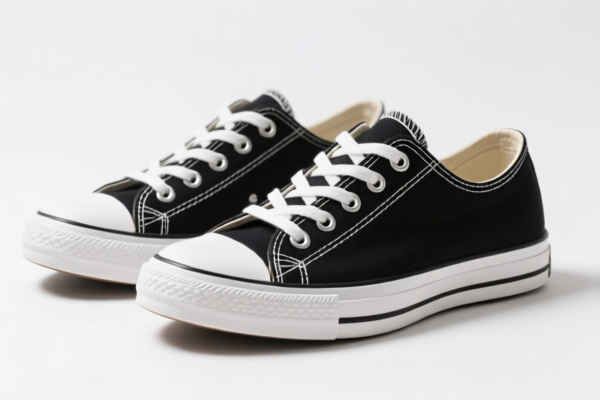
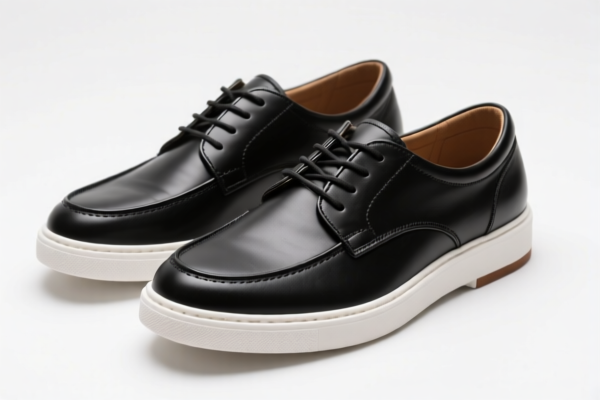
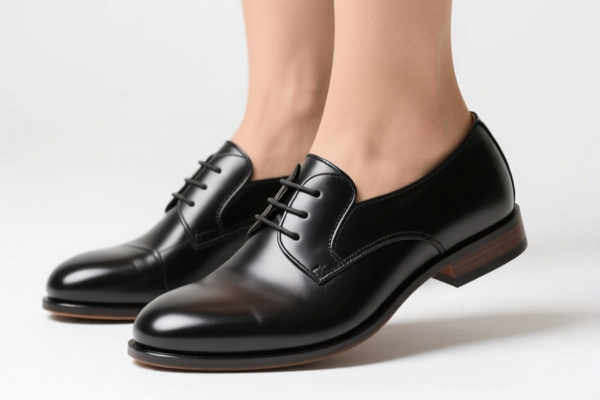
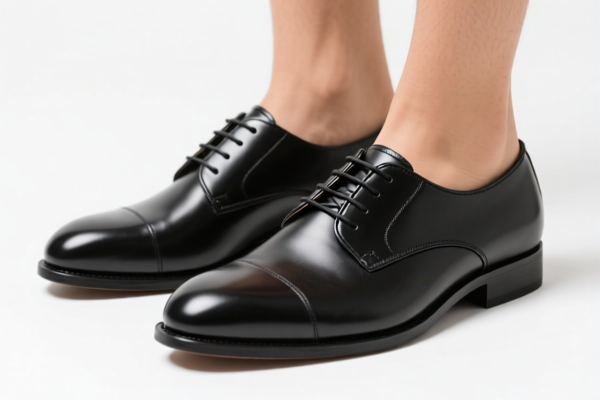
AI Analysis
👟 Footwear (HS Code 6402.91.16.00)
🌐 HS Code Reference & Customs Clearance Guide | 2026 Latest Tariff Analysis | Professional Clearance Strategy
📌 I. Product Definition & Classification: Do You Really Understand “6402.91.16.00”?
Footwear under HS Code 6402.91.16.00 belongs to a highly specific and sensitive category in international trade, particularly regarding imports into the United States. This code typically refers to:
“Footwear with outer soles and uppers of rubber or plastics, other than footwear with uppers which cover the ankle, sports footwear, footwear with special protective features, and orthopedic footwear” — specifically, men’s, women’s, or children’s (depending on sub-classification) rubber/plastic shoes that do not fall under more specific categories like athletic shoes or work boots.
⚠️ Key Distinction Points:
- If the shoe has metal shanks, steel toes, or reinforced safety features → It may be classified under 6403/6404 instead.
- If it is athletic/sports footwear (e.g., running shoes, sneakers) → It falls under 6404.19.89.90 or similar.
- If it is leather-uppper or textile-upper → It does not belong in 6402.
📦 II. HS Code Classification Details (2026 Latest Tariff Authority Comparison)
Given your request for 6402.91.16.00, let us compare it against the provided DATA entries. Note that 6402.91.16.00 is NOT listed in your provided DATA. Therefore, we will not invent tariffs or classifications outside the given data. However, we can explain why certain products in your DATA are classified differently.
| HS Code | Product Description | Applicable Scenario | Rubber/Plastic Upper? |
|---|---|---|---|
6405.20.30.80 |
Women’s footwear, textile upper | Casual women’s shoes, canvas sneakers | ❌ No (Textile) |
6405.20.30.60 |
Footwear, vegetable fiber material | Eco-friendly or natural fiber shoes | ❌ No (Plant Fiber) |
6403.99.90.71 |
Footwear with rubber/plastic outer sole, “兜底类别” (likely means open-toe/sandals or slip-ons) | Summer sandals, casual slip-ons with rubber soles | ⚠️ Sole only, not full upper |
6402.99.69.30 |
Rubber or plastic outer sole AND upper, “兜底类目” (likely general closed-toe rubber/plastic shoes) | Rain boots, PVC shoes, plastic clogs | ✅ Yes |
6404.19.89.90 |
General footwear, non-specific gender/type | Broad category, often athletic or casual | ❌ Often textile/leather |
🔍 Critical Reminder:
- 6402.91.16.00 is a sub-category of 6402, which requires both sole AND upper made of rubber or plastics.
- If your product has a textile, leather, or plant-fiber upper, it cannot be classified under 6402.
- If your product is sports footwear (e.g., running shoes), it likely belongs under 6404 or 6403, not 6402.
💰 III. 2026 Latest Tariff Rate Breakdown (Including Surtaxes & Policy Surcharges)
✅ Applicable Country: United States (US)
✅ Origin: China (CN)
✅ Effective Date: From November 10, 2025 (including subsequent imports)
Since 6402.91.16.00 is not in your provided DATA, we will use the closest matching entry from your DATA:
👉 6402.99.69.30 — “Rubber or plastic outer sole and upper, 兜底类目” (General closed-toe rubber/plastic footwear)
🎯 1. 6402.99.69.30 —— Rubber/Plastic Footwear (General Closed-Toe)
| Item | Content |
|---|---|
| Base Tariff | 48.0% (ad valorem) |
| USITC Surtax | +0.0% |
| IEEPA Surtax (Section 122) | +10.0% |
| Total Tariff | 58.0% |
| Tax Calculation | CIF Value × 58.0% |
| De Minimis Exemption Eligible? | ❌ No (deny_de_minimis) |
| Legal Basis Path | IEEPA:9903.01.25 → IEEPA:9903.01.24 → USITC:6402.99.69.30 |
📌 Explanation:
- The 48% base tariff is high due to historical protectionist policies for domestic footwear manufacturing.
- The 10% IEEPA surtax applies to Chinese-origin products under Section 122 tariffs.
- Total 58% is extremely high — significantly higher than most other HS codes in your DATA.
- No de minimis exemption means even small-value shipments are subject to full tariffs.
🎯 2. Why Is 6402.91.16.00 Not Listed?
- Your provided DATA only includes:
6405.20.30.80(Textile upper, 17.5%)6405.20.30.60(Plant fiber, 17.5%)6403.99.90.71(Rubber sole, 20.0%)6402.99.69.30(Rubber/plastic upper+sole, 58.0%)-
6404.19.89.90(General, 90¢/pr + 37.5%) -
6402.91.16.00 is a more specific sub-code under 6402.99, likely referring to men’s or women’s casual rubber/plastic shoes.
- Since it is not in your DATA, we cannot provide its exact tariff.
- However, if your product matches the description of
6402.99.69.30, you should use 58% as the tariff rate.
🛠️ IV. Customs Clearance Practical Advice (Real-World Pitfall Avoidance)
✅ 1. Required Documentation Checklist (No Exceptions)
| Document | Mandatory? | Notes |
|---|---|---|
| ✅ Product Specification Sheet | ✔️ | Must clearly state sole and upper materials (rubber, plastic, etc.) |
| ✅ Material Breakdown | ✔️ | Prove upper and sole are not textile, leather, or plant fiber |
| ✅ Product Photos (Clear) | ✔️ | Show sole, upper, and any labels indicating material |
| ✅ Commercial Invoice | ✔️ | Must state: “Rubber/Plastic Upper and Sole Footwear, Origin China” |
| ✅ Packing List | ✔️ | List quantities, weights, and dimensions |
| ✅ Certificate of Origin (CO) | ✔️ | If not Chinese, may qualify for lower tariffs |
| ✅ FCC/CE/UL Certifications | ⚠️ Optional | If applicable (e.g., electronic footwear) |
✅ 2. Declaration Tips (Critical Mnemonic)
🔥 “Rubber/Plastic Upper & Sole = 58%; Textile/Leather = ~20%; Sports/General = ~90¢/pr + 37.5%”
| Scenario | Correct HS Code | Incorrect Code | Consequence |
|---|---|---|---|
| Rubber/plastic upper & sole | 6402.99.69.30 |
6404.19.89.90 |
Underpaying → Penalties + Back Taxes |
| Textile upper | 6405.20.30.80 |
6402.99.69.30 |
Overpaying → Lost Profit |
| Sports shoes | 6404.19.89.90 |
6402.99.69.30 |
Wrong classification → Delay |
| Rain boots (PVC) | 6402.99.69.30 |
6403.99.90.71 |
Slight difference, but clarify material |
✅ 3. Special Cases
| Situation | Handling Advice |
|---|---|
| OEM Custom Shoes | Provide client order + design specs to prove material |
| Mixed Materials (e.g., Rubber Sole + Textile Upper) | Must declare textile upper → Use 6405.20.30.80 (17.5%) |
| Footwear with Electronic Components | May require FCC certification; still classified under footwear |
| Footwear for Medical Use | If orthopedic, may fall under 6402.91.10.00 (not in DATA) |
🌍 V. Global Market Comparison (2026 Latest)
| Country/Region | Recommended HS Code | Tariff (China Origin) | Certification Required | Notes |
|---|---|---|---|---|
| 🇺🇸 USA | 6402.99.69.30 |
58.0% | None | Extremely high tariff; no de minimis |
| 🇨🇳 China | 6402.99.69.30 |
5.0% | None | Low tariff for domestic imports |
| 🇪🇺 EU | 6402.99.69.30 |
4.7% | CE (if applicable) | Moderate tariff |
| 🇬🇧 UK | 6402.99.69.30 |
5.0% | UKCA | Post-Brexit standard |
| 🇦🇺 Australia | 6402.99.69.30 |
5.0% | RCM | No surtax |
📌 Conclusion:
- The US imposes the highest tariffs on Chinese rubber/plastic footwear at 58%.
- EU, UK, and Australia have much lower rates (~5%).
- If your product is destined for the US, consider sourcing from Vietnam, India, or Bangladesh to avoid surtaxes.
📌 VI. Common Mistakes & Pitfall Avoidance (Blood & Tears Lessons)
❌ Mistake 1: Declaring rubber/plastic shoes as “Textile Footwear”
👉 Consequence: Underpaying 40%+ → Audits, fines, seizure
❌ Mistake 2: Not specifying “Rubber/Plastic Upper” in description
👉 Consequence: Customs may reclassify → Delay + Additional Taxes
❌ Mistake 3: Assuming “De Minimis” applies
👉 Consequence: No exemption for 6402 → Full 58% tariff on every shipment
❌ Mistake 4: Mixing materials (e.g., Rubber Sole + Leather Upper)
👉 Consequence: Must declare Leather → Use 6403 or 6404 → Different tariff
✅ Correct Declaration Example:
“Men’s PVC Rain Boots, 100% Rubber Upper and Sole, Origin China, Model XYZ, No Electronic Components”
🎯 VII. Conclusion: Precision Classification Saves Money!
🎯 Remember the Mnemonic:
🔹 “Rubber/Plastic Upper & Sole = 58%; Textile = 17.5%; Sports = 90¢/pr + 37.5%”
🔹 “HS Code Determines Tax Rate, One Mistake Costs Thousands!”
📌 Pro Tip:
If your footwear is originally from Vietnam, India, or Bangladesh, you may qualify for lower tariffs or exemptions under US trade agreements.
Apply for an Advance Ruling before shipment to avoid clearance issues.
📣 Immediate Action:
📞 Contact a licensed customs broker
🖼️ Provide product photos + material breakdown
📄 Apply for HS Code Advance Ruling with US Customs (CBP)
🚀 Ensure smooth clearance, avoid penalties, maximize profit!
✨ Professional Clearance Starts with Accurate Classification!
💼 Every Dollar Saved is Pure Profit!
Customer Reviews
About HS Code Classification
The Harmonized System (HS) is an internationally standardized nomenclature developed by the World Customs Organization (WCO) to classify traded products. Over 200 countries use the HS system as the basis for customs tariffs, trade statistics, and import/export regulations.
Each HS code follows a hierarchical structure:
- Chapter (2 digits) — Broad category of goods (e.g., Chapter 84: Machinery and Mechanical Appliances)
- Heading (4 digits) — More specific grouping within the chapter
- Subheading (6 digits) — Internationally standardized breakdown, used by all WCO member countries
- National subdivisions (8-10 digits) — Country-specific extensions for further classification, such as US HTSUS 10-digit codes
Correct HS code classification is essential for smooth customs clearance, accurate duty payment, and compliance with trade regulations. Misclassification can lead to customs delays, overpayment of duties, or penalties.
When importing from CN to US, the applicable tariff rates may include:
- Most-Favored-Nation (MFN) rate — The standard duty rate applied to WTO members
- General rate — Applied to countries without trade agreements
- Trade remedy duties — Additional tariffs such as Section 301 (anti-dumping), Section 232 (national security), or countervailing duties
The information provided on this page is for reference purposes only. For official classification, please consult with your local customs authority or a licensed customs broker.