footwear hs code 6402993260
CN → US| HS Code | Tariff Rate | Origin | Destination | Doc |
|---|---|---|---|---|
| 6402997990 | 0.0% | CN | US | Official Doc |
| 6402993177 | 16.0% | CN | US | Official Doc |
| 6401999000 | 47.5% | CN | US | Official Doc |
| 6401929060 | 55.0% | CN | US | Official Doc |
| 6406901510 | 32.4% | CN | US | Official Doc |
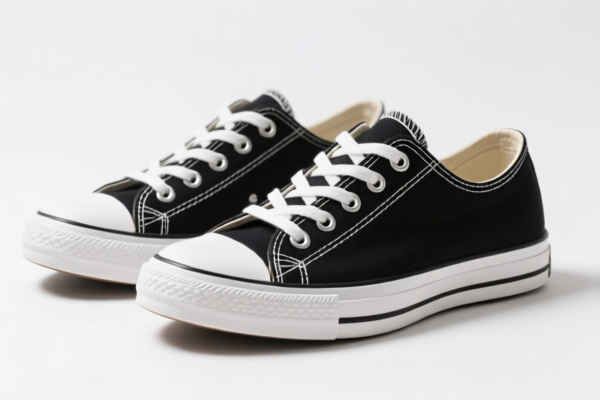
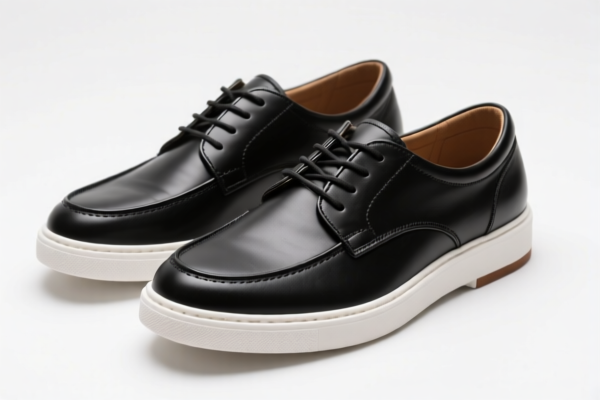
Product Images
AI Analysis
🥿 Footwear HS Code 6402.99.31.77 – Comprehensive Tariff & Customs Guide (2026 Update)
🌐 HS Code Reference & Customs Clearance Strategy | 2026 Latest Tariff Breakdown | Expert-Level Compliance Guide
📌 One: Product Definition & Classification – What Exactly Is This Shoe?
Footwear under HS Code 6402.99.31.77 refers to other footwear with rubber or plastic soles and uppers, falling into the general "catch-all" category for non-specific shoe types.
✅ Key Characteristics: - Outer sole: Made of rubber or plastic
- Upper: Made of rubber or plastic (not leather, textile, or other materials)
- No specific use (e.g., not athletic, not safety, not waterproof)
- Not covered by more specific subheadings (like6402.99.31.77’s siblings)⚠️ Critical Distinction: - If your shoe has leather or fabric uppers, even if the sole is rubber/plastic → Not this code. - If it’s waterproof, industrial safety, or athletic → Use a different HS code.
🔍 This code is a “fallback” classification — used when no more specific subheading applies.
📦 Two: HS Code Breakdown (2026 Official Tariff Table)
| HS Code | Product Description | Use Case | Material Match | Duty Rate |
|---|---|---|---|---|
6402.99.31.77 |
Other footwear with rubber or plastic soles and uppers | General-purpose casual shoes, slippers, children’s shoes, fashion footwear | ✅ Rubber/plastic sole + upper | 16.0% |
6402.99.79.90 |
Footwear with rubber/plastic soles and uppers, no specific use | Similar to above, but more generic | ✅ Rubber/plastic sole + upper | 90¢/pair + 37.5% + 10% |
6401.99.90.00 |
Parts of footwear, waterproof type | Sole, heel, insole, etc. | ✅ Waterproof component | 47.5% |
6401.92.90.60 |
Other waterproof footwear parts | Non-specific waterproof components | ✅ Waterproof | 55.0% |
6406.90.15.10 |
Other footwear parts (non-waterproof, general) | Laces, buckles, straps | ✅ General parts | 32.4% |
📌 Important Note:
6402.99.31.77is not the only option for rubber/plastic footwear — but it’s the default when no other subheading fits.
💰 Three: 2026 Tariff Breakdown – Full Tax Clause Analysis (U.S. Focus)
✅ Applicable Country: United States (US)
✅ Origin: China (CN)
✅ Effective Date: November 10, 2025 (and ongoing)
🎯 1. HS Code: 6402.99.31.77 – Other Rubber/Plastic Footwear
| Tax Component | Amount | Explanation |
|---|---|---|
| Base Duty | 6.0% | Standard tariff under U.S. HTSUS |
| Section 301 (USITC) Additional Duty | 0.0% | No 301 tariff applied here — unlike some other footwear |
| Section 122 (IEEPA) Emergency Tariff | 10.0% | Imposed under International Emergency Economic Powers Act (IEEPA) |
| Total Effective Duty | 16.0% | 6.0% + 10.0% = 16.0% |
| Tax Calculation | CIF Value × 16.0% | No per-unit fee (unlike 6402.99.79.90) |
| De Minimis Threshold | ❌ Not applicable | No 8% de minimis exemption for China-origin goods |
| Legal Basis Path | IEEPA:9903.01.24 → HTSUS:6402.99.31.77 → FOOTNOTE:9903.88.01 |
📌 Why 10% IEEPA?
- This is not a Section 301 (301) tariff — it’s a separate emergency tariff under IEEPA. - Applied to all China-origin goods under certain categories, including footwear. - Not subject to 301 tariff relief — even if the product is not on the 301 list, IEEPA still applies.🔥 Key Insight:
- While6402.99.31.77has no 301 tariff, it still carries 10% IEEPA. - This makes it higher than many other footwear codes, despite being “general”.
🛠️ Four: Customs Clearance Best Practices (Pro Tips to Avoid Penalties)
✅ 1. Documentation Checklist (Must-Have)
| Document | Required? | Why It Matters |
|---|---|---|
| ✅ Commercial Invoice | ✔️ | Must clearly state: “Footwear, rubber/plastic soles and uppers, not athletic or safety” |
| ✅ Packing List | ✔️ | Shows quantity, style, size, and material composition |
| ✅ Product Photos (with labels) | ✔️ | Show sole and upper materials clearly |
| ✅ Material Certifications | ✔️ | Proof of rubber/plastic composition (e.g., lab test, supplier statement) |
| ✅ Origin Certificate (CO) | ✔️ | If from Vietnam, Mexico, or other non-China country → may reduce or eliminate IEEPA |
| ✅ HS Code Pre-Ruling Request | ✔️ | Highly recommended to avoid post-import disputes |
✅ 2.申报技巧(申报口诀)
🔥 “Material First, Use Second, Code Last – Don’t Guess!”
| Scenario | Correct HS Code | Wrong Code | Risk |
|---|---|---|---|
| Rubber/plastic sole + rubber/plastic upper, no special use | 6402.99.31.77 |
6402.99.79.90 |
Higher tax (90¢/pair) |
| Waterproof shoe | 6401.92.90.60 |
6402.99.31.77 |
55% vs 16% → 4x higher |
| Shoe with leather upper | ❌ Not eligible | 6402.99.31.77 |
Misclassification → fines |
| Children’s rubber shoes | 6402.99.31.77 |
6402.99.79.90 |
Can be valid, but check duty cost |
✅ 3. Special Cases & Solutions
| Situation | Recommended Action |
|---|---|
| Shoes made in Vietnam/Mexico | Apply for IEEPA exemption — 0% IEEPA if origin is not China |
| Shoes with mixed materials (e.g., plastic sole + fabric upper) | Not eligible for 6402.99.31.77 → use 6402.99.79.90 or 6402.99.31.77 only if both are rubber/plastic |
| Shoes with logo or brand | Include brand name on invoice — but don’t rely on brand for classification |
| Bulk shipment with mixed styles | Group by material — don’t mix rubber/plastic with leather in one shipment |
🌍 Five: Global Customs Comparison (2026)
| Country | Recommended HS Code | Tariff | Certification | Notes |
|---|---|---|---|---|
| 🇺🇸 USA | 6402.99.31.77 |
16.0% (6% + 10% IEEPA) | None required | No 301, but IEEPA applies |
| 🇨🇳 China | 6402.99.31.77 |
5% | CCC (if required) | No IEEPA |
| 🇪🇺 EU | 6402.99.31.77 |
0% (if from non-China) | CE | No IEEPA or 301 |
| 🇦🇺 Australia | 6402.99.31.77 |
5% | RCM | No IEEPA |
| 🇯🇵 Japan | 6402.99.31.77 |
0% | PSE | No IEEPA |
📌 Takeaway:
- USA has the highest effective tariff due to IEEPA. - China-origin goods face 16% — not 6% — due to IEEPA. - Non-China origin = 0% IEEPA = only 6% duty.
📌 Six: Common Mistakes & How to Avoid Them (Real-World Risks)
❌ Mistake 1: Using 6402.99.31.77 for shoes with leather uppers
👉 Result: Misclassification → fines, delays, or seizure
❌ Mistake 2: Not declaring IEEPA on China-origin footwear
👉 Result: Post-import audit → back duties + penalties
❌ Mistake 3: Using 6402.99.79.90 for a non-per-unit-duty shoe
👉 Result: Paying 90¢/pair unnecessarily → wasted cost
❌ Mistake 4: Assuming all rubber/plastic shoes are the same
👉 Result: Wrong code → higher tax or rejection
✅ Best Practice:
Always verify: - Upper material (rubber/plastic only) - Sole material (rubber/plastic only) - Origin country - Use case (no special function)
🎯 Seven: Final Verdict – Smart Strategy for Success
✅ Use
6402.99.31.77only when: - Both sole and upper are rubber or plastic - No special use (e.g., safety, athletic, waterproof) - Not on a 301 list - Origin is China → expect 16.0% total duty🚫 Avoid this code if: - Upper is leather, fabric, or mixed - Sole is not rubber/plastic - Shoe is waterproof, safety, or athletic - Origin is China and you want to avoid IEEPA
📣 Call to Action: Stay Ahead of the Curve!
📞 Contact a U.S. Customs Broker + Request an HS Code Pre-Ruling
🚀 Get your product classified before shipment
💼 Save thousands in duties and avoid penalties
✨ Pro Tip:
If your shoes are made in Vietnam, Mexico, or Thailand, apply for IEEPA exemption — you can cut your U.S. tariff from 16% to 6%!
🎯 Final Rule of Thumb:
🔹 "Rubber/plastic uppers? Check the material.
🔹 China origin? IEEPA applies — 10% extra.
🔹 No special use? Use6402.99.31.77— but confirm with a pre-ruling!"
💼 Your product’s success starts with the right HS code.
📦 Don’t gamble on classification — get it right the first time!
Customer Reviews
About HS Code Classification
The Harmonized System (HS) is an internationally standardized nomenclature developed by the World Customs Organization (WCO) to classify traded products. Over 200 countries use the HS system as the basis for customs tariffs, trade statistics, and import/export regulations.
Each HS code follows a hierarchical structure:
- Chapter (2 digits) — Broad category of goods (e.g., Chapter 84: Machinery and Mechanical Appliances)
- Heading (4 digits) — More specific grouping within the chapter
- Subheading (6 digits) — Internationally standardized breakdown, used by all WCO member countries
- National subdivisions (8-10 digits) — Country-specific extensions for further classification, such as US HTSUS 10-digit codes
Correct HS code classification is essential for smooth customs clearance, accurate duty payment, and compliance with trade regulations. Misclassification can lead to customs delays, overpayment of duties, or penalties.
When importing from CN to US, the applicable tariff rates may include:
- Most-Favored-Nation (MFN) rate — The standard duty rate applied to WTO members
- General rate — Applied to countries without trade agreements
- Trade remedy duties — Additional tariffs such as Section 301 (anti-dumping), Section 232 (national security), or countervailing duties
The information provided on this page is for reference purposes only. For official classification, please consult with your local customs authority or a licensed customs broker.