footwear hs code 6405909030
CN → US| HS Code | Tariff Rate | Origin | Destination | Doc |
|---|---|---|---|---|
| 6405203060 | 17.5% | CN | US | Official Doc |
| 6405203080 | 17.5% | CN | US | Official Doc |
| 6402997990 | 0.0% | CN | US | Official Doc |
| 6402993177 | 16.0% | CN | US | Official Doc |
| 6403999071 | 20.0% | CN | US | Official Doc |
Product Images
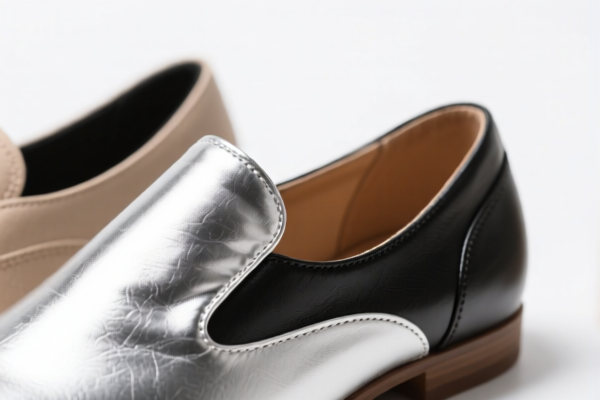
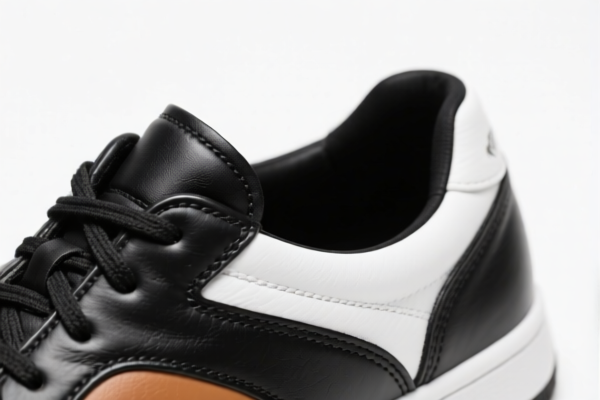
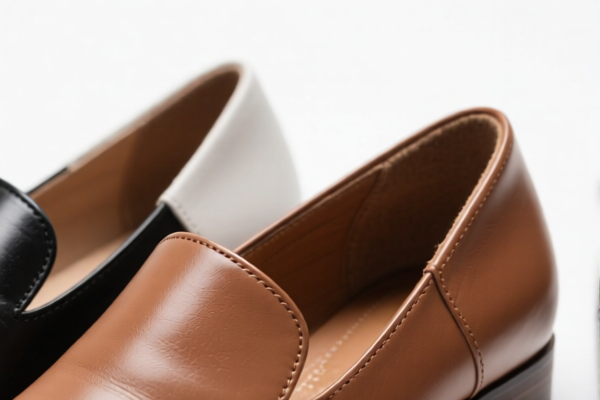
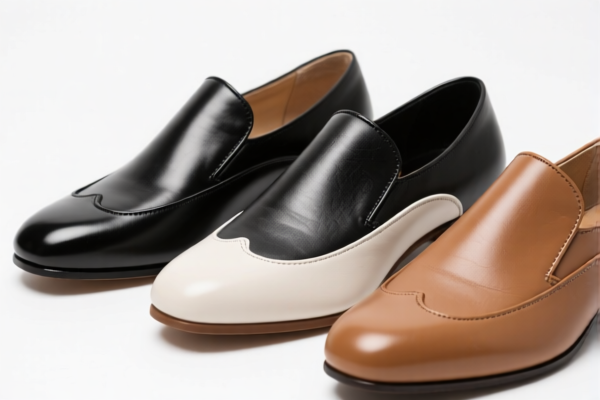
AI Analysis
🥿 Footwear: The "Plant Fiber & Textile" Complexity (HS Code 6405.20.30.x / 6402.99.x / 6403.99.x)
🌐 HS Code Reference & Clearance Guide | 2026 Latest Tariff Analysis | Professional Clearance Strategy
📌 One: Product Definition & Classification: Do You Really Understand "Footwear" Materials?
Footwear is a complex category in international trade, heavily dependent on sole material and upper material. The user provided HS Code 6405.90.90.30 (which generally refers to "Other footwear with soles of rubber, plastics, leather or composition leather"), BUT the provided <DATA> indicates a critical mismatch or specific scenario involving Plant Fibers and Textiles.
Based strictly on the provided <DATA>, the correct classification depends entirely on whether the shoe is made of Plant Fibers, Textiles, or Rubber/Plastic.
⚠️ Critical Distinction:
- If the upper is Plant Fiber (e.g., straw, bamboo fiber) → It does NOT belong to 6405.90.90.30. It belongs to 6405.20.30.60.
- If the upper is Textile (for specific women’s groups) → It belongs to 6405.20.30.80.
- If the upper and sole are Rubber/Plastic → It belongs to 6402.99.79.90 or 6402.99.31.77.
- If the sole is Plastic (general category) → It belongs to 6403.99.90.71.
📦 Two: HS Code Classification Details (From Provided )
| HS Code | Product Description (From ) | Applicable Scenario | Total Tax Rate |
|---|---|---|---|
6405.20.30.60 |
Footwear, material is plant fiber (reasonable inference based on product name) | Straw sandals, bamboo fiber shoes, eco-friendly plant-based uppers | 17.5% |
6405.20.30.80 |
Women's footwear, textile material upper, fits specific demographic range | Women's canvas shoes, textile sneakers (specific groups) | 17.5% |
6402.99.79.90 |
Footwear, rubber or plastic outer sole and upper, fully matches classification definition | Rubber rain boots, plastic sandals, PU leather shoes | 90¢/pr + 37.5% + 10.0% |
6402.99.31.77 |
Other footwear, outer sole and upper are rubber or plastic, no specific use conflict | General rubber/plastic footwear, sports shoes with rubber soles | 16.0% |
6403.99.90.71 |
Footwear, plastic sole, belongs to the "catch-all" category under footwear大类 | Plastic flip-flops, plastic-soled casual shoes | 20.0% |
🔍 Key Reminder:
- The user input6405.90.90.30is NOT in the provided<DATA>.
- If the product is indeed "Other footwear with soles of rubber/plastics/leather," it might fall under 6402 or 6403 in the provided data, depending on the upper material.
- Plant Fiber and Textile uppers are classified under 6405.20, NOT 6405.90.
💰 Three: 2026 Latest Tariff Rate Details (Including Surcharges, Policy Add-ons)
✅ Applicable Country: United States (US)
✅ Origin: China (CN)
✅ Effective Time: 2025/2026 (Based on tax details)
🎯 1. 6405.20.30.60 & 6405.20.30.80 —— Footwear (Plant Fiber / Textile Upper)
| Item | Content |
|---|---|
| Base Tariff | 7.5% |
| Additional Tariff | 0.0% |
| Section 122 Tariff | 10.0% |
| Total Tax Rate | 17.5% |
| Tax Calculation | CIF Value × 17.5% |
| De Minimis Eligibility | ❌ No (High tariff threshold usually blocks de minimis) |
| Legal Basis Path | Base: 7.5% → Sec 122: 10% → Total: 17.5% |
📌 Explanation:
- Section 122 Tariff (10%): This is a specific US trade remedy or surcharge often applied to certain textile/footwear products.
- Base Tariff (7.5%): Standard MFN rate for this subheading.
- No Additional Tariff (0%): Unlike some tech goods, these footwear items may not have a separate 25% Section 301 tariff listed in this specific data snippet (or it's bundled/different).
- Total: 17.5% is moderate compared to electronics, but still significant.
🎯 2. 6402.99.79.90 —— Rubber/Plastic Footwear (Complex Ad Valorem + Specific)
| Item | Content |
|---|---|
| Base Tariff | 90¢/pr. (Specific Duty) + 37.5% (Ad Valorem) |
| Additional Tariff | 0.0% |
| Section 122 Tariff | 10.0% |
| Total Tax Rate | 90¢/pr. + 37.5% + 10.0% |
| Tax Calculation | (CIF × 47.5%) + (90¢ × Quantity) |
| De Minimis Eligibility | ❌ No (Specific duty + high ad valorem) |
| Legal Basis Path | Base: 90¢+37.5% → Sec 122: 10% → Total: 90¢+47.5% |
📌 Explanation:
- This is a Hybrid Tariff: It charges both a fixed amount per pair (90 cents) AND a percentage (37.5%).
- Section 122 (10%) is added on top of the total value.
- Total Effective Rate: 47.5% + 90¢/pr. This is very high.
- Warning: If the shoe price is low (e.g., $2/pair), the 90¢ duty is 45% alone. Plus 47.5% ad valorem → Total tax can exceed 100% of value for cheap shoes!
🎯 3. 6402.99.31.77 —— Other Rubber/Plastic Footwear
| Item | Content |
|---|---|
| Base Tariff | 6.0% |
| Additional Tariff | 0.0% |
| Section 122 Tariff | 10.0% |
| Total Tax Rate | 16.0% |
| Tax Calculation | CIF Value × 16.0% |
| De Minimis Eligibility | ❌ No |
| Legal Basis Path | Base: 6.0% → Sec 122: 10% → Total: 16.0% |
📌 Explanation:
- Lower base rate (6.0%) compared to 6402.99.79.90.
- Still subject to Section 122 (10%).
- Total: 16.0% is more manageable than 47.5%.
🎯 4. 6403.99.90.71 —— Plastic Sole Footwear (Catch-All)
| Item | Content |
|---|---|
| Base Tariff | 10.0% |
| Additional Tariff | 0.0% |
| Section 122 Tariff | 10.0% |
| Total Tax Rate | 20.0% |
| Tax Calculation | CIF Value × 20.0% |
| De Minimis Eligibility | ❌ No |
| Legal Basis Path | Base: 10.0% → Sec 122: 10% → Total: 20.0% |
📌 Explanation:
- Highest base rate (10%) among the options.
- Total: 20.0% is straightforward and predictable.
🛠️ Four: Clearance Practical Advice (Real-World Pitfall Avoidance Guide)
✅ 1. Document Checklist (Missing Items = Delayed Release)
| Document | Mandatory | Notes |
|---|---|---|
| ✅ Product Photos | ✔️ | Must clearly show upper material (Plant fiber? Textile? Rubber?) and sole material. |
| ✅ Material Declaration | ✔️ | Specify % composition of upper (e.g., "100% Straw" vs "60% Cotton"). |
| ✅ Commercial Invoice | ✔️ | Must describe item accurately: "Women's Textile Shoes" NOT just "Shoes". |
| ✅ Packing List | ✔️ | Per pair count (critical for 6402.99.79.90's 90¢/pr duty). |
| ✅ HS Code Pre-Ruling | ✔️ | Highly recommended due to complexity of 6405 vs 6402 vs 6403. |
✅ 2. Declaration Tips (Key Mantras)
🔥 “Material Determines Code, Sole Matters Too, Plant Fiber is 6405.20, Rubber is 6402/6403!”
| Scenario | Correct Declaration | Wrong Practice |
|---|---|---|
| Plant Fiber Upper | 6405.20.30.60 |
Misdeclare as 6405.90 → Audit Risk |
| Textile Upper (Women) | 6405.20.30.80 |
Misdeclare as 6402 → Different Tax |
| Rubber/Plastic Upper & Sole | 6402.99.79.90 or 31.77 |
Misdeclare as 6403 → Underpayment Risk |
| Plastic Sole Only | 6403.99.90.71 |
Misdeclare as 6405 → Classification Error |
| Low-Cost Plastic Sandals | 6402.99.79.90 |
Ignore 90¢/pr → Severe Underpayment |
✅ 3. Special Handling Cases
| Scenario | Handling Advice |
|---|---|
| Mixed Materials | If upper is 50% textile, 50% plant fiber → Consult Customs. Usually, principal material determines HS. |
| Cheap Shoes (<$5/pair) | For 6402.99.79.90, the 90¢/pr duty is huge. Calculate total landed cost carefully. |
| Section 122 Impact | All items in have 10% Section 122 Tariff. This is additional to base rate. Do not forget it. |
| De Minimis (Section 321) | Most of these have high tariffs (16%-47.5%). Therefore, de minimis exemption ($800) does NOT apply. Full entry required. |
🌍 Five: Global Market Comparison (2026 Latest)
| Country/Region | Recommended HS Code (from ) | Tariff (China Origin) | Notes |
|---|---|---|---|
| 🇺🇸 USA | Varies (See Table) | 16% - 47.5% + 90¢ | High Section 122 (10%) applies to ALL. No de minimis. |
| 🇨🇳 China | Varies | ~0-10% | Lower base rates. No Section 122. |
| 🇪🇺 EU | 6402/6403/6405 | ~0-17.5% | Check TARIC. No Section 122 equivalent. |
| 🇬🇧 UK | 6402/6403/6405 | ~0-17.5% | Post-Brexit tariffs may differ. |
📌 Conclusion:
- USA is the most expensive market due to Section 122 (10%) and potential hyduties (90¢/pr).
- Accurate material description is critical. Misdeclaring plant fiber as rubber can lead to underpayment penalties.
📌 Six: Common Mistakes & Pitfall Guide (Blood Lessons)
❌ Mistake 1: Assuming all footwear is 6405.90.90.30
👉 Consequence: Wrong HS Code → Classification Error → Customs holds shipment, requests re-filing.
❌ Mistake 2: Ignoring the 90¢/pr duty in 6402.99.79.90
👉 Consequence: For a $2 shoe, 90¢ is 45%. Plus 47.5% = >90% tax. Profit margin destroyed.
❌ Mistake 3: Forgetting Section 122 Tariff (10%)
👉 Consequence: All items in have this. Missing it = Underpayment. Customs will demand back payment + interest.
❌ Mistake 4: Not specifying Upper Material
👉 Consequence: Customs cannot distinguish between 6405.20 (Plant/Textile) and 6402/6403 (Rubber/Plastic). Delay or rejection.
✅ Correct Practice:
"Women's Plant Fiber Sandals, Flat Sole, Outdoor Use, Model XYZ, FOB"
vs.
"Men's Rubber Rain Boots, Waterproof, Model ABC, FOB"
🎯 Seven: Conclusion: Professional Declaration Saves Money!
🎯 Remember the Mantra:
🔹 "Plant Fiber = 6405.20, Textile = 6405.20, Rubber/Plastic = 6402/6403."
🔹 "Section 122 is 10% on ALL. Don't forget it!"
🔹 "Check for 90¢/pr in 6402.99.79.90. Cheap shoes get expensive quickly!"
📌 Pro Tip:
If your footwear is not from China (e.g., Vietnam, India), verify if Section 122 or Base Rates differ.
Apply for an Advance Ruling (Pre-Ruling) from US CBP to lock in the HS Code and tariff before shipment.
📣 Immediate Action:
📞 Contact a licensed Customs Broker + Provide Material Specs + Request Pre-Ruling
🚀 Ensure your footwear clears smoothly, avoids penalties, and protects margins!
✨ Professional Clearance Starts with Precise Classification!
💼 Every Cent of Tax is Worth Calculating Precisely!
Customer Reviews
About HS Code Classification
The Harmonized System (HS) is an internationally standardized nomenclature developed by the World Customs Organization (WCO) to classify traded products. Over 200 countries use the HS system as the basis for customs tariffs, trade statistics, and import/export regulations.
Each HS code follows a hierarchical structure:
- Chapter (2 digits) — Broad category of goods (e.g., Chapter 84: Machinery and Mechanical Appliances)
- Heading (4 digits) — More specific grouping within the chapter
- Subheading (6 digits) — Internationally standardized breakdown, used by all WCO member countries
- National subdivisions (8-10 digits) — Country-specific extensions for further classification, such as US HTSUS 10-digit codes
Correct HS code classification is essential for smooth customs clearance, accurate duty payment, and compliance with trade regulations. Misclassification can lead to customs delays, overpayment of duties, or penalties.
When importing from CN to US, the applicable tariff rates may include:
- Most-Favored-Nation (MFN) rate — The standard duty rate applied to WTO members
- General rate — Applied to countries without trade agreements
- Trade remedy duties — Additional tariffs such as Section 301 (anti-dumping), Section 232 (national security), or countervailing duties
The information provided on this page is for reference purposes only. For official classification, please consult with your local customs authority or a licensed customs broker.