forearm trainer
CN → US| HS Code | Tariff Rate | Origin | Destination | Doc |
|---|---|---|---|---|
| 9506910030 | 22.1% | CN | US | Official Doc |
| 9503000090 | 10.0% | CN | US | Official Doc |
| 9503000073 | 10.0% | CN | US | Official Doc |
| 9506910010 | 22.1% | CN | US | Official Doc |
Product Images
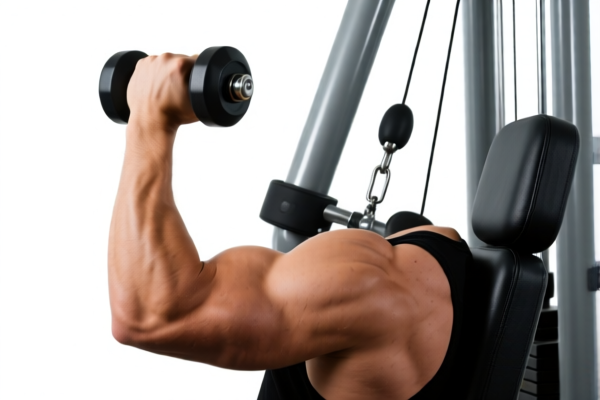
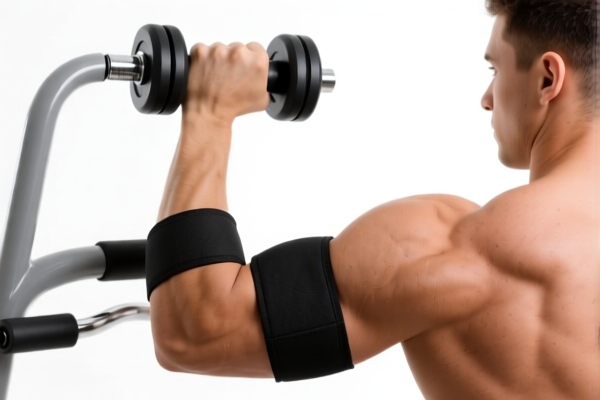
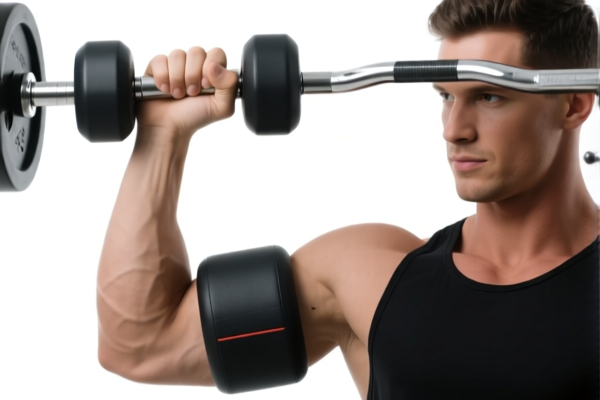
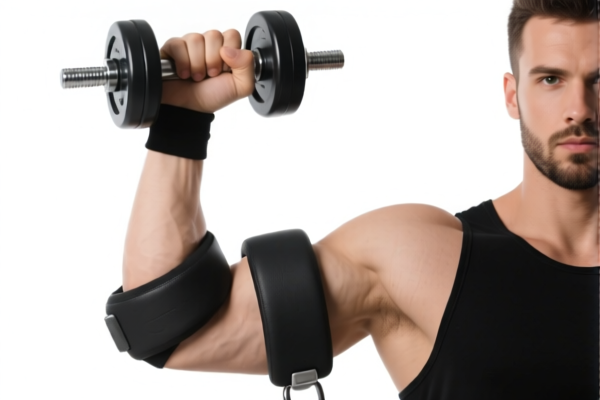
AI Analysis
💪 Forearm Trainer (Forearm Strengthener)
🌐 HS Code Reference & Customs Clearance Guide | 2026 Latest Tariff Analysis | Professional Clearance Strategy
📌 I. Product Definition & Classification: Do You Really Understand "Forearm Trainer"?
A Forearm Trainer is a specialized fitness device designed to strengthen the muscles of the forearm, wrist, and hand. In international trade, its classification hinges on two factors: function (is it for general sports or recreational play?) and material composition (non-metal vs. metal).
1. Recreational/Toy Category (9503): If the device is marketed as a "toy," "entertainment model," or made primarily of non-rigid materials (like plastic/rubber) without being classified as professional "sporting equipment," it may fall under Chapter 95.
2. Sporting Equipment Category (9506): If the device is explicitly designed for physical exercise, strength training, or gym use, it falls under Chapter 9506 ("Articles and equipment for general physical exercise").
⚠️ Key Distinction:
- If it is a simple plastic squeeze toy for kids or non-gym recreational use → 9503
- If it is a durable, weighted, or mechanical device for serious forearm conditioning/gym use → 9506
📦 II. HS Code Classification Details (2026 Latest Authorized Reference)
| HS Code | Product Description | Applicable Scenario | Material/Type Constraint |
|---|---|---|---|
9503.00.00.90 |
Other toys; reduced-size ("scale") models and similar recreational models | General recreational squeeze trainers; non-specific "Other" category | Non-metal, plastic, or undefined material |
9503.00.00.73 |
Other toys; reduced-size models (Plastic/Metal) | Forearm trainer classified as "Other" toy/entertainment model | Plastic or Metal (if not sporting gear) |
9506.91.00.10 |
Articles and equipment for general physical exercise | Forearm trainer explicitly for sports/fitness use | Metal, Aluminum, Copper, or General Sporting Use |
9506.91.00.30 |
Articles and equipment for general physical exercise | Forearm trainer for general physical exercise (Gym/Fitness) | Metal, Plastic, or General Sporting Use |
🔍 Critical Reminder:
- 9506 codes are for serious fitness equipment. If your product is sold in gyms, fitness stores, or marketed for "bodybuilding," use 9506.
- 9503 codes are for toys/recreation. Use only if the product is lightweight, plastic-heavy, and not intended for professional athletic training.
- Material Trigger: Codes9506.91.00.10and9506.91.00.30carry higher penalties if made of Steel, Aluminum, or Copper due to Section 232/122 tariffs.
💰 III. 2026 Latest Tariff Rate Breakdown (Including Additional Taxes & Policy Add-ons)
✅ Applicable Country: United States (US)
✅ Origin: China (CN)
✅ Effective Date: Current trade policies (Section 301 + Section 232 + Section 122)
🎯 1. 9503.00.00.90 —— Other Toys / Recreational Forearm Trainers
| Item | Content |
|---|---|
| Base Tariff | 0% |
| Section 301 Additional Tariff | 0% (No Section 301 applicable to this specific subheading for China origin in some contexts, or low impact) |
| Section 122 Tariff | +10% |
| Total Tariff | 10.0% |
| Tax Calculation | CIF Value × 10% |
| De Minimis Eligibility | ✅ Yes (Typically, toys under $800 may qualify, but verify current CBP rules) |
| Legal Basis Path | Section 122: 10% |
📌 Explanation:
- This code attracts a 10% Section 122 tariff (if applicable to the specific entry type) or standard trade remedies.
- No heavy Section 301 penalties apply here compared to steel/aluminum products.
- Best for: Plastic, lightweight, non-professional trainers.
🎯 2. 9503.00.00.73 —— Other Toys (Plastic/Metal)
| Item | Content |
|---|---|
| Base Tariff | 0% |
| Section 301 Additional Tariff | 0% |
| Section 122 Tariff | +10% |
| Total Tariff | 10.0% |
| Tax Calculation | CIF Value × 10% |
| De Minimis Eligibility | ✅ Yes (Subject to verification) |
| Legal Basis Path | Section 122: 10% |
📌 Note:
- Same tariff structure as 9503.00.00.90.
- Use this if the product is clearly a toy but made of metal or plastic components not covered by the "Other" category.
🎯 3. 9506.91.00.10 —— General Physical Exercise Equipment (Metal/Specific)
| Item | Content |
|---|---|
| Base Tariff | 4.6% |
| Section 301 Additional Tariff | +7.5% |
| Section 122 Tariff | +10% |
| Section 232 Tariff (Steel/Aluminum/Copper) | +50% (If made of Steel, Aluminum, or Copper) |
| Total Tariff | 22.1% (Standard) OR 72.1% (If Metal) |
| Tax Calculation | CIF Value × (22.1% or 72.1%) |
| De Minimis Eligibility | ❌ No (Deny de_minimis for sporting goods > $800) |
| Legal Basis Path | USITC: 9506.91.00.10 → Section 301: 7.5% → Section 122: 10% → Section 232: 50% (If Metal) |
📌 Warning:
- Base Rate: 4.6% + 7.5% + 10% = 22.1% for general fitness equipment.
- Metal Penalty: If the forearm trainer contains steel, aluminum, or copper parts, an additional 50% tariff is applied under Section 232/122.
- Effective Total for Metal: 4.6% + 7.5% + 10% + 50% = 72.1%!
- This is a HIGH-RISK code for metal products.
🎯 4. 9506.91.00.30 —— General Physical Exercise Equipment (General Use)
| Item | Content |
|---|---|
| Base Tariff | 4.6% |
| Section 301 Additional Tariff | +7.5% |
| Section 122 Tariff | +10% |
| Section 232 Tariff (Steel/Aluminum/Copper) | +50% (If made of Steel, Aluminum, or Copper) |
| Total Tariff | 22.1% (Standard) OR 72.1% (If Metal) |
| Tax Calculation | CIF Value × (22.1% or 72.1%) |
| De Minimis Eligibility | ❌ No |
| Legal Basis Path | USITC: 9506.91.00.30 → Section 301: 7.5% → Section 122: 10% → Section 232: 50% (If Metal) |
📌 Note:
- Same tariff structure as 9506.91.00.10.
- Crucial for Customs: If the product is marketed as "General Physical Exercise Equipment" but contains any steel/aluminum/copper, the 50% metal tariff applies.
- Plastic/Fiberglass trainers only pay 22.1%.
🛠️ IV. Customs Clearance Practical Advice (Real-World Pitfall Avoidance)
✅ 1. Preparation Checklist (Mandatory)
| Document | Required? | Description |
|---|---|---|
| ✅ Product Specification Sheet | ✔️ | Must detail: Weight, Material (Plastic vs. Metal), Resistance Level |
| ✅ Material Composition Statement | ✔️ | Critical: Explicitly state if the product contains Steel, Aluminum, or Copper. |
| ✅ Product Photos (Including Labels) | ✔️ | Clear images of the product, brand, model number, and any "For Gym Use" warnings. |
| ✅ Commercial Invoice | ✔️ | Description must match HS Code: e.g., "Plastic Forearm Exerciser" vs. "Steel Weighted Forearm Trainer" |
| ✅ Packing List | ✔️ | Show unit packaging to support De Minimis claims if applicable. |
✅ 2. Declaration Strategy (Key Mantras)
🔥 “Material Defines Tariff, Usage Defines Code!”
| Scenario | Correct Declaration | Wrong Approach |
|---|---|---|
| Plastic/Non-Metal Trainer | Use 9503 (Toy/Recreational) → 10% Tariff | Use 9506 → 22.1% Tariff |
| Metal Weighted Trainer | Use 9506 + Declare Metal Content → 72.1% Tariff | Hide metal content → Customs Penalty/Seizure |
| Gym-Grade Equipment | Use 9506.91.00.10/30 → 22.1% (if Plastic/Fiberglass) | Use 9503 → Misclassification Risk |
| Kit with Accessories | Declare as Set if principal use is exercise | Split into parts → Higher cumulative tax |
✅ 3. Special Case Handling
| Situation | Recommendation |
|---|---|
| Mixed Materials (Plastic + Metal Springs) | If metal components are essential for function, Section 232 (50%) may apply. Consult a customs broker for "Minimal Metal Content" exemption claims. |
| OEM Custom Trainers | Provide client design specs to prove if it's a "Toy" (9503) or "Sporting Good" (9506). |
| De Minimis Shipments (<$800) | Only eligible for 9503 codes. 9506 codes generally do not qualify for de minimis entry. |
| Pre-Clearance (ACE Portal) | Upload material data sheets to pre-validate HS Code and avoid Section 232 flags. |
🌍 V. Global Market Comparison (2026 Latest)
| Country/Region | Recommended HS Code | Tariff Rate | Certification Requirements | Notes |
|---|---|---|---|---|
| 🇺🇸 USA | 9506.91.00.10/30 |
22.1% ~ 72.1% | ASTM F963 (if Toy), CPSIA | High Risk for metal products. Section 232 adds 50%. |
| 🇨🇳 China | 9506.91.00.10 |
5-10% | CCC (if electronic) | Lower tariffs, no Section 301/122/232. |
| 🇪🇺 EU | 9506.91.00 |
0-4% | CE, REACH, RoHS | No major trade war tariffs. Focus on safety standards. |
| 🇬🇧 UK | 9506.91.00 |
0-4% | UKCA, RoHS | Post-Brexit rules, generally favorable. |
| 🇨🇦 Canada | 9506.91.00 |
0-6% | Health Canada Standards | No Section 232 equivalent. |
📌 Conclusion:
- USA is the most complex market due to layered tariffs (Base + 301 + 122 + 232).
- Metal content is the biggest cost driver. A $100 plastic trainer costs $22.10 in tax; a $100 metal trainer costs $72.10 in tax.
- Recommendation: If possible, use fiberglass, carbon fiber, or high-density plastic to avoid the 50% metal tariff under 9506.
📌 VI. Common Errors & Pitfall Guide (Lessons Learned)
❌ Error 1: Declaring a metal forearm trainer as 9503 (Toy) to avoid tariffs
👉 Consequence: Customs audit → Re-classification to 9506 + Back taxes + Penalties
❌ Error 2: Ignoring Section 232 on metal parts in 9506
👉 Consequence: Underpayment of 50% tariff → Seizure of goods
❌ Error 3: Using De Minimis for 9506 products
👉 Consequence: Entry rejected → Delayed shipment + Storage fees
❌ Error 4: Vague description "Exercise Tool"
👉 Consequence: Customs flags for review → 30-60 day delay
✅ Correct Declaration Example:
"Plastic Forearm Strengthener for General Physical Exercise, Model XYZ, No Metal Components, CE & ASTM Certified"
🎯 VII. Conclusion: Precision in Classification Saves Thousands!
🎯 Remember the Mantras:
🔹 “Plastic = 9503 (10%), Metal = 9506 (72.1%)!”
🔹 “If it’s for the Gym, it’s 9506. If it’s for the Kid, it’s 9503.”
🔹 “Metal Tariff is 50% Extra. Avoid it if possible.”
📌 Pro Tip:
If your forearm trainer contains steel or aluminum, consider:
1. Switching materials to plastic/fiberglass to drop to 22.1%.
2. Applying for an Exclusion under Section 232/301 (if available).
3. Pre-ruling with CBP to confirm if minor metal parts trigger the 50% tax.
📣 Immediate Action:
📞 Contact a licensed customs broker.
📄 Provide detailed Bill of Materials (BOM) showing metal vs. plastic content.
🚀 Avoid the 50% Metal Trap!
✨ Professional Clearance Starts with Precise Classification!
💼 Every Dollar Saved on Tariffs is Pure Profit!
Customer Reviews
About HS Code Classification
The Harmonized System (HS) is an internationally standardized nomenclature developed by the World Customs Organization (WCO) to classify traded products. Over 200 countries use the HS system as the basis for customs tariffs, trade statistics, and import/export regulations.
Each HS code follows a hierarchical structure:
- Chapter (2 digits) — Broad category of goods (e.g., Chapter 84: Machinery and Mechanical Appliances)
- Heading (4 digits) — More specific grouping within the chapter
- Subheading (6 digits) — Internationally standardized breakdown, used by all WCO member countries
- National subdivisions (8-10 digits) — Country-specific extensions for further classification, such as US HTSUS 10-digit codes
Correct HS code classification is essential for smooth customs clearance, accurate duty payment, and compliance with trade regulations. Misclassification can lead to customs delays, overpayment of duties, or penalties.
When importing from CN to US, the applicable tariff rates may include:
- Most-Favored-Nation (MFN) rate — The standard duty rate applied to WTO members
- General rate — Applied to countries without trade agreements
- Trade remedy duties — Additional tariffs such as Section 301 (anti-dumping), Section 232 (national security), or countervailing duties
The information provided on this page is for reference purposes only. For official classification, please consult with your local customs authority or a licensed customs broker.