forged steel shafts
CN → US| HS Code | Tariff Rate | Origin | Destination | Doc |
|---|---|---|---|---|
| 8483103010 | 37.5% | CN | US | Official Doc |
| 8483105000 | 35.0% | CN | US | Official Doc |
| 7326190010 | 87.9% | CN | US | Official Doc |
| 7326190080 | 87.9% | CN | US | Official Doc |
Product Images
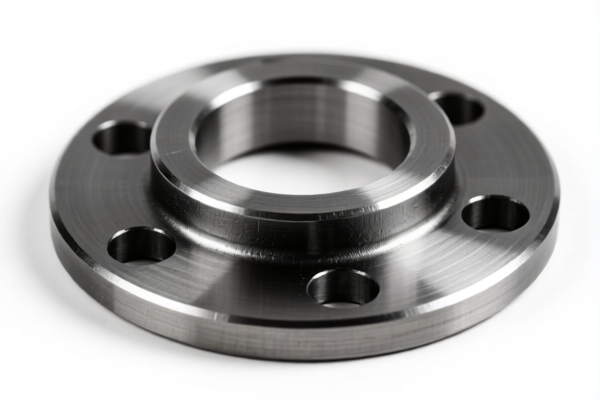
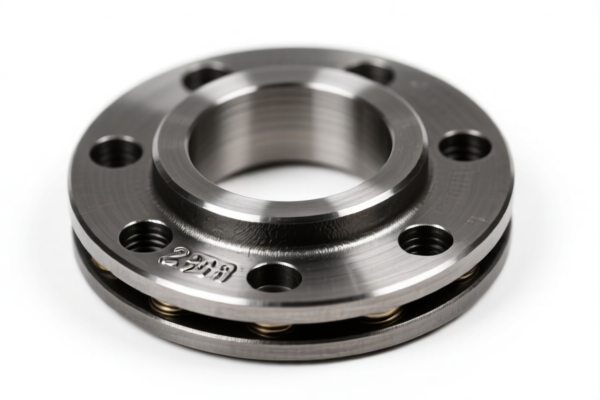
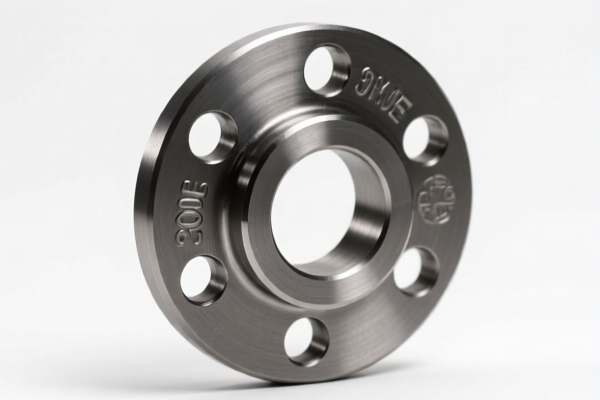
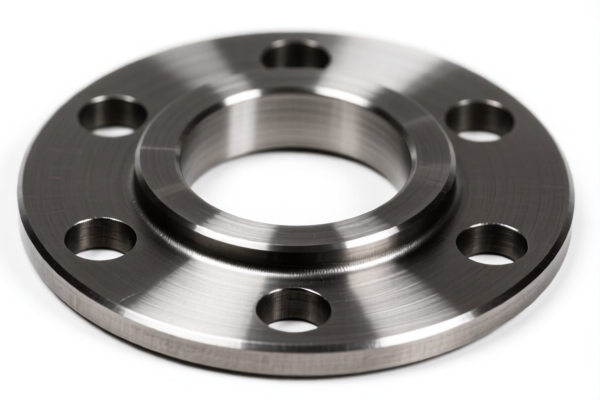
AI Analysis
⚙️ Forged Steel Shafts: Precision Classification & Duty Optimization | 2026 Customs Clearance Guide
🌐 HS Code Reference & Customs Strategy | Latest Tariff Breakdown | Professional Compliance Guide
📌 1. Product Definition: What Are "Forged Steel Shafts"?
In international trade, "Forged Steel Shafts" are broad terms that fall under two distinct HS Code categories depending on their final function and level of processing. Misclassification here can lead to drastic duty differences (0% vs. 77.9%) and customs delays.
Key Distinction: * General Forged Steel Articles (HS 7326.19): Generic forged or stamped steel items not further worked. These are often "semi-finished" or general-purpose parts. * Specific Transmission Components (HS 8483.10): Engineered shafts (crankshafts, camshafts) or other transmission shafts specifically designed for mechanical power transmission or vehicle use.
⚠️ Critical Note:
- If the shaft is a general industrial part without specific transmission engineering, it likely falls under 7326.19.
- If the shaft is a crankshaft, camshaft, or transmission shaft (even if generic), it falls under 8483.10.
- Vehicle-specific parts (e.g., crankshafts for cars) enjoy 0% duty, while general transmission shafts face 25% additional duties.
📦 2. HS Code Classification Matrix (2026 Official Tariff Data)
| HS Code | Product Description | Duty Rate | Key Criteria |
|---|---|---|---|
7326.19.00.10 |
Other articles of iron or steel: Forged or stamped, but not further worked: Other Forged | 50.0% | General forged steel items; no specific mechanical function defined; subject to 50% Steel/Aluminum/Copper surcharge. |
7326.19.00.80 |
Other articles of iron or steel: Forged or stamped, but not further worked: Other Other | 77.9% | Generic forged steel parts; includes 2.9% base + 25% additional + 50% steel surcharge. Highest risk category. |
8483.10.30.10 |
Transmission shafts...: Camshafts and crankshafts: Other For vehicles of chapter 87 | 0.0% | Exempt. Specific to automotive vehicles (Chapter 87). Includes crankshafts and camshafts for cars/trucks. |
8483.10.50.00 |
Transmission shafts...: Other transmission shafts and cranks | 25.0% | General transmission shafts (not vehicle-specific). Includes 25% additional duty. |
🔍 Focus Alert:
- Crankshafts/Camshafts for Cars: Zero duty (8483.10.30.10) — Optimal.
- General Forged Shafts: High duty (7326.19series) — Avoid if possible.
- Industrial Transmission Shafts: Moderate duty (8483.10.50.00) — Manageable.
💰 3. Detailed Tariff Analysis (2026 Rates)
🎯 1. 7326.19.00.10 — General Forged Steel Articles (High Risk)
| Item | Detail |
|---|---|
| Base Duty | 0.0% |
| Additional Duty | 0.0% |
| Steel/Al/Cu Surcharge | 50.0% |
| Total Duty | 50.0% |
| Explanation | This code captures "forged or stamped" steel items that are not further worked. It is a catch-all for generic forged parts. The 50% surcharge applies to most steel products from China. |
🎯 2. 7326.19.00.80 — Other Forged Steel Articles (Highest Risk)
| Item | Detail |
|---|---|
| Base Duty | 2.9% |
| Additional Duty | 25.0% |
| Steel/Al/Cu Surcharge | 50.0% |
| Total Duty | 77.9% |
| Explanation | If the item doesn't fit the "Other Forged" (...10) sub-category but is still a generic forged steel article, this default code applies. Avoid this code if your product can be classified more specifically. |
🎯 3. 8483.10.30.10 — Automotive Crankshafts/Camshafts (Zero Duty!)
| Item | Detail |
|---|---|
| Base Duty | 0.0% |
| Additional Duty | 0.0% |
| Steel/Al/Cu Surcharge | Not Applicable (Specific exemption for Chapter 87 parts) |
| Total Duty | 0.0% |
| Explanation | This is the most favorable code. It applies only to crankshafts and camshafts for vehicles classified in Chapter 87 (e.g., cars, trucks). Ensure your product is explicitly for automotive use. |
🎯 4. 8483.10.50.00 — General Transmission Shafts
| Item | Detail |
|---|---|
| Base Duty | 0.0% |
| Additional Duty | 25.0% |
| Steel/Al/Cu Surcharge | Not Applicable (Transmission shafts are excluded from the 50% steel surcharge) |
| Total Duty | 25.0% |
| Explanation | For shafts used in transmission systems but not for automotive Chapter 87 vehicles. Includes generic drive shafts, camshafts for non-vehicle engines, etc. |
🛠️ 4. Customs Clearance & Classification Advice
✅ 1. Documentation Requirements
To ensure correct classification and avoid the 77.9% or 50% rates, provide:
* Product Technical Specifications: Clearly state if it’s a crankshaft, camshaft, or transmission shaft.
* End-Use Declaration:
* "For automotive vehicles (Chapter 87)" → Qualifies for 8483.10.30.10 (0%).
* "For industrial machinery transmission" → Qualifies for 8483.10.50.00 (25%).
* "General forged steel part" → Only use 7326.19 if it truly doesn’t function as a transmission shaft.
* Engineering Drawings: Show key features (e.g., journals, throws, splines) that prove it’s a shaft, not a generic forged block.
* Commercial Invoice: Use precise descriptions like "Forged Crankshaft for Automobile Engine" rather than vague "Steel Shaft."
✅ 2. Classification Strategy (Best Practices)
| Scenario | Recommended HS Code | Duty | Why? |
|---|---|---|---|
| Crankshaft for Cars/Trucks | 8483.10.30.10 |
0.0% | Specific exemption for automotive parts. Best option. |
| Camshaft for Cars/Trucks | 8483.10.30.10 |
0.0% | Same as above. |
| Industrial Transmission Shaft | 8483.10.50.00 |
25.0% | Avoids the 50% steel surcharge. Lower than general forged codes. |
| Generic Forged Steel Block/Part | 7326.19.00.10 |
50.0% | If it’s not a shaft for transmission, this is the best of the bad options. |
| Generic Forged Steel Item (Other) | 7326.19.00.80 |
77.9% | Avoid. Only use if no other code fits. |
📌 Pro Tip:
- Do NOT use7326.19codes for shafts that have a defined mechanical function (transmission, rotation, power transfer). Customs may reclassify them under Chapter 84, leading to penalties.
- Do NOT use8483.10.30.10for non-vehicle parts. If your "crankshaft" is for a boat or generator, it must use8483.10.50.00.
✅ 3. Common Pitfalls & Avoidance
| Mistake | Consequence | Solution |
|---|---|---|
| Vague Description: "Steel Shaft" | Customs may default to 7326.19.00.80 → 77.9% |
Specify: "Forged Crankshaft for Automotive Engine" |
Misuse of Auto Code: Using 8483.10.30.10 for industrial parts |
Customs rejection + retroactive duties | Verify end-use. If not Chapter 87, use 8483.10.50.00 |
| Ignoring Surcharge: Assuming 0% base duty = 0% total | Missing the 50% steel surcharge on 7326.19 |
Remember: 7326.19.00.10 has 50% surcharge. |
| Over-specifying: Claiming "Camshaft" for a plain rod | Customs reclassification to general forging | Ensure the product meets the technical definition of a cam/crankshaft. |
🌍 5. Global Market Comparison (2026)
| Market | Recommended Code | Estimated Duty | Notes |
|---|---|---|---|
| 🇺🇸 USA | 8483.10.30.10 |
0.0% | Best for automotive crankshafts. |
| 🇺🇸 USA | 8483.10.50.00 |
25.0% | For general transmission shafts. |
| 🇨🇳 China | 8483.10.30.10 |
0.0% - 5% | Varies by free trade agreements. |
| 🇪🇺 EU | 8483.10.30.10 |
0.0% | Generally lower duties for automotive parts. |
| 🇲🇽 Mexico | 8483.10.30.10 |
0.0% | Beneficial under USMCA if rules of origin are met. |
📌 6. Conclusion & Action Plan
🎯 Key Takeaway:
"Define the Function, Avoid the General."
- If it’s an automotive crankshaft/camshaft → 0% Duty (8483.10.30.10).
- If it’s a general transmission shaft → 25% Duty (8483.10.50.00).
- If it’s a generic forged part → 50-77.9% Duty (7326.19).
✅ Immediate Actions:
1. Confirm End-Use: Is this shaft for a vehicle (Chapter 87) or industrial machinery?
2. Update Documentation: Ensure invoices and specs clearly state "Crankshaft" or "Transmission Shaft."
3. Apply Pre-Ruling: If uncertain, submit a Binding Tariff Information (BTI) or Advance Ruling to US Customs to lock in the 0% or 25% rate.
4. Avoid Generic Codes: Never use 7326.19.00.80 for functional shafts.
✨ Professional customs clearance starts with precise classification!
💼 Save up to 77.9% in duties by choosing the right HS Code!
Customer Reviews
About HS Code Classification
The Harmonized System (HS) is an internationally standardized nomenclature developed by the World Customs Organization (WCO) to classify traded products. Over 200 countries use the HS system as the basis for customs tariffs, trade statistics, and import/export regulations.
Each HS code follows a hierarchical structure:
- Chapter (2 digits) — Broad category of goods (e.g., Chapter 84: Machinery and Mechanical Appliances)
- Heading (4 digits) — More specific grouping within the chapter
- Subheading (6 digits) — Internationally standardized breakdown, used by all WCO member countries
- National subdivisions (8-10 digits) — Country-specific extensions for further classification, such as US HTSUS 10-digit codes
Correct HS code classification is essential for smooth customs clearance, accurate duty payment, and compliance with trade regulations. Misclassification can lead to customs delays, overpayment of duties, or penalties.
When importing from CN to US, the applicable tariff rates may include:
- Most-Favored-Nation (MFN) rate — The standard duty rate applied to WTO members
- General rate — Applied to countries without trade agreements
- Trade remedy duties — Additional tariffs such as Section 301 (anti-dumping), Section 232 (national security), or countervailing duties
The information provided on this page is for reference purposes only. For official classification, please consult with your local customs authority or a licensed customs broker.