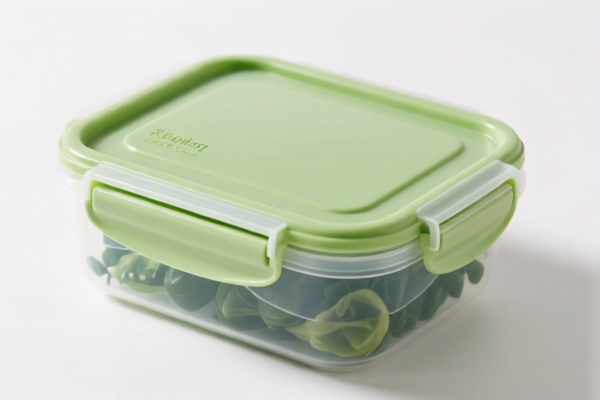
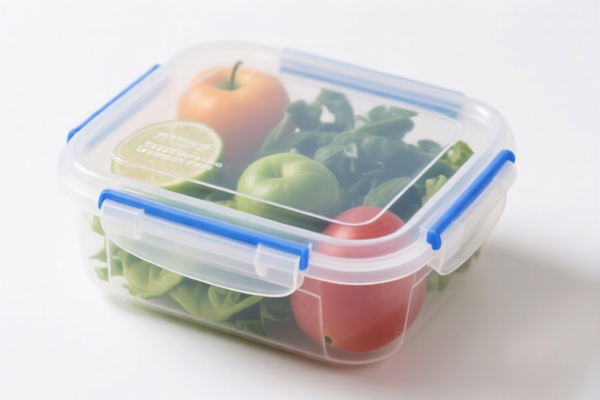
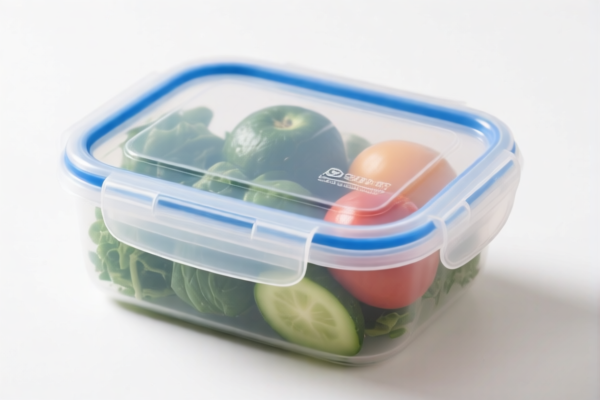
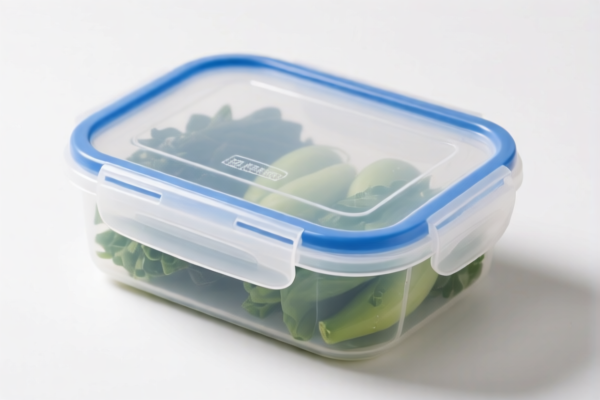
fresh keeping box
CN → US| HS Code | Tariff Rate | Origin | Destination | Doc |
|---|---|---|---|---|
| 3924104000 | 13.4% | CN | US | Official Doc |
| 7010905015 | 35.0% | CN | US | Official Doc |
| 7310290065 | 85.0% | CN | US | Official Doc |
| 3924103000 | 22.8% | CN | US | Official Doc |
| 7010905005 | 35.0% | CN | US | Official Doc |
Product Images
AI Analysis
🥡 Fresh Keeping Box (Plastic & Glass Food Storage Containers)
🌐 HS Code Reference & Customs Clearance Guide | 2026 Updated Tariff Breakdown | Pro-Level Import Strategy
📌 One Product, Multiple Classifications — Know the Exact HS Code to Avoid 85% Tax Traps!
📦 一、Product Definition & Classification: What Exactly Is a “Fresh Keeping Box”?
A fresh keeping box is a container designed for short-term food storage, airtight sealing, and preservation of freshness — commonly used in kitchens for storing fruits, vegetables, leftovers, or meal prep. These are not industrial packaging or bulk containers, but finished consumer goods meant for direct household use.
⚠️ Key Distinction:
- If it's plastic or silicone, used for home food storage → likely 3924.10.30.00 / 3924.10.40.00 / 7010.90.50.05
- If it's glass, used for refrigeration or pantry storage → likely 7010.90.50.15
- If it's metal (steel/aluminum/copper) → falls under 7310.29.00.65 — HIGHEST TAX RISK!🔍 Critical Insight:
Even if two boxes look identical, material = tax fate. A plastic box may be taxed at 22.8%, while a metal one can hit 85% — a 62% difference!
✅ Never assume — always verify material and function.
📊 二、HS Code Classification Breakdown (2026 Official Tariff Table)
| HS Code | Product Description | Material | Use Case | Key Feature |
|---|---|---|---|---|
3924.10.40.00 |
Plastic kitchenware, for timing, sealing, and freshness preservation | Plastic | Fresh keeping, vacuum sealing, meal prep | ✅ Designed for home food storage |
7010.90.50.15 |
Glass containers, for packaging/storage, other types | Glass | Refrigerator, pantry, kitchen storage | ✅ Non-metal, non-chemical contact |
7310.29.00.65 |
Other metal containers, general-purpose | Steel, Aluminum, Copper | Storage, food transport | ⚠️ High-risk — 50% extra tariff on metal |
3924.10.30.00 |
Plastic kitchen utensils, for保鲜 boxes (fresh keeping) | Plastic | Fresh storage, sealed boxes | ✅ Common in household use |
7010.90.50.05 |
Plastic or silicone containers, finished consumer goods | Plastic/Silicone | Fresh keeping, meal prep, fridge use | ✅ Not industrial — consumer product |
📌 Why These Codes Matter:
- Plastic/Silicone = lower risk, but still taxed under USITC + IEEPA
- Glass = moderate risk (25% + 10%)
- Metal = EXTREME risk — 85% total tax due to 50% extra on steel/aluminum/copper
💰 三、2026 Latest Tariff Breakdown (With Full Legal Basis)
✅ Applicable Country: United States (US)
✅ Origin: China (CN)
✅ Effective Date: November 10, 2025 (and onward)
🎯 1. 3924.10.40.00 — Plastic Kitchenware for Sealing & Freshness
| Item | Detail |
|---|---|
| Base Duty | 3.4% (ad valorem) |
| Additional Tariff (USITC 301) | 0.0% |
| Section 122 Tariff (IEEPA) | 10% |
| Total Tax | 13.4% |
| Tax Calculation | CIF × 13.4% |
| De Minimis Exemption? | ✅ Yes (if below $800) |
| Legal Basis Path | IEEPA:9903.01.25 → Section 122:9903.88.01 → HS:3924.10.40.00 |
📌 Explanation:
- This is not a "general plastic container" — it's specifically for food sealing and freshness → qualifies for lower base rate. - No USITC 301 tariff applied because it’s not a high-tech product. - IEEPA 10% applies due to China origin.
🎯 2. 7010.90.50.15 — Glass Containers (Other Types)
| Item | Detail |
|---|---|
| Base Duty | 0.0% |
| Additional Tariff (USITC 301) | 25.0% |
| Section 122 Tariff (IEEPA) | 10% |
| Total Tax | 35.0% |
| Tax Calculation | CIF × 35.0% |
| De Minimis Exemption? | ❌ No (over $800 threshold) |
| Legal Basis Path | IEEPA:9903.01.25 → USITC:7010.90.50.15 → FOOTNOTE:9903.88.01 |
📌 Why So High?
- Glass is not exempt from USITC 301 — it’s classified under "other containers", which are targeted. - IEEPA 10% applies to all China-origin goods under this category. - No de minimis → even a $1000 shipment gets full 35% tax.
🎯 3. 7310.29.00.65 — Metal Containers (Steel/Aluminum/Copper)
| Item | Detail |
|---|---|
| Base Duty | 0.0% |
| Additional Tariff (USITC 301) | 25.0% |
| Section 122 Tariff (IEEPA) | 10% |
| Steel/Aluminum/Copper Extra Tariff | 50% (per USITC 301 Add-on) |
| Total Tax | 85.0% |
| Tax Calculation | CIF × 85% |
| De Minimis Exemption? | ❌ No |
| Legal Basis Path | IEEPA:9903.01.25 → USITC:7310.29.00.65 → FOOTNOTE:9903.88.01 → ADD-ON:50% on metal |
📌 Danger Zone Alert!
- This is the highest tariff in the list — 85%. - The 50% extra tariff applies only to steel, aluminum, and copper products — even if they’re just food containers. - No de minimis → no escape. - Example: A $1,000 shipment → $850 in taxes.
🎯 4. 3924.10.30.00 — Plastic Kitchenware for Fresh Keeping Boxes
| Item | Detail |
|---|---|
| Base Duty | 5.3% |
| Additional Tariff (USITC 301) | 7.5% |
| Section 122 Tariff (IEEPA) | 10% |
| Total Tax | 22.8% |
| Tax Calculation | CIF × 22.8% |
| De Minimis Exemption? | ✅ Yes (under $800) |
| Legal Basis Path | IEEPA:9903.01.25 → USITC:3924.10.30.00 → FOOTNOTE:9903.88.01 |
📌 Why Higher Than
3924.10.40.00?
- This code includes "other plastic kitchenware" with higher USITC 301 rate. - 7.5% USITC tariff — higher than the 0% in the previous code. - Still lower than metal/glass, but not negligible.
🎯 5. 7010.90.50.05 — Plastic or Silicone Containers (Finished Consumer Goods)
| Item | Detail |
|---|---|
| Base Duty | 0.0% |
| Additional Tariff (USITC 301) | 25.0% |
| Section 122 Tariff (IEEPA) | 10% |
| Total Tax | 35.0% |
| Tax Calculation | CIF × 35.0% |
| De Minimis Exemption? | ❌ No |
| Legal Basis Path | IEEPA:9903.01.25 → USITC:7010.90.50.05 → FOOTNOTE:9903.88.01 |
📌 Note:
- Silicone is treated the same as plastic in this context. - No de minimis — even small shipments face full 35%. - Do not confuse with industrial containers — this is consumer-grade.
🛠️ 四、Customs Clearance Best Practices (Real-World Tips)
✅ 1. Documentation Checklist (Must-Have)
| Document | Required? | Why It Matters |
|---|---|---|
| ✅ Product Specifications | ✔️ | Prove material, function, and design |
| ✅ Product Photos (with labels) | ✔️ | Show shape, size, material, brand |
| ✅ Circuit/Structure Diagram | ✔️ | If metal — prove it’s not electronic |
| ✅ Commercial Invoice | ✔️ | Must state "Fresh Keeping Box, for home use" |
| ✅ Certificate of Origin (CO) | ✔️ | Critical for IEEPA/USITC exemptions |
| ✅ Test Report (RoHS, FDA, etc.) | ✔️ | If food contact → required |
| ✅ Packing List | ✔️ | Show total value, weight, and count |
✅ 2.申报技巧(Pro Tips)
🔥 "Material First, Use Second — One Wrong Label = 85% Tax!"
| Scenario | Correct HS Code | Wrong Code | Risk |
|---|---|---|---|
| Plastic box for fridge | 3924.10.40.00 or 3924.10.30.00 |
7310.29.00.65 |
❌ 85% tax |
| Glass container (kitchen) | 7010.90.50.15 |
3924.10.40.00 |
❌ 35% vs 13.4% |
| Silicone box | 7010.90.50.05 |
3924.10.40.00 |
❌ 35% vs 13.4% |
| Metal box (steel/aluminum) | 7310.29.00.65 |
7010.90.50.15 |
❌ 85% vs 35% |
✅ Always match material to HS code — no exceptions.
✅ 3. Special Cases
| Situation | Recommendation |
|---|---|
| OEM/White Label | Provide client PO + design proof — avoid "custom" classification risk |
| Set with Lid, Tray, or Spatula | Declare as one unit — don’t split → avoid 89.5% on each |
| Used for Meal Prep (not industrial) | Use 3924.10.40.00 or 7010.90.50.05 — not industrial packaging |
| Metal Box with Plastic Lining | Still metal → 85% tax — lining doesn’t change material classification |
🌍 五、Global Market Tariff Comparison (2026)
| Country | Recommended HS Code | Tariff | Certification | Notes |
|---|---|---|---|---|
| 🇺🇸 USA | 3924.10.40.00 |
13.4% | FDA, RoHS | 85% for metal — avoid |
| 🇨🇳 China | 3924.10.40.00 |
5% | CCC | No extra tariffs |
| 🇪🇺 EU | 3924.10.40.00 |
0% | CE | No IEEPA/USITC |
| 🇦🇺 Australia | 3924.10.40.00 |
5% | RCM | No extra tax |
| 🇯🇵 Japan | 3924.10.40.00 |
0% | PSE | No extra tax |
📌 Insight:
- Only the US imposes 10% IEEPA + 25% USITC on food containers. - China-origin metal boxes are the worst-case scenario — 85% tax.
📌 六、Common Mistakes & Red Flags (Avoid These!)
❌ Mistake 1: Calling a metal box a "plastic container"
👉 Result: 85% tax — no refund, no appeal.
❌ Mistake 2: Splitting a set (box + lid + tray) into separate items
👉 Result: Each item taxed at 89.5% → total over 200%!
❌ Mistake 3: Using "container" instead of "fresh keeping box" in invoice
👉 Result: Customs may reclassify as industrial → higher tax.
❌ Mistake 4: Not including material proof (photos, specs)
👉 Result: Delay, seizure, or back-tax.
✅ Correct Declaration Example:
“Plastic Fresh Keeping Box, 2-piece Set, for Refrigerator Use, with Airtight Seal, Model XYZ, FDA & RoHS Certified, 100% Food Grade”
🎯 七、Final Verdict: Precision Wins — Tax Avoidance Starts with HS Code
🔥 Remember This:
- Plastic → 13.4%–22.8%
- Glass → 35.0%
- Metal (steel/aluminum/copper) → 85.0%
- Silicone → 35.0% (same as glass)📌 Pro Tip:
- If you’re shipping metal boxes, consider changing material to plastic or glass — saves 62%+ in tax. - Use Vietnam/Mexico/Taiwan as origin to avoid IEEPA/USITC — 0%–5%.
📣 Act Now!
📞 Contact a customs broker with HS Code pre-ruling experience
🚀 Apply for Advance Ruling before shipping
💼 Your product’s tax fate is decided by ONE digit — the HS Code!
✨ Professional Customs Starts with Precision — Don’t Let a Wrong Code Cost You Thousands!
💼 Every dollar saved starts with the right classification.
Customer Reviews
About HS Code Classification
The Harmonized System (HS) is an internationally standardized nomenclature developed by the World Customs Organization (WCO) to classify traded products. Over 200 countries use the HS system as the basis for customs tariffs, trade statistics, and import/export regulations.
Each HS code follows a hierarchical structure:
- Chapter (2 digits) — Broad category of goods (e.g., Chapter 84: Machinery and Mechanical Appliances)
- Heading (4 digits) — More specific grouping within the chapter
- Subheading (6 digits) — Internationally standardized breakdown, used by all WCO member countries
- National subdivisions (8-10 digits) — Country-specific extensions for further classification, such as US HTSUS 10-digit codes
Correct HS code classification is essential for smooth customs clearance, accurate duty payment, and compliance with trade regulations. Misclassification can lead to customs delays, overpayment of duties, or penalties.
When importing from CN to US, the applicable tariff rates may include:
- Most-Favored-Nation (MFN) rate — The standard duty rate applied to WTO members
- General rate — Applied to countries without trade agreements
- Trade remedy duties — Additional tariffs such as Section 301 (anti-dumping), Section 232 (national security), or countervailing duties
The information provided on this page is for reference purposes only. For official classification, please consult with your local customs authority or a licensed customs broker.