fresh keeping set
CN → US| HS Code | Tariff Rate | Origin | Destination | Doc |
|---|---|---|---|---|
| 3924901050 | 13.3% | CN | US | Official Doc |
| 3924104000 | 13.4% | CN | US | Official Doc |
| 3923500000 | 40.3% | CN | US | Official Doc |
| 3923210095 | 38.0% | CN | US | Official Doc |
| 3919102055 | 40.8% | CN | US | Official Doc |
| 3919905060 | 40.8% | CN | US | Official Doc |
Product Images
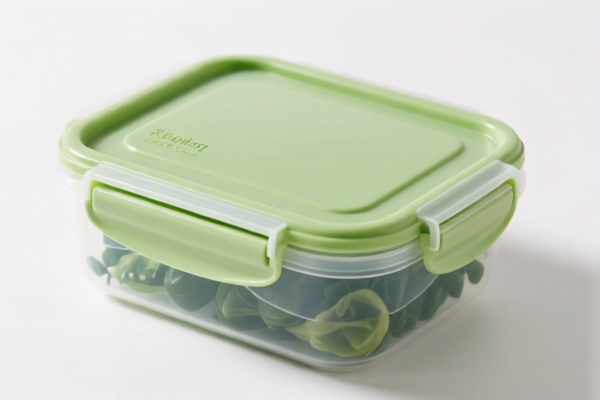
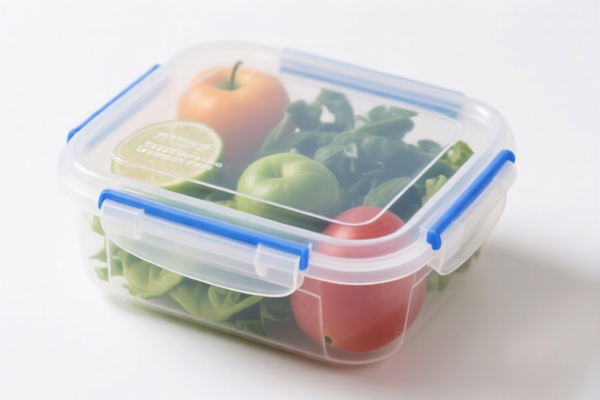
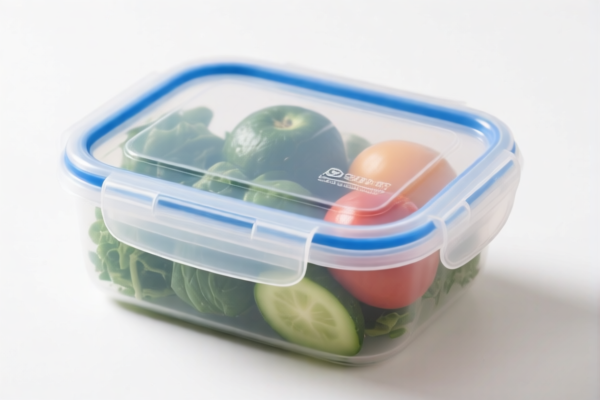
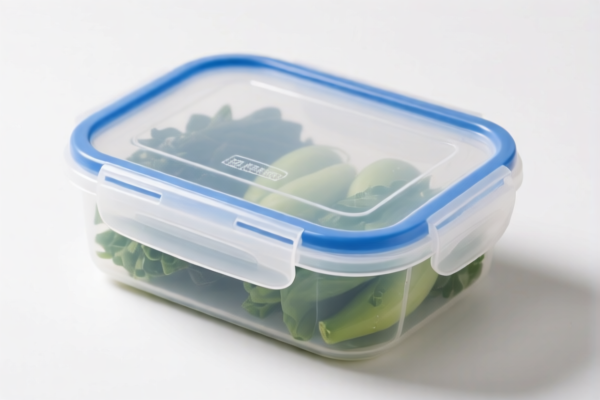
AI Analysis
🧊 Fresh Keeping Set (Food Storage & Preservation Kits)
🌐 HS Code Reference & Customs Clearance Guide | 2026 Latest Tariff Analysis | Strategic Clearance Strategy
📌 I. Product Definition & Classification: What Exactly is a "Fresh Keeping Set"?
A "Fresh Keeping Set" typically refers to a collection of items designed to preserve food freshness, extend shelf life, or organize food storage. In international trade, these products are generally categorized based on their material (usually plastic, silicone, or glass) and their primary function (packaging vs. household use).
The core challenge in classification lies in distinguishing between "Packaging Materials" (HS Chapter 39, Section 3923/3919) and "Household Articles/Coverings" (HS Chapter 39, Section 3924).
⚠️ Key Distinction Point:
- If the items are primarily for wrapping, sealing, or protecting goods during transport/storage (e.g., plastic wrap, bags, containers with lids intended for commercial packing) → Often classified under 3923 or 3919.
- If the items are primarily for domestic use, tableware, or kitchen organization (e.g., food containers, cling film for home use, silicone mats) → Often classified under 3924 or 3924/3919 depending on form.
📦 II. HS Code Classification Details (Based on Provided Data)
| HS Code | Product Description | Application Scenario | Material/Form Inference |
|---|---|---|---|
3924.90.10.50 |
Other household articles and toilet articles, plastics | Home textile/covering category; household storage | Plastic, household use |
3924.10.40.00 |
Toilet articles, kitchenware, etc., of plastics | Kitchen/Household items; other manufactured goods | Plastic, kitchenware |
3923.50.00.00 |
Articles for the conveyance or packing of goods | Fresh-keeping/packaging; preservation materials | Plastic, packaging use |
3923.21.00.95 |
Sacks and bags, of polymers of ethylene | Packaging goods; flexible packaging | PE/PVC polymers, bags |
3919.10.20.55 |
Self-adhesive plates, sheets, film, etc. | Plastic film/roll; self-adhesive types | Plastic film, roll format |
3919.90.50.60 |
Other plates, sheets, film, etc. | Plastic flat shapes/film | Plastic film, non-self-adhesive |
🔍 Key Reminder:
- Packaging-focused sets (e.g., commercial-grade cling wrap, large storage bags) lean towards 3923 or 3919.
- Household/Kitchen-focused sets (e.g., bento boxes, reusable containers, small rolls of household cling film) lean towards 3924.
- Misclassification Risk: Declaring kitchen containers as "packaging" or vice versa can lead to significant duty differences due to Section 122 tariffs.
💰 III. 2026 Latest Tariff Rate Breakdown (Including Add-on Taxes & Policy Surcharges)
✅ Applicable Country: United States (US)
✅ Country of Origin: China (CN)
✅ Effective Date: 2025/2026 Import Period
🎯 1. 3924.90.10.50 — Household Articles (Home Use)
| Item | Content |
|---|---|
| Base Tariff | 3.3% (ad valorem) |
| Section 301 Surcharge | 0.0% |
| Section 122 Surcharge | +10% (Targeting China-origin goods) |
| Total Effective Rate | 13.3% |
| Tax Calculation | CIF Value × 13.3% |
| De Minimis Eligibility | ❌ No (Subject to high tariffs) |
| Legal Basis Path | HTSUS:3924.90.10.50 → Section 122: 10% |
📌 Explanation:
- This code is ideal for home-use plastic storage containers, lids, or non-commercial kitchenware.
- The 13.3% rate is relatively low compared to packaging codes.
- Section 122 (10%) applies regardless of Section 301 status for specific Chinese goods.
🎯 2. 3924.10.40.00 — Kitchenware/Toilet Articles (Plastic)
| Item | Content |
|---|---|
| Base Tariff | 3.4% (ad valorem) |
| Section 301 Surcharge | 0.0% |
| Section 122 Surcharge | +10% |
| Total Effective Rate | 13.4% |
| Tax Calculation | CIF Value × 13.4% |
| De Minimis Eligibility | ❌ No |
| Legal Basis Path | HTSUS:3924.10.40.00 → Section 122: 10% |
📌 Note:
- Slightly higher base rate than3924.90.10.50.
- Suitable for plastic kitchen utensils, food containers, or specialized household plastic goods.
- Still considered low tariff compared to packaging categories.
🎯 3. 3923.50.00.00 — Articles for Packing/Conveyance
| Item | Content |
|---|---|
| Base Tariff | 5.3% (ad valorem) |
| Section 301 Surcharge | +25.0% |
| Section 122 Surcharge | +10% |
| Total Effective Rate | 40.3% |
| Tax Calculation | CIF Value × 40.3% |
| De Minimis Eligibility | ❌ No |
| Legal Basis Path | HTSUS:3923.50.00.00 → Section 301: 25% → Section 122: 10% |
📌 Critical Warning:
- This code applies if the goods are considered "packaging materials" (e.g., large rolls of plastic wrap, bulk storage bags).
- 40.3% is a very high tariff.
- The 25% Section 301 tariff is the main driver.
- Avoid this classification unless the product is clearly for industrial/commercial packaging.
🎯 4. 3923.21.00.95 — Sacks & Bags (Ethylene Polymers)
| Item | Content |
|---|---|
| Base Tariff | 3.0% (ad valorem) |
| Section 301 Surcharge | +25.0% |
| Section 122 Surcharge | +10% |
| Total Effective Rate | 38.0% |
| Tax Calculation | CIF Value × 38.0% |
| De Minimis Eligibility | ❌ No |
| Legal Basis Path | HTSUS:3923.21.00.95 → Section 301: 25% → Section 122: 10% |
📌 Note:
- Applies to plastic bags/sacks (PE/PVC).
- 38.0% is also high due to Section 301.
- Do not classify standard food storage containers as "bags" unless they are genuinely flexible sacks.
🎯 5. 3919.10.20.55 — Self-Adhesive Plastic Film
| Item | Content |
|---|---|
| Base Tariff | 5.8% (ad valorem) |
| Section 301 Surcharge | +25.0% |
| Section 122 Surcharge | +10% |
| Total Effective Rate | 40.8% |
| Tax Calculation | CIF Value × 40.8% |
| De Minimis Eligibility | ❌ No |
| Legal Basis Path | HTSUS:3919.10.20.55 → Section 301: 25% → Section 122: 10% |
📌 Warning:
- Applies to self-adhesive films (e.g., certain cling wraps, labels).
- 40.8% is the highest rate in this dataset.
- Only use if the product is definitively a self-adhesive plastic film.
🎯 6. 3919.90.50.60 — Other Plastic Film
| Item | Content |
|---|---|
| Base Tariff | 5.8% (ad valorem) |
| Section 301 Surcharge | +25.0% |
| Section 122 Surcharge | +10% |
| Total Effective Rate | 40.8% |
| Tax Calculation | CIF Value × 40.8% |
| De Minimis Eligibility | ❌ No |
| Legal Basis Path | HTSUS:3919.90.50.60 → Section 301: 25% → Section 122: 10% |
📌 Note:
- Applies to non-self-adhesive plastic films (e.g., large rolls of plastic wrap).
- Same 40.8% high tariff rate.
- Distinguish from household containers (3924) to save ~27% in duties.
🛠️ IV. Customs Clearance Practical Advice (Real-World Pitfall Guide)
✅ 1. Material Declaration is Critical
| Factor | Recommendation |
|---|---|
| Primary Use | Clearly state: "For household food storage" vs. "For industrial packaging" |
| Material | Specify: "Food-grade PVC," "PE," "PP," or "Silicone-coated plastic" |
| Form | Define: "Containers," "Bags," "Rolls/Film," or "Self-adhesive sheets" |
| Set Composition | If a "Set," declare the principal component (usually the container or the film) |
📌 Key Tip:
- If your "Fresh Keeping Set" includes rigid containers (Tupperware-style), always try to classify under 3924 (3924.90.10.50or3924.10.40.00) to benefit from the ~13% rate.
- Do not let customs classify it as "film" (3919) or "bags" (3923) unless it is purely flexible packaging.
✅ 2. Declaration Strategy (Golden Rules)
🔥 “Containers Go to 3924, Film & Bags Go to 3919/3923!”
| Scenario | Correct HS Code | Incorrect HS Code | Duty Impact |
|---|---|---|---|
| Rigid food containers with lids | 3924.90.10.50 / 3924.10.40.00 |
3923.50.00.00 |
Saves ~27% (13.3% vs 40.3%) |
| Household cling film (small rolls) | 3924.10.40.00 (if deemed kitchenware) or 3919 (if pure film) |
3923.21.00.95 |
Saves ~27% if classified as household item |
| Bulk plastic bags for storage | 3923.21.00.95 |
3924.90.10.50 |
Must use 38% if clearly bags |
| Self-adhesive food labels | 3919.10.20.55 |
3924.10.40.00 |
Must use 40.8% if adhesive film |
⚠️ Common Mistake:
Declaring plastic food containers as "packaging materials" (3923) results in paying 40% duty instead of 13%.
Solution: Provide product photos showing rigid structure, lids, and kitchen use.
✅ 3. Special Considerations
| Situation | Handling Advice |
|---|---|
| Mixed Sets (Containers + Film) | Declare the principal item (usually containers). If film is included, it may be ancillary. |
| Silicone vs. Plastic | If made of silicone, different HS codes may apply. Confirm material certificate. |
| Commercial vs. Household | If sold to restaurants in bulk, customs may still classify as 3924 if it's "kitchenware," but be prepared to justify. |
| Gift Sets | Ensure the set is marketed as "Household/Kitchen Use," not "Packaging Supplies." |
🌍 V. Global Market Clearance Comparison (2026 Update)
| Country/Region | Recommended HS Code | Tariff (China Origin) | Certification | Notes |
|---|---|---|---|---|
| 🇺🇸 USA | 3924.90.10.50 |
13.3% | FDA LFGB (if food contact) | Lowest Duty Option |
| 🇨🇳 China | 3924.90.10.50 |
~10% | GB Standards | No Section 122/301 |
| 🇪🇺 EU | 3924.10.00 |
0% | EU Food Contact Reg. | Low duty, strict safety |
| 🇯🇵 Japan | 3924.90.00 |
0-5% | Japan LF Standards | Low duty |
📌 Conclusion:
- The USA is the most expensive market due to Section 301 (25%) and Section 122 (10%) on packaging/film codes.
- Strategic Move: Classify rigid storage items as Household Articles (3924) to reduce US duty from 40% to 13%.
📌 VI. Common Errors & Pitfalls (Blood & Tears Lessons)
❌ Error 1: Declaring plastic food containers as "Plastic Bags" (3923)
👉 Consequence: Duty jumps from 13.3% to 38.0%.
👉 Fix: Emphasize "Rigid Containers" and "Kitchen Use" in description.
❌ Error 2: Declaring small household cling film rolls as "Industrial Film" (3919)
👉 Consequence: Duty jumps from 13.4% to 40.8%.
👉 Fix: Specify "Household Kitchen Use" and "Small Roll Format."
❌ Error 3: No material declaration
👉 Consequence: Customs may downgrade to highest duty category.
👉 Fix: Always include "Food-Grade Plastic, PP/PE" in description.
✅ Correct Declaration Example:
"Plastic Food Storage Containers Set, Household Kitchen Use, Food-Grade PP Material, Includes Lids, Not for Industrial Packaging"
➡️ Recommended HS:3924.90.10.50or3924.10.40.00
🎯 VII. Conclusion: Strategic Classification Saves Money!
🎯 Remember This Rule:
🔹 "Rigid Containers = 3924 (13%) | Flexible Bags/Film = 3923/3919 (38-41%)"
🔹 "Household Use vs. Packaging Use" determines your destiny!
🔹 "13% vs. 40% = 27% Savings per Dollar!"
📌 Pro Tip:
If your product is primarily rigid containers with some film included, declare it as Household Kitchenware. Provide photos showing the containers' structure. This simple change can save your company thousands of dollars in duties on every shipment.
📣 Immediate Action:
📞 Contact your freight forwarder with product photos and intended use description.
📝 Apply for HS Code Advance Ruling if shipment value is high.
🚀 Classify Smart, Save Big, Clear Fast!
✨ Precise Classification, Maximum Profit!
💼 Your Duty Bill Should Reflect the Product, Not the Fear!
Customer Reviews
About HS Code Classification
The Harmonized System (HS) is an internationally standardized nomenclature developed by the World Customs Organization (WCO) to classify traded products. Over 200 countries use the HS system as the basis for customs tariffs, trade statistics, and import/export regulations.
Each HS code follows a hierarchical structure:
- Chapter (2 digits) — Broad category of goods (e.g., Chapter 84: Machinery and Mechanical Appliances)
- Heading (4 digits) — More specific grouping within the chapter
- Subheading (6 digits) — Internationally standardized breakdown, used by all WCO member countries
- National subdivisions (8-10 digits) — Country-specific extensions for further classification, such as US HTSUS 10-digit codes
Correct HS code classification is essential for smooth customs clearance, accurate duty payment, and compliance with trade regulations. Misclassification can lead to customs delays, overpayment of duties, or penalties.
When importing from CN to US, the applicable tariff rates may include:
- Most-Favored-Nation (MFN) rate — The standard duty rate applied to WTO members
- General rate — Applied to countries without trade agreements
- Trade remedy duties — Additional tariffs such as Section 301 (anti-dumping), Section 232 (national security), or countervailing duties
The information provided on this page is for reference purposes only. For official classification, please consult with your local customs authority or a licensed customs broker.