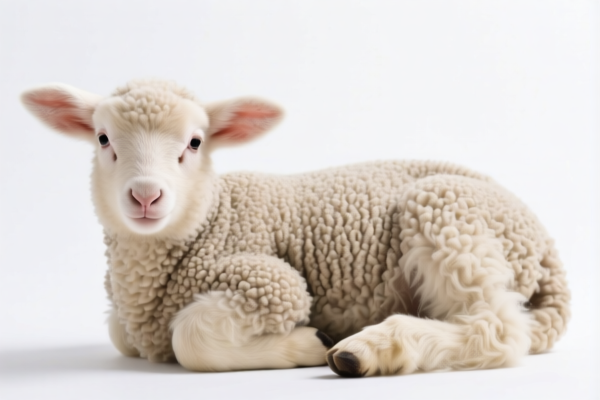
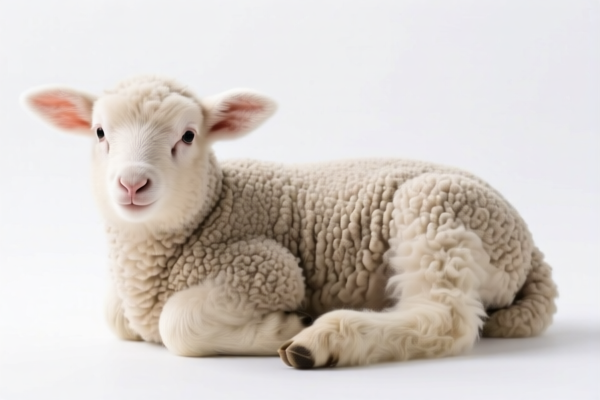
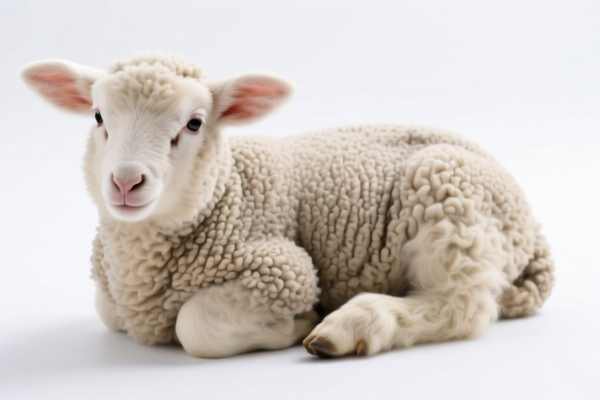
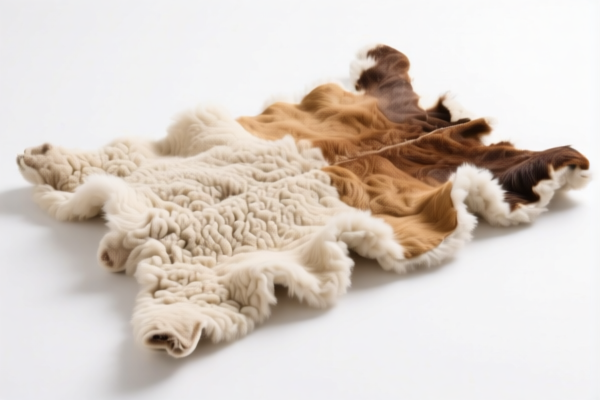
fresh lambskins with wool
CN → US| HS Code | Tariff Rate | Origin | Destination | Doc |
|---|---|---|---|---|
| 4301300000 | 10.0% | CN | US | Official Doc |
| 4102103000 | 12.0% | CN | US | Official Doc |
| 4301900000 | 10.0% | CN | US | Official Doc |
| 4102101000 | 17.5% | CN | US | Official Doc |
| 5101111000 | 35.0% | CN | US | Official Doc |
Product Images
AI Analysis
🐑 Fresh Lambskins with Wool (Raw Sheepskins with Wool)
🌐 HS Code Reference & Customs Clearance Guide | 2026 Latest Tariff Analysis | Professional Strategy for Raw Animal Hides
📌 I. Product Definition: What Exactly Are "Fresh Lambskins with Wool"?
Fresh Lambskins with Wool (also known as Raw Sheepskins with Wool or "Green Skins") refer to the skins of lambs or young sheep that have been removed from the animal but have not yet undergone tanning or preservation processing. They are characterized by: 1. Wool Retention: The fiber remains firmly attached to the skin. 2. Raw State: The protein structure is still in its natural, untreated state (prone to rapid decomposition if not chilled/frozen immediately). 3. Primary Form: These are intermediate goods, typically sold to tanneries for further processing into leather (shearling, lambskin leather) or fur goods.
⚠️ Key Distinction:
- If the wool has been shorn (removed), it is classified as "Sheepskin" (Chapter 41), NOT Chapter 43.
- If the wool is intact, the product falls under Chapter 43 (Furskins and Artificial Fur).
- State of Preservation: "Fresh" implies chilled or frozen. If dried/salted without wool, it might be Chapter 41. With wool, it is strictly Chapter 43 or a fallback to 41 depending on specific customs interpretation of "primary form."
📦 II. HS Code Classification Details (2026 Authoritative Mapping)
Based on the provided data, there are 5 potential HS Codes depending on how customs authorities interpret the "material nature" and "form" of the raw skin. This ambiguity is the primary risk factor for importers.
| HS Code | Product Description & Rationale | Tax Rate | Tax Detail Breakdown |
|---|---|---|---|
| 4301.30.00.00 | Raw Sheepskins with Wool (Primary Category) Material: Sheepskin with wool. Form: Raw fur/skin. Rationale: Matches the specific category for lambskins and similar fur skins. This is the most accurate classification for wool-bearing skins. |
10.0% | Base: 0.0% Add-on: 0.0% Section 301 (122 Clause): 10% |
| 4301.90.00.00 | Other Furskins (Catch-all for Chapter 43) Material: Wool-bearing skin. Rationale: Falls under "Other" furskins if not explicitly listed under 4301.30. Often used if 4301.30 is deemed too specific or if interpretation varies. |
10.0% | Base: 0.0% Add-on: 0.0% Section 301 (122 Clause): 10% |
| 4102.10.30.00 | Raw Sheepskins (Fallback/General) Material: Sheepskin class. Form: Un-tanned raw skin. Rationale: Used if customs argues the wool content is incidental or if the "fur" classification is contested. A broader "other" category under Chapter 41. |
12.0% | Base: 2.0% Add-on: 0.0% Section 301 (122 Clause): 10% |
| 4102.10.10.00 | Raw Sheepskins/Lambskins (Specific Chapter 41) Material: Sheep/Lamb skin. Form: Un-pre-tanned primary form. Rationale: Applies if the skin is classified as "hides" (Chapter 41) rather than "furskins" (Chapter 43). Higher tax due to higher base/add-on rates. |
17.5% | Base: 0.0% Add-on: 7.5% Section 301 (122 Clause): 10% |
| 5101.11.10.00 | Raw Wool (Misclassification Risk) Material: Uncombed wool/fiber. Form: Primary raw fiber. Rationale: HIGH RISK. Only applies if the skin is considered waste or if the wool is separated and sold as raw fiber. Do not use for intact skins with wool attached. |
35.0% | Base: 0.0% Add-on: 25.0% Section 301 (122 Clause): 10% |
🔍 Critical Insight:
- Codes 4301.30 and 4301.90 are the most appropriate for "Fresh Lambskins with Wool" because Chapter 43 specifically covers Furskins, which inherently includes skins with their wool/fur intact. - Code 5101.11.10 is likely a misclassification for intact skins. It is reserved for raw wool fibers. Using this code invites severe penalties for incorrect declaration. - Codes 4102.x0 are fallbacks. If customs insists the product is a "hide" rather than a "fur," they may apply Chapter 41. Note the higher tax burden here.
💰 III. 2026 Tariff Rate Detailed Explanation (US Market)
✅ Applicable Country: United States (US)
✅ Origin: China (CN) (Note: If origin is not China, Section 301/122 Clause may not apply)
✅ Effective Date: Current tariffs apply.
🎯 1. The "Correct" Classification: Chapter 43 (Furskins)
HS Codes: 4301.30.00.00 & 4301.90.00.00
| Item | Content |
|---|---|
| Base Rate (MFN) | 0% (Ad Valorem) |
| USITC Add-on Duty | 0% |
| Section 301 (122 Clause) | +10% (Specific to this tariff line for China origin) |
| Total Tariff Rate | 10.0% |
| Calculation Basis | CIF Value × 10% |
| De Minimis Exemption | ❌ Not Applicable (Textiles/Leathers/Furs usually excluded from Section 321 de minimis) |
📌 Explanation:
- Chapter 43 furskins generally enjoy 0% base duty under US MFN rates. - However, due to Section 301 (122 Clause), a specific 10% surcharge is added for Chinese-origin furskins. - Total Cost Impact: You pay 10% on the declared value. This is the lowest tax liability among the valid classifications.
🎯 2. The "Fallback" Classification: Chapter 41 (Hides/Skins)
HS Codes: 4102.10.30.00 & 4102.10.10.00
| Item | Content |
|---|---|
| Base Rate (MFN) | 2.0% (4102.10.30) / 0.0% (4102.10.10) |
| USITC Add-on Duty | 0% (4102.10.30) / 7.5% (4102.10.10) |
| Section 301 (122 Clause) | +10% (Applicable to both) |
| Total Tariff Rate | 12.0% (4102.10.30) / 17.5% (4102.10.10) |
📌 Explanation:
- If customs reclassifies the wool-bearing skin as a "raw hide" (Chapter 41), the tax burden increases. -4102.10.10.00has a high USITC add-on (7.5%) resulting in a 17.5% total rate. -4102.10.30.00has a 2% base rate, resulting in a 12.0% total rate.
🚫 3. The "Dangerous" Misclassification: Chapter 51 (Wool)
HS Code: 5101.11.10.00
| Item | Content |
|---|---|
| Base Rate | 0% |
| USITC Add-on Duty | +25% |
| Section 301 (122 Clause) | +10% |
| Total Tariff Rate | 35.0% |
📌 Warning:
- This rate is 3.5x higher than the correct classification. - This code is for raw wool fiber, not skins. Using it for intact skins is a severe compliance error leading to audits, fines, and retroactive tax payments.
🛠️ IV. Customs Clearance Practical Advice (Pitfall Avoidance Guide)
✅ 1. Essential Documentation Checklist (Mandatory)
| Document | Requirement | Purpose |
|---|---|---|
| ✅ Commercial Invoice | Must state "Raw Sheepskins with Wool" or "Lambskins, Un-tanned, with Wool Attached." | Defines the product nature. |
| ✅ Packing List | Detail weight (Gross/Net) and number of skins. | Verify quantity vs. value. |
| ✅ Phytosanitary Certificate | CRITICAL for raw animal products. | Proves freedom from disease (e.g., Anthrax, FMD). Required by USDA/APHIS. |
| ✅ Declaration of Origin | Certify Country of Origin (e.g., China). | Triggers correct Section 301/122 duties. |
| ✅ Photos of Goods | Clear images showing wool is intact and skin is raw. | Proves it is NOT Chapter 51 (fiber) or Chapter 42 (finished leather). |
| ✅ Treatment Certificate | If chilled/frozen, specify method (e.g., "Chilled to 0°C"). | Meets import health standards. |
✅ 2. Declaration Strategy (Key Mantra)
🔥 "Wool Attached = Fur (Ch 43), Not Fiber (Ch 51)!"
| Scenario | Correct HS Code | Incorrect HS Code | Consequence |
|---|---|---|---|
| Intact skin with wool | 4301.30.00.00 (10%) |
5101.11.10.00 (35%) |
Overpayment by 25% if you declare wrongly; Fine if caught. |
| Intact skin with wool | 4301.30.00.00 (10%) |
4102.10.10.00 (17.5%) |
Overpayment by 7.5%. |
| Wool removed (Sheepskin) | 4102.10.x0 |
4301.x0 |
Underpayment/Fraud if declared as fur when wool is gone. |
| Raw Wool (No skin) | 5101.11.10.00 |
4301.x0 |
Correct, but don't mix with skins. |
✅ 3. Special Handling & Logistics
| Issue | Advice |
|---|---|
| Preservation | Must be Chilled (0°C to 4°C) or Frozen (-18°C). Salted skins with wool are also accepted but must be declared as "Salted." |
| Odor Control | Raw animal products emit strong odors. Use odor-proof liners in containers. |
| Pest Inspection | CBP/APHIS may inspect for pests. Ensure no soil or organic debris is present. |
| Valuation | Declare the transaction value accurately. Customs may compare with global prices for raw furskins. |
🌍 V. Global Market Comparison (2026)
| Country/Region | Recommended HS Code | Tariff (China Origin) | Key Requirement |
|---|---|---|---|
| 🇺🇸 USA | 4301.30.00.00 |
10% | Phytosanitary Certificate, IEEPA Compliance |
| 🇨🇳 China | 4301.30.00.00 |
Varies (Often 0-5%) | CIQ Inspection |
| 🇪🇺 EU | 4301.10 (Similar) |
0-2% | CITES (if endangered), Animal By-Products Regulation (ABPR) |
| 🇬🇧 UK | 4301.10 |
0-2% | Post-Brexit import declarations, GB sanitary checks |
| 🇯🇵 Japan | 4301.10 |
0-5% | Veterinary health certificate |
📌 Conclusion:
- The US market is the most complex due to Section 301/122 Clause tariffs, but the rate (10%) is moderate compared to other goods. - Key Risk: Misclassification as Chapter 51 (35%) is the biggest financial trap.
📌 VI. Common Errors & Pitfalls (Lessons Learned)
❌ Error 1: Declaring "Fresh Lambskins with Wool" as Raw Wool (5101.11.10.00)
👉 Result: You pay 35% tax instead of 10%.
👉 Correction: Always declare as Furskins (4301.x0) when wool is attached to skin.
❌ Error 2: Failing to provide a Phytosanitary Certificate
👉 Result: Goods held at port, re-exported or destroyed by APHIS.
👉 Correction: Obtain certificate from exporter's national agricultural authority before shipment.
❌ Error 3: Mixing Tanned Leather with Raw Skins in one container
👉 Result: Complex inspection, potential rejection of raw skins due to chemical residues.
👉 Correction: Ship Raw Skins and Tanned Leather separately.
🎯 VII. Conclusion: Professional Declaration for Cost Efficiency
🎯 Remember the Mantra:
🔹 "Wool on Skin = Fur (4301), Tax is 10%.
🔹 Wool off Skin = Hide (4102), Tax is 12-17.5%.
🔹 No Skin, Just Wool = Fiber (5101), Tax is 35% (Avoid!)."
📌 Pro Tip:
- If you are importing large volumes, consider applying for a Binding Tariff Information (BTI) or US CBP Ruling to lock in the 4301.30.00.00 classification with 10% duty. This provides legal certainty against future reclassifications.
📣 Immediate Action Required:
📞 Consult a Customs Broker: Confirm if your specific supplier's "raw" process (salting vs. chilling) affects the HS code.
📄 Secure Phytosanitary Certs: Start this process 2 weeks before shipment.
🚀 Ensure Smooth Clearance: Accurate declaration saves time, money, and reputation!
✨ Professional Customs Clearance Starts with Correct Classification!
💼 Every percentage point matters in global trade.
Customer Reviews
About HS Code Classification
The Harmonized System (HS) is an internationally standardized nomenclature developed by the World Customs Organization (WCO) to classify traded products. Over 200 countries use the HS system as the basis for customs tariffs, trade statistics, and import/export regulations.
Each HS code follows a hierarchical structure:
- Chapter (2 digits) — Broad category of goods (e.g., Chapter 84: Machinery and Mechanical Appliances)
- Heading (4 digits) — More specific grouping within the chapter
- Subheading (6 digits) — Internationally standardized breakdown, used by all WCO member countries
- National subdivisions (8-10 digits) — Country-specific extensions for further classification, such as US HTSUS 10-digit codes
Correct HS code classification is essential for smooth customs clearance, accurate duty payment, and compliance with trade regulations. Misclassification can lead to customs delays, overpayment of duties, or penalties.
When importing from CN to US, the applicable tariff rates may include:
- Most-Favored-Nation (MFN) rate — The standard duty rate applied to WTO members
- General rate — Applied to countries without trade agreements
- Trade remedy duties — Additional tariffs such as Section 301 (anti-dumping), Section 232 (national security), or countervailing duties
The information provided on this page is for reference purposes only. For official classification, please consult with your local customs authority or a licensed customs broker.