fresh leather for handicrafts
CN → US| HS Code | Tariff Rate | Origin | Destination | Doc |
|---|---|---|---|---|
| 4107997090 | 15.0% | CN | US | Official Doc |
| 4107998000 | 12.4% | CN | US | Official Doc |
| 410410 | 0.0% | CN | US | Official Doc |
| 410490 | 0.0% | CN | US | Official Doc |
Product Images
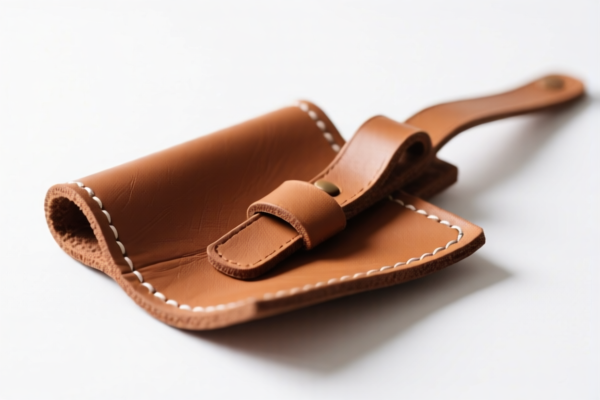
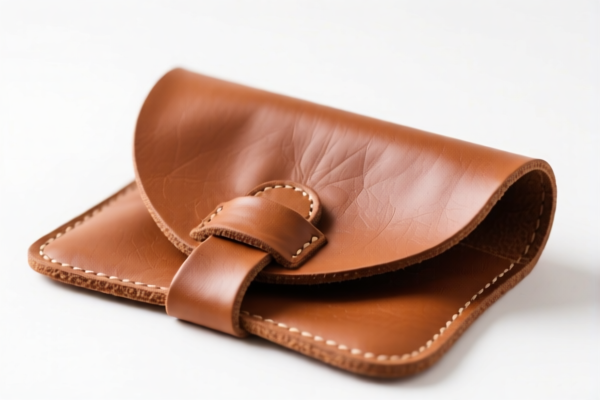
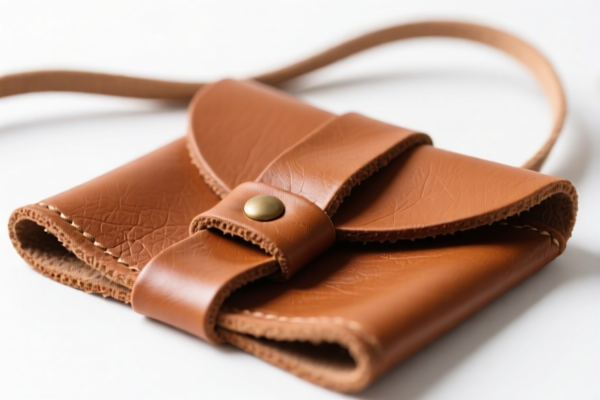
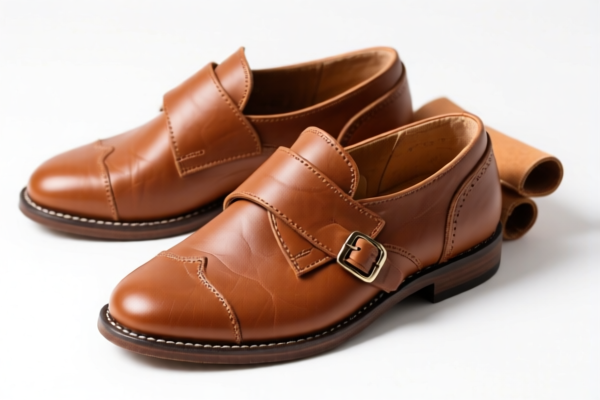
AI Analysis
🐄 Fresh Leather for Handicrafts (Raw Hides & Skins)
🌐 HS Code Reference & Customs Clearance Guide | 2026 Latest Tariff Analysis | Professional Import Strategy
📌 I. Product Definition & Classification: What is "Fresh Leather for Handicrafts"?
"Fresh leather for handicrafts" in international trade does not refer to finished leather products (like bags or shoes), but rather to the raw material: untreated or minimally processed animal hides and skins. These are primarily sourced from Bovine (cattle/buffalo), Equine (horses), or Swine (pigs).
In customs classification, these products are divided into two main stages of preparation:
Unstuffed/Fresh Hides (Chapter 4104/4105/4106): * State: Salty, pickled, or limed, but not tanned or further dressed. * Usage: The importer (often a handicraft manufacturer or tannery) will perform further processing (tanning, dyeing) domestically. * Key Characteristic: Retains hair or is hair-on; not yet converted into stable leather.
Tanned/Crust Leather (Chapter 4107): * State: Fully tanned, crusted, or parchment-dressed. * Usage: Ready for cutting and sewing into handicrafts (e.g., wallets, belts, decorative items). * Key Characteristic: Hair is removed, fibers are stabilized, and it is no longer perishable.
⚠️ Critical Distinction Point:
- If the goods are raw, salty, or pickled and intended for further preparation →归入 4104.10 or 4104.90
- If the goods are fully tanned and finished (including "Fancy" leather) → 归入 4107.99.80.00
- If the goods are fully tanned but basic (not "Fancy") → 归入 4107.99.70.90
📦 II. HS Code Classification Details (2026 Latest Tariff Authority)
Based on the provided data, here are the precise HS Codes for "Fresh Leather for Handicrafts" scenarios:
| HS Code | Product Description | Application Scenario | State of Preparation |
|---|---|---|---|
4104.10 |
Fresh or unstuffed hides/skins of bovine, equine, or swine, not further prepared than cleaned, limed, or pickled | Raw hides for tanneries or artisans who tan locally | ❌ Untanned (Raw/Pickled) |
4104.90 |
Other fresh or unstuffed hides/skins (not bovine/equine/swine), not further prepared | Exotic skins (e.g., goat, sheep) in raw state | ❌ Untanned (Raw/Pickled) |
4107.99.70.90 |
Tanned/Crust Leather of bovine/equine, other than fancy, no hair on | Basic tanned leather for sturdy handicrafts (e.g., coarse bags, tooling bases) | ✅ Tanned (Basic) |
4107.99.80.00 |
Tanned/Crust Leather of bovine/equine, fancy leather, no hair on | High-end, decorative, or textured leather for premium handicrafts (e.g., luxury wallets, art pieces) | ✅ Tanned (Fancy) |
🔍 Key Reminder:
- "Fancy" Leather refers to leather that has been embossed, corrected, or finished for specific aesthetic purposes, commanding a higher tariff in some jurisdictions (as seen in the 2.4% vs 0% difference below). - "Not Further Prepared" means the leather has not been split, shaved, or finished for direct retail use as a finished good.
💰 III. 2026 Latest Tariff Rate Breakdown (Including Additional Taxes)
✅ Applicable Country: United States (US)
✅ Origin: China (CN) (Note: Rates apply to imports from China. Adjust if origin differs.)
✅ Effective Time: Current 2026 Tariff Schedule
🎯 1. 4104.10 —— Raw/Unstuffed Bovine/Equine/Swine Hides
| Item | Content |
|---|---|
| Base Tariff | Error / Failed to Retrieve |
| Additional Tax | Error / Failed to Retrieve |
| Total Tariff | Error |
| Tax Detail | Failed to retrieve tax information |
| Strategic Note | ⚠️ Data Missing: Tax information for raw hides (4104.10) was not available in the source data. Action Required: Consult USITC or a customs broker for the specific base rate (often 0-2.4% for raw hides) and check if Section 301 tariffs apply to raw agricultural products from China. |
🎯 2. 4104.90 —— Other Raw/Unstuffed Hides
| Item | Content |
|---|---|
| Base Tariff | Error / Failed to Retrieve |
| Additional Tax | Error / Failed to Retrieve |
| Total Tariff | Error |
| Tax Detail | Failed to retrieve tax information |
| Strategic Note | ⚠️ Data Missing: Similar to above, tax data for 4104.90 is missing. Generally, raw exotic skins may have higher base duties. Verify with customs authority. |
🎯 3. 4107.99.70.90 —— Tanned/Crust Leather (Non-Fancy)
| Item | Content |
|---|---|
| Base Tariff | 0.0% (ad valorem) |
| Additional Tax | 0.0% |
| Total Tariff | 0.0% |
| Tax Detail | Base Tariff: 0.0%, Additional Tariff: 0.0% |
| Legal Basis | USITC HTSUS 4107.99.70.90 |
| Strategic Note | ✅ Zero Duty Advantage: Basic tanned leather for industrial/handicraft use often enjoys 0% duty. This is a cost-effective category for importers who import finished leather to cut into crafts. |
🎯 4. 4107.99.80.00 —— Tanned/Crust Leather (Fancy)
| Item | Content |
|---|---|
| Base Tariff | 2.4% (ad valorem) |
| Additional Tax | 0.0% |
| Total Tariff | 2.4% |
| Tax Detail | Base Tariff: 2.4%, Additional Tariff: 0.0% |
| Legal Basis | USITC HTSUS 4107.99.80.00 |
| Strategic Note | 💡 Low Duty Premium: "Fancy" leather incurs a 2.4% duty. While low, it is 2.4x higher than basic tanned leather. Ensure your leather is correctly classified as "Fancy" (e.g., embossed, patterned) to avoid misclassification penalties. |
📌 Explanation:
- The 0.0% rate for4107.99.70.90suggests that basic tanned leather is not subject to additional Section 301 tariffs in this specific dataset (or the tariff was eliminated for this subheading).
- The 2.4% rate for4107.99.80.00indicates that higher-value, aesthetically finished leathers are taxed.
- ⚠️ Critical Gap: The tax data for raw hides (4104.10,4104.90) is missing. Do NOT assume 0% for raw hides without verification, as raw agricultural products can sometimes face different trade remedies.
🛠️ IV. Customs Clearance Practical Advice (Battle-Tested Pitfall Guide)
✅ 1. Required Documentation Checklist (Non-Negotiable)
| Document | Must Provide | Description |
|---|---|---|
| ✅ Commercial Invoice | ✔️ | Must clearly state: "Raw Hides," "Tanned Leather," or "Fancy Leather." Include HS Code explicitly. |
| ✅ Packing List | ✔️ | Detail weight (gross/net), number of hides, and packaging type (e.g., "Salted, wrapped in plastic"). |
| ✅ Product Specification Sheet | ✔️ | Specify: Animal source (Cattle/Horse), State (Raw/Tanned), Method (Vegetable/Chrome tanning). |
| ✅ Phytosanitary Certificate | ✔️ | Mandatory for raw animal products to prove freedom from animal diseases. |
| ✅ Fumigation Certificate | ✔️ | Required for wooden pallets or raw organic materials to prevent pest infestation. |
| ✅ Certificate of Origin | ✔️ | If claiming preferential rates (though unlikely for China origin in US). |
✅ 2. Declaration Tips (Key Mnemonics)
🔥 “Raw needs Salt, Tanned needs Finish, Classify Right or Pay the Pinch!”
| Scenario | Correct Declaration | Incorrect Practice | Consequence |
|---|---|---|---|
| Raw Hides (Salty/Pickled) | 4104.10 (Bovine/Equine) |
Misdeclare as "Finished Leather" | ❌ Risk of 2.4% duty + penalties for misclassification |
| Raw Hides (Exotic) | 4104.90 (Other) |
Misdeclare as Bovine | ❌ Duty discrepancy |
| Basic Tanned Leather | 4107.99.70.90 |
Misdeclare as "Fancy" | ❌ Overpay 2.4% duty unnecessarily |
| Embossed/Decorative Leather | 4107.99.80.00 |
Misdeclare as Basic | ✅ Pay correct 2.4% duty |
| Finished Handicrafts (e.g., Wallet) | Not Leather! (e.g., 4202) | Declare as Raw Leather | ❌ Wrong chapter entirely, seizure risk |
✅ 3. Special Case Handling
| Situation | Handling Advice |
|---|---|
| Mixed Shipments | Separate raw hides and tanned leather in different boxes/pallets if possible. Clearly label each. |
| OEM Handicrafts | If importing finished leather goods (e.g., pre-cut leather patches), do NOT use HS 4107. Use Chapter 42 (Articles of Leather). |
| Sample Sizes | For small "fancy" leather samples, still declare under 4107.99.80.00. De minimis rules may apply if value is low, but check current $800 threshold rules. |
| Tanning Method | Specify if Chrome-tanned or Vegetable-tanned. Some environmental regulations may apply, though duties remain the same in this dataset. |
🌍 V. Global Market Comparison (2026 Latest)
| Country/Region | Recommended HS Code | Estimated Duty (China Origin) | Certification Requirements | Notes |
|---|---|---|---|---|
| 🇺🇸 USA | 4107.99.70.90 / 80 |
0% / 2.4% | Phytosanitary Certificate | Low duty for tanned leather. Raw hide data missing. |
| 🇨🇳 China | 4104.10 / 4107.99 |
Low/0% (Export side) | Export License (if required) | China exports raw hides often. |
| 🇪🇺 EU | 4104.10 / 4107.99 |
~4-6% | EORI Number, REACH Compliance | EU has stricter environmental rules on chromium in leather. |
| 🇬🇧 UK | 4104.10 / 4107.99 |
~4-6% | UK EORI, CH/K Certificate | Post-Brexit rules apply. |
| 🇦🇺 Australia | 4104.10 / 4107.99 |
~5% | Biosecurity Permit | Strict biosecurity on raw animal products. |
📌 Conclusion:
- USA is highly competitive for Tanned Leather (4107.99) with 0% or 2.4% duty.
- Raw Hides (4104) have unclear tax data in the source. Importers must verify if Section 301 tariffs apply to raw hides from China.
- Biosecurity is the biggest non-tariff barrier for raw hides globally.
📌 VI. Common Mistakes & Pitfall Guide (Blood Lessons)
❌ Mistake 1: Declaring Raw Hides as Finished Leather to avoid inspection
👉 Consequence: Customs may seize shipment for missing Phytosanitary Certificate + Backdated Duties.
❌ Mistake 2: Declaring Fancy Leather as Basic Leather to save 2.4%
👉 Consequence: If caught, penalties + interest. If not caught, you save money, but it's risky. Better to be accurate.
❌ Mistake 3: Confusing Leather Hides with Leather Goods (e.g., belts, wallets)
👉 Consequence: Wrong HS Code (Chapter 41 vs 42). Duties for finished goods are much higher (often 10-20%).
❌ Mistake 4: Ignoring Tanning Method
👉 Consequence: Some markets ban Chromium VI. Ensure your supplier provides a lab test report for restricted substances.
✅ Correct Approach:
"Chrome-Tanned Bovine Leather, Full Grain, Fancy Finish, for Handicraft Use, HS 4107.99.80.00, Phytosanitary Cert Attached"
🎯 VII. Conclusion: Professional Classification, Cost Efficiency!
🎯 Remember the Mnemonics:
🔹 “Raw Hides: Check Data, Verify Biosecurity!”
🔹 “Tanned Leather: Basic 0%, Fancy 2.4%!”
🔹 “Finished Goods: Not Leather, Check Chapter 42!”
📌 Pro Tip:
If your leather is tanned in Vietnam, Mexico, or Thailand, you may qualify for preferential tariffs under USMCA or other FTAs.
For Raw Hides from China, contact a customs broker immediately to verify the missing tax data (4104.10) as it may be subject to Section 301 tariffs not reflected in the "Error" status.
📣 Immediate Action:
📞 Contact a licensed customs broker + Provide Tanning Certificate + Verify Raw Hide Tariff
🚀 Ensure your leather imports are classified correctly, biosecure, and duty-optimized!
✨ Professional Customs Clearance Starts with Precise Classification!
💼 Every Dollar Saved in Duty is Profit Increased!
Customer Reviews
About HS Code Classification
The Harmonized System (HS) is an internationally standardized nomenclature developed by the World Customs Organization (WCO) to classify traded products. Over 200 countries use the HS system as the basis for customs tariffs, trade statistics, and import/export regulations.
Each HS code follows a hierarchical structure:
- Chapter (2 digits) — Broad category of goods (e.g., Chapter 84: Machinery and Mechanical Appliances)
- Heading (4 digits) — More specific grouping within the chapter
- Subheading (6 digits) — Internationally standardized breakdown, used by all WCO member countries
- National subdivisions (8-10 digits) — Country-specific extensions for further classification, such as US HTSUS 10-digit codes
Correct HS code classification is essential for smooth customs clearance, accurate duty payment, and compliance with trade regulations. Misclassification can lead to customs delays, overpayment of duties, or penalties.
When importing from CN to US, the applicable tariff rates may include:
- Most-Favored-Nation (MFN) rate — The standard duty rate applied to WTO members
- General rate — Applied to countries without trade agreements
- Trade remedy duties — Additional tariffs such as Section 301 (anti-dumping), Section 232 (national security), or countervailing duties
The information provided on this page is for reference purposes only. For official classification, please consult with your local customs authority or a licensed customs broker.