fuel line
CN → US| HS Code | Tariff Rate | Origin | Destination | Doc |
|---|---|---|---|---|
| 4009110000 | 37.5% | CN | US | Official Doc |
| 4009120050 | 20.0% | CN | US | Official Doc |
| 3917400010 | 40.3% | CN | US | Official Doc |
| 3917390050 | 13.1% | CN | US | Official Doc |
| 7306110010 | 35.0% | CN | US | Official Doc |
Product Images
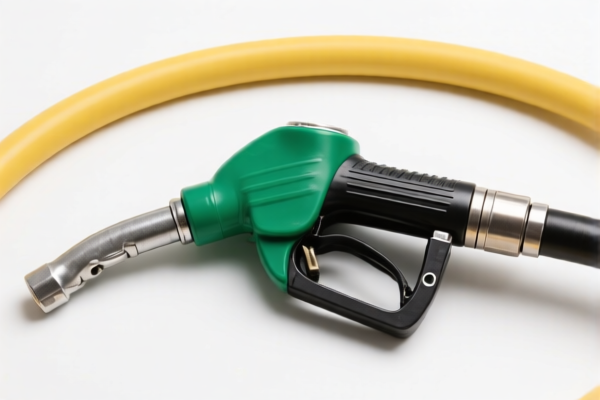
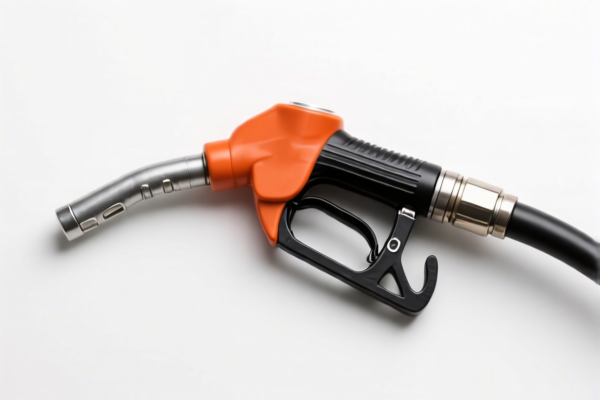
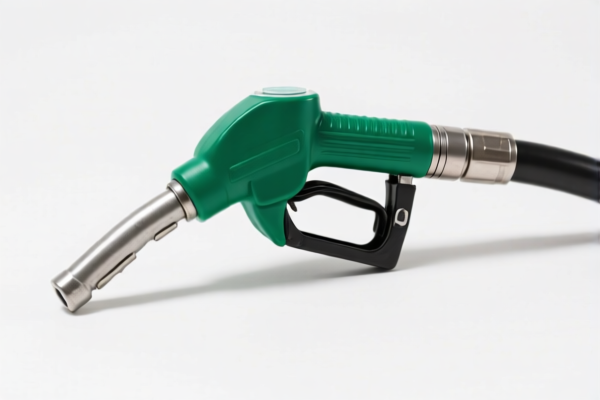
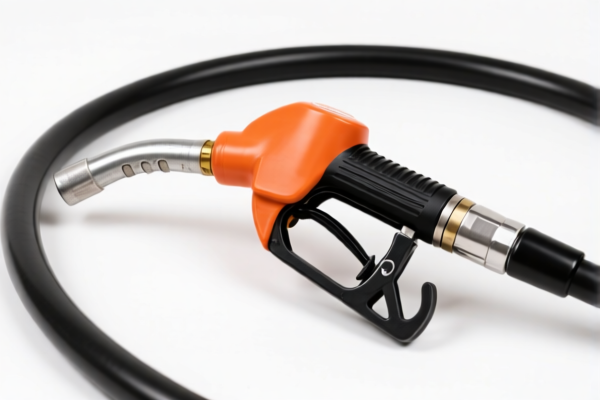
AI Analysis
⛽ Fuel Lines (Automotive/Industrial Piping)
🌐 HS Code Reference & Customs Clearance Guide | 2026 Latest Tariff Analysis | Professional Clearance Strategy
📌 1. Product Definition & Classification: What exactly is a "Fuel Line"?
Fuel lines are critical components in fluid transmission systems, designed to transport fuel (gasoline, diesel, biofuel, etc.) from the tank to the engine or injection system. In international trade, these are categorized primarily by Material (Rubber, Plastic, Metal) and Structure (Reinforced vs. Non-reinforced, with/without fittings).
⚠️ Key Classification Points:
- Rubber/Hose: Typically falls under Chapter 40 (Rubber and articles thereof). Differentiation lies in whether it is reinforced or has fittings.
- Plastic/Polymer: Falls under Chapter 39 (Plastics and articles thereof). Used for rigid or semi-rigid tubing.
- Metal: Falls under Chapter 73 (Articles of iron or steel). Used for rigid high-pressure lines.
📦 2. HS Code Classification Matrix (Based on Provided Data)
| HS Code | Material/Structure Description | Tax Rate (Total) | Key Characteristics |
|---|---|---|---|
| 4009.11.00.00 | Rubber Hose: Non-reinforced, without fittings | 37.5% | Unvulcanized/Vulcanized rubber, simple tubing structure. |
| 4009.12.00.50 | Rubber Hose: Other (General/Undetermined) | 20.0% | Baseline rubber hose category; "Other" fallback logic. |
| 3917.40.00.10 | Plastic/Hybrid Pipes: With fittings/accessories | 40.3% | Rigid/flexible plastic pipes used for vehicle power transmission. |
| 3917.39.00.50 | Plastic/Hose: Non-reinforced, no fittings | 13.1% | Plastic tubing/hose, lowest duty among plastics. |
| 7306.11.00.10 | Metal Pipes: Iron/Steel, oil/gas application | 35.0% | Rigid metal tubing for high-pressure fuel/oil systems. |
🔍 Important Note:
- Rubber vs. Plastic: If the material is not specified, customs may default to the most common automotive material (Rubber for flexible hoses, Plastic/Metal for rigid lines).
- Reinforcement: "Reinforced" rubber/hoses often have different subheadings than non-reinforced ones.
- Fittings: Presence of metal ends/connectors can shift classification from Chapter 40/39 to accessory categories or higher-duty items.
💰 3. 2026 Latest Tariff Breakdown (Detailed Policy Analysis)
✅ Applicable Market: United States (US)
✅ Origin: China (CN)
✅ Effective Date: Current rates include Section 301 & IEEPA surcharges.
🎯 1. 4009.11.00.00 – Rubber Hoses, Unreinforced, Without Fittings
| Item | Detail |
|---|---|
| Base Duty | 2.5% |
| Section 301 Surcharge | +25.0% |
| IEEPA (Section 122) | +10.0% |
| Total Duty | 37.5% |
| De Minimis Exemption? | ❌ NO (deny_de_minimis) |
| Legal Basis | USITC:4009.11.00.00 → USITC:Footnote 9903.88.01 → IEEPA:9903.01.25 |
📌 Explanation:
- High duty due to multiple surcharges.
- Classified as rubber hose, basic form (no reinforcement, no ends).
- Cost Impact: Significant. Plan margins accordingly.
🎯 2. 4009.12.00.50 – Other Rubber Hoses
| Item | Detail |
|---|---|
| Base Duty | 2.5% |
| Section 301 Surcharge | +7.5% |
| IEEPA (Section 122) | +10.0% |
| Total Duty | 20.0% |
| De Minimis Exemption? | ❌ NO |
| Legal Basis | USITC:4009.12.00.50 → USITC:Footnote 9903.88.01 → IEEPA:9903.01.24 |
📌 Explanation:
- This is the "Other" category for rubber hoses.
- Likely applies if the hose has some reinforcement or specific attributes not covered by4009.11or4009.20/30.
- Lower surcharge (7.5%) compared to4009.11, resulting in a significantly lower total duty (20% vs 37.5%).
🎯 3. 3917.40.00.10 – Plastic Pipes, With Fittings/Accessories
| Item | Detail |
|---|---|
| Base Duty | 5.3% |
| Section 301 Surcharge | +25.0% |
| IEEPA (Section 122) | +10.0% |
| Total Duty | 40.3% |
| De Minimis Exemption? | ❌ NO |
| Legal Basis | USITC:3917.40.00.10 → USITC:Footnote 9903.88.01 → IEEPA:9903.01.25 |
📌 Explanation:
- Applies to plastic pipes with fittings or accessories.
- Highest duty among all options (40.3%).
- Avoid if possible by separating fittings or using non-reinforced plastic hose (3917.39).
🎯 4. 3917.39.00.50 – Plastic Hoses, Non-Reinforced, No Fittings
| Item | Detail |
|---|---|
| Base Duty | 3.1% |
| Section 301 Surcharge | +0.0% |
| IEEPA (Section 122) | +10.0% |
| Total Duty | 13.1% |
| De Minimis Exemption? | ❌ NO |
| Legal Basis | USITC:3917.39.00.50 → IEEPA:9903.01.24 |
📌 Explanation:
- Lowest duty option (13.1%).
- Applies to plastic tubing/hoses that are non-reinforced and without fittings.
- Strategic Tip: If your fuel line is plastic and simple, ensure it is classified here to save ~25% vs. rubber options.
🎯 5. 7306.11.00.10 – Metal Pipes, Iron/Steel
| Item | Detail |
|---|---|
| Base Duty | 0.0% |
| Section 301 Surcharge | +25.0% |
| IEEPA (Section 122) | +10.0% |
| Total Duty | 35.0% |
| De Minimis Exemption? | ❌ NO |
| Legal Basis | USITC:7306.11.00.10 → USITC:Footnote 9903.88.01 → IEEPA:9903.01.25 |
📌 Explanation:
- Base duty is 0%, but 35% total due to surcharges.
- Applies to rigid metal fuel lines.
- Higher than plastic hose (13.1%) but lower than reinforced plastic (40.3%).
🛠️ 4. Customs Clearance Practical Advice (Risk Mitigation)
✅ 1. Required Documentation Checklist
| Document | Required? | Purpose |
|---|---|---|
| Product Specification Sheet | ✔️ | Must clearly state material (Rubber/Plastic/Metal), inner/outer diameter, temperature/pressure rating. |
| Material Composition Proof | ✔️ | Mill test certificates for metal; material safety data sheets (MSDS) for rubber/plastic. |
| Photos (Labeled) | ✔️ | Show cross-section (to prove no reinforcement), fittings, and markings. |
| Commercial Invoice | ✔️ | Detailed description: "Rubber Fuel Hose, Non-Reinforced, No Fittings" – Be Specific! |
| Packing List | ✔️ | List items separately if hoses and fittings are packed together (consider splitting for classification). |
| OE Number / Part Number | ✔️ | Helps customs match to known automotive parts databases. |
✅ 2. Declaration Strategy (Key Tips)
🔥 "Material First, Structure Second, Fittings Separate!"
| Scenario | Recommended Declaration | Risk if Misdeclared |
|---|---|---|
| Simple Rubber Tubing | 4009.12.00.50 (20%) |
Declaring as 4009.11 → 37.5% (Overpay) |
| Simple Plastic Tubing | 3917.39.00.50 (13.1%) |
Declaring as 3917.40 → 40.3% (Severe Overpay) |
| Metal Rigid Line | 7306.11.00.10 (35%) |
Declaring as plastic → Audit risk + Penalty |
| Hose + Fittings | 3917.40.00.10 (40.3%) |
Splitting invoice incorrectly → Detention/Seizure |
📌 Critical Advice:
- If your product is Plastic, fight for3917.39.00.50(13.1%). Ensure no reinforcement mesh is visible.
- If your product is Rubber, clarify if it is "Unreinforced" (4009.11, 37.5%) or "Other" (4009.12, 20%).
- Never mix metal fittings with hoses in the same line item if possible; declare separately if the fittings have a different HS code.
✅ 3. Special Cases
| Case | Handling Suggestion |
|---|---|
| Composite Materials | If plastic-lined rubber hose, customs may look at the "essential character." Often classified as Rubber (Ch 40). |
| Custom OEM Parts | Provide engineering drawings to prove it is "not reinforced" to qualify for lower rubber/plastic duties. |
| Pre-Assembly | If hoses come pre-assembled with metal ends, they may be classified as "Assemblies" (3917.40 or 4009.30/40), which have higher duties. Consider shipping unassembled. |
🌍 5. Market Comparison (2026)
| Market | Best HS Code | Total Duty (CN Origin) | Notes |
|---|---|---|---|
| 🇺🇸 USA | 3917.39.00.50 |
13.1% | Lowest duty option; avoid 3917.40 (40.3%). |
| 🇺🇸 USA | 4009.12.00.50 |
20.0% | Standard rubber hose option. |
| 🇺🇸 USA | 4009.11.00.00 |
37.5% | High duty, avoid if possible. |
| 🇨🇳 China | Varies | ~2.5-5% | Lower base duties, no Section 301. |
| 🇪🇺 EU | Varies | ~2.5-6% | No US-style surcharges, but different HS structure. |
📌 Conclusion:
- For USA imports, Plastic Non-Reinforced Hoses (3917.39) are the most cost-effective (13.1%).
- Rubber Hoses are generally higher duty (20-37.5%).
- Metal Lines are moderate (35%).
- Always confirm material and reinforcement status before shipping.
📌 6. Common Mistakes & Pitfalls (Lessons Learned)
❌ Mistake 1: Declaring a plastic hose with metal ends as 3917.39 (13.1%)
👉 Result: Customs reclassifies to 3917.40 (40.3%) → Back taxes + Penalties.
❌ Mistake 2: Declaring a reinforced rubber hose as 4009.12 (20%)
👉 Result: If it is actually "rebar-reinforced" (Chapter 40 heading 4009.20/30), duty may be different. Ensure description matches "Non-Reinforced."
❌ Mistake 3: Vague description: "Fuel Pipe"
👉 Result: Customs will apply the highest possible duty or detain shipment for clarification.
✅ Fix: Use "Rubber Fuel Hose, Unreinforced, Without Fittings."
🎯 7. Conclusion: Optimize Your Fuel Line Classification
🎯 Key Takeaway:
🔹 Plastic Non-Reinforced = 13.1% (Best Option)
🔹 Rubber Other = 20.0% (Middle Option)
🔹 Rubber Unreinforced = 37.5% (High Option)
🔹 Plastic with Fittings = 40.3% (Highest Option)
🔹 Metal = 35.0% (Moderate-High)
📌 Action Plan:
1. Check Material: Is it Plastic, Rubber, or Metal?
2. Check Structure: Is it Reinforced? Does it have Fittings?
3. Select HS Code: Match with the matrix above.
4. Declare Precisely: "Fuel Line, Plastic, Non-Reinforced, No Fittings."
📣 Pro Tip:
If your supplier provides unassembled hoses and separate fittings, declare them separately! This may allow you to classify the hose at a lower rate (3917.39 or 4009.12) and the fittings separately, potentially reducing overall duty.
✨ Smart Classification, Smarter Profits!
💼 Don't let a 27% duty difference eat your margin!
Customer Reviews
About HS Code Classification
The Harmonized System (HS) is an internationally standardized nomenclature developed by the World Customs Organization (WCO) to classify traded products. Over 200 countries use the HS system as the basis for customs tariffs, trade statistics, and import/export regulations.
Each HS code follows a hierarchical structure:
- Chapter (2 digits) — Broad category of goods (e.g., Chapter 84: Machinery and Mechanical Appliances)
- Heading (4 digits) — More specific grouping within the chapter
- Subheading (6 digits) — Internationally standardized breakdown, used by all WCO member countries
- National subdivisions (8-10 digits) — Country-specific extensions for further classification, such as US HTSUS 10-digit codes
Correct HS code classification is essential for smooth customs clearance, accurate duty payment, and compliance with trade regulations. Misclassification can lead to customs delays, overpayment of duties, or penalties.
When importing from CN to US, the applicable tariff rates may include:
- Most-Favored-Nation (MFN) rate — The standard duty rate applied to WTO members
- General rate — Applied to countries without trade agreements
- Trade remedy duties — Additional tariffs such as Section 301 (anti-dumping), Section 232 (national security), or countervailing duties
The information provided on this page is for reference purposes only. For official classification, please consult with your local customs authority or a licensed customs broker.