game blanket
CN → US| HS Code | Tariff Rate | Origin | Destination | Doc |
|---|---|---|---|---|
| 9404902090 | 23.5% | CN | US | Official Doc |
| 9503000073 | 10.0% | CN | US | Official Doc |
| 3926909989 | 22.8% | CN | US | Official Doc |
| 3926907500 | 14.2% | CN | US | Official Doc |
| 9503000071 | 10.0% | CN | US | Official Doc |
Product Images
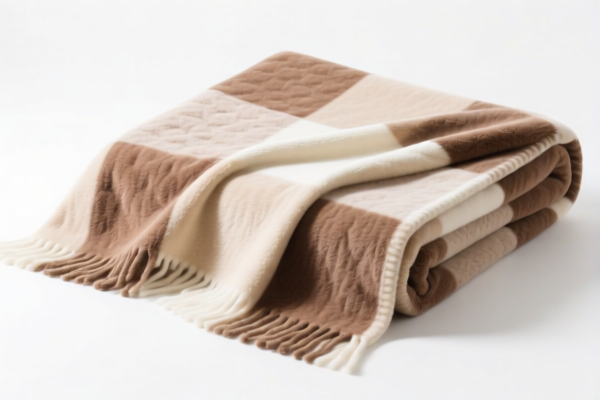
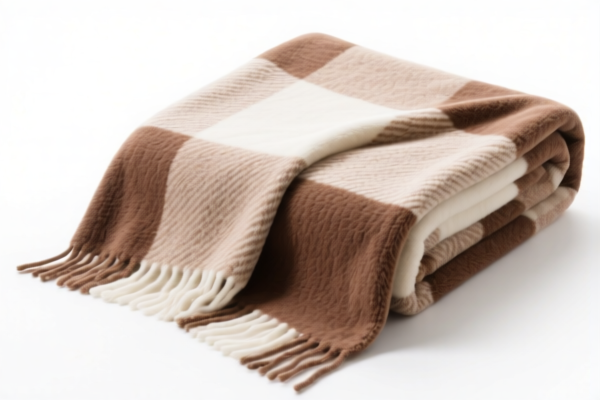
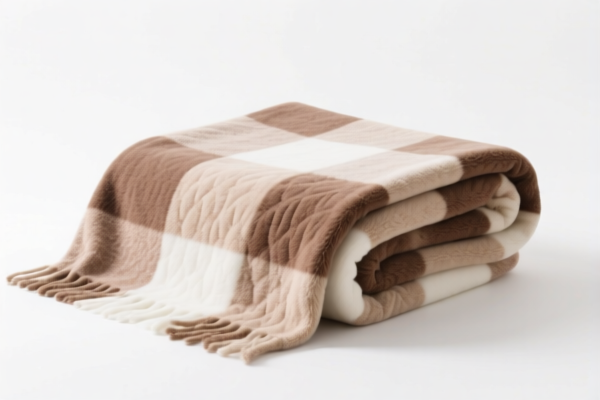
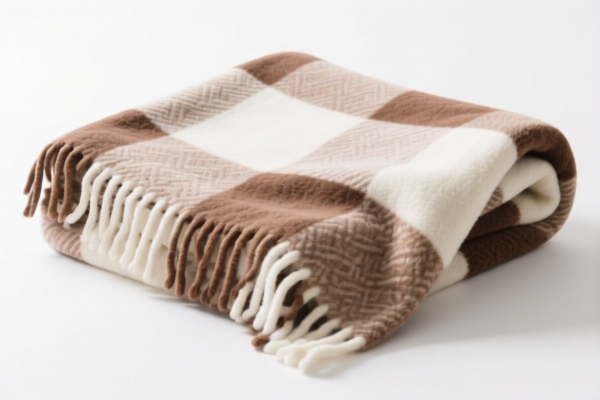
AI Analysis
🎵 Game Blanket (Music/Toy Blankets)
🌐 HS Code Reference & Clearance Guide | 2026 Latest Tariff Analysis | Strategic Classification for US Imports
📌 Part 1: Product Definition & Classification Ambiguity
A "Game Blanket" (often referred to as a Music Blanket, Play Mat, or Interactive Blanket) is a hybrid product that sits at the intersection of textiles, toys, and plastic goods. Its classification depends heavily on material composition, functionality (music/electronics), and target demographic.
Because it can be interpreted in multiple ways, customs authorities may apply different HS Codes based on the importer’s declaration and product samples. Below is the detailed breakdown of the 5 most likely HS Codes based on current trade data, along with their corresponding tax implications.
⚠️ Critical Distinction:
- Is it a textile product (sleeping/decor)? → 9404
- Is it a toy (entertainment for children)? → 9503
- Is it made of plastic (vinyl/PVC)? → 3926
📦 Part 2: HS Code Classification Matrix (2026 Latest Tariff Rules)
| HS Code | Classification Logic | Material/Feature | Tax Rate (Total) |
|---|---|---|---|
| 9404.90.20.90 | Bedding/Decor Category Classified as pillows, cushions, or similar textile articles. Often used if the blanket is viewed as a comfort item with sound features. |
Textile/Fabric-based | 23.5% |
| 9503.00.00.73 | Toy Category (Plastic/Composite) Classified as a toy for entertainment, suitable for ages 3-12. High value if declared as a children’s play item. |
Plastic/Textile Mix | 10.0% |
| 3926.90.99.89 | Other Plastic Articles Assumed to be primarily plastic-based (e.g., PVC). Classified as other plastic制品 (articles). |
Plastic (PVC/Vinyl) | 22.8% |
| 3926.90.75.00 | Other Plastic Articles (Inflatable/Soft) For plastic-made blanket/mats. Often applies to inflatable or soft plastic mats. |
Plastic (Soft/Inflatable) | 14.2% |
| 9503.00.00.71 | Toy Category (Textile) Classified as a toy with entertainment/music functions, made of fabric/textile. Best for fabric-based musical blankets. |
Fabric/Textile | 10.0% |
🔍 Key Insight:
- The Toy Classification (9503) offers the lowest tariff (10%) but requires the product to be clearly marketed and used as a toy for children. - The Bedding Classification (9404) has a higher tariff (23.5%) but is safer if the product is marketed for sleeping, nursing, or home decor. - Plastic Classifications (3926) vary (14.2%–22.8%) depending on the specific plastic nature (inflatable vs. solid).
💰 Part 3: Detailed Tariff Breakdown (US Import from China)
✅ Applicable Country: United States (US)
✅ Origin: China (CN)
✅ Effective Date: 2025-11-10 (Includes subsequent imports)
🎯 1. 9404.90.20.90 – Bedding/Decor Category (Pillows/Cushions)
| Item | Detail |
|---|---|
| Base Duty | 6.0% |
| Section 301 Additional Duty | 7.5% |
| Section 301 Additional Duty (122 Clause) | 10.0% |
| Total Effective Rate | 23.5% |
| De Minimis Exemption (80/86) | ❌ Not Applicable (High tariff items usually excluded or flagged) |
| Legal Basis | USITC:9404.90.20.90 → IEEPA:9903.01.25 (301) |
📌 Explanation:
- This code treats the item as a household textile.
- The 10% "122 Clause" tariff is a specific additional levy on certain Chinese goods.
- Total 23.5% is significant. Use this only if the product is not marketed as a toy.
🎯 2. 9503.00.00.73 – Toy Category (Plastic/Composite)
| Item | Detail |
|---|---|
| Base Duty | 0.0% |
| Section 301 Additional Duty | 0.0% |
| Section 301 Additional Duty (122 Clause) | 10.0% |
| Total Effective Rate | 10.0% |
| De Minimis Exemption (80/86) | ❌ Not Applicable (Toys are often restricted from de minimis if high value or unsafe) |
| Legal Basis | USITC:9503.00.00.73 → IEEPA:9903.01.25 |
📌 Explanation:
- Base duty is 0%, making this highly attractive.
- Only the 10% 122 Clause applies.
- Risk: Must prove it is a toy (age 3-12, entertainment function). If deemed bedding, penalties apply.
🎯 3. 3926.90.99.89 – Other Plastic Articles
| Item | Detail |
|---|---|
| Base Duty | 5.3% |
| Section 301 Additional Duty | 7.5% |
| Section 301 Additional Duty (122 Clause) | 10.0% |
| Total Effective Rate | 22.8% |
| De Minimis Exemption (80/86) | ❌ Not Applicable |
| Legal Basis | USITC:3926.90.99.89 → IEEPA:9903.01.25 |
📌 Explanation:
- Applied if the blanket is primarily plastic (e.g., PVC rain mats, inflatable mats).
- 22.8% is high. Avoid unless the product is clearly plastic and not a toy.
🎯 4. 3926.90.75.00 – Other Plastic Articles (Inflatable/Soft)
| Item | Detail |
|---|---|
| Base Duty | 4.2% |
| Section 301 Additional Duty | 0.0% |
| Section 301 Additional Duty (122 Clause) | 10.0% |
| Total Effective Rate | 14.2% |
| De Minimis Exemption (80/86) | ❌ Not Applicable |
| Legal Basis | USITC:3926.90.75.00 → IEEPA:9903.01.25 |
📌 Explanation:
- Lower base duty (4.2%) and no 7.5% 301 duty, only 10% 122 Clause.
- Suitable for inflatable or soft plastic mats.
- 14.2% is a mid-range option, better than 9404 but worse than 9503.
🎯 5. 9503.00.00.71 – Toy Category (Textile/Fabric)
| Item | Detail |
|---|---|
| Base Duty | 0.0% |
| Section 301 Additional Duty | 0.0% |
| Section 301 Additional Duty (122 Clause) | 10.0% |
| Total Effective Rate | 10.0% |
| De Minimis Exemption (80/86) | ❌ Not Applicable |
| Legal Basis | USITC:9503.00.00.71 → IEEPA:9903.01.25 |
📌 Explanation:
- Best Option for Fabric Musical Blankets.
- Base duty 0%, only 10% 122 Clause.
- Crucial: Must be marketed as a toy (e.g., "Musical Play Mat for Toddlers") and have appropriate toy safety certifications (CPC, ASTM F963).
🛠️ Part 4: Clearance Operational Advice (Best Practices)
✅ 1. Documentation Checklist (Mandatory)
| Document | Required | Notes |
|---|---|---|
| Product Specification Sheet | ✔️ | Detail material (fabric/plastic), dimensions, weight, music function. |
| Product Photos | ✔️ | Show the blanket, tags, and any electronic components. |
| Commercial Invoice | ✔️ | Clearly state "Toy" or "Bedding" based on selected HS Code. Do not use ambiguous terms like "Blanket" alone. |
| CPC Certificate (Children’s Product Certificate) | ✔️ | Required for 9503 if marketed as a toy for children under 12. |
| ASTM F963 Test Report | ✔️ | Mandatory for toy classification. |
| FCC ID (if electronic) | ✔️ | If the blanket has speakers/bluetooth, FCC compliance is needed. |
| Packing List | ✔️ | Ensure quantity matches invoice. |
✅ 2. Classification Strategy & Risk Mitigation
| Scenario | Recommended HS Code | Tax Rate | Strategy |
|---|---|---|---|
| Marketing as a Toy (Play mat, baby entertainment) |
9503.00.00.71 (Fabric) 9503.00.00.73 (Plastic) |
10.0% | ✅ Lowest Tax. Provide CPC, ASTM F963, and marketing materials targeting children. |
| Marketing as Bedding/Decor (Nursing blanket, sensory mat for adults) |
9404.90.20.90 | 23.5% | ⚠️ Higher Tax. Use for products not intended for play. Avoid toy-like imagery in marketing. |
| Marketing as Inflatable Mat | 3926.90.75.00 | 14.2% | ✅ Mid-Range. Only if product is inflatable. Provide material specs. |
| Marketing as PVC Rain Blanket | 3926.90.99.89 | 22.8% | ❌ High Tax. Avoid unless product is strictly plastic and non-toy. |
🔥 Golden Rule:
"Toy = 10% | Bedding = 23.5% | Plastic = 14-23%"
If your product is a musical blanket for children, choose 9503 and ensure full toy compliance. This saves 13.5% in duties compared to bedding.
✅ 3. Common Pitfalls & Warnings
❌ Error 1: Declaring a toy as a "Textile Blanket" (9404)
👉 Risk: Customs may reclassify to 9503, but if duties were paid at 23.5%, you won’t get a refund. Worse, if they find it’s a toy without CPC, they may seize it.
👉 Solution: Always declare accurately. If it’s a toy, use 9503.
❌ Error 2: Using De Minimis (Section 321) for Toys
👉 Risk: Toys are often excluded from de minimis if they require CPC or have high duty rates.
👉 Solution: Verify de minimis eligibility with your broker. Do not assume.
❌ Error 3: Missing FCC Certification for Electronic Components
👉 Risk: If the blanket has built-in music speakers, it is an FCC-regulated device. Missing ID leads to detention.
👉 Solution: Obtain FCC ID and include it on the invoice.
❌ Error 4: Inconsistent Marketing
👉 Risk: Invoice says "Bedding," but website shows "Kids Toy."
👉 Solution: Ensure marketing, packaging, and invoice all align with the declared HS Code.
🌍 Part 5: Global Market Comparison (2026)
| Country | Recommended HS Code | Duty Rate | Key Requirement |
|---|---|---|---|
| 🇺🇸 USA | 9503.00.00.71/73 | 10.0% | CPC, ASTM F963, FCC (if electronic) |
| 🇨🇳 China | 9503.00.00 | 0-5% | CCC (if electronic) |
| 🇪🇺 EU | 9503.00 | 0-6.5% | CE, EN71, REACH |
| 🇬🇧 UK | 9503.00 | 0-6.5% | UKCA, BS EN71 |
📌 Conclusion:
- USA is the most complex due to Section 301/122 Clause tariffs.
- Choosing 9503 (Toy) is the cost-effective strategy for US imports, provided you meet toy safety standards.
- Choosing 9404 (Bedding) is expensive and only suitable for non-toy applications.
📌 Part 6: Final Recommendations
✅ Step 1: Decide the primary use of the product.
- For Children’s Play → HS Code 9503.00.00.71/73
- For Home Decor/Sleep → HS Code 9404.90.20.90
✅ Step 2: Gather Compliance Documents.
- Toys: CPC, ASTM F963, FCC ID.
- Bedding: Fabric composition, care labels.
✅ Step 3: Align Marketing Materials.
- Ensure product photos, descriptions, and tags match the declared HS Code.
✅ Step 4: Calculate Landed Cost.
- Toy (9503): 10% total duty.
- Bedding (9404): 23.5% total duty.
- Difference: 13.5% savings on Toy classification.
🎯 Pro Tip:
🔹 "If it’s for kids, call it a toy. 10% tax vs. 23.5% tax – the choice is clear!"
🔹 "Don’t ignore FCC. Electronic toys need FCC ID, or they get stuck at customs."
🔹 "Get your CPC ready. No CPC = No entry for toys in the US."
📣 Next Steps:
1. Consult a Customs Broker for pre-classification.
2. Obtain CPC & ASTM F963 test reports.
3. Apply for FCC ID if electronic.
4. Ship with clear labeling as "Musical Toy Mat."
✨ Smart Classification Saves Money!
💼 Optimize your supply chain with precise HS Code selection!
Customer Reviews
About HS Code Classification
The Harmonized System (HS) is an internationally standardized nomenclature developed by the World Customs Organization (WCO) to classify traded products. Over 200 countries use the HS system as the basis for customs tariffs, trade statistics, and import/export regulations.
Each HS code follows a hierarchical structure:
- Chapter (2 digits) — Broad category of goods (e.g., Chapter 84: Machinery and Mechanical Appliances)
- Heading (4 digits) — More specific grouping within the chapter
- Subheading (6 digits) — Internationally standardized breakdown, used by all WCO member countries
- National subdivisions (8-10 digits) — Country-specific extensions for further classification, such as US HTSUS 10-digit codes
Correct HS code classification is essential for smooth customs clearance, accurate duty payment, and compliance with trade regulations. Misclassification can lead to customs delays, overpayment of duties, or penalties.
When importing from CN to US, the applicable tariff rates may include:
- Most-Favored-Nation (MFN) rate — The standard duty rate applied to WTO members
- General rate — Applied to countries without trade agreements
- Trade remedy duties — Additional tariffs such as Section 301 (anti-dumping), Section 232 (national security), or countervailing duties
The information provided on this page is for reference purposes only. For official classification, please consult with your local customs authority or a licensed customs broker.