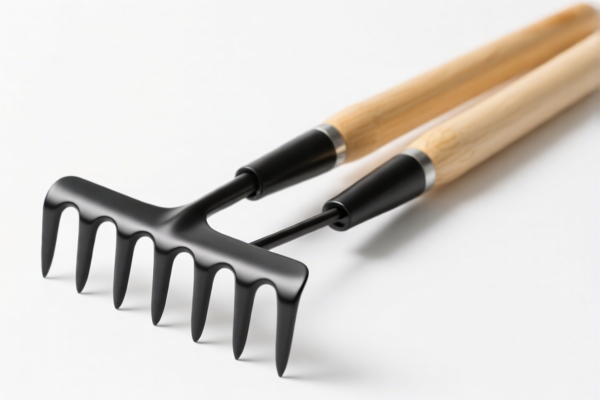
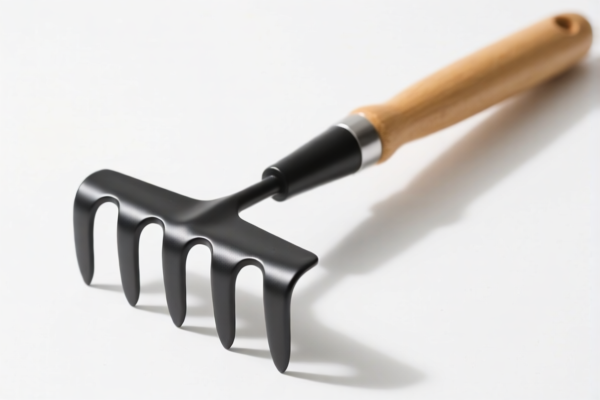
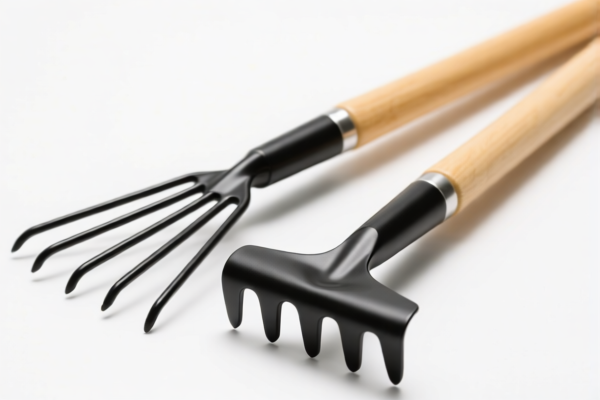
garden rake
CN → US| HS Code | Tariff Rate | Origin | Destination | Doc |
|---|---|---|---|---|
| 3926909930 | 22.8% | CN | US | Official Doc |
| 3926909989 | 22.8% | CN | US | Official Doc |
| 7326908688 | 87.9% | CN | US | Official Doc |
| 8201300010 | 35.0% | CN | US | Official Doc |
| 8201300080 | 35.0% | CN | US | Official Doc |
| 7326190080 | 87.9% | CN | US | Official Doc |
Product Images

AI Analysis
🌾 Garden Rakes (Gardening Tools)
🌐 HS Code Reference & Customs Clearance Guide | 2026 Latest Tariff Analysis | Professional Import Strategy for US Market
📌 I. Product Definition & Classification: What Exactly is a "Garden Rake"?
A Garden Rake is a fundamental horticultural tool used for leveling soil, collecting leaves, debris, or grass clippings. In international trade, the Harmonized System (HS) code is highly sensitive to material composition. A single rake can be classified into drastically different categories depending on whether it is made of plastic, steel/iron, or other metals. Misclassification can lead to significant tax disparities (from 22.8% to 87.9%).
⚠️ Critical Distinction:
- Plastic Rakes: Classified under Chapter 39 (Plastics). Lower base duty, but subject to Section 301/122 surcharges.
- Metal Rakes (Steel/Iron): Classified under Chapter 73 or 82 (Base Metals/Tools). Subject to higher duties and specific "Steel/Aluminum/Copper" surcharges.
- Tool vs. Article: HS Code8201.30explicitly lists "Rakes" as hand tools. Other metal products not explicitly named as rakes fall under "Other articles" in Chapter 73 or 82.
📦 II. HS Code Classification Details (2026 Latest Tariff Authority)
| HS Code | Product Description | Material Basis | Applicability Scenario |
|---|---|---|---|
3926.90.99.30 |
Other articles of plastic or other materials (Instruments/Utensils) | Plastic | Plastic-headed rakes, plastic handles, or composite rakes where plastic is dominant or no specific metal tool code applies. |
3926.90.99.89 |
Other articles of plastic or other materials (General) | Plastic/Composite | Plastic rakes where 3926.90.99.30 is not specifically applicable; general "other" plastic制品. |
7326.90.86.88 |
Other articles of iron or steel | Steel/Iron | Steel rakes NOT explicitly classified as "tools" in Chapter 82; generic steel garden tools. |
8201.30.00.10 |
Rakes (Hand Tools) | Metal (Steel/Iron) | Explicit Match: Metal rakes explicitly defined as hand tools. Preferred for standard metal garden rakes. |
8201.30.00.80 |
Rakes (Hand Tools) | Metal (Steel/Iron) | Explicit Match: Other rakes of steel/iron under the same tool category. |
7326.19.00.80 |
Articles of iron or steel, forged/stamped | Steel/Iron | Forged or stamped steel rakes that are unworked further than forging/stamping. |
🔍 Key Insight:
- If the rake is metal,8201.30is the most accurate because it explicitly mentions "Rakes." - If the rake is plastic, it falls under3926.90. - If the rake is metal but misclassified as a general "article" (7326), you may face higher scrutiny or incorrect tax calculations.
💰 III. 2026 Latest Tariff Rate Breakdown (Including Surcharges & Policy Add-ons)
✅ Applicable Country: United States (US)
✅ Origin: China (CN)
✅ Effective Date: Current tariffs including Section 301 and Section 122 (if applicable)
🎯 1. Plastic Rakes (3926.90.99.30 / 3926.90.99.89)
| Item | Content |
|---|---|
| Base Duty Rate | 5.3% |
| Section 301 Surcharge | +7.5% |
| Section 122 Surcharge | +10% |
| Total Tax Rate | 22.8% |
| Tax Calculation | CIF Value × 22.8% |
| De Minimis Exemption | ❌ Not Eligible (Typically, items over $800 from China are not eligible for de minimis under current enforcement) |
📌 Explanation:
- Plastic rakes incur a moderate total tariff of 22.8%.
- The 10% Section 122 tariff (often related to national security or specific trade remedies) applies here.
- This is the lowest tariff option among the provided HS codes, making plastic rakes highly competitive for cost-sensitive imports.
🎯 2. Metal Rakes - Explicit Tool Category (8201.30.00.10 / 8201.30.00.80)
| Item | Content |
|---|---|
| Base Duty Rate | 0.0% |
| Section 301 Surcharge | +25.0% |
| Section 122 Surcharge | +10% |
| Total Tax Rate | 35.0% |
| Tax Calculation | CIF Value × 35.0% |
| De Minimis Exemption | ❌ Not Eligible |
📌 Explanation:
- Although the base duty is 0%, the Section 301 surcharge is 25% (standard for many Chinese goods).
- Plus 10% Section 122.
- Total: 35.0%.
- Why it’s higher than plastic? Despite 0% base duty, the surcharges are higher than the plastic category. This is a crucial cost difference.
🎯 3. Metal Rakes - General Steel Articles (7326.90.86.88 / 7326.19.00.80)
| Item | Content |
|---|---|
| Base Duty Rate | 2.9% |
| Section 301 Surcharge | +25.0% |
| Section 122 Surcharge | +10% |
| Steel/Aluminum/Copper Surcharge | +50% (Specific to steel products) |
| Total Tax Rate | 87.9% |
| Tax Calculation | CIF Value × 87.9% |
| De Minimis Exemption | ❌ Not Eligible |
📌 Explanation:
- DANGER ZONE: If a steel rake is misclassified as a general "article of iron/steel" (7326) rather than a "tool" (8201), it triggers the 50% additional surcharge for steel/aluminum/copper products.
- Base (2.9%) + 301 (25%) + 122 (10%) + Steel Surcharge (50%) = 87.9%.
- This is nearly triple the cost of metal rakes correctly classified as tools.
- Never misclassify a metal rake as a general steel article to avoid this penalty.
🛠️ IV. Customs Clearance Practical Advice (Pitfall Avoidance Guide)
✅ 1. Material Verification is Key
| Scenario | Correct HS Code | Risk if Wrong |
|---|---|---|
| Plastic Head/Handle | 3926.90.99.30 or 89 |
If misclassified as metal → 87.9% Tax! |
| Steel/Iron Head & Handle | 8201.30.00.10 or 80 |
If misclassified as general steel → 87.9% Tax! |
| Composite (Wood Handle + Plastic Head) | 3926.90.99.30 (if plastic dominant) |
Ensure description highlights "Plastic Article" |
📌 Rule of Thumb:
- Plastic? →3926(22.8%)
- Metal Rake (Tool)? →8201(35.0%)
- Metal Article (Not Tool)? →7326(87.9%) → AVOID!
✅ 2. Declaration Tips (Key Phrases for CBP)
-
For Plastic Rakes:
"Garden Rake, made of plastic, for agricultural and gardening use."
Do not mention "steel" or "metal" if it's plastic. -
For Metal Rakes:
"Garden Rake, made of steel, hand tool, explicitly classified as rake under HTS 8201.30."
Explicitly state it is a "hand tool" and "rake" to justify8201. -
Avoid Ambiguity:
❌ "Gardening Tool, Metal, for digging" (Could be classified as general steel article → 87.9%)
✅ "Metal Garden Rake, Hand Tool, for leaf collection" (Clearly a rake → 35.0%)
✅ 3. Special Considerations
| Issue | Advice |
|---|---|
| Section 122 Tariff | Applies to most Chinese-origin goods. Ensure your supplier’s origin certificate is accurate. |
| Steel Surcharge (50%) | Only applies if classified under 7326. If you use 8201, this 50% does not apply. |
| Sample Imports | Even for samples, if declared as China-origin steel articles, you risk the 87.9% rate. Use 8201 for metal samples. |
| Packaging | Ensure the packing list clearly distinguishes between plastic and metal components if mixed. |
🌍 V. Global Market Comparison (2026 Update)
| Country | Recommended HS Code | Total Tariff (China Origin) | Notes |
|---|---|---|---|
| 🇺🇸 USA | 3926.90.99.30 (Plastic) |
22.8% | Best for plastic rakes. |
| 🇺🇸 USA | 8201.30.00.10 (Metal) |
35.0% | Best for metal rakes. Avoid 7326. |
| 🇪🇺 EU | 8201.30.00 |
~0-5% | No Section 301/122 surcharges. Lower overall cost. |
| 🇨🇳 China | 8201.30.00 |
5% | Import into China has low duty. |
📌 Conclusion for US Importers:
- Plastic rakes are the most tariff-efficient option for the US market (22.8%).
- Metal rakes are still viable but cost significantly more (35.0%) due to Section 301 and 122 duties.
- MISCLASSIFICATION RISK: Classifying metal rakes as general steel articles (7326) will result in a 87.9% tax, which is prohibitive.
📌 VI. Common Mistakes & Pitfalls (Blood & Tears Lessons)
❌ Mistake 1: Declaring a steel rake as "Gardening Tool, Other" under 7326.90.
👉 Consequence: Trigger 50% Steel Surcharge → Total Tax 87.9%.
👉 Fix: Always use 8201.30 for rakes.
❌ Mistake 2: Declaring a plastic rake as "Metal Tool" to avoid plastic tariffs.
👉 Consequence: Customs inspection will reveal plastic material → Penalty + Back Taxes.
❌ Mistake 3: Assuming "Base Duty 0%" means "Low Tax".
👉 Consequence: For 8201, base is 0%, but surcharges (25% + 10%) make it 35%. For 3926, base is 5.3%, but total is 22.8%. Plastic is cheaper than metal in this case!
✅ Correct Approach:
Verify Material First → Choose HS Code → Calculate Total Tax (Base + 301 + 122 + Surcharge).
🎯 VII. Conclusion: Precision Saves Money!
🎯 Remember the Golden Rule:
🔹 Plastic Rake →
3926→ 22.8%
🔹 Metal Rake (Tool) →8201→ 35.0%
🔹 Metal Rake (Article) →7326→ 87.9% (AVOID!)
📌 Pro Tip:
If you are exporting to the US, consider sourcing plastic rakes if cost is the primary driver, as they incur the lowest total tariff. If metal is required for durability, ensure your declaration explicitly states "Hand Tool - Rake" to lock in the 8201 rate.
📣 Immediate Action:
📞 Consult your customs broker with material composition details.
📄 Apply for Pre-ruling if you have a high-volume metal rake shipment to confirm8201applicability.
🚀 Avoid the 87.9% trap by never misclassifying metal rakes as general steel articles.
✨ Accurate Classification is Your Best Insurance!
💼 Every percentage point of tax saved is pure profit!
Customer Reviews
About HS Code Classification
The Harmonized System (HS) is an internationally standardized nomenclature developed by the World Customs Organization (WCO) to classify traded products. Over 200 countries use the HS system as the basis for customs tariffs, trade statistics, and import/export regulations.
Each HS code follows a hierarchical structure:
- Chapter (2 digits) — Broad category of goods (e.g., Chapter 84: Machinery and Mechanical Appliances)
- Heading (4 digits) — More specific grouping within the chapter
- Subheading (6 digits) — Internationally standardized breakdown, used by all WCO member countries
- National subdivisions (8-10 digits) — Country-specific extensions for further classification, such as US HTSUS 10-digit codes
Correct HS code classification is essential for smooth customs clearance, accurate duty payment, and compliance with trade regulations. Misclassification can lead to customs delays, overpayment of duties, or penalties.
When importing from CN to US, the applicable tariff rates may include:
- Most-Favored-Nation (MFN) rate — The standard duty rate applied to WTO members
- General rate — Applied to countries without trade agreements
- Trade remedy duties — Additional tariffs such as Section 301 (anti-dumping), Section 232 (national security), or countervailing duties
The information provided on this page is for reference purposes only. For official classification, please consult with your local customs authority or a licensed customs broker.