garden trash bags
CN → US| HS Code | Tariff Rate | Origin | Destination | Doc |
|---|---|---|---|---|
| 7323999080 | 88.4% | CN | US | Official Doc |
| 9403704031 | 35.0% | CN | US | Official Doc |
| 7323999040 | 88.4% | CN | US | Official Doc |
| 3924905650 | 20.9% | CN | US | Official Doc |
| 3924104000 | 13.4% | CN | US | Official Doc |
Product Images

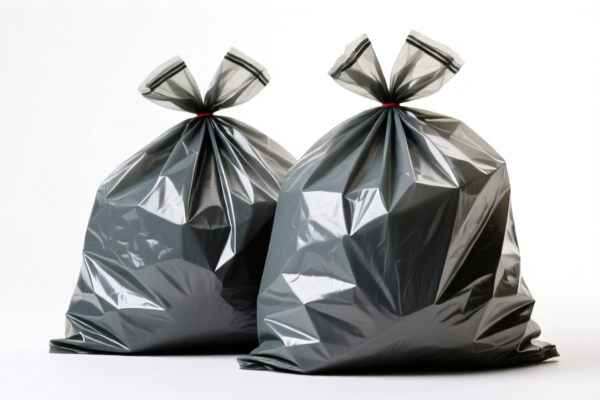
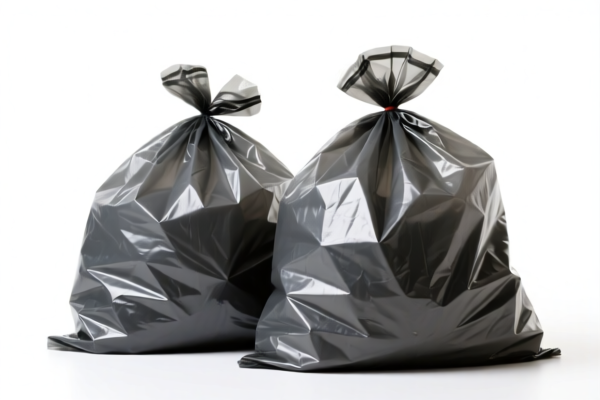

AI Analysis
🗑️ Garden Trash Bags (Metal & Plastic Rack/Holder Systems)
🌐 HS Code Reference & Customs Clearance Guide | 2026 Latest Tariff Analysis | Professional Strategy for US Import
📌 I. Product Definition & Classification: Is It "Furniture" or "Household Item"?
Garden Trash Bags, in the context of import classification, typically refer to the racks, holders, or stands designed to support trash bags in outdoor or garden settings. The classification heavily depends on the material composition and the functional nature of the product.
International trade distinguishes between:
- Metal Racks (Steel/Iron): Treated as manufactured articles of iron or steel.
- Plastic Racks/Accessories: Treated as plastic household articles or furniture parts.
- Functional Category: Is it a standalone household utility item, or a part/attachment for furniture (like a bin)?
⚠️ Key Distinction Point:
- If made of Steel/Iron, it falls under Chapter 73 (Articles of Iron or Steel).
- If made of Plastic, it falls under Chapter 39 (Plastics and Articles Thereof), specifically household goods or furniture parts.
- The Total Tax Rate varies drastically (from 13.4% to 88.4%) based on these material choices and specific sub-headings.
📦 II. HS Code Classification Details (2026 Latest Tariff Authority)
Based on the provided data, here are the four specific HS Codes for "Garden Trash Bag Racks/Holders" and their corresponding tax implications.
| HS Code | Product Description | Material/Category | Summary |
|---|---|---|---|
7323.99.90.80 |
Metal Trash Bag Rack (General Household Rack) | Metal (Iron/Steel) | Household article, rack class |
9403.70.40.31 |
Plastic Trash Bag Rack (Furniture Part) | Plastic | Furniture part/accessory |
7323.99.90.40 |
Metal Trash Bag Rack (Iron/Steel Article) | Metal (Iron/Steel) | Other article of iron/steel |
3924.90.56.50 |
Plastic Trash Bag Rack (General Household) | Plastic | Other household goods |
3924.10.40.00 |
Plastic Trash Bag Rack (Plastic Household) | Plastic | Plastic household ware |
🔍 Critical Note:
- Metal items are heavily targeted by Section 232 (Steel/Aluminum) and Section 301 tariffs, leading to rates up to 88.4%.
- Plastic items face lower base tariffs but are subject to Section 301 surcharges, ranging from 20.9% to 35.0%.
- Never assume all "racks" are classified together; material determines the chapter (73 vs. 39).
💰 III. 2026 Latest Tariff Rate Breakdown (Including Surcharges)
✅ Applicable Country: United States (US)
✅ Country of Origin: China (CN)
✅ Effective Time: Current Trade Policies (Post-2024 Adjustments)
🎯 1. 7323.99.90.80 —— Metal Trash Bag Rack (Household Rack)
| Item | Content |
|---|---|
| Base Tariff | 3.4% (Ad Valorem) |
| Section 301 Surcharge | +25.0% (From USITC Footnote 9903.88.01) |
| Section 232 Surcharge | +50.0% (Steel, Aluminum, Copper Products) |
| Total Tariff Rate | 88.4% |
| Tax Calculation | CIF Value × 88.4% |
| De Minimis Exemption | ❌ Not Eligible (High tariff items excluded) |
| Legal Basis | Section 232 + Section 301 + HTSUS 7323.99.90.80 |
📌 Explanation:
- This is the highest cost option. The 50% Section 232 tariff applies specifically to steel products.
- Combined with the 25% Section 301 tariff and 3.4% base, the total burden is nearly 90%.
- Risk: Very high. Profit margins will be severely compressed unless priced significantly higher.
🎯 2. 9403.70.40.31 —— Plastic Trash Bag Rack (Furniture Part)
| Item | Content |
|---|---|
| Base Tariff | 0.0% (Ad Valorem) |
| Section 301 Surcharge | +25.0% (From USITC Footnote 9903.88.01) |
| Section 232 Surcharge | N/A (Plastic is not steel/aluminum) |
| Total Tariff Rate | 35.0% |
| Tax Calculation | CIF Value × 35.0% |
| De Minimis Exemption | ❌ Not Eligible |
| Legal Basis | Section 301 + HTSUS 9403.70.40.31 |
📌 Explanation:
- Classified as a Furniture Part/Accessory.
- While base tariff is 0%, the 25% Section 301 surcharge applies.
- Note: The data indicates a total of 35.0%, implying an additional 10% may be applicable under specific "122 Clause" or other recent adjustments mentioned in the source (122条款关税10%).
- Advantage: Significantly cheaper than metal alternatives.
🎯 3. 7323.99.90.40 —— Metal Trash Bag Rack (Iron/Steel Article)
| Item | Content |
|---|---|
| Base Tariff | 3.4% (Ad Valorem) |
| Section 301 Surcharge | +25.0% (From USITC Footnote 9903.88.01) |
| Section 232 Surcharge | +50.0% (Steel, Aluminum, Copper Products) |
| Total Tariff Rate | 88.4% |
| Tax Calculation | CIF Value × 88.4% |
| De Minimis Exemption | ❌ Not Eligible |
| Legal Basis | Section 232 + Section 301 + HTSUS 7323.99.90.40 |
📌 Explanation:
- Similar to7323.99.90.80, this falls under Chapter 73 (Iron/Steel).
- Identical tax burden of 88.4%.
- Differentiation: Subtle difference in legal description ("Other articles" vs. "Rack class"), but tax impact is identical.
🎯 4. 3924.90.56.50 —— Plastic Trash Bag Rack (General Household)
| Item | Content |
|---|---|
| Base Tariff | 3.4% (Ad Valorem) |
| Section 301 Surcharge | +7.5% (Standard 301 Rate) |
| 122 Clause Surcharge | +10.0% (Specific Provision) |
| Total Tariff Rate | 20.9% |
| Tax Calculation | CIF Value × 20.9% |
| De Minimis Exemption | ❌ Not Eligible |
| Legal Basis | Section 301 + HTSUS 3924.90.56.50 |
📌 Explanation:
- Classified as "Other Household Articles" in plastic.
- Lower Section 301 rate (7.5%) compared to furniture parts (25%).
- Includes a 10% specific surcharge ("122 Clause").
- Advantage: One of the most cost-effective options for plastic products.
🎯 5. 3924.10.40.00 —— Plastic Trash Bag Rack (Plastic Household Ware)
| Item | Content |
|---|---|
| Base Tariff | 3.4% (Ad Valorem) |
| Section 301 Surcharge | 0.0% (Exempt or Specific Category) |
| 122 Clause Surcharge | +10.0% (Specific Provision) |
| Total Tariff Rate | 13.4% |
| Tax Calculation | CIF Value × 13.4% |
| De Minimis Exemption | ❌ Not Eligible |
| Legal Basis | HTSUS 3924.10.40.00 |
📌 Explanation:
- Classified under "Plastic Tableware/Kitchenware" or similar household ware.
- Zero Section 301 Surcharge (0%), only the base rate and the 10% clause.
- Advantage: Lowest Tax Rate (13.4%).
- Strategy: If the product can be legally classified here (e.g., as a generic plastic household holder rather than a "furniture part"), this is the optimal HS Code.
🛠️ IV. Customs Clearance Practical Advice (Avoid Pitfalls)
✅ 1. Material Declaration is Key
| Scenario | Correct Declaration | Risk of Misclassification |
|---|---|---|
| Metal Rack | "Stainless Steel Garbage Bag Holder, Household Use" | High. If misclassified as plastic, penalties apply. |
| Plastic Rack (Household) | "Plastic Trash Can Holder, Model X" | Low. Best rate (13.4%). |
| Plastic Rack (Furniture Part) | "Plastic Part for Outdoor Furniture Bin" | Medium. Higher rate (35.0%). |
| Mixed Material | Separate Metal vs. Plastic components | Complex. Must classify each part separately. |
✅ 2. Optimization Strategy for Cost Reduction
-
Choose Plastic over Metal:
- Metal items incur ~88.4% tax.
- Plastic items range from 13.4% to 35.0%.
- Savings: Up to 75% in tariffs.
-
Select the Right Plastic Sub-Heading:
- Avoid
9403.70.40.31(Furniture Part, 35.0%) if possible. - Aim for
3924.10.40.00(Plastic Household, 13.4%) or3924.90.56.50(General Household, 20.9%). - Tip: Ensure your product description emphasizes "Household Use" rather than "Furniture Attachment" to justify the lower rate.
- Avoid
-
Documentation Clarity:
- Clearly state "Plastic" or "Stainless Steel" in the commercial invoice.
- Provide material composition sheets if requested by CBP.
- Avoid vague terms like "Garden Accessory" without specifying material.
✅ 3. Special Considerations
| Issue | Solution |
|---|---|
| Section 232 (Steel) | If importing metal racks, budget for 50% additional tariff. Consider sourcing from non-China countries if possible. |
| Section 301 (China Origin) | All listed HS Codes are from China. No exemption for De Minimis (Section 321). All shipments >$800 are subject to duties. |
| Classification Dispute | If CBP challenges your HS Code, be prepared to provide product photos, catalogues, and material specs. |
🌍 V. Global Market Comparison (2026)
| Country | Recommended HS Code (Plastic) | Estimated Tax (China Origin) | Notes |
|---|---|---|---|
| 🇺🇸 USA | 3924.10.40.00 |
13.4% | Lowest effective rate. |
| 🇺🇸 USA | 7323.99.90.80 (Metal) |
88.4% | Avoid unless high-margin. |
| 🇪🇺 EU | Varies by Country | Varies | Generally lower base tariffs, but VAT applies. |
| 🇨🇳 China | Varies | 5-10% | Export side duties are minimal. |
📌 Conclusion:
- USA is the most critical market due to high Section 301 and 232 tariffs.
- Plastic products are significantly more competitive than metal ones for the US market.
- Optimize for3924.10.40.00to achieve the 13.4% rate.
📌 VI. Common Errors & Pitfalls (Lessons Learned)
❌ Error 1: Classifying a Metal Rack as a Plastic Item
👉 Consequence: Severe penalties, back taxes, and potential fraud charges.
❌ Error 2: Using "Garden Trash Bag" as the product name without specifying "Holder/Rack"
👉 Consequence: CBP may classify it under Chapter 39 (Bags) or Chapter 73 (Metal Articles) differently, leading to delays.
❌ Error 3: Ignoring the 122 Clause surcharge
👉 Consequence: Underpayment of duties by 10%, leading to audits.
✅ Correct Approach:
"Plastic Garden Trash Bag Holder, Household Use, Model XYZ, Made in China"
HS Code:3924.10.40.00
Total Duty: 13.4%
🎯 VII. Final Advice: Professional Classification, Profit Protection!
🎯 Remember the Golden Rule:
🔹 "Plastic is Cheaper, Metal is Expensive!"
🔹 "Household Item (13.4%) beats Furniture Part (35.0%)!"
🔹 "Always Declare Material Clearly!"
📌 Pro Tip:
If you are importing metal racks, consider:
1. Sourcing from Vietnam/Mexico (if possible) to avoid Section 301.
2. Re-evaluating product design to use more plastic components.
3. Pre-clearing the HS Code with a customs broker to avoid surprises.
📣 Immediate Action:
📞 Consult a licensed customs broker for Advance Ruling.
📄 Ensure your Commercial Invoice matches the HS Code description exactly.
🚀 Maximize Profit by Minimizing Duty!
✨ Professional Customs Clearance Starts with Accurate Classification!
💼 Every Percent Saved is Pure Profit!
Customer Reviews
About HS Code Classification
The Harmonized System (HS) is an internationally standardized nomenclature developed by the World Customs Organization (WCO) to classify traded products. Over 200 countries use the HS system as the basis for customs tariffs, trade statistics, and import/export regulations.
Each HS code follows a hierarchical structure:
- Chapter (2 digits) — Broad category of goods (e.g., Chapter 84: Machinery and Mechanical Appliances)
- Heading (4 digits) — More specific grouping within the chapter
- Subheading (6 digits) — Internationally standardized breakdown, used by all WCO member countries
- National subdivisions (8-10 digits) — Country-specific extensions for further classification, such as US HTSUS 10-digit codes
Correct HS code classification is essential for smooth customs clearance, accurate duty payment, and compliance with trade regulations. Misclassification can lead to customs delays, overpayment of duties, or penalties.
When importing from CN to US, the applicable tariff rates may include:
- Most-Favored-Nation (MFN) rate — The standard duty rate applied to WTO members
- General rate — Applied to countries without trade agreements
- Trade remedy duties — Additional tariffs such as Section 301 (anti-dumping), Section 232 (national security), or countervailing duties
The information provided on this page is for reference purposes only. For official classification, please consult with your local customs authority or a licensed customs broker.