garlic chopper
CN → US| HS Code | Tariff Rate | Origin | Destination | Doc |
|---|---|---|---|---|
| 8210000000 | 38.7% | CN | US | Official Doc |
| 3924104000 | 13.4% | CN | US | Official Doc |
| 7323930045 | 62.0% | CN | US | Official Doc |
| 8210000000 | 38.7% | CN | US | Official Doc |
Product Images
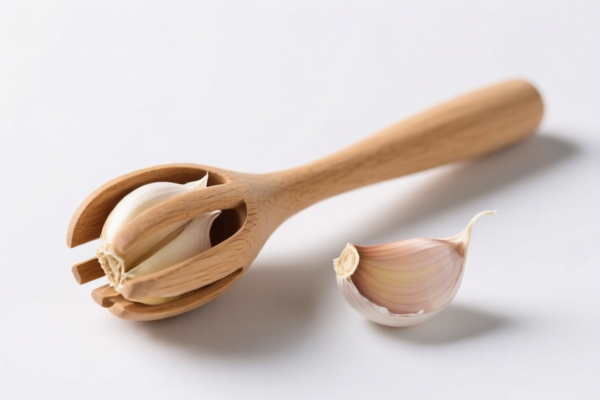
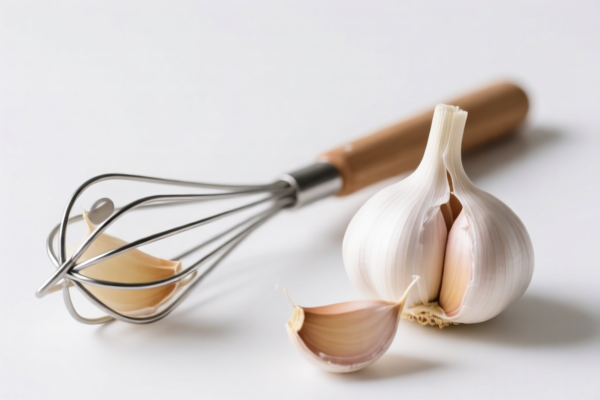
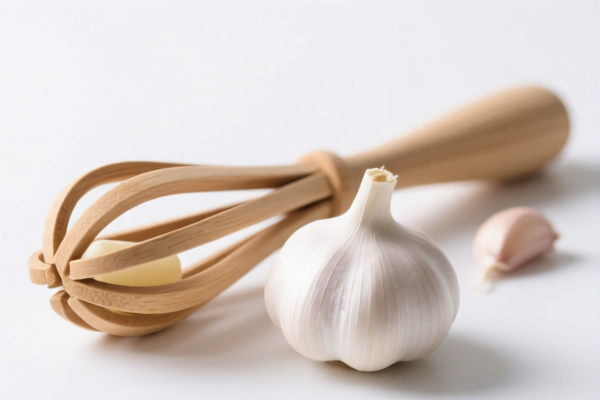
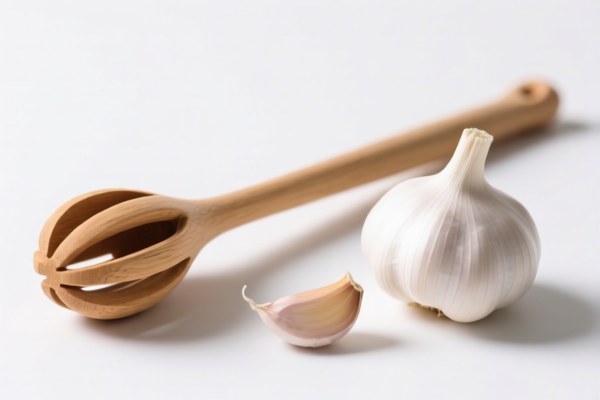
AI Analysis
🧄 Garlic Chopper (Manual Kitchen Tool)
🌐 HS Code Reference & Customs Clearance Guide | 2024/2025 Latest Tariff Analysis | Strategic Import Strategy
📌 1. Product Definition & Classification: What Exactly is a "Garlic Chopper"?
A garlic chopper is a small, handheld kitchen device designed to mince, chop, or crush garlic and other soft vegetables. In international trade, its classification depends strictly on material composition and mechanical structure. It is generally categorized as either a "manual mechanical appliance for food preparation" or a specific type of "table/kitchenware."
⚠️ Key Distinction Point:
- If the device is made of Plastic and operates as a manual press/masher → It is often classified under Plastic Tableware/Cookware (Chapter 39).
- If the device is made of Stainless Steel and is a manual mechanical tool → It falls under Manual Mechanical Appliances for Food Preparation (Chapter 82).
- If the device is made of Stainless Steel but is considered a general "Kitchen Utensil" rather than a "mechanical appliance" → It may fall under Iron/Steel Kitchenware (Chapter 73).
📦 2. HS Code Classification Details (Authority Cross-Reference)
Based on the provided data, the Garlic Chopper can be classified into three main HS Codes depending on the specific manufacturing material and design intent.
| HS Code | Product Description | Material | Application/Logic |
|---|---|---|---|
8210.00.00.00 |
Manual Mechanical Appliances for Preparing or Cooking Food | Plastic or Steel (Mechanical) | Most Common: Defined as a manual mechanical tool for food prep. Fits the definition of hand-operated mechanical appliances weighing <10kg. |
3924.10.40.00 |
Tableware, Kitchenware, Other Household Articles | Plastic | Plastic Specific: If the chopper is entirely plastic and considered a "dish/cookware" item rather than a mechanical appliance. |
7323.93.00.45 |
Articles of Table/Lining Kitchenware of Iron or Steel | Stainless Steel | Steel Kitchenware: If viewed strictly as a steel kitchen utensil/cookware item rather than a mechanical appliance. |
🔍 Critical Note:
-8210.00.00.00is the safest bet for any material if the item is clearly a "manual mechanical appliance" (e.g., has a pressing mechanism).
-3924.10.40.00is specific to Plastic items classified as kitchenware.
-7323.93.00.45is specific to Stainless Steel items classified as kitchen utensils.
💰 3. 2024/2025 Latest Tariff Rate Breakdown (Including Surcharges)
✅ Applicable Country: United States (US)
✅ Origin: China (CN)
✅ Effective Time: Current as of latest trade data
🎯 1. 8210.00.00.00 —— Manual Mechanical Appliances for Food Prep
(Applicable to Plastic or Steel Mechanical Choppers)
| Item | Detail |
|---|---|
| Base Tariff | 3.7% (ad valorem) |
| Section 301 Surcharge | +25.0% (USITC Footnote 9903.88.01) |
| Section 122 Tariff | +10.0% (Specific to this classification) |
| Total Tariff Rate | 38.7% |
| Calculation | CIF Value × 38.7% |
| De Minimis Exemption | ❌ Not Eligible (High tariff rate prevents de minimis clearance) |
| Legal Path | HTSUS:8210.00.00.00 → USITC:Footnote 9903.88.01 → Section 122 Regulation |
📌 Explanation:
- The 3.7% is the standard MFN (Most Favored Nation) duty.
- The 25.0% is the standard Section 301 tariff for Chinese goods in this chapter.
- The 10% is an additional levy applicable under specific trade provisions for this subheading.
- Total 38.7% makes this a high-cost entry point. Cost optimization strategies are essential.
🎯 2. 3924.10.40.00 —— Plastic Tableware/Cookware
(Applicable ONLY to All-Plastic Garlic Choppers)
| Item | Detail |
|---|---|
| Base Tariff | 3.4% (ad valorem) |
| Section 301 Surcharge | 0.0% (Exempt for some plastic categories, but verify current status) |
| Section 122 Tariff | +10.0% |
| Total Tariff Rate | 13.4% |
| Calculation | CIF Value × 13.4% |
| De Minimis Exemption | ❌ Not Eligible (Due to Section 122 and origin rules) |
| Legal Path | HTSUS:3924.10.40.00 → Section 122 Regulation |
📌 Explanation:
- This is the most cost-effective option if the product is made of plastic.
- The 13.4% total rate is significantly lower than the 38.7% for mechanical appliances.
- Risk: If customs inspectors determine the plastic chopper has mechanical components that qualify it as a "mechanical appliance," they may reclassify it to8210.00.00.00, leading to a tax bill increase of 25.3%.
🎯 3. 7323.93.00.45 —— Stainless Steel Kitchenware
(Applicable ONLY to Stainless Steel Choppers)
| Item | Detail |
|---|---|
| Base Tariff | 2.0% (ad valorem) |
| Section 301 Surcharge | 0.0% |
| Section 122 Tariff | +10.0% |
| Steel/Aluminum/Copper Surcharge | +50.0% (Specific surcharge for steel articles) |
| Total Tariff Rate | 62.0% |
| Calculation | CIF Value × 62.0% |
| De Minimis Exemption | ❌ Not Eligible |
| Legal Path | HTSUS:7323.93.00.45 → Steel Surcharge Regulation |
📌 Explanation:
- This is the most expensive option.
- The 50% surcharge for steel products drastically increases the duty burden.
- Recommendation: Avoid this classification for garlic choppers if possible. Even if made of stainless steel, consider classifying as8210.00.00.00(38.7%) if it can be argued as a "mechanical appliance," which is still significantly cheaper than 62.0%.
🛠️ 4. Customs Clearance Practical Advice (Pitfall Avoidance Guide)
✅ 1. Preparation Checklist (Mandatory Documents)
| Document | Required? | Notes |
|---|---|---|
| ✅ Product Specifications | ✔️ | Must detail material (Plastic vs. Steel), weight (<10kg), and mechanism (manual press). |
| ✅ Product Photos | ✔️ | Show the entire device, brand, model, and any moving parts. |
| ✅ Commercial Invoice | ✔️ | Clearly state "Garlic Chopper" or "Manual Food Chopper." Avoid vague terms like "Kitchen Tool." |
| ✅ Material Declaration | ✔️ | Explicitly state "100% Plastic" or "Stainless Steel 304." Misdeclaration leads to penalties. |
| ✅ Certificate of Origin | ✔️ | Needed to verify Country of Origin (China) for tariff application. |
✅ 2. Declaration Strategy (Key Mantras)
🔥 “Material Dictates Code, Mechanical Function Wins for 8210, Plastic Kitchenware for 3924, Steel Kitchenware is a Trap!”
| Scenario | Correct Declaration | Wrong Declaration | Consequence |
|---|---|---|---|
| All-Plastic Chopper | 3924.10.40.00 (Plastic Tableware) |
8210.00.00.00 (Mechanical Appliance) |
Overpaying 25.3% tax! |
| Stainless Steel Chopper | 8210.00.00.00 (Mechanical Appliance) |
7323.93.00.45 (Steel Kitchenware) |
Overpaying 23.3% tax! |
| Any Chopper | Specify "Manual" | "Electric Garlic Mincer" | Wrong Chapter (85xx) + High Tax |
📌 Key Insight:
- For Plastic choppers, fight to keep the3924.10.40.00classification. Emphasize it is a "tableware item" made of plastic, not a complex mechanical device.
- For Stainless Steel choppers, avoid7323.93.00.45at all costs. Argue it is a "manual mechanical appliance" (8210.00.00.00) because it performs a specific mechanical function (chopping/crushing) via a lever or press, which is cheaper (38.7% vs 62.0%).
✅ 3. Special Cases
| Case | Advice |
|---|---|
| Hybrid Materials (e.g., Steel blade + Plastic handle) | Classify under 8210.00.00.00. The primary function is mechanical food prep. Avoid splitting. |
| OEM Custom Designs | Ensure the design description matches the HS Code definition. If it looks like a simple press, use 3924 (if plastic) or 8210 (if steel). |
| Sets with Accessories | If sold with a cleaning brush or storage case, declare as a set under the principal article (the chopper). Do not split. |
🌍 5. Global Market Comparison (2024/2025)
| Country/Region | Recommended HS Code | Tariff (Approx.) | Certification | Notes |
|---|---|---|---|---|
| 🇺🇸 USA | 3924.10.40.00 (Plastic)8210.00.00.00 (Steel/General) |
13.4% (Plastic) 38.7% (Steel/Mech) |
FDA (Food Contact), Prop 65 | Avoid 7323 (62% tax). |
| 🇨🇳 China | 3924.10.40.008210.00.00.00 |
Low (0-10%) | None required for import | Export market focus. |
| 🇪🇺 EU | 3924.10.40.008210.00.00.00 |
4.2% - 6.5% | LFGB, REACH, Food Contact | No Section 301/122 issues. |
| 🇬🇧 UK | Same as EU | 4.2% - 6.5% | UKCA, Food Standards | Post-Brexit rules apply. |
📌 Conclusion:
- The USA is the most complex market due to Section 301 and Section 122 tariffs.
- Plastic choppers are the most tariff-efficient for the US market (13.4%).
- Stainless Steel choppers are the most expensive (38.7% or 62.0%). Consider designing with more plastic components to reduce duty costs if possible.
📌 6. Common Errors & Pitfalls (Lessons Learned)
❌ Error 1: Classifying a Stainless Steel chopper as 7323.93.00.45
👉 Consequence: Tax jumps to 62.0%.
✅ Fix: Reclassify as 8210.00.00.00 (38.7%) by emphasizing its mechanical function.
❌ Error 2: Classifying a Plastic chopper as 8210.00.00.00
👉 Consequence: Tax jumps to 38.7%.
✅ Fix: Reclassify as 3924.10.40.00 (13.4%) by emphasizing it is plastic tableware.
❌ Error 3: Vague Description "Kitchen Tool"
👉 Consequence: Customs may reclassify to the highest applicable rate or require additional review.
✅ Fix: Use specific terms: "Plastic Garlic Mincer" or "Stainless Steel Manual Food Chopper."
✅ Correct Declaration Example:
"Garlic Chopper, Manual, 100% Plastic, Hand-Operated Press, Model XYZ, For Home Kitchen Use."
🎯 7. Conclusion: Professional Classification, Cost Optimization!
🎯 Remember:
🔹 "Plastic = 13.4% (Classify as Tableware)"
🔹 "Steel/Mechanical = 38.7% (Classify as Appliance)"
🔹 "Steel/Kitchenware = 62.0% (Avoid!)"🔹 "HS Code Decision = Profit Margin Decision"
📌 Tips:
- If your garlic chopper is made of stainless steel, consider if adding plastic components (handle, base) can help justify the 8210 classification instead of 7323.
- Always request a Pre-Ruling from CBP if the product is borderline between plastic tableware and mechanical appliances.
- For Plastic choppers, ensure the "Food Contact" materials declaration is accurate to avoid FDA holds.
📣 Immediate Action:
📞 Consult a licensed customs broker + Provide Product Samples + Apply for HS Code Pre-Ruling
🚀 Optimize your supply chain, reduce duty costs, and boost your margins!
✨ Professional Customs Clearance Starts with Accurate Classification!
💼 Every Dollar Saved in Duty is Pure Profit!
Customer Reviews
About HS Code Classification
The Harmonized System (HS) is an internationally standardized nomenclature developed by the World Customs Organization (WCO) to classify traded products. Over 200 countries use the HS system as the basis for customs tariffs, trade statistics, and import/export regulations.
Each HS code follows a hierarchical structure:
- Chapter (2 digits) — Broad category of goods (e.g., Chapter 84: Machinery and Mechanical Appliances)
- Heading (4 digits) — More specific grouping within the chapter
- Subheading (6 digits) — Internationally standardized breakdown, used by all WCO member countries
- National subdivisions (8-10 digits) — Country-specific extensions for further classification, such as US HTSUS 10-digit codes
Correct HS code classification is essential for smooth customs clearance, accurate duty payment, and compliance with trade regulations. Misclassification can lead to customs delays, overpayment of duties, or penalties.
When importing from CN to US, the applicable tariff rates may include:
- Most-Favored-Nation (MFN) rate — The standard duty rate applied to WTO members
- General rate — Applied to countries without trade agreements
- Trade remedy duties — Additional tariffs such as Section 301 (anti-dumping), Section 232 (national security), or countervailing duties
The information provided on this page is for reference purposes only. For official classification, please consult with your local customs authority or a licensed customs broker.