general purpose animal coats breathable
CN → US| HS Code | Tariff Rate | Origin | Destination | Doc |
|---|---|---|---|---|
| 6114909070 | 15.6% | CN | US | Official Doc |
| 6114200055 | 28.3% | CN | US | Official Doc |
| 4201006000 | 37.8% | CN | US | Official Doc |
| 6214900090 | 28.8% | CN | US | Official Doc |
| 4201006000 | 37.8% | CN | US | Official Doc |
Product Images
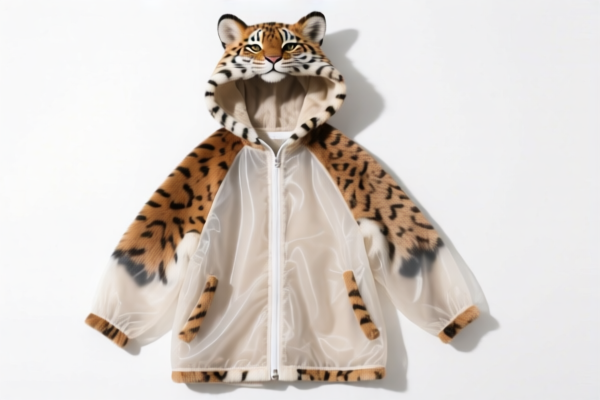
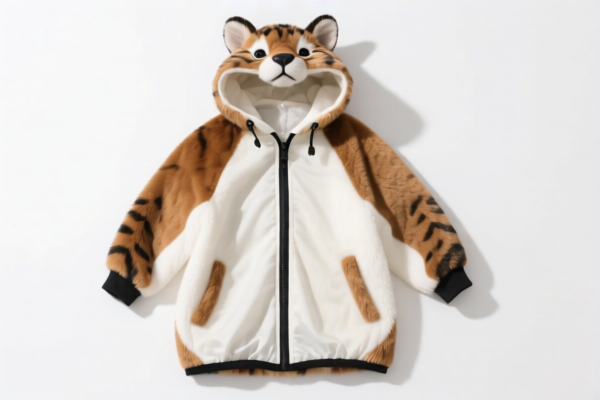
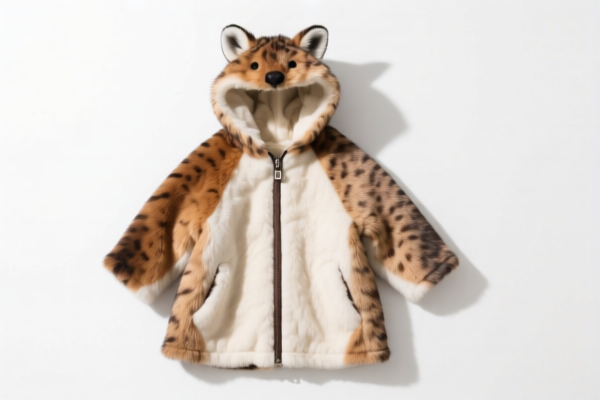
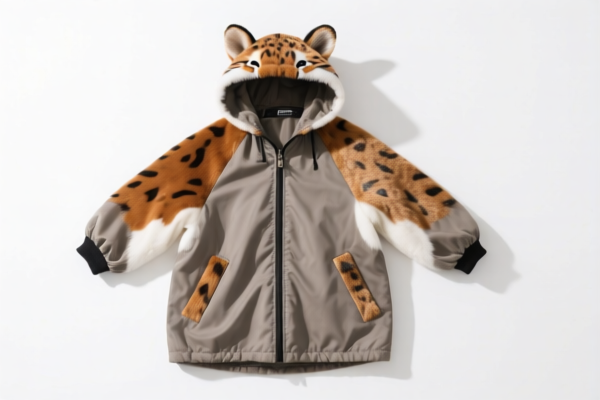
AI Analysis
🐕 General Purpose Animal Coats (Breathable)
🌐 HS Code Reference & Customs Clearance Guide | 2026 Latest Tariff Analysis | Professional Clearance Strategy
📌 I. Product Definition & Classification: Do You Really Understand "Animal Coats"?
Animal coats, particularly those designed for general-purpose use and featuring breathable materials, are primarily classified based on their intended use (animal vs. human) and material composition. In international trade, the distinction between "human apparel" and "animal products" is critical, as it significantly impacts tariff rates.
Breathable Animal Coats: These are garments designed for pets (dogs, cats, etc.), made from textile materials that allow air circulation. They are distinct from human clothing, even if they look similar.
⚠️ Key Distinction Point:
- If the product is explicitly for animals (e.g., labeled "Dog Coat," "Pet Jacket") and fits the morphology of an animal garment → It falls under Chapter 42 (Articles of Animal Leather) or potentially Chapter 61/62 if classified as textile apparel for animals (though Chapter 42 is often the default for specific animal wear unless specified otherwise).
- If the product is for humans but made of similar breathable textiles → It falls under Chapter 61 (Knitted/Hooked) or Chapter 62 (Non-knitted).
- Misclassification Risk: Declaring a dog coat as human apparel to avoid higher tariffs is a major compliance violation. Customs agents will inspect morphology, labels, and marketing materials.
📦 II. HS Code Classification Details (2026 Latest Tariff Authority Comparison)
Based on the provided data, here are the possible classifications and their rationales:
| HS Code | Product Description | Rationale from Data | Total Tax Rate |
|---|---|---|---|
6114.90.90.70 |
Knitted/Hooked Garments (Human Apparel Category) | "Determined as knitted/hooked garments, shape resembles outerwear, material inferred as textile." | 15.6% |
6114.20.00.55 |
Other Knitted/Hooked Garments (Human Apparel) | "Belongs to non-specific category of garments, fits residual logic of other categories, no material conflict." | 28.3% |
4201.00.60.00 |
Articles of Animal Leather (Animal Use) | "Use fits animal application, shape resembles outerwear, material inferred as fabric or synthetic fiber." | 37.8% |
6214.90.00.90 |
Woven Garments (Human Apparel) | "Belongs to clothing outerwear category, no material conflict, fits other textile materials scope." | 28.8% |
4201.00.60.00 |
Articles of Animal Leather (Animal Use - Dog Clothes) | "Use is animal clothing, shape is outerwear, material inferred as textile, consistent with dog clothes and similar products." | 37.8% |
🔍 Critical Analysis:
- HS Code4201.00.60.00is the most likely correct classification for breathable animal coats because it explicitly addresses animal use ("Animal Use" and "Dog Clothes" mentioned in summaries). Despite the name "Leather" in Chapter 42, it often covers other materials used for animal gear.
- HS Codes6114and6214classify the item as human apparel. Using these codes for pet coats is highly risky and may lead to misdeclaration penalties unless the product is clearly marketed and designed for humans (e.g., a human-sized "pet-owner matching coat").
- The data shows a significant tax difference: 15.6% for knitted human apparel vs. 37.8% for animal apparel. This creates a strong incentive for misclassification, which customs authorities actively monitor.
💰 III. 2026 Latest Tariff Rate Breakdown (Including Surcharges & Policy Add-ons)
✅ Applicable Country: United States (US)
✅ Origin: China (CN)
✅ Effective Date: From November 10, 2025 (including subsequent imports)
🎯 1. 4201.00.60.00 —— Articles of Animal Leather (Correct for Pet Coats)
| Item | Content |
|---|---|
| Base Tariff | 2.8% |
| Section 301 Surcharge | +25.0% |
| 122-Clause Tariff | +10.0% |
| Total Tariff Rate | 37.8% |
| Tax Calculation | CIF Value × 37.8% |
| De Minimis Exemption | ❌ Not Eligible (deny_de_minimis) |
| Legal Basis Path | Section 301: 25% → 122-Clause: 10% → HS: 4201.00.60.00 |
📌 Explanation:
- This is the correct classification for breathable animal coats.
- The 37.8% total rate is high due to the combination of base tariff and US-China trade war tariffs (Section 301 + 122-Clause).
- No de minimis exemption applies, meaning even small shipments are subject to full duty assessment.
🎯 2. 6114.90.90.70 —— Knitted Human Outerwear (Incorrect for Pet Coats)
| Item | Content |
|---|---|
| Base Tariff | 5.6% |
| Section 301 Surcharge | 0.0% |
| 122-Clause Tariff | +10.0% |
| Total Tariff Rate | 15.6% |
| Tax Calculation | CIF Value × 15.6% |
| De Minimis Exemption | ❌ Not Eligible |
| Legal Basis Path | 122-Clause: 10% → HS: 6114.90.90.70 |
⚠️ Warning:
- While the 15.6% rate is significantly lower, using this HS code for animal coats constitutes misdeclaration.
- If customs determines the item is for animals, they will reassess at 37.8%, issue a penalty, and potentially seize the goods.
🛠️ IV. Customs Clearance Practical Advice (Battle-Tested Pitfall Avoidance)
✅ 1. Preparation Checklist (All Documents Required)
| Document | Mandatory | Description |
|---|---|---|
| ✅ Product Specification Sheet | ✔️ | Must clearly state "For Pets/Animals," material composition (e.g., Polyester, Mesh), and size range. |
| ✅ Product Photos (Labeled) | ✔️ | Clear images showing pet-specific features (e.g., leash hole, harness cutout, dog-shaped cut) and labels reading "Dog Coat". |
| ✅ Commercial Invoice | ✔️ | Description must be precise: "Breathable Dog Coat, Knitted, Polyester, Size M." Avoid vague terms like "Garment." |
| ✅ Marketing Materials | ✔️ | Website screenshots or packaging images proving the product is marketed for pets. |
| ✅ Origin Certificate (CO) | ✔️ | If non-China origin, claim preferential rates if applicable. |
| ✅ Packing List | ✔️ | Detail contents, ensuring no human-sized accessories are included that could confuse classification. |
✅ 2. Declaration Tips (Key Mnemonic)
🔥 "Pet Products, Pet HS; Human Labels, Human HS; Mislabeling, Heavy Penalties!"
| Scenario | Correct Declaration | Incorrect Action |
|---|---|---|
| Dog Coat with Leash Hole | 4201.00.60.00 (Animal Use) |
Declare as 6114 (Human Knit) → High Risk |
| Human Jacket (Breathable) | 6114.90.90.70 or 6214.90.00.90 |
Declare as Animal Use → Unnecessary High Tax |
| Product with "Pet" Label | 4201.00.60.00 |
Remove label and declare as Human → Fraud |
✅ 3. Special Cases
| Scenario | Handling Advice |
|---|---|
| Unisex Pet/Human Matching Coats | Declare based on primary use. If marketed to pet owners for their pets, use 4201.00.60.00. |
| Knitted vs. Woven | Ensure material description matches the HS code. Knitted → 61xx; Woven → 62xx; Animal Use → 4201. |
| Samples for Inspection | Clearly mark as "Sample for Pet Product Inspection" but still declare under 4201.00.60.00. |
🌍 V. Global Market Comparison (2026 Latest)
| Country/Region | Recommended HS Code | Tariff Rate | Certification Requirement | Remarks |
|---|---|---|---|---|
| 🇺🇸 USA | 4201.00.60.00 |
37.8% | None Specific | High tariff due to Section 301 + 122-Clause. |
| 🇨🇳 China | 4201.00.60.00 |
Low | None | Domestic sales have minimal tariff impact. |
| 🇪🇺 EU | 4201.00.60.00 |
Low | REACH (Chemical Safety) | No Section 301 tariffs; focus on chemical compliance. |
| 🇬🇧 UK | 4201.00.60.00 |
Low | UKCA | Post-Brexit regulations apply. |
| 🇦🇺 Australia | 4201.00.60.00 |
Low | None | Competitive market, low barriers. |
📌 Conclusion:
- The US market imposes a 37.8% tariff on animal coats from China, significantly higher than human apparel.
- Compliance is key: Do not attempt to misclassify pet coats as human apparel to save costs. The risk of audits, penalties, and shipment holds outweighs the 22.2% tariff difference.
📌 VI. Common Errors & Pitfall Guide (Lessons Learned)
❌ Error 1: Declaring a dog coat as "Knitted Sweater" (6114) to pay 15.6% instead of 37.8%.
👉 Consequence: Customs inspection reveals leash hole and pet sizing → Back taxes + 25% penalty.
❌ Error 2: Vague description "Textile Garment" without specifying use.
👉 Consequence: Customs assigns default HS code (often higher) or delays clearance for classification review.
❌ Error 3: Ignoring "122-Clause" tariff.
👉 Consequence: Underpayment of 10% → Interest and penalties.
❌ Error 4: Packaging includes human-sized items without separate declaration.
👉 Consequence: Mixed classification risk → Complex audit.
✅ Correct Approach:
"Breathable Dog Coat, Knitted Polyester, Size M, Designed for Canines, Labeled for Pet Use, Model XYZ"
🎯 VII. Conclusion: Precise Declaration, Cost Control, Risk Mitigation
🎯 Remember the Mnemonic:
🔹 "Pet Coats, Code 4201; Human Coats, Code 6114; Mix Them Up, Pay the Price!"
🔹 "Tax Rate 37.8% is Standard for Pets; Don’t Gamble with 15.6%!"
📌 Tips:
- If your product is exclusively for humans but has a breathable textile design, use 6114.90.90.70 (15.6%) or 6214.90.00.90 (28.8%).
- If it is for pets, use 4201.00.60.00 (37.8%).
- Apply for an Advance Ruling if uncertain, to get a binding determination from US Customs and Border Protection (CBP).
📣 Immediate Action:
📞 Consult a licensed customs broker + Provide product photos + Declare accurately under 4201.00.60.00
🚀 Ensure smooth clearance, compliance, and long-term supply chain stability in the US market.
✨ Professional Customs Clearance Starts with Accurate Classification!
💼 Every Percent of Tax Matters; Don’t Leave It to Chance!
Customer Reviews
About HS Code Classification
The Harmonized System (HS) is an internationally standardized nomenclature developed by the World Customs Organization (WCO) to classify traded products. Over 200 countries use the HS system as the basis for customs tariffs, trade statistics, and import/export regulations.
Each HS code follows a hierarchical structure:
- Chapter (2 digits) — Broad category of goods (e.g., Chapter 84: Machinery and Mechanical Appliances)
- Heading (4 digits) — More specific grouping within the chapter
- Subheading (6 digits) — Internationally standardized breakdown, used by all WCO member countries
- National subdivisions (8-10 digits) — Country-specific extensions for further classification, such as US HTSUS 10-digit codes
Correct HS code classification is essential for smooth customs clearance, accurate duty payment, and compliance with trade regulations. Misclassification can lead to customs delays, overpayment of duties, or penalties.
When importing from CN to US, the applicable tariff rates may include:
- Most-Favored-Nation (MFN) rate — The standard duty rate applied to WTO members
- General rate — Applied to countries without trade agreements
- Trade remedy duties — Additional tariffs such as Section 301 (anti-dumping), Section 232 (national security), or countervailing duties
The information provided on this page is for reference purposes only. For official classification, please consult with your local customs authority or a licensed customs broker.