glasses cloth
CN → US| HS Code | Tariff Rate | Origin | Destination | Doc |
|---|---|---|---|---|
| 5603110070 | 35.0% | CN | US | Official Doc |
| 6307102028 | 22.8% | CN | US | Official Doc |
| 6307102015 | 22.8% | CN | US | Official Doc |
| 5603110010 | 35.0% | CN | US | Official Doc |
| 4202128980 | 52.6% | CN | US | Official Doc |
Product Images
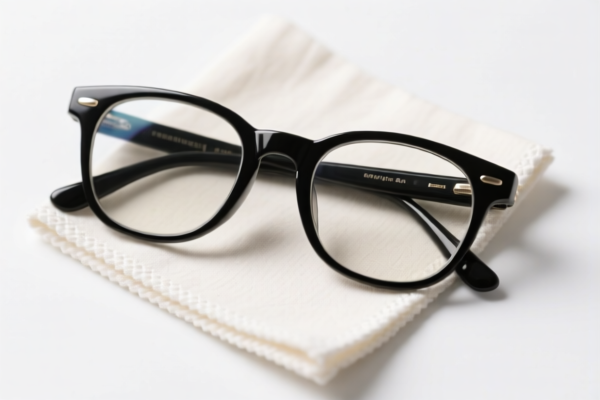
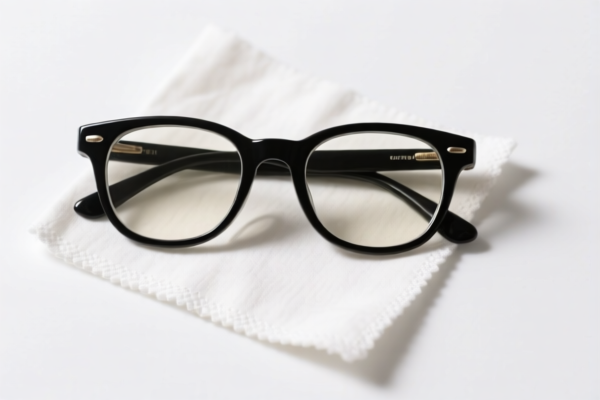
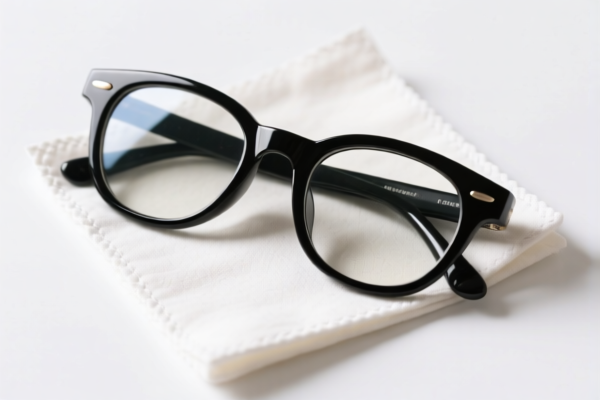
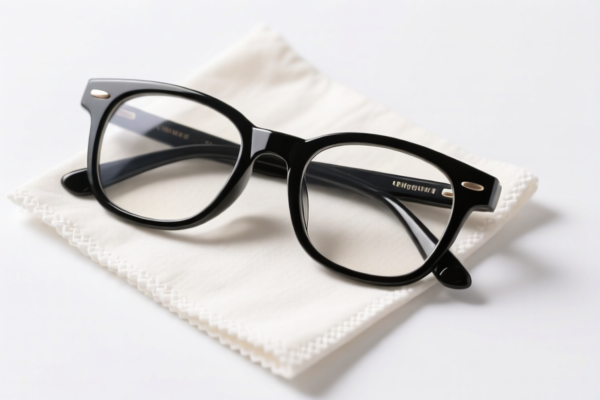
AI Analysis
🕶️ Glasses Cloth (Optical Cleaning Cloths)
🌐 HS Code Reference & Customs Clearance Guide | 2026 Latest Tariff Analysis | Professional Compliance Strategy
📌 I. Product Definition & Classification: What Exactly is a "Glasses Cloth"?
In international trade, a "glasses cloth" is not a single standardized product but a functional item used for cleaning optical lenses. Its Harmonized System (HS) classification depends entirely on its material composition and manufacturing process.
Generally, it falls into one of two main categories:
1. Textile/Cleaning Cloths (Woven/Non-woven Fabrics): If made of microfiber (woven or non-woven) primarily for cleaning, it is classified under Chapter 63.
2. Non-woven Fabrics (Unfelted): If the primary characteristic is the non-woven manufacturing process (often spunbond/meltblown) rather than the cleaning function, it may fall under Chapter 56.
3. Protective Cases/Covers: If the item is a rigid or semi-rigid case/cover for glasses, it falls under Chapter 42.
⚠️ Key Distinction:
- Pure Cleaning Cloth (Microfiber/Textile): → Chapter 63 (Lower Tax)
- Non-woven Fabric Roll/Sheet (Raw Material/Form): → Chapter 56 (Medium Tax)
- Glasses Case/Cover: → Chapter 42 (Highest Tax)
📦 II. HS Code Classification Details (2026 Latest Tariff Data)
Based on the provided data, here are the specific HS Codes and their logical classifications:
| HS Code | Product Description | Classification Logic | Tax Profile |
|---|---|---|---|
6307.10.20.28 |
Glasses Cloth (Cleaning Cloth) | Falls under "Other made-up articles" – specifically cleaning cloths, dusters, and similar cleaning fabrics (e.g., superfine fiber or woven). | 22.8% |
6307.10.20.15 |
Glasses Cloth (Superfine Fiber) | Classified as a cleaning cloth made of superfine fiber or woven fabric. No material conflict with workshop rags. | 22.8% |
5603.11.00.10 |
Non-woven Fabric (Synthetic Fibers) | Inferred as superfine fiber non-woven fabric. Classified under "Non-woven fabrics" based on material logic. | 35.0% |
5603.11.00.70 |
Non-woven Fabric (Man-made Filaments) | Based on common sense, glasses cloths are often superfine fiber (man-made filaments). Fits the "Non-woven articles" category. | 35.0% |
4202.12.89.80 |
Glasses Case/Cover | Classified as a similar container/protective shell. Outer surface is textile or plastic. Falls under the "catch-all" category for textile-covered containers. | 52.6% |
🔍 Critical Note:
-6307.10is the most common and favorable code for actual cloths used for cleaning.
-5603.11applies if the item is considered primarily as a fabric material rather than a finished cleaning tool.
-4202.12applies if you are importing a case or pouch, not just the cloth.
💰 III. 2026 Latest Tariff Rate Breakdown (Including Surcharges)
✅ Applicable Country: United States (US)
✅ Origin: China (CN)
✅ Effective Date: 2025 onwards
🎯 1. Low Tax Bracket: Cleaning Cloths (HS 6307.10)
Codes: 6307.10.20.28 / 6307.10.20.15
Total Tax Rate: 22.8%
| Item | Detail |
|---|---|
| Basic Tariff | 5.3% |
| Section 301 Tariff (Trade War) | 7.5% |
| Section 122 Tariff (Specific List) | 10.0% |
| Total Effective Rate | 22.8% |
| Calculation Basis | CIF Value × 22.8% |
| De Minimis Exemption | ❌ Not Eligible (High tax rates disqualify from $800 de minimis entry) |
📌 Explanation:
- The 5.3% is the standard Most Favored Nation (MFN) duty.
- The 7.5% is the additional duty under Section 301 (List 4).
- The 10.0% is a specific surcharge (often referred to as "122 Clause" in some contexts, likely referring to specific retaliatory or supplementary tariffs).
- Total: 22.8%. This is the target rate for simple cleaning cloths.
🎯 2. Medium Tax Bracket: Non-woven Fabrics (HS 5603.11)
Codes: 5603.11.00.10 / 5603.11.00.70
Total Tax Rate: 35.0%
| Item | Detail |
|---|---|
| Basic Tariff | 0.0% |
| Section 301 Tariff | 25.0% |
| Section 122 Tariff | 10.0% |
| Total Effective Rate | 35.0% |
| Calculation Basis | CIF Value × 35.0% |
| De Minimis Exemption | ❌ Not Eligible |
📌 Explanation:
- While the basic tariff is 0%, the high Section 301 surcharge (25%) pushes the total cost up significantly.
- This code is riskier if the item is clearly a "cleaning cloth" rather than "fabric." Misclassification can lead to audits.
🎯 3. High Tax Bracket: Glasses Cases/Covers (HS 4202.12)
Code: 4202.12.89.80
Total Tax Rate: 52.6%
| Item | Detail |
|---|---|
| Basic Tariff | 17.6% |
| Section 301 Tariff | 25.0% |
| Section 122 Tariff | 10.0% |
| Total Effective Rate | 52.6% |
| Calculation Basis | CIF Value × 52.6% |
| De Minimis Exemption | ❌ Not Eligible |
📌 Explanation:
- This is the most expensive category.
- Warning: Do NOT use this code for a simple cleaning cloth. Using4202for a cloth is a misclassification error. Use6307instead.
🛠️ IV. Customs Clearance Practical Advice
✅ 1. Essential Documentation Checklist
| Document | Required? | Notes |
|---|---|---|
| Product Specification Sheet | ✔️ | Must specify: Material (e.g., 80% Polyester, 20% Polyamide), Weave Type (e.g., Woven vs. Non-woven), Function (Cleaning). |
| Material Composition Proof | ✔️ | Critical for distinguishing between HS 6307 (Textile/Cleaning) and HS 5603 (Non-woven Fabric). |
| Commercial Invoice | ✔️ | Describe accurately: "Microfiber Cleaning Cloth for Eyewear," NOT "Glasses Case" if it’s just a cloth. |
| Packing List | ✔️ | Show net weight and gross weight. |
| Photo of Product | ✔️ | Clear image showing texture and usage. |
✅ 2. Declaration Tips (Avoid Pitfalls)
| Scenario | Correct Declaration | Incorrect Declaration |
|---|---|---|
| Microfiber Cloth | "Microfiber Cleaning Cloth, Woven" → HS 6307.10.20.28 | "Glasses Cover" → HS 4202 (Wrong, 52.6% tax) |
| Non-woven Wipes | "Non-woven Cleaning Wipes, Synthetic Fiber" → HS 5603.11.00.10 | "Textile Rags" → HS 6307 (Wrong, may trigger audit if material differs) |
| Glasses Case | "Textile Glasses Case" → HS 4202.12.89.80 | "Cleaning Cloth" → HS 6307 (Wrong, misclassification penalty) |
✅ 3. Strategic Recommendations
- Aim for HS 6307.10: If your product is a simple cloth for cleaning lenses, insist on the classification under Chapter 63. The 22.8% rate is significantly lower than 35.0% (Chapter 56) and 52.6% (Chapter 42).
- Clarify Material: Ensure your supplier provides a material composition statement. If the cloth is 100% polyester microfiber, it supports the HS 6307 classification.
- Avoid "Case" Terminology: In invoices and marketing materials, use "Cleaning Cloth," "Lens Wipe," or "Microfiber Rag." Avoid words like "Case," "Cover," or "Protective Shell" unless you are actually importing a hard/soft case.
- Pre-shipment Audit: For large shipments, consider applying for an Advance Ruling from US Customs and Border Protection (CBP) to lock in the HS 6307 classification and avoid surprises at the port.
🌍 V. Global Market Comparison (2026)
| Country/Region | Recommended HS Code | Total Tax Rate (China Origin) | Key Requirements |
|---|---|---|---|
| 🇺🇸 USA | 6307.10.20.28 |
22.8% | Section 301 + Section 122 Surcharges |
| 🇪🇺 EU | 6307.90 (Typical) |
~4-6% | CE Marking (if applicable), REACH Compliance |
| 🇨🇳 China | 6307.90 |
~5-10% | Standard Import Tax |
| 🇬🇧 UK | 6307.90 |
~4-6% | Post-Brexit Tariffs Apply |
📌 Conclusion:
- The USA has the highest effective tax rate for cleaning cloths due to multiple layers of surcharges.
- Correct classification (HS 6307 vs. HS 4202) can save you up to 30% in duties.
📌 VI. Common Errors & Pitfalls
❌ Error 1: Declaring a cleaning cloth as a "Glasses Case" (HS 4202)
👉 Consequence: You pay 52.6% instead of 22.8%. Double the tax!
❌ Error 2: Declaring a woven microfiber cloth as "Non-woven Fabric" (HS 5603)
👉 Consequence: You pay 35.0% instead of 22.8%. Unnecessary cost increase.
❌ Error 3: Ambiguous product description ("Optical Accessory")
👉 Consequence: Customs holds the shipment for classification review. Delays + Demurrage Fees.
✅ Correct Practice:
"Microfiber Cleaning Cloth, 80% Polyester/20% Polyamide, Woven, for Eyewear Cleaning, 100% Made in China"
🎯 VII. Conclusion: Precision Pays Off!
🎯 Remember:
🔹 "Cloth is Cleaning (6307), Case is Covering (4202), Fabric is Material (5603)."
🔹 "Aim for 22.8%, avoid 52.6%."
🔹 "Define material clearly to prevent audits."
📌 Pro Tip:
If you are importing large volumes, consult a licensed customs broker to confirm the HS Code based on the exact fabric weave and finish. Small changes in manufacturing (e.g., adding a plastic coating) can change the classification from HS 6307 to HS 5903 or HS 3926, altering the tax rate significantly.
✨ Professional clearance starts with precise classification!
💼 Don’t overpay duties due to poor descriptions!
Customer Reviews
About HS Code Classification
The Harmonized System (HS) is an internationally standardized nomenclature developed by the World Customs Organization (WCO) to classify traded products. Over 200 countries use the HS system as the basis for customs tariffs, trade statistics, and import/export regulations.
Each HS code follows a hierarchical structure:
- Chapter (2 digits) — Broad category of goods (e.g., Chapter 84: Machinery and Mechanical Appliances)
- Heading (4 digits) — More specific grouping within the chapter
- Subheading (6 digits) — Internationally standardized breakdown, used by all WCO member countries
- National subdivisions (8-10 digits) — Country-specific extensions for further classification, such as US HTSUS 10-digit codes
Correct HS code classification is essential for smooth customs clearance, accurate duty payment, and compliance with trade regulations. Misclassification can lead to customs delays, overpayment of duties, or penalties.
When importing from CN to US, the applicable tariff rates may include:
- Most-Favored-Nation (MFN) rate — The standard duty rate applied to WTO members
- General rate — Applied to countries without trade agreements
- Trade remedy duties — Additional tariffs such as Section 301 (anti-dumping), Section 232 (national security), or countervailing duties
The information provided on this page is for reference purposes only. For official classification, please consult with your local customs authority or a licensed customs broker.