glasses set
CN → US| HS Code | Tariff Rate | Origin | Destination | Doc |
|---|---|---|---|---|
| 9004900010 | 20.0% | CN | US | Official Doc |
| 9003190000 | 17.5% | CN | US | Official Doc |
| 9004100000 | 19.5% | CN | US | Official Doc |
| 4202329300 | 52.6% | CN | US | Official Doc |
| 4202124000 | 16.3% | CN | US | Official Doc |
Product Images
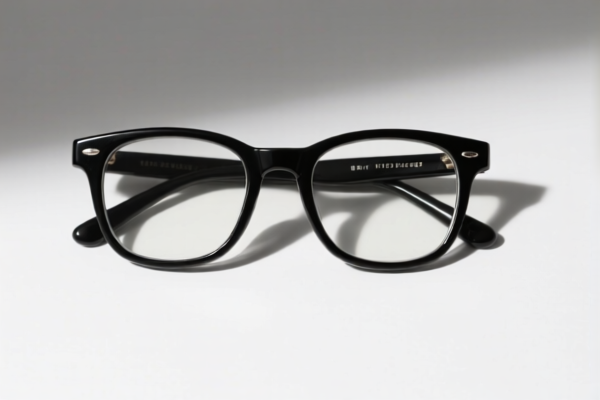
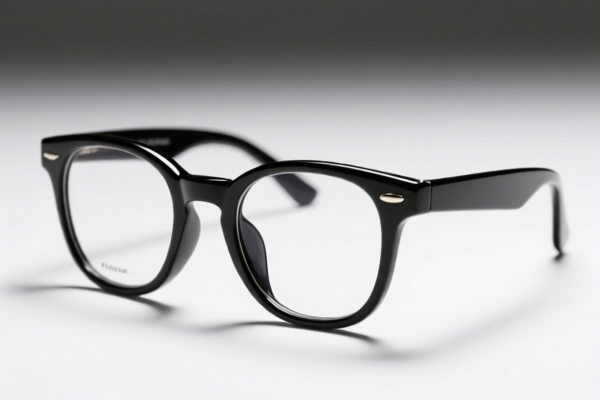

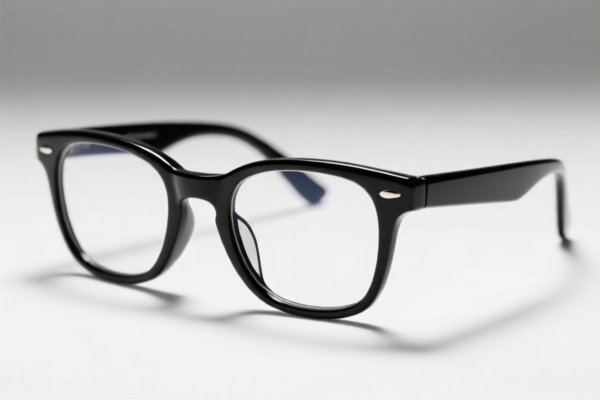
AI Analysis
👓 Glasses Set (Optical/Sun Eyewear & Accessories)
🌐 HS Code Reference & Customs Clearance Guide | 2026 Latest Tariff Analysis | Professional Level Strategy
📌 I. Product Definition & Classification: What Exactly is a "Glasses Set"?
In international trade, a "Glasses Set" is not a single, rigidly defined product but a composite good that can fall into different categories depending on its primary function and composition. The classification primarily splits into two distinct paths:
1. The Eyewear Path (9004.xx):
Products consisting of spectacles, sunglasses, or similar articles, including sun-glasses, protective goggles, and the like, whether or not tinted. This includes sets where the core value is the lenses and frames used for vision correction or protection.
2. The Container Path (4202.xx):
Products consisting of cases, pouches, or boxes designed specifically for holding glasses, made from textiles, plastic, leather, or other materials. If the "set" is primarily a packaging/holder bundle (e.g., a premium box with cleaning cloth and case), it may be classified here.
⚠️ Key Distinction Point:
- If the item contains the actual lenses/frames for wearing → It falls under Chapter 90 (9004 or 9003).
- If the item is merely a case/box without the functional eyewear (or if the set is marketed as a "storage solution") → It falls under Chapter 42 (4202).
- Note: Even if sold together, customs often assesses based on the principal component or specific description provided in the summary.
📦 II. HS Code Classification Details (2026 Latest Tariff Authority Comparison)
Based on the provided data, here are the five specific HS Codes applicable to "Glasses Sets," categorized by their logical nature:
| HS Code | Product Description & Summary | Key Characteristics | Primary Category |
|---|---|---|---|
9004.10.00.00 |
Sun Glasses Set: Matches similar products in scope; includes eyewear form; no conflict in material or use. | Designed for sun protection; standard sunglasses form factor. | Eyewear (Sun) |
9004.90.00.10 |
General Eyewear Set: Used as glasses/eyewear; fits range of eyewear, goggles, and similar; no safety glasses conflict. | Broad category for non-sun glasses (e.g., fashion, optical); general use. | Eyewear (General) |
9003.19.00.00 |
Frame/Device Set: Contains frames and devices; fits classification for frames and devices; no material conflict. | Focuses on the structural components (frames) or removable devices. | Eyewear Components |
4202.32.93.00 |
Glasses Case Set: Similar container; outer surface inferred as textile or plastic; does not conflict with 'other' category. | Primarily a container; likely includes accessories; material is textile/plastic. | Container (Textile/Plastic) |
4202.12.40.00 |
Glasses Case Set (Premium): Similar container; typically made of textile or plastic; consistent with textile material requirements. | High-quality container set; specifically aligned with textile material classification. | Container (Textile) |
🔍 Critical Reminder:
- If your product is sunglasses, use9004.10.00.00.
- If it is regular eyewear (non-safety, non-sun), use9004.90.00.10.
- If it is just a case/box, verify the outer material. Textile-based cases often fall under4202.12.40.00, while generic plastic/textile mixes may go to4202.32.93.00.
- Do not mix: A set containing both sunglasses and a case is usually classified by the principal component (the glasses), unless the case is the sole item or the set is explicitly marketed as a "storage set."
💰 III. 2026 Latest Tariff Rate Breakdown (Detailed Tax Clauses)
✅ Applicable Market: United States (US)
✅ Origin: China (CN)
✅ Effective Date: 2025/2026 Period (Includes Section 301 & 122 Tariffs)
🎯 1. 9004.10.00.00 – Sun Glasses Set
| Item | Content |
|---|---|
| Base Tariff | 2.0% |
| Section 301 Additional Tariff | +7.5% |
| Section 122 Tariff | +10.0% |
| Total Effective Rate | 19.5% |
| Calculation Basis | CIF Value × 19.5% |
| De Minimis Exemption | ❌ Not Applicable (Section 301 & 122 tariffs generally negate de minimis benefits for Chinese goods) |
| Legal Path | HTSUS:9004.10.00.00 → USITC Footnote 301 → Section 122 Authority |
📌 Explanation:
- The 2.0% is the standard Most Favored Nation (MFN) rate.
- The 7.5% is the standard USITC Section 301 rate for many eyewear categories.
- The 10% is the "Section 122 Tariff," often applied to specific goods to protect domestic manufacturing or for national security reasons.
- Total 19.5% is significant but lower than container cases.
🎯 2. 9004.90.00.10 – General Eyewear Set
| Item | Content |
|---|---|
| Base Tariff | 2.5% |
| Section 301 Additional Tariff | +7.5% |
| Section 122 Tariff | +10.0% |
| Total Effective Rate | 20.0% |
| Calculation Basis | CIF Value × 20.0% |
| De Minimis Exemption | ❌ Not Applicable |
| Legal Path | HTSUS:9004.90.00.10 → USITC Footnote 301 → Section 122 Authority |
📌 Note:
- Slightly higher base rate (2.5%) compared to sun glasses (2.0%).
- Identical add-on tariffs (7.5% + 10%).
- Applies to fashion glasses, blue-light blockers, etc.
🎯 3. 9003.19.00.00 – Frame/Device Set
| Item | Content |
|---|---|
| Base Tariff | 0.0% |
| Section 301 Additional Tariff | +7.5% |
| Section 122 Tariff | +10.0% |
| Total Effective Rate | 17.5% |
| Calculation Basis | CIF Value × 17.5% |
| De Minimis Exemption | ❌ Not Applicable |
| Legal Path | HTSUS:9003.19.00.00 → USITC Footnote 301 → Section 122 Authority |
📌 Advantage:
- Lowest total rate (17.5%) among eyewear components.
- Zero base duty makes this attractive if your product is primarily frames or detachable optical devices.
🎯 4. 4202.32.93.00 – Glasses Case Set (Textile/Plastic Mix)
| Item | Content |
|---|---|
| Base Tariff | 17.6% |
| Section 301 Additional Tariff | +25.0% |
| Section 122 Tariff | +10.0% |
| Total Effective Rate | 52.6% |
| Calculation Basis | CIF Value × 52.6% |
| De Minimis Exemption | ❌ Not Applicable |
| Legal Path | HTSUS:4202.32.93.00 → USITC Footnote 301 → Section 122 Authority |
⚠️ Warning:
- Extremely High Tariff (52.6%).
- If you are selling only the case or a "storage set" without the actual glasses, the cost burden is massive.
- The 25% Section 301 rate for textile/plastic containers is punitive.
🎯 5. 4202.12.40.00 – Glasses Case Set (Premium Textile)
| Item | Content |
|---|---|
| Base Tariff | 6.3% |
| Section 301 Additional Tariff | 0.0% |
| Section 122 Tariff | +10.0% |
| Total Effective Rate | 16.3% |
| Calculation Basis | CIF Value × 16.3% |
| De Minimis Exemption | ❌ Not Applicable |
| Legal Path | HTSUS:4202.12.40.00 → USITC Footnote 301 (Exempt/Zero) → Section 122 Authority |
📌 Surprise Low Rate:
- Lowest total rate overall (16.3%).
- No Section 301 tariff (0%) for this specific textile subheading.
- Only the 10% Section 122 tariff applies.
- Strategy: If your product is predominantly a high-quality textile case (and minimal glasses), this could be the most cost-effective classification, but you must ensure the product description matches "case" and not "glasses" to avoid misclassification penalties.
🛠️ IV. Customs Clearance Operational Advice (Practical Pitfall Guide)
✅ 1. Required Documentation Checklist (Must-Have)
| Document | Required | Explanation |
|---|---|---|
| ✅ Product Specification Sheet | ✔️ | Must detail if items are lenses, frames, or cases. |
| ✅ Product Photos (Clear) | ✔️ | Show the "Set" as a whole. If it contains glasses, show them. If just a case, show the case. |
| ✅ Commercial Invoice | ✔️ | Clearly state "Glasses Set" or "Eyewear Case Set". Avoid vague terms. |
| ✅ Packing List | ✔️ | Itemize contents. E.g., "1 Pair Sunglasses, 1 Case" vs. "1 Glasses Case with Cleaning Cloth". |
| ✅ Material Declaration | ✔️ | For 4202 codes, specify outer material (Textile vs. Plastic). |
| ✅ Certificate of Origin | ✔️ | To verify China origin and apply correct Section 301/122 rates. |
✅ 2. Declaration Strategy (Key Mnemonics)
🔥 "Glasses go to 90, Cases go to 42. Choose wisely, or pay the tax!"
| Scenario | Correct Declaration | Incorrect Declaration | Consequence |
|---|---|---|---|
| Set contains Sunglasses + Case | 9004.10.00.00 (19.5%) |
4202.32.93.00 (52.6%) |
Overpaying 33% tax or Misclassification Penalty |
| Set contains Regular Glasses + Case | 9004.90.00.10 (20.0%) |
4202.12.40.00 (16.3%) |
Under-declaration risk if audited |
| Set is ONLY a Glasses Case | 4202.12.40.00 (16.3%) |
9004.10.00.00 (19.5%) |
Overpaying tax (Save 3.2%) |
| Set is ONLY a Plastic/Textile Case | 4202.32.93.00 (52.6%) |
4202.12.40.00 (16.3%) |
Catastrophic Cost Increase (Check material!) |
⚠️ Critical Warning:
- Do not declare a set containing actual eyewear as a "Case" (4202) to save tax. CBP (Customs and Border Protection) will likely reclassify it based on the principal use of the eyewear, leading to back-taxes and fines.
- However, if you are selling accessories only (case, cloth, spray), ensure you are using4202.12.40.00(16.3%) rather than4202.32.93.00(52.6%) by proving the outer material is textile.
✅ 3. Special Situations
| Situation | Handling Advice |
|---|---|
| OEM Branded Glasses | Ensure brand name is consistent. Mislabeling can trigger IP checks. |
| E-Prescription Sets | If lenses are customized, declare as "Optical Glasses" (9004.90.00.10). |
| Gift Sets (Glasses + Case + Book) | Still classified under 9004 if glasses are the principal item. The book is incidental. |
| Plastic Case with No Textile | Use 4202.32.93.00 (52.6%) if it’s a hard plastic shell, unless it falls under a different plastic heading. Check material carefully! |
🌍 V. Global Market Comparison (2026 Latest)
| Country/Region | Recommended HS Code | Tariff Rate (China Origin) | Certification Req. | Notes |
|---|---|---|---|---|
| 🇺🇸 USA | 9004.10.00.00 / 9004.90.00.10 |
19.5% - 20.0% | FDA (if medical) / CPSC | High Section 301 + 122 tariffs apply. |
| 🇨🇳 China | 9004.10.00.00 |
17.0% - 20.0% (Est.) | CCC (if applicable) | Domestic trade varies; export to US faces above US rates. |
| 🇪🇺 EU | 9004.10.00.00 |
4.0% - 12.0% | CE Marking | No Section 301/122. Generally lower burden than US. |
| 🇬🇧 UK | 9004.10.00.00 |
4.0% - 12.0% | UKCA Marking | Post-Brexit rules apply. |
| 🇯🇵 Japan | 9004.10.00.00 |
3.2% - 5.0% | PSE (if electrical) | Low tariffs, high quality standards. |
📌 Conclusion:
- The US market is the most expensive for Chinese eyewear due to the combination of Base + Section 301 + Section 122 tariffs.
- Cases (4202) are extremely costly to import into the US (up to 52.6%).
- Strategy: If you are selling accessories, verify if4202.12.40.00(16.3%) applies to your specific textile case design. If selling glasses, expect ~20%.
📌 VI. Common Errors & Pitfall Guide (Lessons Learned)
❌ Error 1: Declaring a set with Sunglasses + Case as a Case (4202) to get a lower rate.
👉 Consequence: Customs audits the "principal character." If lenses/frames are present, they reclassify to 9004. You pay the difference + penalty.
❌ Error 2: Using 4202.32.93.00 for a Textile Case.
👉 Consequence: You pay 52.6% instead of 16.3%. Always specify "Textile" material in the invoice to qualify for 4202.12.40.00 if applicable.
❌ Error 3: Ignoring Section 122 Tariff.
👉 Consequence: Many traders forget the 10% Section 122 add-on. Your calculated cost will be off by 10%.
❌ Error 4: Vague Description "Glasses Set".
👉 Consequence: CBP may assign the highest possible tariff or require additional inspection, causing delays.
✅ Correct Way:
"Sun Glasses Set, Model XYZ, UV400 Protection, Includes Hard Case, Outer Material: Plastic, Origin: China"
Or
"Eyewear Case, Textile Outer Material, Non-Adjustable, Empty"
🎯 VII. Conclusion: Professional Declaration, Cost Optimization
🎯 Remember the Mantras:
🔹 "Glasses = 9004 (19.5-20%). Case = 4202 (16.3-52.6%)."
🔹 "Textile Case Saves Money (16.3%). Plastic Case Costs Big (52.6%)."
🔹 "Don't Mix Categories! Principal Character Rules."
📌 Pro Tip:
If you are importing only cases, ensure the outer material is textile and declare under
4202.12.40.00for the lowest possible tax (16.3%).
If you are importing glasses, budget for ~20% total tax in the US market.
Consider Advance Rulings (Pre-Ruling) from CBP if your product is borderline between "Eyewear" and "Container."
📣 Immediate Action:
📞 Consult a licensed customs broker.
📸 Send product photos and material specs.
🚀 Get a Pre-Ruling to lock in your HS Code and tax rate!
✨ Professional Customs Clearance Starts with Precise Classification!
💼 Every percentage point of tax impacts your profit margin!
Customer Reviews
About HS Code Classification
The Harmonized System (HS) is an internationally standardized nomenclature developed by the World Customs Organization (WCO) to classify traded products. Over 200 countries use the HS system as the basis for customs tariffs, trade statistics, and import/export regulations.
Each HS code follows a hierarchical structure:
- Chapter (2 digits) — Broad category of goods (e.g., Chapter 84: Machinery and Mechanical Appliances)
- Heading (4 digits) — More specific grouping within the chapter
- Subheading (6 digits) — Internationally standardized breakdown, used by all WCO member countries
- National subdivisions (8-10 digits) — Country-specific extensions for further classification, such as US HTSUS 10-digit codes
Correct HS code classification is essential for smooth customs clearance, accurate duty payment, and compliance with trade regulations. Misclassification can lead to customs delays, overpayment of duties, or penalties.
When importing from CN to US, the applicable tariff rates may include:
- Most-Favored-Nation (MFN) rate — The standard duty rate applied to WTO members
- General rate — Applied to countries without trade agreements
- Trade remedy duties — Additional tariffs such as Section 301 (anti-dumping), Section 232 (national security), or countervailing duties
The information provided on this page is for reference purposes only. For official classification, please consult with your local customs authority or a licensed customs broker.