glove set
CN → US| HS Code | Tariff Rate | Origin | Destination | Doc |
|---|---|---|---|---|
| 4015121010 | 110.0% | CN | US | Official Doc |
| 6116109500 | 24.5% | CN | US | Official Doc |
| 6116106500 | 24.5% | CN | US | Official Doc |
| 3926201010 | 10.0% | CN | US | Official Doc |
| 4015129000 | 49.0% | CN | US | Official Doc |
Product Images
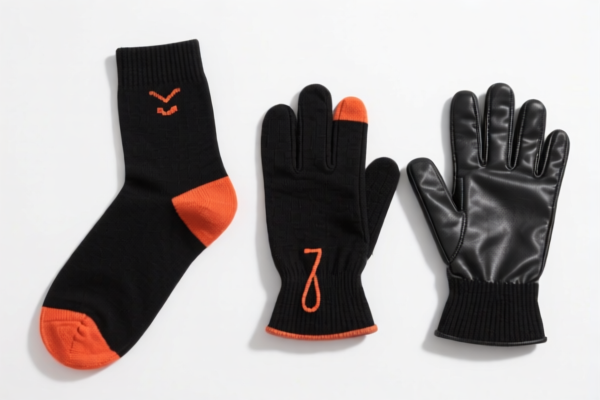
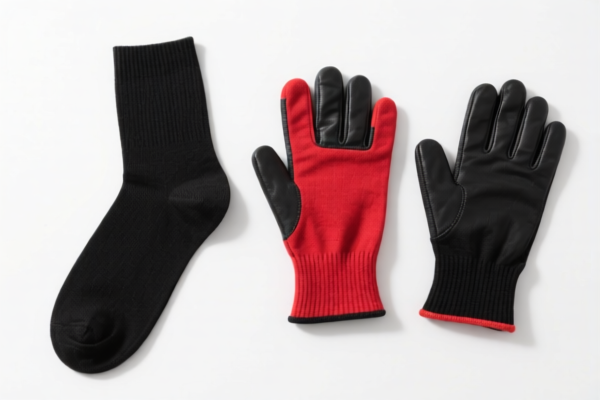
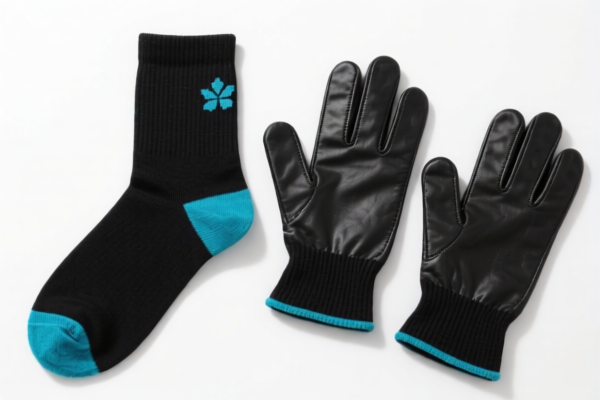
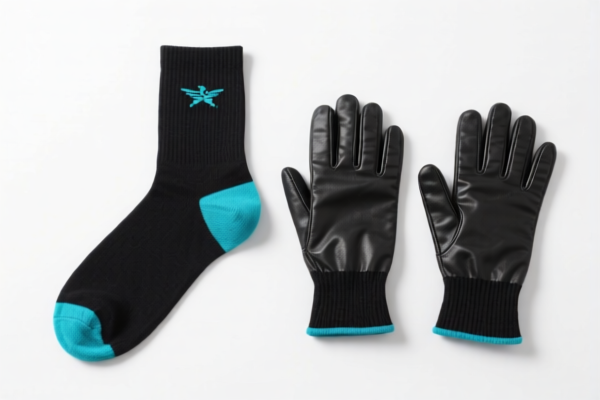
AI Analysis
🧤 Glove Set: The Ultimate Clearance Guide (2026 Edition)
🌐 HS Code Reference & Customs Clearance Strategy | 2026 Latest Tariff Breakdown | Professional-Level Compliance
📌 Part 1: Product Definition & Classification — Do You Really Understand "Glove Sets"?
A "Glove Set" is not a single HS Code! In international trade, gloves are heavily differentiated by Material, Usage (Medical vs. Non-Medical), and Manufacturing Process (Knitted vs. Seamless). Misclassification can lead to severe tariff penalties or customs detention.
⚠️ Critical Distinction:
- Medical Use? → Must declare as "Medical/Surgical" (Higher scrutiny, specific HS codes).
- Non-Medical/Industrial? → Often subject to different tax brackets and "Section 301" tariffs.
- Material Matters: Rubber/Latex vs. Plastic/PVC vs. Knitted Fabric with Coating.
📦 Part 2: HS Code Classification Matrix (Based on Provided Data)
The following HS Codes are derived strictly from the provided dataset. Each corresponds to a specific type of glove set.
| HS Code | Product Summary | Key Characteristics | Medical Use? |
|---|---|---|---|
4015.12.10.10 |
Medical Gloves | Form: Gloves; Purpose: Medical | ✅ YES |
6116.10.95.00 |
Knitted/Hooked Gloves | Material: Rubber/Plastic impregnated/coated | ❌ No (General) |
6116.10.65.00 |
Knitted/Hooked Gloves | Purpose: Medical; Process: Coated/Impregnated | ✅ YES |
3926.20.10.10 |
Plastic/Rubber Seamless Gloves | Purpose: Surgical & Medical; Seamless | ✅ YES |
4015.12.90.00 |
Vulcanized Rubber Gloves | Material: Vulcanized Rubber; Purpose: Medical | ✅ YES |
🔍 Key Insight:
- Knitted Gloves (6116.xx) are fabric-based with rubber/plastic coatings.
- Seamless/latex Gloves (4015.xx,3926.xx) are molded from rubber or plastic.
- "Medical" vs. "Non-Medical" is the primary driver for HS code selection, even if the material is similar.
💰 Part 3: 2026 Tariff Rate Breakdown (Detailed Analysis)
✅ Scope: Based on provided tax details (China-origin imports into US market implied by "122 Clause" and Section 301 logic).
✅ Validity: All tariffs are cumulative (Basic + Additional + 122 Clause).
🎯 1. 4015.12.10.10 – Medical Gloves (Rubber/Latex)
| Item | Detail |
|---|---|
| Base Tariff | 0.0% |
| Additional Tariff (Section 301) | 100.0% |
| Section 122 Tariff | 10.0% |
| Total Effective Tax Rate | 110.0% |
| Calculation | CIF Value × 110% |
| Legal Basis | High penalty category. Likely subject to strict FDA/USDA regulations. |
📌 Explanation:
This is the most expensive category due to the 100% Additional Tariff. It typically applies to high-volume medical latex/rubber gloves. The "122 Clause" (likely referencing specific trade remedies or emergency measures) adds another 10%, pushing the total to 110%.
🎯 2. 6116.10.95.00 – Non-Medical Coated Gloves
| Item | Detail |
|---|---|
| Base Tariff | 7.0% |
| Additional Tariff (Section 301) | 7.5% |
| Section 122 Tariff | 10.0% |
| Total Effective Tax Rate | 24.5% |
| Calculation | CIF Value × 24.5% |
| Legal Basis | General industrial/commercial use. |
📌 Explanation:
These are knitted or hooked gloves (fabric base) coated with rubber or plastic, NOT for medical use. The tariff is significantly lower than medical gloves, but still substantial due to the 122 Clause.
🎯 3. 6116.10.65.00 – Medical Coated Gloves
| Item | Detail |
|---|---|
| Base Tariff | 7.0% |
| Additional Tariff (Section 301) | 7.5% |
| Section 122 Tariff | 10.0% |
| Total Effective Tax Rate | 24.5% |
| Calculation | CIF Value × 24.5% |
| Legal Basis | Medical use, but knitted/coated construction. |
📌 Explanation:
Despite being medical gloves, the tax rate is identical to the non-medical coated gloves (24.5%). This is because the base material (knitted fabric) and manufacturing process place it in a different tariff bracket than seamless rubber gloves.
🎯 4. 3926.20.10.10 – Seamless Plastic/Rubber Gloves (Surgical/Medical)
| Item | Detail |
|---|---|
| Base Tariff | 0.0% |
| Additional Tariff (Section 301) | 0.0% |
| Section 122 Tariff | 10.0% |
| Total Effective Tax Rate | 10.0% |
| Calculation | CIF Value × 10% |
| Legal Basis | Lowest Tariff! Likely plastic-based (e.g., nitrile/polyethylene) rather than natural rubber. |
📌 Explanation:
This is the most cost-effective option for medical gloves. The key is that it is Plastic/Rubber Seamless (often synthetic nitrile or polyethylene) and not classified under the "Vulcanized Rubber" chapter (4015). Crucial for cost optimization!
🎯 5. 4015.12.90.00 – Vulcanized Rubber Medical Gloves
| Item | Detail |
|---|---|
| Base Tariff | 14.0% |
| Additional Tariff (Section 301) | 25.0% |
| Section 122 Tariff | 10.0% |
| Total Effective Tax Rate | 49.0% |
| Calculation | CIF Value × 49% |
| Legal Basis | Traditional latex/vulcanized rubber gloves. |
📌 Explanation:
These are vulcanized rubber gloves (classic latex). The base tariff is 14%, plus 25% additional, plus 10% 122 clause. Total: 49%. Still high, but half the cost of4015.12.10.10.
🛠️ Part 4: Customs Clearance Practical Advice (Pitfall Avoidance Guide)
✅ 1. Material & Use Declaration (The #1 Risk Factor)
| Glove Type | Material | Use | HS Code | Tax | Risk |
|---|---|---|---|---|---|
| Latex Surgical | Natural Rubber | Medical | 4015.12.10.10 |
110% | 🔴 High Tax |
| Nitrile/Polymer | Plastic/Synthetic | Medical | 3926.20.10.10 |
10% | 🟢 Optimal |
| Coated Fabric | Knitted + Rubber | Medical | 6116.10.65.00 |
24.5% | 🟡 Medium |
| Coated Fabric | Knitted + Plastic | Non-Medical | 6116.10.95.00 |
24.5% | 🟡 Medium |
| Traditional Latex | Vulcanized Rubber | Medical | 4015.12.90.00 |
49% | 🟠 High Tax |
🔥 Strategy:
- If you are exporting medical gloves, prioritize3926.20.10.10(Plastic/Rubber Seamless). It has the lowest tax (10%).
- Avoid4015.12.10.10unless the product is strictly defined as natural rubber medical gloves, as the 110% tax will destroy margins.
✅ 2. Documentation Checklist
| Document | Requirement | Purpose |
|---|---|---|
| Commercial Invoice | Clearly state "Material: Nitrile/Latex/PVC" and "Use: Surgical/Industrial" | Determines HS Code |
| Product Specification | Detail: "Seamless" vs. "Knitted", "Coated" vs. "Unc0ated", "Vulcanized" | Confirms Technical Classification |
| Medical Device License | If claiming Medical Use | Required for 4015 and 3926 medical codes |
| Material Safety Data Sheet (MSDS) | Especially for rubber/plastic components | For customs safety review |
| Certificate of Origin | If applicable | May qualify for preferential treatment (if available) |
✅ 3. Common Mistakes & How to Avoid Them
❌ Mistake 1: Misclassifying Nitrile as Latex
- Consequence: Declaring nitrile gloves (10% tax) as latex gloves (110% tax) → Overpayment.
- Solution: Explicitly state "Nitrile" or "Synthetic Rubber" in the description.
❌ Mistake 2: Ignoring "Knitted" vs. "Seamless"
- Consequence: Knitted gloves (6116) are tax-different from seamless (4015/3926).
- Solution: Provide manufacturing process details. Is it knitted fabric with coating? Or molded seamless?
❌ Mistake 3: Vague "Medical" Claim
- Consequence: Customs may reject "Medical" designation, reclassifying to general use (6116.10.95.00 or 4015.12.90.00).
- Solution: Provide FDA registration or CE Mark as "Class I/II Medical Device" if claiming medical status.
🌍 Part 5: Market Comparison (2026 Outlook)
| Region | Recommended HS Code for Medical Gloves | Estimated Total Tax | Notes |
|---|---|---|---|
| 🇺🇸 USA | 3926.20.10.10 (Nitrile/Seamless) |
10% | Best Option |
| 🇺🇸 USA | 4015.12.10.10 (Latex) |
110% | Avoid if possible |
| 🇨🇳 China | Varies | 0-14% | No Section 301/122 tariffs |
| 🇪🇺 EU | Varies | 0-4.5% | No additional US-style tariffs |
📌 Conclusion:
- For US Imports,3926.20.10.10is the golden HS Code for medical gloves due to its low 10% total tax.
- For Non-Medical Coated Gloves, the tax is fixed at 24.5% regardless of medical claim (since6116codes are used).
📌 Part 6: Expert Tips & Final Checklist
✅ Pre-Shipment Checklist:
- Confirm Material: Is it Nitrile (Plastic) or Latex (Rubber)?
- Confirm Structure: Is it Seamless (Molded) or Knitted (Fabric)?
- Confirm Use: Is it Medical (Surgical) or General (Industrial/Cleaning)?
- Calculate Tax:
- If Medical + Seamless + Plastic →
3926.20.10.10→ 10% - If Medical + Knitted + Coated →
6116.10.65.00→ 24.5% - If Medical + Rubber + Seamless →
4015.12.10.10→ 110%
🚀 Pro Tip:
"Plastic Seamless is King!"
If you have the flexibility to switch materials, Nitrile (Plastic) gloves under3926.20.10.10offer the lowest tariff (10%) compared to Latex (110%) or Vulcanized Rubber (49%). This can save you 90%+ in duties!
🎯 Conclusion: Precision in Classification, Profit in Clearance
🎯 Remember:
🔹 "Plastic + Seamless = 10% Tax"
🔹 "Rubber + Seamless = 110% Tax"
🔹 "Knitted + Coated = 24.5% Tax"
📌 Action Item:
📞 Contact your customs broker with exact material composition and manufacturing process (Seamless vs. Knitted).
📄 Obtain HS Code Pre-Ruling from US Customs if volume is high.
🚀 Optimize your supply chain by choosing3926.20.10.10for medical gloves to maximize profit margins!
✨ Smart Customs Clearance Starts with Smart Classification!
💼 Every Percentage Point in Tariff is a Point in Profit!
Customer Reviews
About HS Code Classification
The Harmonized System (HS) is an internationally standardized nomenclature developed by the World Customs Organization (WCO) to classify traded products. Over 200 countries use the HS system as the basis for customs tariffs, trade statistics, and import/export regulations.
Each HS code follows a hierarchical structure:
- Chapter (2 digits) — Broad category of goods (e.g., Chapter 84: Machinery and Mechanical Appliances)
- Heading (4 digits) — More specific grouping within the chapter
- Subheading (6 digits) — Internationally standardized breakdown, used by all WCO member countries
- National subdivisions (8-10 digits) — Country-specific extensions for further classification, such as US HTSUS 10-digit codes
Correct HS code classification is essential for smooth customs clearance, accurate duty payment, and compliance with trade regulations. Misclassification can lead to customs delays, overpayment of duties, or penalties.
When importing from CN to US, the applicable tariff rates may include:
- Most-Favored-Nation (MFN) rate — The standard duty rate applied to WTO members
- General rate — Applied to countries without trade agreements
- Trade remedy duties — Additional tariffs such as Section 301 (anti-dumping), Section 232 (national security), or countervailing duties
The information provided on this page is for reference purposes only. For official classification, please consult with your local customs authority or a licensed customs broker.