gloves hs 6116999530
CN → USProduct Images
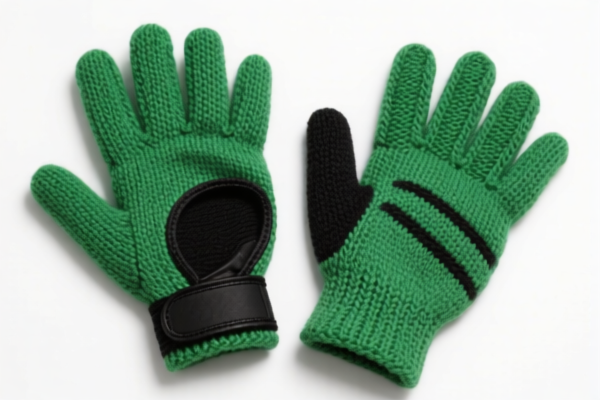
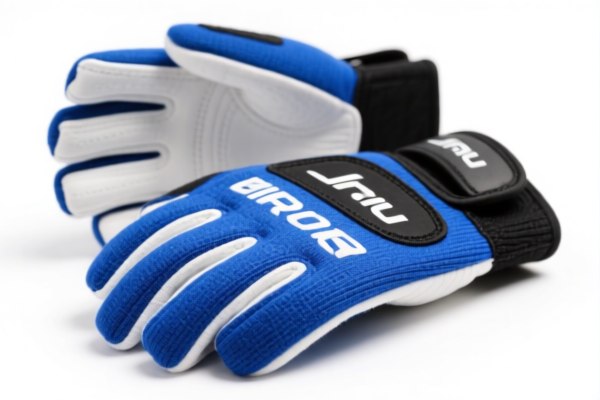
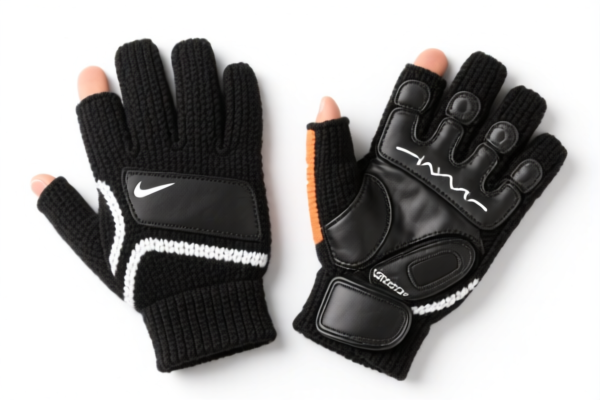
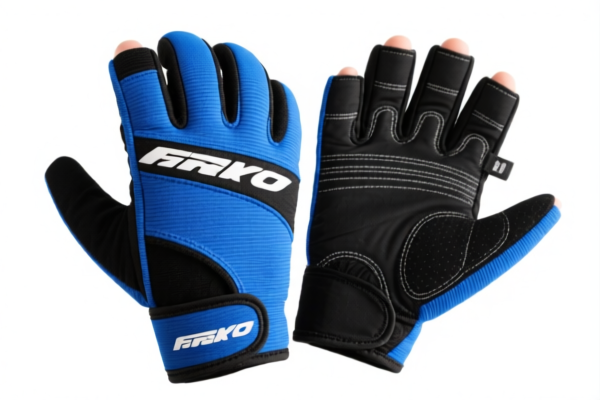
AI Analysis
🧤 Industrial & Protective Gloves (Harmonized Code 6116.99.95.30)
🌐 HS Code Reference & Customs Clearance Guide | 2026 Latest Tariff Analysis | Professional Clearance Strategy
📌 I. Product Definition & Classification: What Exactly is "6116.99.95.30"?
The HS Code 6116.99.95.30 falls under Chapter 61 (Articles of Apparel and Clothing Accessories, Knitted or Crocheted). Specifically, it refers to:
"Other gloves, mittens, and mitts, coated on the palm"
Key Characteristics:
- Material: Knitted or crocheted (e.g., polyester, nylon, cotton blend base).
- Feature: The palm side is coated or impregnated with rubber, plastic, or other materials for grip, protection, or anti-slip properties.
- Exclusions:
- ❌ Does NOT include disposable latex/nitrile medical gloves (usually 4015.19).
- ❌ Does NOT include solid rubber/plastic gloves (usually 4015.90).
- ❌ Does NOT include leather gloves (Chapter 42).
- ❌ Does NOT include knitted gloves without palm coating (usually 6116.10 or 6116.93).
⚠️ Critical Distinction:
- If the glove is 100% plastic/rubber (no knitted base), it goes to Chapter 40.
- If it is knitted/fabric with a plastic/rubber coating ONLY on the palm (not fully immersed), it goes to 6116.99.
- 6116.99.95.30 is a specific US HTSUS subheading often used for industrial/work gloves made of synthetic fibers with partial coating.
📦 II. HS Code Classification Details (2026 Authoritative Alignment)
| HS Code | Product Description | Typical Application | Material Base | Coating? |
|---|---|---|---|---|
6116.99.95.30 |
Other knitted gloves, coated on the palm, other than latex/nitrile disposable | Industrial work gloves, gardening, construction, mechanical assembly | Polyester/Nylon/Cotton Blend | ✅ Yes (Plastic/Rubber on palm) |
6116.10.00.00 |
Gloves impregnated, coated, or covered with plastic or rubber (whole hand) | Heavy-duty chemical resistant gloves | Any textile | ✅ Yes (Full immersion) |
6116.93.00.00 |
Knitted gloves with palm coating, of synthetic fibers | Light industrial, grip-enhanced gardening | Synthetic Fibers | ✅ Yes (Partial) |
6116.91.00.00 |
Knitted gloves with palm coating, of cotton | Cotton work gloves | Cotton | ✅ Yes (Partial) |
4015.19.00.00 |
Disposable medical or laboratory gloves (latex/nitrile/PE) | Healthcare, lab work | Latex/Nitrile/Plastic | N/A (Not knitted) |
4015.90.00.00 |
Other protective clothing of vulcanized rubber/plastic | Heavy chemical suits, solid rubber gloves | Rubber/Plastic | N/A |
🔍 Key Reminder:
- Do NOT misclassify disposable nitrile gloves as6116.99.95.30. This is a common error that triggers FDA/Customs audits.
- Do NOT classify fully rubber-coated gloves here. If the base is not clearly knitted fabric, it may fall under Chapter 40.
- 6116.99.95.30 is often the "catch-all" for non-disposable, synthetic-fiber work gloves with palm grip.
💰 III. 2026 Latest Tariff Rate Details (US Market Focus)
✅ Applicable Country: United States (US)
✅ Origin: China (CN) (Note: Rates vary by origin; below reflects China-specific 301/IEEPA impacts)
✅ Effective Date: 2025–2026 (Subject to ongoing trade policy changes)
🎯 1. 6116.99.95.30 – Other Knitted Gloves, Coated on Palm
| Item | Content |
|---|---|
| Base Tariff Rate (General) | 14.4% (ad valorem) |
| USITC Additional Tariff (Section 301) | +7.5% (or higher depending on specific listing) |
| IEEPA Additional Tariff | +10% (if applicable to textile/apparel from China post-2024) |
| Total Effective Rate | ~31.9% (Base 14.4% + 7.5% + 10%) |
| Tax Calculation | CIF Value × Total Rate |
| De Minimis Eligibility | ❌ No (Textiles generally excluded from $800 de minimis for China-origin goods in many cases) |
| Legal Path | HTSUS:6116.99.95.30 → Section 301 Footnote → IEEPA Order 10453 |
📌 Explanation:
- The 14.4% is the standard Most Favored Nation (MFN) rate for "other gloves" in Chapter 61.
- Section 301 Tariffs: Many textile goods from China are subject to additional 7.5%–25% tariffs. Check the specific USTR exclusion list; most non-excluded gloves fall under the higher bracket.
- IEEPA: If the glove is classified as "apparel" or "textile accessory," it may be subject to additional 10% IEEPA tariffs if not exempted.
- Total Cost Impact: For every $10,000 CIF value, expect ~$3,190 in duties + taxes. This is a high-cost category for China-origin goods.
🛠️ IV. Customs Clearance Practical Advice (Field Pitfall Guide)
✅ 1. Required Documentation Checklist (Non-Negotiable)
| Document | Must Provide? | Notes |
|---|---|---|
| ✅ Commercial Invoice | ✔️ | Must clearly state: "Knitted gloves, synthetic fiber, palm coated, industrial use" |
| ✅ Product Photographs | ✔️ | Show palm coating detail, label, and packaging. Avoid ambiguous images. |
| ✅ Material Composition Statement | ✔️ | e.g., "95% Polyester, 5% Spandex; Palm Coating: 100% Nitrile Rubber" |
| ✅ Structure Diagram | ✔️ | If the coating is only on the palm, provide a cross-section or labeled photo to distinguish from full-immersion gloves (6116.10). |
| ✅ Origin Certificate (CO) | ✔️ | Crucial for proving non-US origin to apply correct trade remedy tariffs. |
| ✅ FCC/CE/RoHS (if applicable) | ✔️ | Not always required for gloves, but some electronic-heated gloves need FCC. |
✅ 2. Declaration Tips (Key Mantras)
🔥 “Palm Coat, Not Full Dip; Knitted Base, Not Solid Rubber!”
| Scenario | Correct Declaration | Wrong Practice |
|---|---|---|
| Work Gloves with Palm Grip | 6116.99.95.30 |
Misclassify as 6116.10 (higher duty) or 4015 (wrong chapter) |
| Disposable Nitrile Gloves | 4015.19.00.00 |
Misclassify as 6116.99.95.30 → FDA Alert + Rejection |
| Fully Rubber-Coated Gloves | 4015.90.00.00 |
Misclassify as 6116.99.95.30 → Chapter Error |
| Cotton Gloves (No Coating) | 6116.91.00.00 |
Misclassify as 6116.99.95.30 → Overpayment of Duty |
✅ 3. Special Cases Handling
| Situation | Handling Advice |
|---|---|
| Heated Gloves | If battery-powered, may require FCC Certification and classification under 6116.99.95.30 but with additional electronic components declared. |
| Anti-Cut Gloves (Kevlar) | If the base is knitted Kevlar and palm is coated, still 6116.99.95.30. Provide cut-resistance standard (ANSI/ISEA 105) proof if requested. |
| OEM/White Label | Ensure invoice lists actual manufacturer, not just brand. Customs may check for circumvention of tariffs. |
| Gifts vs. Commercial | Gloves for personal use are still subject to duty if value exceeds de minimis limits for China. |
🌍 V. Global Market Clearance Comparison (2026)
| Country/Region | Recommended HS Code | Tariff (China Origin) | Certification | Notes |
|---|---|---|---|---|
| 🇺🇸 USA | 6116.99.95.30 |
~31.9% (14.4% + 301 + IEEPA) | None standard | High tariff burden; ensure correct material declaration. |
| 🇨🇳 China | 6116.99.95.30 |
10% – 14% | CCC (if electronic) | Import duty moderate; VAT 13% applies. |
| 🇪🇺 EU | 6116.99.90 |
4% – 12% | REACH, CE (if PPE) | Check for PPE Regulation (EU) 2016/425 if marketed as safety gear. |
| 🇬🇧 UK | 6116.99.90 |
4% – 12% | UKCA, REACH | Post-Brexit, UKCA marking required for safety gloves. |
| 🇯🇵 Japan | 6116.99.90 |
5% – 10% | JIS, PSE (if heated) | Strict labeling laws for textile content. |
📌 Conclusion:
- USA has the highest duty burden due to Section 301 and IEEPA tariffs.
- EU/UK may require PPE certification if the gloves are marketed as "safety" or "industrial protection."
- China is both a major exporter and importer; ensure local compliance if importing to China.
📌 VI. Common Errors & Pitfall Guide (Lessons Learned)
❌ Mistake 1: Declaring disposable nitrile gloves as 6116.99.95.30
👉 Consequence: Customs rejects shipment, FDA alerts, potential fines.
Fix: Use 4015.19.00.00 for disposable gloves.
❌ Mistake 2: Not distinguishing between palm-coated and fully immersed gloves
👉 Consequence: Misclassification between 6116.99 and 6116.10. 6116.10 has different duty rates and may require different testing.
Fix: Provide clear photos showing coating coverage.
❌ Mistake 3: Ignoring material composition
👉 Consequence: If cotton is >50%, it may fall under 6116.91. If synthetic, 6116.93 or 6116.99.
Fix: Provide precise % breakdown on invoice.
❌ Mistake 4: Assuming de minimis applies
👉 Consequence: For China-origin textiles, many parcels are excluded from $800 de minimis under recent executive orders.
Fix: Always declare and pay duties for China-origin gloves.
✅ Correct Practice:
"Industrial Work Gloves, Knitted Polyester Base, Nitrile-Coated Palm, Anti-Slip, ANSI Cut Level A4, Model XYZ, Made in China"
🎯 VII. Conclusion: Precision Classification Saves Money!
🎯 Remember the Mantras:
🔹 “Palm Coat, Not Full Dip; Knitted Base, Not Rubber!”
🔹 “Nitrile Disposables ≠ Industrial Gloves!”
🔹 “Check 301 Tariffs Early – Textiles Hit Hard!”
📌 Pro Tip:
If your gloves are marketed as PPE (Personal Protective Equipment), ensure you have ANSI/ISEA (US) or EN388 (EU) test reports ready. Customs may ask for these to verify safety claims.
Consider pre-clearance ruling from CBP if you are unsure about the coating type (partial vs. full).
📣 Immediate Action:
📞 Consult a licensed customs broker for HTSUS 6116.99.95.30 classification.
🚀 Submit product photos and material specs to avoid delays.
💡 Save Costs: Optimize packaging to reduce volumetric weight for freight, since duties are value-based.
✨ Professional Customs Clearance Starts with Accurate Classification!
💼 Every Duty Percent Counts – Don’t Let Misclassification Eat Your Margins!
Customer Reviews
About HS Code Classification
The Harmonized System (HS) is an internationally standardized nomenclature developed by the World Customs Organization (WCO) to classify traded products. Over 200 countries use the HS system as the basis for customs tariffs, trade statistics, and import/export regulations.
Each HS code follows a hierarchical structure:
- Chapter (2 digits) — Broad category of goods (e.g., Chapter 84: Machinery and Mechanical Appliances)
- Heading (4 digits) — More specific grouping within the chapter
- Subheading (6 digits) — Internationally standardized breakdown, used by all WCO member countries
- National subdivisions (8-10 digits) — Country-specific extensions for further classification, such as US HTSUS 10-digit codes
Correct HS code classification is essential for smooth customs clearance, accurate duty payment, and compliance with trade regulations. Misclassification can lead to customs delays, overpayment of duties, or penalties.
When importing from CN to US, the applicable tariff rates may include:
- Most-Favored-Nation (MFN) rate — The standard duty rate applied to WTO members
- General rate — Applied to countries without trade agreements
- Trade remedy duties — Additional tariffs such as Section 301 (anti-dumping), Section 232 (national security), or countervailing duties
The information provided on this page is for reference purposes only. For official classification, please consult with your local customs authority or a licensed customs broker.