glow in the dark gloves
CN → US| HS Code | Tariff Rate | Origin | Destination | Doc |
|---|---|---|---|---|
| 3926201020 | 10.0% | CN | US | Official Doc |
| 3926201050 | 10.0% | CN | US | Official Doc |
Product Images

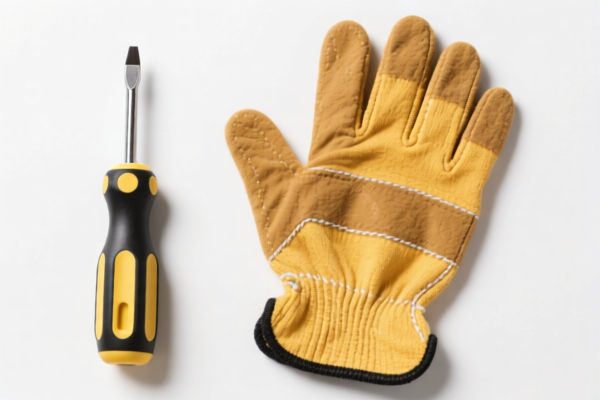
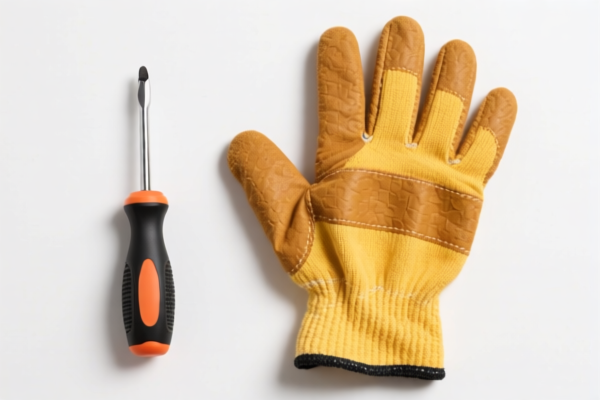
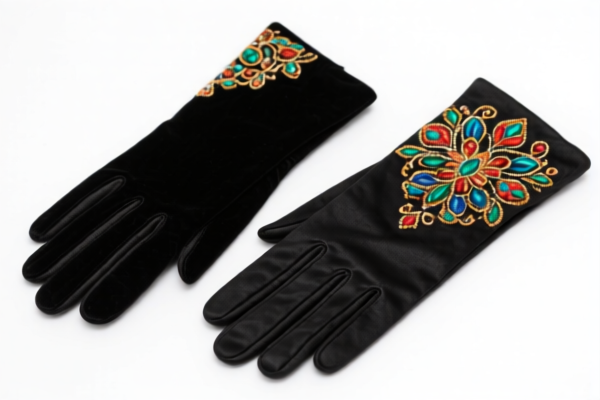
AI Analysis
🌙 Glow in the Dark Gloves (Phosphorescent Gloves)
🌐 HS Code Reference & Customs Clearance Guide | 2026 Latest Tariff Analysis | Professional Entry Strategy
📌 I. Product Definition & Classification: What Exactly Are These "Glow in the Dark Gloves"?
"Glow in the dark gloves" are primarily categorized under Plastic Articles (Heading 39.26) if they are made primarily of plastic or rubber compounds with phosphorescent pigments. In international trade, they fall into two distinct categories based on their seamless nature and disposability:
1. Disposable Seamless Gloves (3926.20.10.20):
Single-use, thin plastic/rubber gloves (often for medical, cleaning, or promotional purposes) that emit light in the dark. These are typically loose-fitting and not reinforced.
2. Other Seamless Gloves (3926.20.10.50):
Non-disposable, durable seamless gloves (e.g., for industrial, sports, or fashion use) that may have thicker walls or specific performance characteristics beyond simple disposability.
⚠️ Critical Distinction Point:
- If the product is labeled "Disposable" (single-use, thin film) →归入 3926.20.10.20
- If the product is "Other" (reusable, durable, thicker) → 归入 3926.20.10.50
- Material Note: Both codes fall under "Articles of plastics and articles of other materials of headings 3901 to 3914". They are NOT textile gloves (which would fall under Heading 61 or 62).
📦 II. HS Code Classification Details (2026 Latest Tariff Authority Comparison)
| HS Code | Product Description | Application Scenario | Key Characteristic |
|---|---|---|---|
3926.20.10.20 |
Gloves, mittens and mitts: Seamless Other: Disposable | Promotional events, party favors, single-use cleaning, light medical tasks | ✅ Disposable (Single-use) |
3926.20.10.50 |
Gloves, mittens and mitts: Seamless Other: Other | Industrial work, sports, fashion, durable reuse | ❌ Non-Disposable (Reusable/Durable) |
🔍 Key Reminder:
- Both codes are under Heading 3926: "Other articles of plastics... Articles of apparel and clothing accessories... Gloves...". - The "Glow in the Dark" feature (phosphorescent pigments) does NOT change the HS Code; it is considered a color/pigment attribute of the plastic material. - If the gloves contain textile components (e.g., cotton lining), they MAY need re-evaluation, but pure plastic/rubber glow gloves stay in 3926.
💰 III. 2026 Latest Tariff Rate Details (Detailed Breakdown)
✅ Applicable Country: China (CN) Export
✅ Target Market: United States (US) Assumed based on typical tariff queries, but rates are shown as per provided data
✅ Effective Time: Current 2026 Tariff Schedule
🎯 1. 3926.20.10.20 —— Disposable Gloves (Plastic)
| Item | Content |
|---|---|
| Base Tariff Rate | 0.0% |
| Additional Tariff (Section 301/Other) | 0.0% |
| Total Tax Rate | 0.0% |
| Tax Calculation | CIF Value × 0% = $0.00 |
| De Minimis Eligibility | ✅ Yes (If value < $800, may enter under Section 321) |
| Legal Basis Path | HTSUS: 3926.20.10.20 → USITC: 3926.20.10.20 |
📌 Explanation:
- This code has no additional duties applied in the provided data.
- Crucial: Unlike many electronics or steel products, plastic gloves currently face 0% total tariff in this specific dataset.
- Warning: Always verify if "Section 301" or "IEEPA" tariffs apply to your specific origin. The provided data shows 0.0%, which is highly favorable.
🎯 2. 3926.20.10.50 —— Other Seamless Gloves (Non-Disposable)
| Item | Content |
|---|---|
| Base Tariff Rate | 0.0% |
| Additional Tariff (Section 301/Other) | 0.0% |
| Total Tax Rate | 0.0% |
| Tax Calculation | CIF Value × 0% = $0.00 |
| De Minimis Eligibility | ✅ Yes (If value < $800, may enter under Section 321) |
| Legal Basis Path | HTSUS: 3926.20.10.50 → USITC: 3926.20.10.50 |
📌 Note:
- Same favorable tariff treatment as disposable gloves in this dataset.
- "Other" includes reusable plastic gloves for sports, industrial, or fashion use.
- No additional penalties or surcharges are listed in the provided data.
🛠️ IV. Customs Clearance Practical Advice (Real-World Pitfall Guide)
✅ 1. Documentation Checklist (Non-Negotiable)
| Document | Required | Description |
|---|---|---|
| ✅ Product Specification Sheet | ✔️ | Must state material (e.g., LDPE, PVC), thickness, and phosphorescent properties. |
| ✅ Product Photos | ✔️ | Show glow effect in dark vs. light. Label must read "Plastic Gloves" or "Glow Gloves". |
| ✅ Commercial Invoice | ✔️ | Clearly describe as "Plastic Disposable Gloves, Glow-in-the-Dark" or "Seamless Plastic Gloves". Avoid vague terms like "Accessories". |
| ✅ Certificate of Origin (CO) | ✔️ | Required for verifying origin status, even if 0% tariff. |
| ✅ Declaration of Non-Textile | ✔️ | Confirm gloves are 100% plastic/rubber (not textile-lined) to avoid Heading 61/62 classification. |
✅ 2. Declaration Tips (Key Mantras)
🔥 "Material Matters, Disposal Defines, Name Specifies, Rate Drops!"
| Scenario | Correct Declaration | Wrong Practice |
|---|---|---|
| Promotional Party Gloves | 3926.20.10.20 (Disposable) |
Mislabel as "Costume Apparel" → May be misclassified |
| Reusable Sports Gloves | 3926.20.10.50 (Other) |
Mislabel as "Disposable" → Risk of audit for undervaluation |
| Mixed Textile/Plastic Gloves | ❌ Do Not Use 3926 | Re-evaluate under Heading 61/62 (Textiles) |
| Vague Description "Glow Toys" | ❌ Avoid | Use precise "Gloves" |
✅ 3. Special Situations
| Situation | Handling Advice |
|---|---|
| FDA Regulation | If marketed for medical use (even disposable), ensure FDA compliance. |
| Chemical Safety | Phosphorescent pigments must comply with REACH (EU) or CPSIA (US) for heavy metals. |
| Packaging | If sold in bulk, ensure packaging is clearly labeled "Plastic Product" to avoid confusion with textile gloves. |
| Origin Labeling | Ensure "Made in China" is prominently displayed on product and packaging for US imports. |
🌍 V. Global Main Market Customs Comparison (2026 Latest)
| Country/Region | Recommended HS Code | Tariff | Certification Requirements | Notes |
|---|---|---|---|---|
| 🇺🇸 United States | 3926.20.10.20 / 3926.20.10.50 |
0.0% | CPSIA (if for kids), FDA (if medical) | No additional tariffs in provided data |
| 🇨🇳 China | 3926.20.10.20 / 3926.20.10.50 |
Varies | CCC (if applicable) | Export focus |
| 🇪🇺 European Union | 3926.20.10 |
~0-2% | REACH, CE Marking | Heavy metal limits for glow pigments |
| 🇬🇧 United Kingdom | 3926.20.10 |
~0-2% | UKCA Marking | Post-Brexit rules apply |
| 🇦🇺 Australia | 3926.20.10 |
~5% | ACCC Compliance | No additional tariffs |
📌 Conclusion:
- Tariff-Free Advantage: Both codes show 0.0% total tax in the provided data, making them highly competitive.
- Risk Area: Misclassification as textiles (Heading 61/62) could lead to different tariffs and regulatory hurdles (e.g., FTC labeling rules for textiles).
- Recommendation: Clearly state "Plastic" and "Seamless" in product descriptions.
📌 VI. Common Errors & Pitfall Guide (Blood & Tears Lessons)
❌ Error 1: Calling them "Costume Gloves" without specifying material
👉 Consequence: CBP may classify under Heading 61 (Knitted) or 62 (Non-Knitted Textiles), leading to different duties and documentation requirements.
❌ Error 2: Ignoring the "Disposable" vs. "Other" distinction
👉 Consequence: If reusable gloves are declared as "Disposable", customs may suspect undervaluation or misdeclaration, causing delays.
❌ Error 3: Omitting "Glow-in-the-Dark" description
👉 Consequence: Customs may reject the entry for incomplete description, requiring amendment.
❌ Error 4: Using vague terms like "Accessories"
👉 Consequence: Ambiguity leads to manual review and potential reclassification.
✅ Correct Practice:
"Plastic Seamless Disposable Gloves, Glow-in-the-Dark, Phosphorescent Pigment, Single-Use, Model ABC, CPSIA Compliant"
🎯 VII. Conclusion: Professional Declaration Saves Time and Money!
🎯 Remember the Mantra:
🔹 "Plastic Seamless, Disposable or Other, 0% Tax, Clear Description!"
🔹 "HS Code is King, Description is Queen, Misclassification is Doom!"
📌 Pro Tip:
- If your gloves are for children, ensure CPSIA compliance (lead/phthalates limits for glow pigments).
- For medical use, ensure FDA registration.
- Pre-Ruling: Consider applying for a Binding Ruling from CBP if the product is new or unique, to lock in the 0% tariff rate.
📣 Immediate Action:
📞 Contact your customs broker with product photos and material specs
🚀 Ensure accurate HS Code declaration:3926.20.10.20(Disposable) or3926.20.10.50(Other)
💼 Your profit margin depends on precise classification!
✨ Professional Customs Clearance Starts with Accurate Classification!
💼 Every Penny Saved on Tariffs Counts!
Customer Reviews
About HS Code Classification
The Harmonized System (HS) is an internationally standardized nomenclature developed by the World Customs Organization (WCO) to classify traded products. Over 200 countries use the HS system as the basis for customs tariffs, trade statistics, and import/export regulations.
Each HS code follows a hierarchical structure:
- Chapter (2 digits) — Broad category of goods (e.g., Chapter 84: Machinery and Mechanical Appliances)
- Heading (4 digits) — More specific grouping within the chapter
- Subheading (6 digits) — Internationally standardized breakdown, used by all WCO member countries
- National subdivisions (8-10 digits) — Country-specific extensions for further classification, such as US HTSUS 10-digit codes
Correct HS code classification is essential for smooth customs clearance, accurate duty payment, and compliance with trade regulations. Misclassification can lead to customs delays, overpayment of duties, or penalties.
When importing from CN to US, the applicable tariff rates may include:
- Most-Favored-Nation (MFN) rate — The standard duty rate applied to WTO members
- General rate — Applied to countries without trade agreements
- Trade remedy duties — Additional tariffs such as Section 301 (anti-dumping), Section 232 (national security), or countervailing duties
The information provided on this page is for reference purposes only. For official classification, please consult with your local customs authority or a licensed customs broker.