goat skin not further processed dry state
CN → US| HS Code | Tariff Rate | Origin | Destination | Doc |
|---|---|---|---|---|
| 4103901190 | 17.5% | CN | US | Official Doc |
| 4102293000 | 19.5% | CN | US | Official Doc |
| 4105300000 | 12.0% | CN | US | Official Doc |
| 4102103000 | 12.0% | CN | US | Official Doc |
| 4103901200 | 17.5% | CN | US | Official Doc |
Product Images
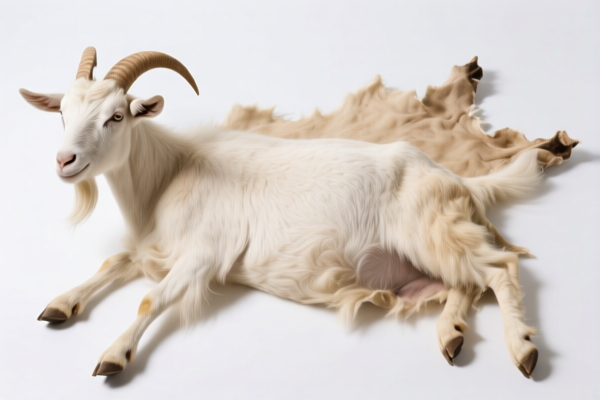
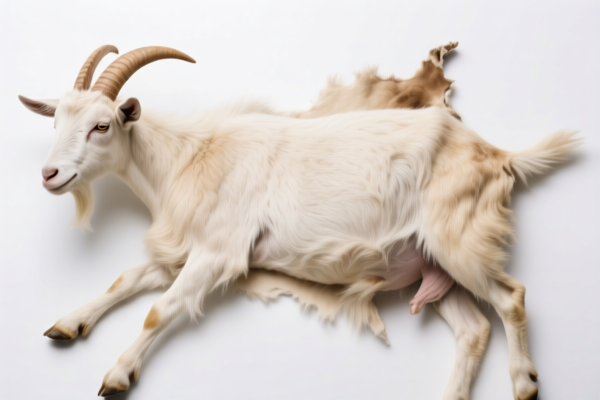
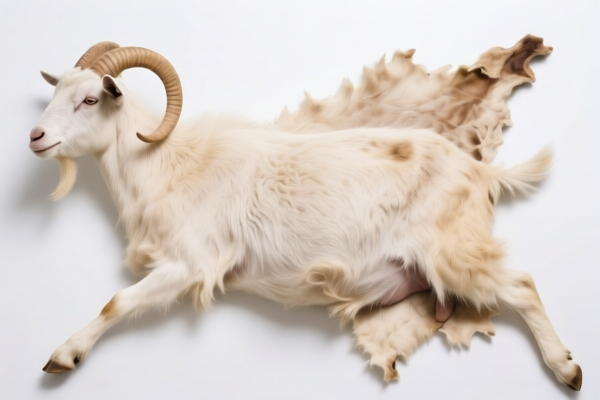
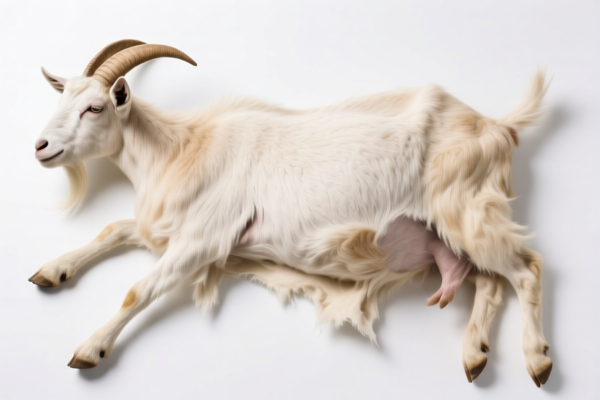
AI Analysis
🐐 Goat Skin: Not Further Processed (Dry State)
🌐 HS Code Reference & Customs Clearance Guide | 2026 Latest Tariff Analysis | Professional-Level Clearance Strategy
📌 I. Product Definition and Classification: Do You Really Understand "Dry Goat Skin"?
Goat Skin (Not Further Processed, Dry State) refers to raw hides or skins of goats that have been salted, dried, or preserved in their natural state, without undergoing tanning, chrome tanning, or other further processing beyond initial preservation. In international trade, the classification depends heavily on the precise state of processing and the type of sheep/goat (goat vs. sheep/lamb), which significantly impacts duty rates due to US trade policies (Section 301 & 122).
⚠️ Key Distinction Points:
- Goat Skin vs. Sheep Skin: If the skin is from a goat, it typically falls under heading 4103 (Other skins). If it is from a sheep or lamb, it falls under 4102. Misclassification here can lead to massive duty differences (e.g., 0% vs. 7.5% base tariffs).
- "Not Further Processed": Means the skin is not tanned, dressed, or crusted. It is raw, dried, or salted. If it has been wet-salted or merely preserved, it may still be considered "not further processed." However, if it has been shaved, split, or chemically treated beyond basic preservation, it may be classified differently.
- Dry State: The moisture content is low enough to prevent rotting during transport.
📦 II. HS Code Classification Details (2026 Latest Tariff Authority Comparison)
Based on the provided data, here are the applicable HS Codes for goat/sheep skins in a dry, unprocessed state. Note that the input "goat skin" primarily maps to HS 4103.90.11.90, but other codes are listed for context (sheep/lamb skins) to avoid misclassification.
| HS Code | Product Description | Material | State/Form | Total Tax Rate | Applicable Scenario |
|---|---|---|---|---|---|
4103.90.11.90 |
Goat Skin, Not Further Processed, Dry State | Goat Skin | Unprocessed & Dried | 17.5% | ✅ Direct Match for dry goat skins. |
4102.29.30.00 |
Unfinished Dry Sheep Skin | Sheep Skin | Untanned & Unprocessed | 19.5% | ❌ Incorrect for goat; for sheep/lamb skins. |
4105.30.00.00 |
Unfinished Dry Sheep Skin | Sheep/Lamb | Raw & Dry | 12.0% | ❌ Incorrect for goat; for sheep/lamb. |
4102.10.30.00 |
Unfinished Dry Sheep Skin | Sheep/Lamb | Untanned | 12.0% | ❌ Incorrect for goat; for sheep/lamb. |
4103.90.12.00 |
Unfinished Dry Goat/Skin (Goat Skin) | Goat Skin | Untanned | 17.5% | ✅ Alternative for goat skins, but 4103.90.11.90 is more specific for "dry state" in the provided data. |
🔍 Critical Reminder:
- Goat skins are classified under Heading 4103 ("Other hides and skins, whole and unsplit").
- Sheep/Lamb skins are classified under Heading 4102.
- Do not confuse Goat (4103) with Sheep (4102). Using4102codes for goat skins is a common error that may trigger customs audits.
- Between4103.90.11.90and4103.90.12.00, both carry a 17.5% total tax rate in the provided data, but4103.90.11.90explicitly mentions "unprocessed and dry," making it the most accurate match for the query.
💰 III. 2026 Latest Tariff Rate Breakdown (Including Surtaxes & Policy Surcharges)
✅ Applicable Country: United States (US)
✅ Origin: China (CN) (Note: If origin is not China, 122 and 301 tariffs may not apply. Assuming China origin for this analysis as per typical high-tariff scenarios.)
✅ Effective Date: Current policies (Section 301 & 122 tariffs active)
🎯 1. 4103.90.11.90 — Goat Skin, Not Further Processed, Dry State
| Item | Details |
|---|---|
| Base Tariff Rate | 0.0% (General duty rate for this subheading) |
| Section 301 Surtax | +7.5% (Additional duty under US Trade Act Section 301) |
| Section 122 Surcharge | +10.0% (Additional charge under Section 122 of the Trade Expansion Act) |
| Total Effective Tax Rate | 17.5% |
| Tax Calculation | Based on CIF Value × 17.5% |
| De Minimis Exemption Eligibility | ❌ No (Deny de_minimis). Goods of Chinese origin under this code are subject to full taxation. |
| Legal Basis Path | HTSUS:4103.90.11.90 → Section 301: Footnote 1 → Section 122: 19 U.S.C. 2153 |
📌 Explanation:
- Base Tariff (0.0%): The US has a low base tariff for raw hides/skins to encourage domestic leather processing.
- Section 301 Surtax (7.5%): Applies to many Chinese-origin goods, including certain animal products.
- Section 122 Surcharge (10.0%): Often applied to agricultural and raw material imports to protect domestic industries or address trade imbalances.
- Combined 17.5% is a significant cost. Importers must factor this into their landing cost.
🎯 2. 4103.90.12.00 — Unfinished Dry Goat Skin (Untanned)
| Item | Details |
|---|---|
| Base Tariff Rate | 0.0% |
| Section 301 Surtax | +7.5% |
| Section 122 Surcharge | +10.0% |
| Total Effective Tax Rate | 17.5% |
| Tax Calculation | Based on CIF Value × 17.5% |
| De Minimis Exemption Eligibility | ❌ No |
📌 Note: While
4103.90.12.00is for "unfinished dry goat skin," the provided data shows the same tax breakdown as4103.90.11.90. However,4103.90.11.90is explicitly defined as "unprocessed and dry," making it the preferred code for skins in a strictly dry, unprocessed state.
🛠️ IV. Customs Clearance Practical Advice (Real-World Pitfall Avoidance Guide)
✅ 1. Documentation Checklist (Non-Negotiable)
| Document | Must Provide | Explanation |
|---|---|---|
| ✅ Commercial Invoice | ✔️ | Clearly state: "Goat Skin, Raw, Dry, Not Tanned, Not Further Processed." Avoid vague terms like "Leather" or "Hide." |
| ✅ Packing List | ✔️ | Detail weight (gross/net), number of hides, and preservation method (e.g., "Salted and Dried"). |
| ✅ Certificate of Origin | ✔️ | Critical for proving Chinese origin to apply (or defend against) Section 301/122 tariffs. |
| ✅ Product Specification Sheet | ✔️ | Confirm that no tanning, shaving, or splitting has occurred. Must be raw and dry. |
| ✅ Photos of Goods | ✔️ | Show the texture, state (dry/cracked), and any markings (brand, lot number). |
| ✅ Import License/Permit | ✔️ | Check if USDA/APHIS permits are required for animal product imports. |
✅ 2. Declaration Tips (Key Mantras)
🔥 "Raw & Dry, Don't Say Leather; Goat vs. Sheep, Know Your Species!"
| Scenario | Correct Declaration | Wrong Practice |
|---|---|---|
| Dry Goat Skin | 4103.90.11.90 |
Misclassify as Sheep Skin (4102...) → Risk of Penalty |
| Wet-Salted Goat Skin | Still 4103.90.11.90 (if not tanned) |
Declare as "Tanned Leather" → Higher Duty & Compliance Issues |
| Sheep Skin | 4102.xx.xx.xx |
Use Goat Code (4103...) → Misclassification |
| Processed/Dressed Skin | Different HS Code (e.g., 4104...) |
Declare as "Not Further Processed" → Fraud Risk |
✅ 3. Special Case Handling
| Situation | Handling Advice |
|---|---|
| Mixed Shipment (Goat + Sheep) | Declare separately. Do not combine under one HS Code. |
| Partial Drying (Semi-Dry) | If still pliable, it may not be "dry." Provide moisture content data. |
| Origin Non-China | If from Vietnam, Mexico, etc., Section 301/122 tariffs may not apply. Provide proof of origin to claim lower rates. |
| USDA/APHIS Compliance | Ensure skins meet USDA requirements for importation of animal products. May require veterinary health certificates. |
🌍 V. Global Market Comparison (2026 Latest)
| Country/Region | Recommended HS Code | Tariff (China Origin) | Certification | Notes |
|---|---|---|---|---|
| 🇺🇸 USA | 4103.90.11.90 |
17.5% | USDA + APHIS | High tariffs due to Section 301 & 122. |
| 🇨🇳 China | 4103.90.11.90 |
Varies (MFN) | None | Low or no tariff for raw hides. |
| 🇪🇺 EU | 4103.90.11 |
Varies (MFN) | REACH (if processed) | Raw hides generally low duty. |
| 🇬🇧 UK | 4103.90.11 |
Varies | None | Post-Brexit tariffs may apply. |
📌 Conclusion:
- The USA imposes the highest effective tariffs (17.5%) on dry, unprocessed goat skins from China due to trade policies.
- Accurate classification is critical. Misclassifying as sheep skin or tanned leather can lead to severe penalties.
📌 VI. Common Mistakes & Pitfall Guide (Lessons Learned)
❌ Mistake 1: Declaring "Goat Skin" as "Sheep Skin" (4102...)
👉 Consequence: Potential penalty for misclassification, even if rates are similar.
❌ Mistake 2: Calling it "Leather" when it is "Raw Hide"
👉 Consequence: Customs may suspect it is tanned, leading to higher duty rates (e.g., 6.5% base + surcharges) or delays.
❌ Mistake 3: Ignoring Section 122 Tariffs
👉 Consequence: Underpayment of 10% surcharge, resulting in back taxes and fines.
❌ Mistake 4: Using De Minimis (Section 321) for B2B Shipments
👉 Consequence: Not allowed for Chinese-origin goods under this HS Code. Must file formal entry.
✅ Correct Practice:
"Goat Skin, Raw, Dry, Not Tanned, Not Further Processed, 100% Goat Origin, Dried in Natural State"
🎯 VII. Conclusion: Precise Classification Saves Costs!
🎯 Remember the Mantra:
🔹 "Raw & Dry, Goat Code 4103; Sheep is 4102, Don't Mix Them Up!"
🔹 "17.5% Tax on Chinese Goat Skins, Plan Your Budget!"
🔹 "No De Minimis for This Code, File Formal Entry!"
📌 Pro Tip:
If your goat skins are originally from countries other than China (e.g., Vietnam, India, Australia), you may avoid Section 301 and 122 tariffs. Ensure your Certificate of Origin is flawless to claim lower duty rates.
Consider Advance Rulings from CBP to confirm the HS Code and tariff applicability before shipping.
📣 Immediate Action:
📞 Consult a licensed customs broker + Provide Product Photos + Verify Origin
🚀 Ensure smooth clearance, avoid delays, and maximize your profit margin!
✨ Professional Customs Clearance Starts with Accurate Classification!
💼 Every percentage point in duty affects your bottom line!
Customer Reviews
About HS Code Classification
The Harmonized System (HS) is an internationally standardized nomenclature developed by the World Customs Organization (WCO) to classify traded products. Over 200 countries use the HS system as the basis for customs tariffs, trade statistics, and import/export regulations.
Each HS code follows a hierarchical structure:
- Chapter (2 digits) — Broad category of goods (e.g., Chapter 84: Machinery and Mechanical Appliances)
- Heading (4 digits) — More specific grouping within the chapter
- Subheading (6 digits) — Internationally standardized breakdown, used by all WCO member countries
- National subdivisions (8-10 digits) — Country-specific extensions for further classification, such as US HTSUS 10-digit codes
Correct HS code classification is essential for smooth customs clearance, accurate duty payment, and compliance with trade regulations. Misclassification can lead to customs delays, overpayment of duties, or penalties.
When importing from CN to US, the applicable tariff rates may include:
- Most-Favored-Nation (MFN) rate — The standard duty rate applied to WTO members
- General rate — Applied to countries without trade agreements
- Trade remedy duties — Additional tariffs such as Section 301 (anti-dumping), Section 232 (national security), or countervailing duties
The information provided on this page is for reference purposes only. For official classification, please consult with your local customs authority or a licensed customs broker.