golf gloves left hand
CN → US| HS Code | Tariff Rate | Origin | Destination | Doc |
|---|---|---|---|---|
| 6216000800 | 18.3% | CN | US | Official Doc |
| 6216004600 | 20.3% | CN | US | Official Doc |
| 6116100800 | 20.3% | CN | US | Official Doc |
| 6116930800 | 20.3% | CN | US | Official Doc |
Product Images
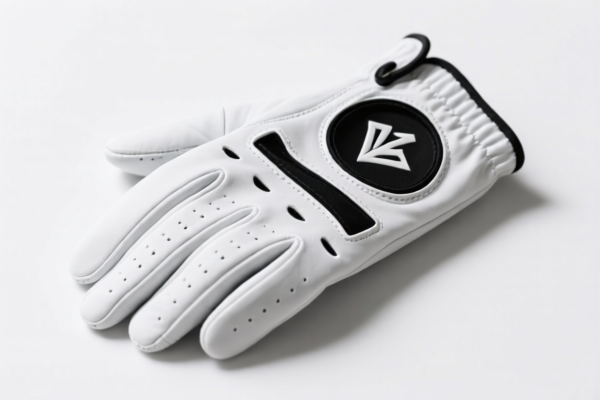
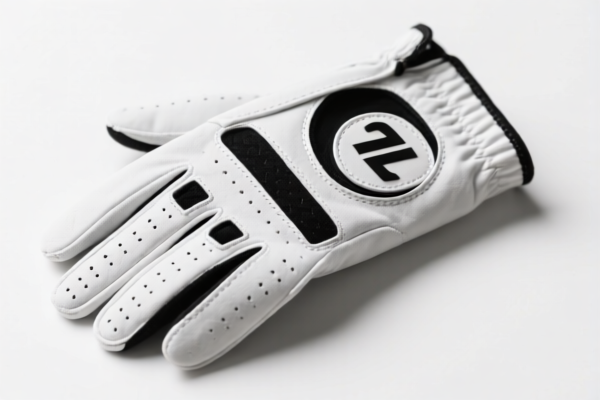
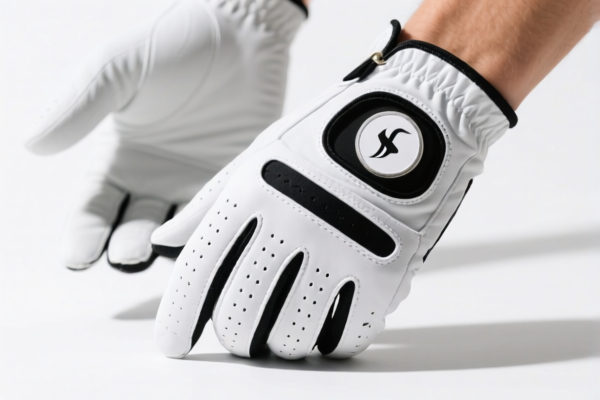
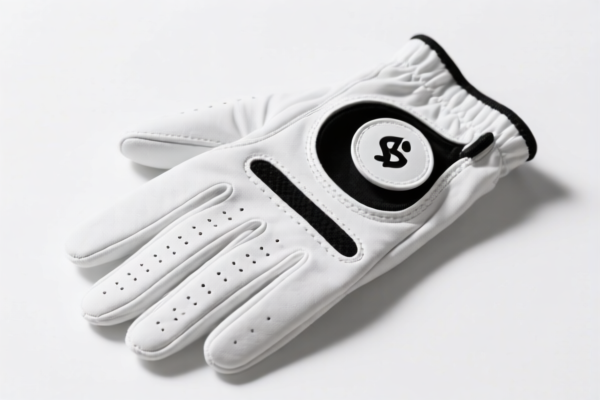
AI Analysis
🏌️♂️ Golf Gloves (Left Hand)
🌐 HS Code Reference & Customs Clearance Guide | 2026 Latest Tariff Analysis | Professional Clearance Strategy
📌 I. Product Definition & Classification: Understanding "Golf Gloves"
Golf gloves are specialized protective gear designed to enhance grip, prevent blisters, and improve performance on the golf course. In international trade, they are categorized based on their material composition and construction method.
Since "Golf Gloves" can be made from various materials (leather, synthetic fibers, knit, or coated fabrics), they fall into different HS Code categories. Below is the detailed breakdown based on the provided data.
📦 II. HS Code Classification Details (2026 Latest Tariff Authority Reference)
| HS Code | Product Description | Material/Construction | Tax Applicability |
|---|---|---|---|
| 6216.00.08.00 | Gloves of other textile materials, coated on the palm | Textile with Rubber/Plastic Coating | Base: 0.8% + 122 Clause: 10% + 301 Tariff: 7.5% = 18.3% |
| 6216.00.46.00 | Gloves of other textile materials (Artificial Fiber/Leather) | Artificial Fiber or Leather (Non-knit) | Base: 2.8% + 122 Clause: 10% + 301 Tariff: 7.5% = 20.3% |
| 6116.10.08.00 | Gloves impregnated, coated, covered or laminated with plastics | Knitted or Crocheted with Plastic Coating | Base: 2.8% + 122 Clause: 10% + 301 Tariff: 7.5% = 20.3% |
| 6116.93.08.00 | Gloves of synthetic fibers, knitted/crocheted | Knitted/Crocheted Synthetic Fiber | Base: 2.8% + 122 Clause: 10% + 301 Tariff: 7.5% = 20.3% |
🔍 Key Distinction Points:
- Knitted vs. Woven:6116.xxxxcodes are for Knitted/Crocheted gloves.6216.xxxxcodes are for Woven/Non-knit gloves.
- Coating: If the palm is coated with rubber/plastic for grip, it often falls under6116.10or6216.00.08.
- Material: Pure leather or artificial leather gloves without knitting often fall under6216.00.46.
💰 III. 2026 Latest Tariff Rate Breakdown (Including Surcharges & Policy Add-ons)
✅ Applicable Country: United States (US)
✅ Origin: China (CN)
✅ Effective Date: 2025/2026 (Current Trade Policy)
🎯 1. 6216.00.08.00 —— Textile Gloves with Rubber/Plastic Coating
| Item | Content |
|---|---|
| Base Tariff | 0.8% (Ad Valorem) |
| Section 301 Tariff | +7.5% (China-specific) |
| Section 122 Tariff | +10% (Trade Remedies) |
| Total Rate | 18.3% |
| Tax Calculation | CIF Value × 18.3% |
| De Minimis Eligibility | ❌ No (Subject to strict scrutiny) |
| Legal Basis Path | Section 122: 19 USC 2253 → Section 301: 19 USC 2411 → USITC: 6216.00.08.00 |
📌 Explanation:
- This code is often used for golf gloves with synthetic palms (e.g., microfiber with rubber dots) for enhanced grip.
- The 18.3% rate is moderate compared to other codes, but still significantly higher than the pre-trade war rates.
🎯 2. 6216.00.46.00 —— Other Textile Gloves (Artificial Fiber/Leather)
| Item | Content |
|---|---|
| Base Tariff | 2.8% |
| Section 301 Tariff | +7.5% |
| Section 122 Tariff | +10% |
| Total Rate | 20.3% |
| Tax Calculation | CIF Value × 20.3% |
| De Minimis Eligibility | ❌ No |
| Legal Basis Path | Section 122 → Section 301 → USITC: 6216.00.46.00 |
📌 Explanation:
- Commonly used for leather golf gloves (often cowhide or sheepskin) or high-quality artificial leather gloves.
- Note: If the glove is made of genuine leather, it may still fall under this textile chapter if it’s considered "other textile materials" in specific tariff interpretations, or it might be subject to different leather-specific codes. However, based on the provided data, this code is the match for "other" materials like leather/artificial fiber.
🎯 3. 6116.10.08.00 —— Knitted Gloves with Plastic Coating
| Item | Content |
|---|---|
| Base Tariff | 2.8% |
| Section 301 Tariff | +7.5% |
| Section 122 Tariff | +10% |
| Total Rate | 20.3% |
| Tax Calculation | CIF Value × 20.3% |
| De Minimis Eligibility | ❌ No |
| Legal Basis Path | Section 122 → Section 301 → USITC: 6116.10.08.00 |
📌 Explanation:
- Used for knitted fabric gloves (e.g., polyester or nylon base) that are coated on the palm with plastic/rubber for grip.
- Very common for training gloves or lightweight golf gloves.
🎯 4. 6116.93.08.00 —— Knitted Gloves of Synthetic Fibers
| Item | Content |
|---|---|
| Base Tariff | 2.8% |
| Section 301 Tariff | +7.5% |
| Section 122 Tariff | +10% |
| Total Rate | 20.3% |
| Tax Calculation | CIF Value × 20.3% |
| De Minimis Eligibility | ❌ No |
| Legal Basis Path | Section 122 → Section 301 → USITC: 6116.93.08.00 |
📌 Explanation:
- For knitted gloves made entirely of synthetic fibers (e.g., polyester, nylon) without significant coating.
- Often used for practice gloves or inner liners.
🛠️ IV. Customs Clearance Practical Advice (Best Practices)
✅ 1. Required Documentation Checklist
| Document | Required | Notes |
|---|---|---|
| Product Specification Sheet | ✔️ | Must detail material composition (e.g., "100% Polyester Knit with PVC Palm Coating") |
| Material Breakdown | ✔️ | Crucial for distinguishing between 6116 (Knit) and 6216 (Woven/Other) |
| Product Photos | ✔️ | Show palm coating, stitching, and branding |
| Commercial Invoice | ✔️ | Clearly state "Golf Gloves, Left Hand" and HS Code |
| Packing List | ✔️ | Include weight, dimensions, and quantity |
| Third-Party Test Report | ✔️ | If claiming eco-friendly materials, include REACH/RoHS reports |
✅ 2. Declaration Tips (Key Rules)
🔥 "Material Defines Code, Coating Defines Rate, Name Must Be Precise!"
| Scenario | Correct HS Code | Risk of Wrong Code |
|---|---|---|
| Leather Golf Gloves | 6216.00.46.00 |
Misdeclaring as textile may lead to higher duties or rejection |
| Knitted Gloves with Rubber Palm | 6116.10.08.00 |
Declaring as plain knit (6116.93) may result in underpayment penalties |
| Woven Gloves with Plastic Coating | 6216.00.08.00 |
Often the cheapest option (18.3%) if applicable |
| Pure Synthetic Knit (No Coating) | 6116.93.08.00 |
Common for lightweight summer golf gloves |
⚠️ Critical Warning:
- Left vs. Right Hand: While gloves are often sold in pairs, declaring as "Left Hand Only" may require special packaging notes. However, the HS Code remains the same.
- Set of Two: If shipping a pair, declare as "Golf Gloves, Pair" to avoid per-unit tariff confusion, but the rate applies per item.
✅ 3. Special Cases
| Case | Handling Advice |
|---|---|
| Golf Gloves with Branding | Ensure trademark authorization if importing into US to avoid IP seizure |
| Eco-Friendly Materials | If made from recycled polyester, highlight in documentation but note that tariff rates remain the same unless specific FTC exemptions apply |
| OEM Private Label | Provide OEM agreements to prove ownership and avoid counterfeit accusations |
🌍 V. Global Market Clearance Comparison (2026)
| Country/Region | Recommended HS Code | Tariff Rate (China Origin) | Notes |
|---|---|---|---|
| 🇺🇸 USA | 6116.10.08.00 / 6216.00.08.00 |
18.3% - 20.3% | High surcharges due to Section 122 & 301 |
| 🇪🇺 EU | 6116.10.10 / 6216.00.30 |
~4% - 8% | Lower duties, no US-style surcharges |
| 🇨🇳 China | 6116.10.10 / 6216.00.30 |
~10% - 15% | Higher base duties, but no export taxes on gloves |
| 🇬🇧 UK | 6116.10.10 / 6216.00.30 |
~4% - 8% | Post-Brexit tariffs similar to EU |
📌 Conclusion:
- USA is the most expensive market for golf gloves due to Section 122 (10%) and Section 301 (7.5%) tariffs.
- Europe offers a more favorable tariff environment, making it a better market for high-margin glove brands.
📌 VI. Common Errors & Pitfalls
❌ Error 1: Declaring Leather Gloves as "Textile Gloves"
👉 Consequence: If the material is not textile, the HS code is wrong → Penalties + Back Taxes
❌ Error 2: Ignoring the "Coating" Aspect
👉 Consequence: Coated gloves (6116.10) have different tax rates than plain gloves (6116.93) → Underpayment Risk
❌ Error 3: Failing to Specify "Left Hand" in Packaging
👉 Consequence: May lead to customs inspection delays if the declaration doesn’t match the physical goods → Delays
✅ Correct Declaration Example:
"Golf Gloves, Left Hand, Knitted Polyester with PVC Palm Coating, Model XYZ, Set of 2"
🎯 VII. Conclusion: Precision in Classification Saves Money!
🎯 Remember:
🔹 "Knitted = 61xx, Woven/Other = 62xx"
🔹 "Coated = 10x, Unc oated = 93x"
🔹 "USA Tariff = Base + 7.5% + 10% = 18.3% - 20.3%"
📌 Pro Tip:
If you are importing large volumes into the US, consider:
1. Supplier Diversification: Source from Vietnam or Mexico to avoid Section 301 tariffs.
2. Pre-Ruling: Apply for an Advance Ruling with US CBP to confirm the HS Code for your specific glove material.
3. Bundle Strategy: Ensure your packaging clearly states the material composition to prevent misclassification.
📣 Immediate Action:
📞 Consult a Licensed Customs Broker
📄 Provide Detailed Material Specs
🚀 Ensure Your Invoice Matches the HS Code Exactly
✨ Professional Clearance Starts with Accurate Classification!
💼 Every Percent of Tariff Matters in Your Bottom Line!
Customer Reviews
About HS Code Classification
The Harmonized System (HS) is an internationally standardized nomenclature developed by the World Customs Organization (WCO) to classify traded products. Over 200 countries use the HS system as the basis for customs tariffs, trade statistics, and import/export regulations.
Each HS code follows a hierarchical structure:
- Chapter (2 digits) — Broad category of goods (e.g., Chapter 84: Machinery and Mechanical Appliances)
- Heading (4 digits) — More specific grouping within the chapter
- Subheading (6 digits) — Internationally standardized breakdown, used by all WCO member countries
- National subdivisions (8-10 digits) — Country-specific extensions for further classification, such as US HTSUS 10-digit codes
Correct HS code classification is essential for smooth customs clearance, accurate duty payment, and compliance with trade regulations. Misclassification can lead to customs delays, overpayment of duties, or penalties.
When importing from CN to US, the applicable tariff rates may include:
- Most-Favored-Nation (MFN) rate — The standard duty rate applied to WTO members
- General rate — Applied to countries without trade agreements
- Trade remedy duties — Additional tariffs such as Section 301 (anti-dumping), Section 232 (national security), or countervailing duties
The information provided on this page is for reference purposes only. For official classification, please consult with your local customs authority or a licensed customs broker.