golf gloves right hand
CN → US| HS Code | Tariff Rate | Origin | Destination | Doc |
|---|---|---|---|---|
| 6216000800 | 18.3% | CN | US | Official Doc |
| 6216004600 | 20.3% | CN | US | Official Doc |
| 6116100800 | 20.3% | CN | US | Official Doc |
| 6116930800 | 20.3% | CN | US | Official Doc |
| 6216000800 | 18.3% | CN | US | Official Doc |
Product Images
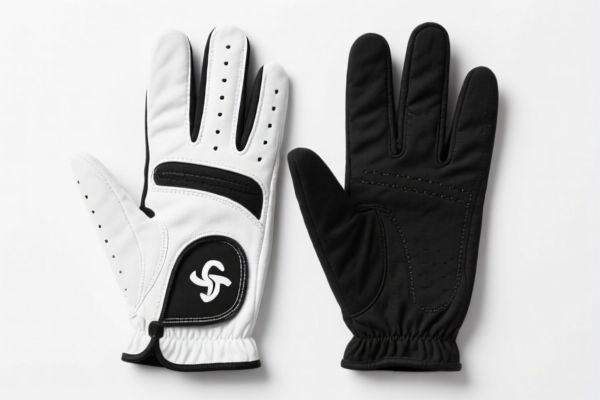

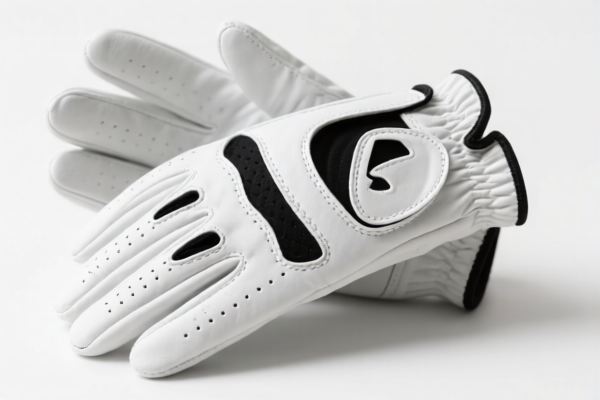
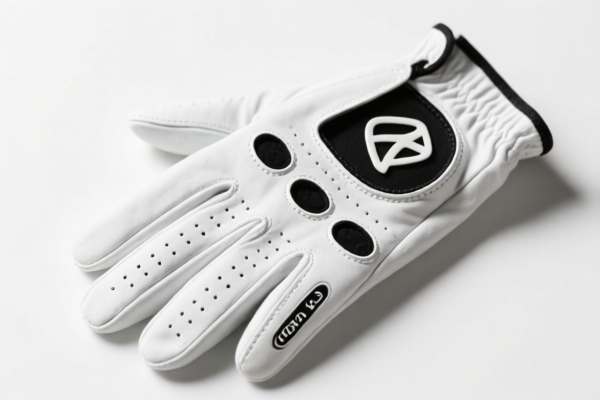
AI Analysis
🧤 Golf Gloves – Right Hand: The Ultimate HS Code & Customs Clearance Guide (2026 Edition)
🌐 HS Code Reference & Customs Clearance Strategy | 2026 Latest Tariff Analysis | Professional Level Entry
📌 I. Product Definition & Classification: Do You Really Understand "Golf Gloves"?
Golf gloves are essential sporting accessories designed to provide grip, moisture control, and hand protection for golfers. In international trade, they are not a monolithic category. The Harmonized System (HS) classifies them primarily based on Material Composition (Knitted/Non-knitted, Coated/Uncoated) and Form.
For Right-Handed Golf Gloves, the key distinction lies in whether the glove is: 1. Knitted/Knit (e.g., standard leather or synthetic knit backs) → Chapter 61. 2. Non-Knitted/Woven (e.g., leather sheets, synthetic sheets, or rubber/plastic coated fabric) → Chapter 62.
⚠️ Critical Distinction Point:
- If the material is knitted (like a sock or jersey) → Look at Chapter 61.
- If the material is non-knitted (like a sheet of leather or plastic-coated fabric) → Look at Chapter 62.
- Coating Matters: Rubber/plastic coatings significantly alter the HS code and tax rate.
📦 II. HS Code Classification Matrix (2026 Latest Tariff Authority)
Based on your input data, here are the 4 distinct HS Codes for Right-Hand Golf Gloves, depending on their specific material and construction:
| HS Code | Product Description | Material/Key Feature | Application Scenario |
|---|---|---|---|
6216.00.08.00 |
Non-knitted gloves, coated with rubber or plastic | Rubber/Plastic Coated (Immersed, Covered, or Coated) | Sports gloves (Golf) with rubberized grip; Synthetic/Leather base + Plastic/Rubber surface. |
6216.00.46.00 |
Non-knitted gloves, of man-made fibers or leather | Man-Made Fibers or Leather (Uncoated/Standard) | Traditional leather golf gloves or synthetic fabric gloves without heavy rubber coating. |
6116.10.08.00 |
Knitted gloves, coated with rubber or plastic | Knitted/Knit + Rubber/Plastic Coated | Knit-back gloves with rubber dots/palm coating for grip; Common in lightweight sports gloves. |
6116.93.08.00 |
Other knitted gloves, of synthetic fibers or leather | Knitted/Knit + Synthetic/Leather (Uncoated) | Knit gloves made of synthetic materials or leather, without specific rubber/plastic coating for grip. |
🔍 Key Insight:
- Chapter 62 (Non-Knitted) generally applies to heavier, structured leather or synthetic sheet materials.
- Chapter 61 (Knitted) applies to stretchy, knit-base gloves (often used for comfort and breathability).
- Coated vs. Uncoated: Coated gloves (Rubber/Plastic) fall under specific sub-headings (08) which may have different base duties than uncoated versions.
💰 III. 2026 Latest Tariff Rate Breakdown (Including Surcharge & Policy Additions)
✅ Applicable Country: USA (US)
✅ Country of Origin: China (CN)
✅ Effective Date: Ongoing (Subject to Section 301 & IEEPA regulations)
🎯 1. Non-Knitted Gloves (Chapter 62) – The "Standard" Golf Glove
A. HS Code: 6216.00.08.00 (Rubber/Plastic Coated)
* Base Duty: 0.8% (Ad Valorem)
* Section 301 Surcharge: +7.5% (USITC Footnote for 6216)
* IEEPA 122 Clause Surcharge: +10% (Targeting specific Chinese goods)
* Total Tax Rate: 18.3%
* Calculation: CIF Value × 18.3%
* Legal Path: Base: 6216.00.08 → Sec301: +7.5% → IEEPA: +10%
B. HS Code: 6216.00.46.00 (Man-Made Fiber or Leather)
* Base Duty: 2.8% (Ad Valorem)
* Section 301 Surcharge: +7.5%
* IEEPA 122 Clause Surcharge: +10%
* Total Tax Rate: 20.3%
* Calculation: CIF Value × 20.3%
* Legal Path: Base: 6216.00.46 → Sec301: +7.5% → IEEPA: +10%
📌 Note:
- The 7.5% is a standard Section 301 surcharge for many textile/garment items from China.
- The 10% is a critical add-on for certain categories under the "122 Clause" (likely referring to specific IEEPA provisions targeting high-volume Chinese imports).
- Leather vs. Synthetic: Leather gloves often face the same base duty as synthetic ones in this subheading, but material declaration must be precise.
🎯 2. Knitted Gloves (Chapter 61) – The "Performance/Breathable" Glove
C. HS Code: 6116.10.08.00 (Knitted & Coated)
* Base Duty: 2.8% (Ad Valorem)
* Section 301 Surcharge: +7.5%
* IEEPA 122 Clause Surcharge: +10%
* Total Tax Rate: 20.3%
* Calculation: CIF Value × 20.3%
* Legal Path: Base: 6116.10.08 → Sec301: +7.5% → IEEPA: +10%
D. HS Code: 6116.93.08.00 (Knitted, Synthetic/Leather, Uncoated)
* Base Duty: 2.8% (Ad Valorem)
* Section 301 Surcharge: +7.5%
* IEEPA 122 Clause Surcharge: +10%
* Total Tax Rate: 20.3%
* Calculation: CIF Value × 20.3%
* Legal Path: Base: 6116.93.08 → Sec301: +7.5% → IEEPA: +10%
📌 Note:
- Knitted gloves (6116) have a higher base duty (2.8%) compared to the coated non-knitted variety (6216.00.08at 0.8%).
- However, the surcharges are identical, leading to a similar total effective rate (~20.3%).
- Coating Check: If your knit glove has rubber/plastic dots for grip, it MUST be6116.10.08.00. If it’s just a knit material without coating, it might fall under6116.93.08.00(if synthetic/leather).
🛠️ IV. Customs Clearance Practical Advice (Real-World Pitfall Guide)
✅ 1. Documentation Checklist (Non-Negotiable)
| Document | Required? | Description |
|---|---|---|
| ✅ Product Spec Sheet | ✔️ | Must specify: Material (Leather/Synthetic/Knit), Coating (Rubber/Plastic/None), Hand (Right/Left), Use (Golf/Sports). |
| ✅ Commercial Invoice | ✔️ | Clearly state "Golf Gloves, Right Hand, [Material]". Avoid vague terms like "Sports Accessories". |
| ✅ Packing List | ✔️ | Detail quantity per carton. Ensure packaging doesn’t obscure material info. |
| ✅ Material Composition Certificate | ✔️ | Crucial for distinguishing between 6116 (Knit) and 6216 (Non-Knit). Customs will verify if it’s "Knitted" or "Woven/Sheet". |
| ✅ Origin Certificate | ✔️ | Required for Section 301 & IEEPA calculations. Confirm CN origin. |
✅ 2. Declaration Strategy (Key Mantra)
🔥 "Material Defines Chapter, Coating Defines Subheading, Hand Defines Model, Not Duty!"
| Scenario | Correct HS Code | Why? |
|---|---|---|
| Leather Golf Glove (Standard) | 6216.00.46.00 |
Non-knitted leather; no heavy rubber coating mentioned. |
| Synthetic Leather Glove (Rubber Palm) | 6216.00.08.00 |
Non-knitted, coated with rubber/plastic for grip. |
| Knit-Back Glove (Rubber Dots) | 6116.10.08.00 |
Knitted material, coated with rubber/plastic. |
| Knit-Back Glove (No Rubber) | 6116.93.08.00 |
Knitted, synthetic/leather, no specific coating. |
❌ Common Error: Declaring all golf gloves as
6216.00.46.00regardless of material.
👉 Risk: If the glove is actually knitted, Customs may reclassify to6116, leading to under-declaration or delay.
👉 Risk: If the glove is coated, declaring it as uncoated (46or93) may trigger a reclassification and penalties for misdeclaration.
✅ 3. Special Considerations for Right-Hand Gloves
- Left vs. Right: Customs typically does not differentiate between left and right gloves in HS Code classification. The duty is the same.
- Pairing: If shipping a pair (Left + Right), declare as "Golf Gloves, Pairs". Ensure the material description applies to both.
- Set Packing: If gloves are packaged with other items (e.g., club cover, ball marker), ensure they are genuinely part of a set or declare them separately. Do not bundle unrelated items to hide duty.
🌍 V. Global Market Comparison (2026)
| Country/Region | Recommended HS Code | Total Duty (China Origin) | Notes |
|---|---|---|---|
| 🇺🇸 USA | See Above (6216/6116) | 18.3% - 20.3% | Includes Section 301 + IEEPA. High duty. |
| 🇨🇳 China | 6216.00.08/46 | 5% - 14% | Lower base duties; no Section 301. |
| 🇪🇺 EU | 6216.00.08/46 | 4% - 12% | No Section 301. Look for Ecolabel if synthetic. |
| 🇬🇧 UK | 6216.00.08/46 | 4% - 12% | Post-Brexit tariffs similar to EU. |
| 🇨🇦 Canada | 6216.00.08/46 | 0% - 6% | CUSMA/USMCA may apply if manufactured in NA. |
📌 Conclusion:
- The USA is the most expensive market due to the 17.5% combined surcharge (7.5% + 10%).
- Duty Optimization: Consider sourcing from Vietnam, Thailand, or Mexico to avoid Section 301 (7.5%) and potentially IEEPA surcharges, reducing total duty to base rate only (0.8% - 2.8%).
📌 VI. Common Mistakes & Pitfalls (Blood & Tears Lesson)
❌ Mistake 1: Declaring "Sports Gloves" without specifying Material.
👉 Consequence: Customs will ask for clarification → Delay. If guessed wrong → Reclassification & Penalty.
❌ Mistake 2: Claiming "Knitted" for a leather sheet glove.
👉 Consequence: 6216 vs 6116 confusion. If under-declared, you face back duties + 10% penalty.
❌ Mistake 3: Ignoring the Rubber/Plastic Coating.
👉 Consequence: A coated glove (6216.00.08) has a 0.8% base vs uncoated (6216.00.46) at 2.8%. Misdeclaring coating can lead to over-payment or under-declaration depending on the direction.
❌ Mistake 4: Assuming "Right Hand" changes the HS Code.
👉 Consequence: It does not. Wasting time looking for a "Right Hand Only" code. Focus on Material & Construction.
✅ Correct Practice:
"Golf Gloves, Right Hand, Pair, 100% Genuine Leather Palm, Split Leather Back, Non-Knitted, Uncoated → HS: 6216.00.46.00"
OR
"Golf Gloves, Right Hand, Pair, Synthetic Back, Knitted, Rubber Coated Palm → HS: 6116.10.08.00"
🎯 VII. Conclusion: Precision Declaration, Cost Efficiency
🎯 Key Takeaways:
🔹 Material is King: Knit (
6116) vs. Non-Knit (6216) is the primary divider.
🔹 Coating is Queen: Rubber/Plastic coating (08) vs. Uncoated (46/93) affects base duty.
🔹 Right Hand Doesn’t Matter for Duty: Only matters for inventory and packing.
🔹 US Surcharges are Brutal: Always calculate the 18.3% vs 20.3% total impact.
🔹 Sourcing Strategy: If margin is tight, non-China sourcing can save ~15-17% in duties.
📌 Pro Tip:
If your gloves are high-end leather, consider the 6216.00.46.00 path.
If they are performance synthetic with grip, ensure 6216.00.08.00 or 6116.10.08.00 is declared to avoid "general glove" misclassification.
📣 Immediate Action:
📞 Contact your customs broker with the Material Composition Certificate.
📝 Label products clearly on the invoice: "Golf Glove, Right Hand, [Material], [Knit/Non-Knit], [Coated/Uncoated]".
🚀 Avoid costly reclassifications by getting an Advance Ruling from CBP if unsure.
✨ Professional Clearance Starts with Accurate Classification!
💼 Every percentage point matters in cross-border trade!
Customer Reviews
About HS Code Classification
The Harmonized System (HS) is an internationally standardized nomenclature developed by the World Customs Organization (WCO) to classify traded products. Over 200 countries use the HS system as the basis for customs tariffs, trade statistics, and import/export regulations.
Each HS code follows a hierarchical structure:
- Chapter (2 digits) — Broad category of goods (e.g., Chapter 84: Machinery and Mechanical Appliances)
- Heading (4 digits) — More specific grouping within the chapter
- Subheading (6 digits) — Internationally standardized breakdown, used by all WCO member countries
- National subdivisions (8-10 digits) — Country-specific extensions for further classification, such as US HTSUS 10-digit codes
Correct HS code classification is essential for smooth customs clearance, accurate duty payment, and compliance with trade regulations. Misclassification can lead to customs delays, overpayment of duties, or penalties.
When importing from CN to US, the applicable tariff rates may include:
- Most-Favored-Nation (MFN) rate — The standard duty rate applied to WTO members
- General rate — Applied to countries without trade agreements
- Trade remedy duties — Additional tariffs such as Section 301 (anti-dumping), Section 232 (national security), or countervailing duties
The information provided on this page is for reference purposes only. For official classification, please consult with your local customs authority or a licensed customs broker.