golf special gloves
CN → US| HS Code | Tariff Rate | Origin | Destination | Doc |
|---|---|---|---|---|
| 6116100800 | 20.3% | CN | US | Official Doc |
| 6216004600 | 20.3% | CN | US | Official Doc |
| 6116926440 | 41.0% | CN | US | Official Doc |
| 6216000800 | 18.3% | CN | US | Official Doc |
| 6216000800 | 18.3% | CN | US | Official Doc |
Product Images
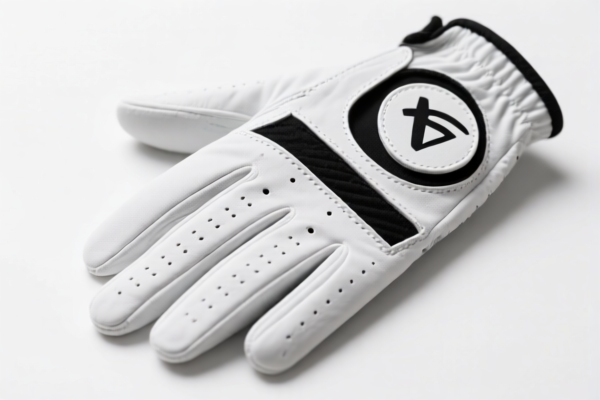
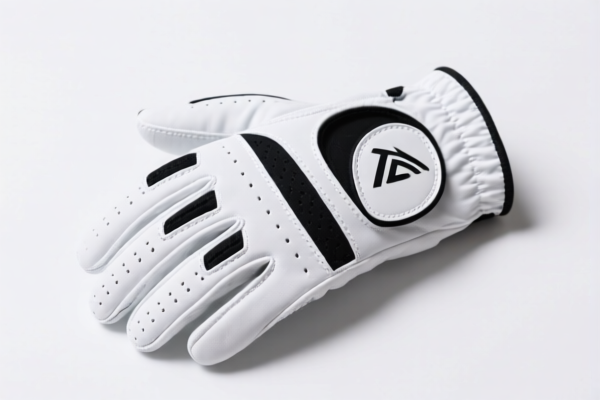
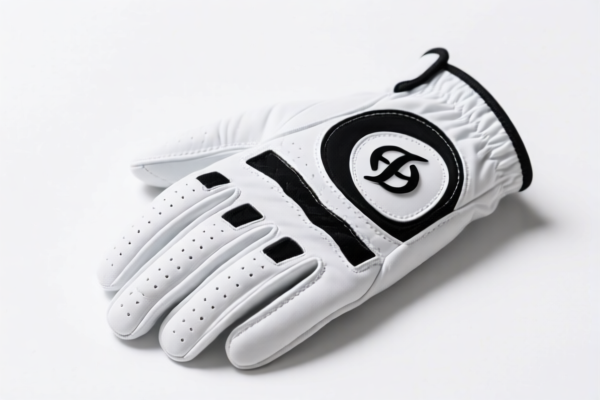
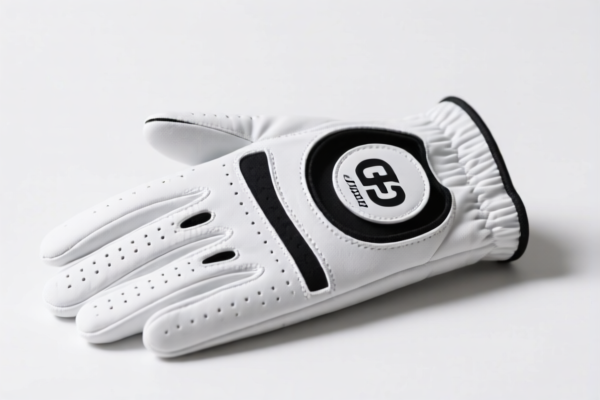
AI Analysis
⛳ Golf Special Gloves: The Ultimate HS Code & Tax Breakdown (2026 Edition)
🌐 HS Code Reference & Customs Clearance Guide | 2026 Latest Tariff Analysis | Professional Strategy for Golf Apparel
📌 I. Product Definition & Classification: What Are "Golf Special Gloves"?
Golf gloves are not just fashion accessories; they are high-performance sporting goods designed to provide grip, prevent blisters, and ensure club control. In international trade, the classification hinges on three critical factors: 1. Material: Is it knitted (e.g., synthetic/suede blend, cotton) or made up (e.g., leather, plastic-coated)? 2. Construction: Knitted/crocheted (Chapter 61) vs. Made-up (Chapter 62). 3. Function: Are they purely for sports/grip, or do they have special coatings (rubber/plastic) for protection?
⚠️ Critical Distinction:
- Knitted/Crocheted Gloves (e.g., synthetic suede back, leather palm): Often fall under 6116.
- Made-up Gloves (e.g., solid leather, plastic-coated, or specific fabric cuts): Often fall under 6216.
- Special Coatings: If heavily coated with plastic/rubber for grip, it may shift to 6216.00.08.
📦 II. HS Code Classification Matrix (Based on Provided Data)
The following 5 HS Codes are the primary candidates for "Golf Special Gloves" based on material inference and functional use.
| HS Code | Description & Logic | Total Tax Rate | Key Tax Components |
|---|---|---|---|
6116.10.08.00 |
Knitted/Crocheted, Coated: Matches sports use. Inferred as knitted/hook-knitted with coating treatment (common for grip). | 20.3% | Base: 2.8% + Sec 301: 7.5% + Sec 122: 10% |
6216.00.46.00 |
Made-up, Other: Matches sports use. Inferred material is synthetic fiber or leather (no conflict with "other" category). | 20.3% | Base: 2.8% + Sec 301: 7.5% + Sec 122: 10% |
6116.92.64.40 |
Knitted, Cotton: Matches sports use. Inferred as cotton or synthetic fiber. Fits "Other cotton gloves" category. | 41.0% | Base: 23.5% + Sec 301: 7.5% + Sec 122: 10% |
6216.00.08.00 |
Made-up, Coated: Matches sports use. Inferred as浸渍/coated with plastic/rubber (common for high-grip sports gloves). | 18.3% | Base: 0.8% + Sec 301: 7.5% + Sec 122: 10% |
6216.00.46.00 |
Made-up, Other (Repeat): Same as above. Matches sports use. Inferred material is synthetic/leather. No material conflict. | 20.3% | Base: 2.8% + Sec 301: 7.5% + Sec 122: 10% |
🔍 Key Insight:
- The most common classification for standard synthetic/leather golf gloves is6216.00.46.00(20.3%) or6116.10.08.00(20.3%). - Avoid6116.92.64.40if your product is not primarily Cotton. The tax rate is 41.0%, significantly higher due to the high base duty (23.5%). - Consider6216.00.08.00if the gloves are heavily coated with plastic/rubber for extreme grip. It offers the lowest base duty (0.8%), resulting in a total of 18.3%.
💰 III. Detailed Tariff Structure (2026 Latest)
✅ Target Market: United States (US)
✅ Origin: China (CN)
✅ Effective Date: Post-2025 policies applied
🎯 1. 6116.10.08.00 & 6216.00.46.00 — The "Standard" Golf Glove Routes
| Item | Details |
|---|---|
| Base Duty (MFN) | 2.8% (Ad Valorem) |
| Section 301 Tariff | +7.5% (List 4B / Additional Duties on Chinese Goods) |
| Section 122 Tariff | +10% (Additional Duties under IEEPA) |
| Total Effective Rate | 20.3% |
| Calculation Basis | CIF Value × 20.3% |
| De Minimis Exemption | ❌ Not Applicable (High duty threshold usually excludes small parcels from Section 301/122 benefits, but total tax still applies) |
📌 Explanation:
- These codes represent the balanced choice for most golf gloves.
- The base duty is low (2.8%), but the 17.5% in additional duties (7.5% + 10%) drives the total to 20.3%.
- Why not lower? Section 301 and Section 122 are mandatory for Chinese-origin goods in these categories.
🎯 2. 6216.00.08.00 — The "Coated/Protective" Route
| Item | Details |
|---|---|
| Base Duty (MFN) | 0.8% (Ad Valorem) |
| Section 301 Tariff | +7.5% |
| Section 122 Tariff | +10% |
| Total Effective Rate | 18.3% |
| Calculation Basis | CIF Value × 18.3% |
📌 Explanation:
- This is the lowest tax option among the valid codes.
- Condition: The gloves must be "impregnated, coated, or covered with plastic or rubber." Many high-grip golf gloves have silicone dots or rubberized palms, making this classification potentially applicable.
- Risk: Customs may challenge if the coating is minimal. Requires strong product description and photos.
🎯 3. 6116.92.64.40 — The "Cotton" Route (High Risk)
| Item | Details |
|---|---|
| Base Duty (MFN) | 23.5% |
| Section 301 Tariff | +7.5% |
| Section 122 Tariff | +10% |
| Total Effective Rate | 41.0% |
| Calculation Basis | CIF Value × 41.0% |
📌 Warning:
- Only use this if the gloves are predominantly cotton.
- Most modern golf gloves are synthetic leather (PU) or cabretta leather, NOT cotton.
- Misclassification Risk: High. If customs inspects and finds synthetic material, you will face back duties + penalties for underpayment. Avoid unless 100% cotton.
🛠️ IV. Customs Clearance Practical Advice
✅ 1. Required Documentation Checklist
| Document | Status | Purpose |
|---|---|---|
| Product Specification Sheet | ✔️ Mandatory | Must specify: Material composition (e.g., "100% Synthetic Leather Palm, Polyknit Back"), Coating details (if any). |
| High-Res Photos | ✔️ Mandatory | Show texture, stitching, and any silicone/rubber coatings. |
| Commercial Invoice | ✔️ Mandatory | Clearly state "Golf Gloves, Synthetic Leather, for Sports Use." |
| Packing List | ✔️ Mandatory | Weight and dimensions for valuation. |
| Certificate of Origin | ✔️ Recommended | Proof of Chinese origin (triggers 301/122 duties). |
✅ 2. Classification Strategy: How to Choose the Right Code?
| Product Feature | Recommended HS Code | Tax Rate | Why? |
|---|---|---|---|
| Standard Golf Glove (Synthetic leather/Palm, Knit back, no heavy coating) | 6216.00.46.00 |
20.3% | Most common. Fits "Made-up, Other." |
| Knitted/Crocheted Glove (e.g., mesh back, coated palm) | 6116.10.08.00 |
20.3% | Fits "Knitted, Coated." |
| High-Grip Glove (Heavy silicone/rubber dots on palm) | 6216.00.08.00 |
18.3% | Lowest tax. Justify as "Coated with plastic/rubber." |
| 100% Cotton Glove (Rare, usually beginner/gym) | 6116.92.64.40 |
41.0% | Avoid unless confirmed. High tax. |
🔥 Pro Tip:
Always provide material breakdown (e.g., "85% Polyurethane, 15% Polyester") in the invoice description. This prevents customs from guessing and potentially misclassifying into a higher-duty category.
✅ 3. Common Pitfalls & Avoidance
❌ Pitfall 1: Vague Description
"Golf Gloves" → Customs may guess or audit.
✅ Fix: "Golf Gloves, Synthetic Leather Palm, Knitted Back, Silicone Grip Dots, Men’s Size M"
❌ Pitfall 2: Misclassifying as "Athletic Wear" (Chapter 61/60)
Some try to classify as "Sportswear" to get lower duties.
✅ Fix: Gloves are specifically classified in HS 6116 or 6216. Do not use generic apparel codes.
❌ Pitfall 3: Ignoring Section 122
Many forget the 10% additional tariff.
✅ Fix: Factor 17.5% additional duties (301 + 122) into your landed cost calculation.
🌍 V. Global Market Comparison (2026)
| Market | HS Code | Base Duty | Additional Duties | Total Est. Tax | Notes |
|---|---|---|---|---|---|
| 🇺🇸 USA | 6216.00.46.00 | 2.8% | 17.5% (301+122) | 20.3% | High duty environment. |
| 🇪🇺 EU | 6216.00.46.00 | 12% | 0% | 12% | No Section 301/122. More competitive. |
| 🇨🇳 China | 6216.00.46.00 | 20%* | 0% | 20% | Import duty into China is high. |
| 🇬🇧 UK | 6216.00.46.00 | 12% | 0% | 12% | Post-Brexit tariffs similar to EU. |
📌 Conclusion for US Imports:
- The 17.5% in additional duties is the biggest cost driver.
- Optimize Material: If possible, design gloves with plastic/rubber coatings to qualify for6216.00.08.00(18.3%), saving 2% vs. standard classification.
📌 VI. Summary & Action Plan
- Identify Material: Is it knitted (61) or made-up (62)? Is it cotton (6116.92) or synthetic/leather (6216.00)?
- Check Coating: Is there significant rubber/plastic coating? If yes, consider
6216.00.08.00for 18.3% tax. - Avoid Cotton: Unless 100% cotton, do not use
6116.92.64.40(41% tax). - Standard Choice: For most synthetic/leather golf gloves,
6216.00.46.00or6116.10.08.00(both 20.3%) are the safest bets. - Document Precisely: Include material %, coating details, and usage in the invoice to prevent audits.
💼 Final Tip:
"Glove Classification is all about Material and Construction. Get the material right, and you control your tax rate!"
✨ Professional Clearance, Precise Classification!
💰 Save every dollar by choosing the right HS Code!
Customer Reviews
About HS Code Classification
The Harmonized System (HS) is an internationally standardized nomenclature developed by the World Customs Organization (WCO) to classify traded products. Over 200 countries use the HS system as the basis for customs tariffs, trade statistics, and import/export regulations.
Each HS code follows a hierarchical structure:
- Chapter (2 digits) — Broad category of goods (e.g., Chapter 84: Machinery and Mechanical Appliances)
- Heading (4 digits) — More specific grouping within the chapter
- Subheading (6 digits) — Internationally standardized breakdown, used by all WCO member countries
- National subdivisions (8-10 digits) — Country-specific extensions for further classification, such as US HTSUS 10-digit codes
Correct HS code classification is essential for smooth customs clearance, accurate duty payment, and compliance with trade regulations. Misclassification can lead to customs delays, overpayment of duties, or penalties.
When importing from CN to US, the applicable tariff rates may include:
- Most-Favored-Nation (MFN) rate — The standard duty rate applied to WTO members
- General rate — Applied to countries without trade agreements
- Trade remedy duties — Additional tariffs such as Section 301 (anti-dumping), Section 232 (national security), or countervailing duties
The information provided on this page is for reference purposes only. For official classification, please consult with your local customs authority or a licensed customs broker.