golf tape
CN → US| HS Code | Tariff Rate | Origin | Destination | Doc |
|---|---|---|---|---|
| 3919905060 | 40.8% | CN | US | Official Doc |
| 3926909989 | 22.8% | CN | US | Official Doc |
| 5903102090 | 35.0% | CN | US | Official Doc |
| 5903902500 | 42.5% | CN | US | Official Doc |
| 3919102055 | 40.8% | CN | US | Official Doc |
Product Images

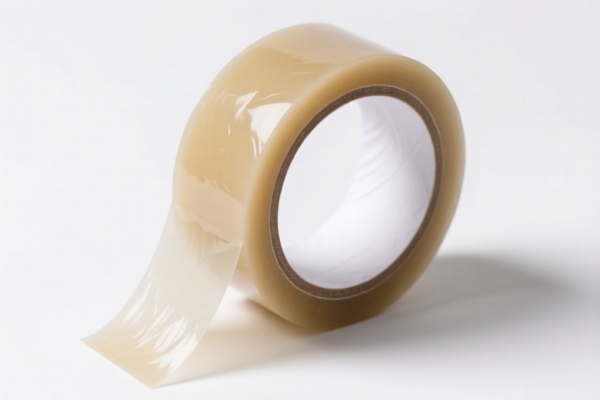

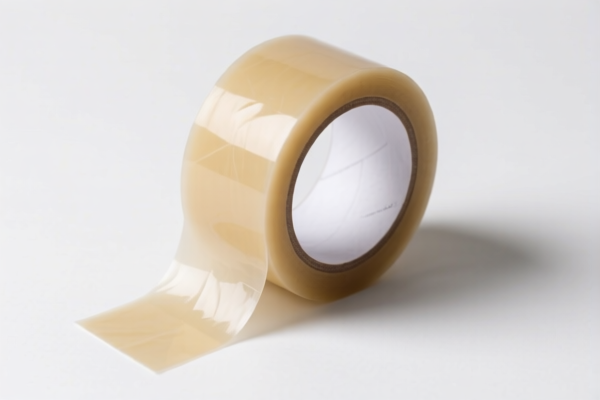
AI Analysis
🏌️♂️ Golf Grip Tape (Adhesive Tape for Golf Club Grips)
🌐 HS Code Classification & Customs Clearance Guide | 2026 Tariff Analysis | Strategic Import Strategy 📌 I. Product Definition & Classification: What Exactly is "Golf Tape"?
Golf Grip Tape (often referred to as Double-Sided Tape or Adhesive Tape for Grips) is a specialized consumable used in golf club assembly. It is applied to the shaft of the golf club before wrapping a new rubber or synthetic grip.
In international trade, it is generally classified under Plastic Articles or Impregnated Textiles/Films, depending on its material composition (PVC, Rubber, or Cloth-backed). It is crucial not to misclassify it as general-purpose packaging tape, as customs authorities require specific material characterization.
⚠️ Key Distinction: - If it is a plastic polymer strip/tape (self-adhesive, PVC-based): It falls under Chapter 39. - If it is a fabric/textile base impregnated with plastics: It may fall under Chapter 59. - If it is a miscellaneous plastic article with no specific HS subheading: It falls under the Residual Category.
📦 II. HS Code Classification Details (2026 Latest Tariff Alignment)
Based on the provided data, here are the five potential HS Codes for Golf Tape, along with their logical justifications:
| HS Code | Product Description | Justification for Classification | Total Tax Rate |
|---|---|---|---|
3919.90.50.60 |
Plastic/Synthetic Resin Tape | Classified as a tape/strip made of plastic or synthetic resin. No material conflict. Fits the definition of self-adhesive plastic tapes. | 40.8% |
3926.90.99.89 |
Miscellaneous Plastic Article | Inferred as a plastic/rubber article shaped as a tape. Fits the "other articles" residual logic for plastic items not specified elsewhere. | 22.8% |
5903.10.20.90 |
Impregnated/Coated Material (PVC) | Inferred as a material impregnated or coated with polymers (e.g., PVC). Classified under "other articles" in Chapter 59 (Textiles/Films). | 35.0% |
5903.90.25.00 |
Impregnated Textile/Film | Classified as textile or film impregnated with plastic/synthetic materials. Not for specific specialized uses. | 42.5% |
3919.10.20.55 |
Plastic Self-Adhesive Tape | Classified as a self-adhesive strip made of plastic/polymers. Based on common sense, it is plastic-based with no conflicts. | 40.8% |
🔍 Key Insight: - The most common classification for standard plastic-based golf grip tape is
3919.90.50.60or3919.10.20.55(Plastic Tapes). -3926.90.99.89offers the lowest tax rate but requires strong justification that the item is a "miscellaneous article" rather than a standard tape. - Chapter 59 codes imply a textile or fabric backing, which is less common for basic grip tape but possible for cloth-backed tapes.
💰 III. 2026 Latest Tariff Rate Breakdown (Including Surcharges & Policy Add-ons)
✅ Applicable Country: United States (US) ✅ Origin: China (CN) ✅ Effective Date: Post-November 2025
🎯 1. 3919.90.50.60 & 3919.10.20.55 —— Plastic Self-Adhesive Tapes
| Item | Details |
|---|---|
| Base Tariff | 5.8% (Ad Valorem) |
| Section 301 Surcharge | +25.0% |
| IEEPA Surcharge (Section 122) | +10.0% |
| Total Effective Tax Rate | 40.8% |
| Tax Calculation | CIF Value × 40.8% |
| De Minimis Exemption | ❌ Not Eligible (High risk for de minimis claims) |
| Legal Basis Path | HTSUS:3919.90.50.60 → Section 301: Footnote 9903.88.01 → IEEPA:9903.01.24 |
📌 Explanation: - These HS codes fall under Plastic Tapes. The 25% Section 301 tariff is significant. - The 10% IEEPA surcharge applies to Chinese-origin goods. - Total 40.8% is a heavy burden. Importers must verify if the product truly fits "Plastic Tape" or if a lower-rate classification applies.
🎯 2. 3926.90.99.89 —— Miscellaneous Plastic Articles (Lowest Rate!)
| Item | Details |
|---|---|
| Base Tariff | 5.3% (Ad Valorem) |
| Section 301 Surcharge | +7.5% |
| IEEPA Surcharge (Section 122) | +10.0% |
| Total Effective Tax Rate | 22.8% |
| Tax Calculation | CIF Value × 22.8% |
| De Minimis Exemption | ❌ Not Eligible |
| Legal Basis Path | HTSUS:3926.90.99.89 → Section 301: Footnote 9903.88.01 → IEEPA:9903.01.24 |
📌 Explanation: - This code is the most cost-effective option at 22.8%. - Crucial: You must justify that the golf tape is a "miscellaneous article" rather than a "tape." This often requires demonstrating unique physical characteristics or end-use that differentiate it from standard adhesive tapes. - Risk: Customs may challenge this classification and reclassify it under 3919 (higher tax).
🎯 3. 5903.10.20.90 & 5903.90.25.00 —— Impregnated Textiles/Films
| HS Code | Total Rate | Base Tariff | Section 301 | IEEPA 122 |
|---|---|---|---|---|
5903.10.20.90 |
35.0% | 0.0% | 25.0% | 10.0% |
5903.90.25.00 |
42.5% | 7.5% | 25.0% | 10.0% |
📌 Explanation: - These codes apply if the tape has a cloth or textile backing impregnated with PVC/plastic. -
5903.10.20.90has a 0% base tariff but still incurs 25% + 10% surcharges. -5903.90.25.00has a 7.5% base tariff, leading to the highest total rate of 42.5%. - Use these only if the product is clearly fabric-backed.
🛠️ IV. Customs Clearance Practical Advice (Avoiding Pitfalls)
✅ 1. Required Documentation Checklist
| Document | Mandatory? | Notes |
|---|---|---|
| ✅ Product Specification Sheet | ✔️ | Must specify material (e.g., PVC, Rubber, Cloth), thickness, width, and adhesive type. |
| ✅ Commercial Invoice | ✔️ | Clearly state "Golf Grip Adhesive Tape" and HS Code. Avoid vague terms like "Packaging Tape." |
| ✅ Material Composition Proof | ✔️ | Lab test or manufacturer statement confirming plastic vs. textile content. |
| ✅ Product Photos | ✔️ | Show the roll, the adhesive side, and any packaging labeling. |
| ✅ Declaration of Origin | ✔️ | Crucial for determining IEEPA surcharges. |
✅ 2. Declaration Strategy (Key Tips)
🔥 Golden Rule: "Be Specific on Material, Justify the HS Code, Avoid General Terms."
| Scenario | Recommended HS Code | Risk Level |
|---|---|---|
| Standard Plastic Grip Tape | 3919.90.50.60 or 3919.10.20.55 |
⚠️ Medium (High Tax 40.8%) |
| Cloth-Backed PVC Tape | 5903.10.20.90 |
⚠️ Medium (Tax 35.0%) |
| Unique "Miscellaneous" Plastic Item | 3926.90.99.89 |
🔺 High (Audit Risk) but Low Tax (22.8%) |
| Generic "Tape" without details | Rejected | 🚫 High Risk (Delay/Seizure) |
Pro Tip: If you choose
3926.90.99.89, prepare a detailed technical explanation in the invoice remarks justifying why it is not a standard "tape" but a "miscellaneous plastic article." This may help reduce audit risks.
✅ 3. Special Considerations
| Situation | Handling Advice |
|---|---|
| Small Samples (De Minimis) | ❌ Not Recommended. With a 22.8%–40.8% tax rate, the risk of being flagged for undervaluation is high. Better to declare properly. |
| Bundled with Golf Clubs | If shipped as part of a "Golf Club Kit," ensure the tape is not valued separately if it's a minor accessory. However, distinct shipments should be declared separately. |
| Private Label (OEM) | Ensure the manufacturer’s declaration matches your HS code. Discrepancies can lead to fines. |
🌍 V. Global Market Comparison (2026)
| Region | Recommended HS Code | Est. Tax Rate | Certification |
|---|---|---|---|
| 🇺🇸 USA | 3919.90.50.60 or 3926.90.99.89 |
22.8% – 40.8% | None specific, but accurate HS is critical |
| 🇨🇳 China | 3919 or 3926 |
Low (Import Duty) | N/A |
| 🇪🇺 EU | 3919 or 3926 |
~6.5% (Standard) | REACH (Plastic content) |
| 🇬🇧 UK | 3919 or 3926 |
~6.5% (Standard) | UKCA (if applicable) |
📌 Note: The US market is uniquely challenging due to the Section 301 and IEEPA surcharges. Always compare the 22.8% vs. 40.8% scenarios to optimize costs.
📌 VI. Common Errors & Pitfalls (Lessons Learned)
❌ Error 1: Classifying Golf Tape as "Packaging Tape" (HS 3919.90.50.40) 👉 Consequence: Customs may reject it as incorrect use, leading to reclassification and 40.8% tax.
❌ Error 2: Omitting Material Composition 👉 Consequence: Unable to distinguish between Plastic (Ch 39) and Textile (Ch 59). Result: Delays and additional duties.
❌ Error 3: Over-relying on 3926.90.99.89 without justification
👉 Consequence: High audit risk. Customs may view it as a "guerrilla" classification to avoid higher taxes. Prepare strong documentation.
❌ Error 4: Ignoring IEEPA 122 Surcharge 👉 Consequence: Underestimating costs. Remember, 10% is added on top of Section 301.
✅ Correct Approach:
"Golf Club Grip Adhesive Tape, Plastic/PVC Material, 38mm Width, Self-Adhesive, Roll Pack, For Sports Equipment Assembly"
🎯 VII. Conclusion: Professional Declaration, Cost Optimization!
🎯 Remember the Strategy:
🔹 "Plastic Tape = 40.8% Tax" 🔹 "Miscellaneous Plastic = 22.8% Tax (High Risk)" 🔹 "Textile Backing = 35.0%-42.5% Tax" 🔹 "Accurate Material Description is Key!"
📌 Pro Tip:
If you are importing large volumes, consider applying for an Advance Ruling from U.S. Customs and Border Protection (CBP) to confirm the HS Code (3926 vs. 3919) and mitigate audit risks. This provides legal certainty for the 22.8% rate.
📣 Immediate Action:
📞 Consult a licensed customs broker. 📄 Provide material specs (PVC vs. Cloth). 🚀 Optimize your HS Code to save up to 18% in taxes!
✨ Professional Classification Saves Money! 💼 Every cent of tax saved is profit earned!
Customer Reviews
About HS Code Classification
The Harmonized System (HS) is an internationally standardized nomenclature developed by the World Customs Organization (WCO) to classify traded products. Over 200 countries use the HS system as the basis for customs tariffs, trade statistics, and import/export regulations.
Each HS code follows a hierarchical structure:
- Chapter (2 digits) — Broad category of goods (e.g., Chapter 84: Machinery and Mechanical Appliances)
- Heading (4 digits) — More specific grouping within the chapter
- Subheading (6 digits) — Internationally standardized breakdown, used by all WCO member countries
- National subdivisions (8-10 digits) — Country-specific extensions for further classification, such as US HTSUS 10-digit codes
Correct HS code classification is essential for smooth customs clearance, accurate duty payment, and compliance with trade regulations. Misclassification can lead to customs delays, overpayment of duties, or penalties.
When importing from CN to US, the applicable tariff rates may include:
- Most-Favored-Nation (MFN) rate — The standard duty rate applied to WTO members
- General rate — Applied to countries without trade agreements
- Trade remedy duties — Additional tariffs such as Section 301 (anti-dumping), Section 232 (national security), or countervailing duties
The information provided on this page is for reference purposes only. For official classification, please consult with your local customs authority or a licensed customs broker.