gray cloud shaped feeding mat
CN → US| HS Code | Tariff Rate | Origin | Destination | Doc |
|---|---|---|---|---|
| 3926909989 | 22.8% | CN | US | Official Doc |
| 3926901000 | 20.9% | CN | US | Official Doc |
| 6302514000 | 23.8% | CN | US | Official Doc |
Product Images
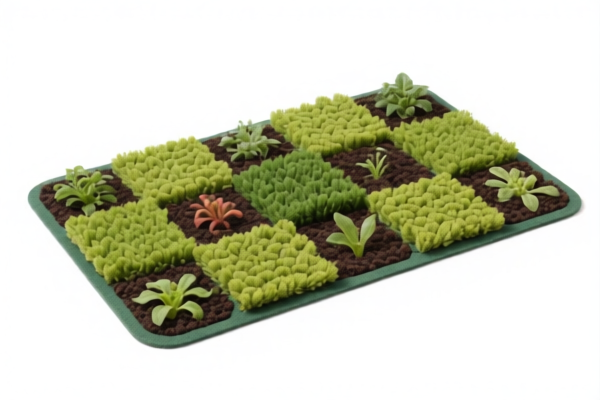
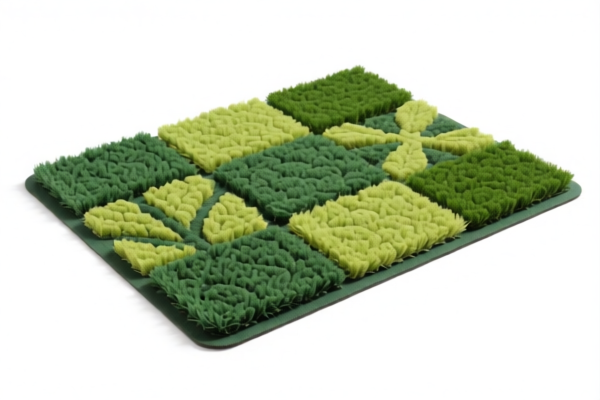
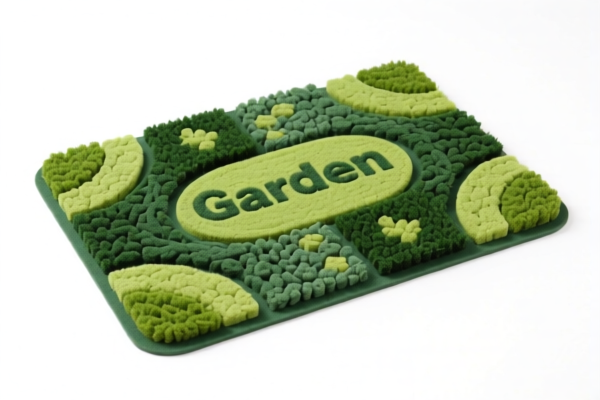
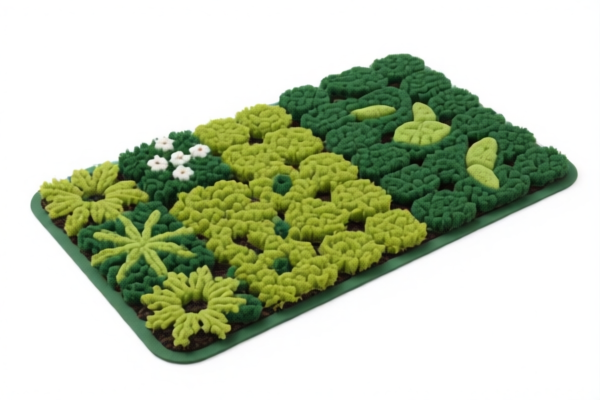
AI Analysis
🐾 Gray Cloud-Shaped Feeding Mat
🌐 HS Code Reference & Customs Clearance Guide | 2026 Latest Tariff Analysis | Professional Entry Strategy
📌 I. Product Definition & Classification: Do You Really Understand "Feeding Mats"?
The Gray Cloud-Shaped Feeding Mat is a functional accessory for pet owners, designed to catch food crumbs, prevent spills, and protect surfaces during mealtime. Its "cloud shape" is primarily aesthetic, but its material and function determine its classification.
In international trade, these mats are generally divided into two main categories based on material:
- Plastic/Rubber/Silicone Mats: Waterproof, easy to clean, non-absorbent. These are classified under Chapter 39 (Plastics).
- Textile/Fabric Mats (Cotton, Polyester, etc.): Absorbent, soft, often machine-washable. These are classified under Chapter 63 (Other made-up textile articles).
⚠️ Critical Distinction:
- If the mat is made of plastic, silicone, or rubber → It belongs to Plastic Articles (Chapter 39).
- If the mat is made of cotton or other textiles → It belongs to Textile Articles (Chapter 63).
- The "cloud shape" does not change the HS code; material is king.
📦 II. HS Code Classification Details (2026 Latest Tariff Authority对照)
Based on the product data provided, here are the three most likely HS codes and their corresponding tax structures.
| HS Code | Product Description | Material | Shape/Type | Total Tax Rate* |
|---|---|---|---|---|
3926.90.99.89 |
Other plastic articles (Not specified elsewhere) | Plastic | Generic Plastic Shape (Cloud) | 22.8% |
3926.90.10.00 |
Plastic Mats & Covers (Specific plastic article) | Plastic | Mat/Cover Type | 20.9% |
6302.51.40.00 |
Other Table Linens & Kitchen Linen (Cotton) | Cotton/Textile | Table Mat/Cloth | 23.8% |
* Note: Tax rates include Base Tariff + Section 301 Additional Tariff + Section 122 Tariff (as per provided data context).
💰 III. 2026 Latest Tariff Rate Breakdown (Including Surcharges & Policy Add-ons)
✅ Applicable Market: United States (US)
✅ Origin: China (CN)
✅ Effective Time: 2025/2026 (Current Trade Environment)
🎯 1. 3926.90.10.00 – Plastic Mats & Covers (BEST OPTION FOR PLASTIC)
Recommended if your mat is made of silicone, PVC, or TPE.
| Item | Detail |
|---|---|
| Base Tariff | 3.4% |
| Section 301 Additional Tariff | +7.5% |
| Section 122 Tariff | +10% |
| Total Tax Rate | 20.9% |
| Calculation | CIF Value × 20.9% |
| De Minimis Exemption | ❌ No (Deny de minimis for Section 301 goods from China) |
| Legal Basis Path | HTSUS:3926.90.10.00 → Section 301 Footnote → Section 122 |
📌 Explanation:
- This is the lowest tariff option for plastic mats.
- Why choose this? If your product is clearly a "mat" made of plastic, customs will prefer this specific heading over the general "other plastic articles."
- Risk: Must prove it is a "mat" (flat, flexible, used for covering surfaces).
🎯 2. 3926.90.99.89 – Other Plastic Articles (Fallback for Plastic)
Use if the mat is thick, rigid, or not clearly classified as a "mat."
| Item | Detail |
|---|---|
| Base Tariff | 5.3% |
| Section 301 Additional Tariff | +7.5% |
| Section 122 Tariff | +10% |
| Total Tax Rate | 22.8% |
| Calculation | CIF Value × 22.8% |
| De Minimis Exemption | ❌ No |
| Legal Basis Path | HTSUS:3926.90.99.89 → Section 301 Footnote → Section 122 |
📌 Explanation:
- This is the residual category for plastic goods not specifically named elsewhere.
- Why avoid? It is 1.9% higher than3926.90.10.00.
- Only use this if customs rejects the "mat" classification due to unusual shape (e.g., if the "cloud" shape is 3D and rigid, not flat).
🎯 3. 6302.51.40.00 – Cotton Table Linens & Kitchen Linens
Use if your mat is made of cotton or textile fabric.
| Item | Detail |
|---|---|
| Base Tariff | 6.3% |
| Section 301 Additional Tariff | +7.5% |
| Section 122 Tariff | +10% |
| Total Tax Rate | 23.8% |
| Calculation | CIF Value × 23.8% |
| De Minimis Exemption | ❌ No |
| Legal Basis Path | HTSUS:6302.51.40.00 → Section 301 Footnote → Section 122 |
📌 Explanation:
- Textile mats are more expensive to import into the US due to higher base tariffs.
- Why consider? If your product is 100% cotton or polyester, you must use this code. Misdeclaring textile as plastic (3926) will lead to severe penalties.
- "Gray Cloud" shape is acceptable as long as it is a "table mat" or "kitchen linen."
🛠️ IV. Customs Clearance Practical Advice (Real-World Pitfall Avoidance)
✅ 1. Required Documentation (Must-Haves)
| Document | Required? | Note |
|---|---|---|
| ✅ Product Composition Label | ✔️ | Must clearly state 100% Silicone, PVC, or 100% Cotton. Critical: If mixed materials, disclose the percentage. |
| ✅ Product Photos | ✔️ | Show the mat flat to prove it is a "mat." Show the cloud shape to confirm aesthetic design. |
| ✅ Commercial Invoice | ✔️ | Description: "Plastic Pet Feeding Mat, Cloud Shape, Gray, 100% Silicone" (NOT just "Plastic Toy"). |
| ✅ Care Label / Instruction Manual | ✔️ | If textile, includes washing instructions. If plastic, includes cleaning instructions. |
| ✅ Material Safety Data Sheet (MSDS) | ✔️ | For plastic/silicone mats, prove it is food-safe (BPA-free, Non-toxic). |
✅ 2. Declaration Tips (Key Rules)
🔥 "Material First, Shape Second! Name Accurate, Tax Lower!"
| Scenario | Correct Declaration | Wrong Declaration | Consequence |
|---|---|---|---|
| Silicone/PVC Mat | 3926.90.10.00 (Plastic Mat) |
9619.00.00 (Sanitary Articles) |
❌ Wrong Code. High Risk of Audit. |
| Cotton Mat | 6302.51.40.00 (Textile Mat) |
3926.90.99.89 (Plastic) |
❌ Severe Misclassification. Penalties + Back Taxes. |
| 3D Rigid Cloud Shape | 3926.90.99.89 (Other Plastic) |
3926.90.10.00 (Mat) |
⚠️ Risk of Rejection if not "flat." |
| Pet Toy + Mat Combo | Declare separately or as Set | Single Line Item | ⚠️ Complex Valuation. Better to separate. |
✅ 3. Special Cases & Handling
| Scenario | Handling Advice |
|---|---|
| OEM Custom Cloud Shape | Provide 3D Renderings or Design Drawings to prove it is a specialized mat, not a general plastic part. |
| Food-Grade Silicone | Emphasize "Food Contact Safe" in description. May help in customs if questioned about plastic type. |
| Textile with Plastic Backing | If >50% cotton by weight, likely 6302. If >50% plastic backing, likely 3926. Check Chapter 111 Notes. |
| Small Shipments (De Minimis) | ❌ No Exemption. Section 301 tariffs apply even for small parcels from China. Do NOT rely on $800 de minimis. |
🌍 V. Global Market Clearance Comparison (2026)
| Country/Region | Recommended HS Code | Tariff (China Origin) | Certification | Notes |
|---|---|---|---|---|
| 🇺🇸 USA | 3926.90.10.00 (Plastic) |
20.9% | FDA (Food Contact) | High scrutiny on plastic type. |
| 🇺🇸 USA | 6302.51.40.00 (Textile) |
23.8% | FTC Care Labeling | Textile mats face higher base tax. |
| 🇨🇳 China | 3926.90.99 |
~5-10% | None | Lower import tax, but export focus. |
| 🇪🇺 EU | 3926.90.97 |
0-4% + VAT | REACH, LFGB | No Section 301. Lower risk. |
| 🇬🇧 UK | 3926.90.97 |
0-4% + VAT | UKCA | Post-Brexit rules apply. |
📌 Conclusion:
- USA is the most challenging market due to Section 301 + Section 122 tariffs.
- Plastic Mats (3926.90.10.00) are the cheapest option (20.9%) if made of plastic.
- Textile Mats (6302.51.40.00) are more expensive (23.8%) but necessary if made of cotton.
📌 VI. Common Mistakes & Pitfalls (Lessons Learned)
❌ Mistake 1: Declaring a Silicone Mat as a Pet Toy (9503.00.00)
👉 Result: Wrong classification. Silica mats are functional items, not toys. Penalties for misdeclaration.
❌ Mistake 2: Declaring a Cotton Mat as Plastic (3926)
👉 Result: High Risk. Customs will inspect and find textile. Back taxes + fines.
❌ Mistake 3: Ignoring "Food Contact" Labeling
👉 Result: FDA may block entry if the mat is used for feeding and not labeled as food-safe.
❌ Mistake 4: Using "Cloud Shape" as the Primary Description
👉 Result: Customs looks at function and material, not shape. Ensure "Mat" is in the description.
✅ Correct Practice:
"Pet Feeding Mat, Cloud Shape, Gray, 100% Silicone, Food Grade, Waterproof"
OR
"Cotton Pet Mat, Cloud Shape, Gray, Machine Washable, 100% Cotton"
🎯 VII. Conclusion: Accurate Classification Saves Money!
🎯 Remember the Key Rules:
🔹 "Plastic Mat = 3926.90.10.00 (20.9%)"
🔹 "Cotton Mat = 6302.51.40.00 (23.8%)"
🔹 "No De Minimis for US from China"
🔹 "Shape Doesn't Matter, Material Does!"
📌 Pro Tip:
If you are unsure about the material composition (e.g., hybrid fabric-plastic), consider pre-classification ruling or consult a customs broker.
For plastic mats, always ensure the base tariff is 3.4% by correctly using3926.90.10.00instead of the generic3926.90.99.89.
📣 Immediate Action:
📞 Verify Material Composition → Choose HS Code → Prepare FDA/Label Docs
🚀 Ensure Smooth Clearance, Avoid Penalties, Maximize Profit!
✨ Professional Clearance Starts with Accurate Classification!
💼 Every Percentage Point of Tariff Counts!
Customer Reviews
About HS Code Classification
The Harmonized System (HS) is an internationally standardized nomenclature developed by the World Customs Organization (WCO) to classify traded products. Over 200 countries use the HS system as the basis for customs tariffs, trade statistics, and import/export regulations.
Each HS code follows a hierarchical structure:
- Chapter (2 digits) — Broad category of goods (e.g., Chapter 84: Machinery and Mechanical Appliances)
- Heading (4 digits) — More specific grouping within the chapter
- Subheading (6 digits) — Internationally standardized breakdown, used by all WCO member countries
- National subdivisions (8-10 digits) — Country-specific extensions for further classification, such as US HTSUS 10-digit codes
Correct HS code classification is essential for smooth customs clearance, accurate duty payment, and compliance with trade regulations. Misclassification can lead to customs delays, overpayment of duties, or penalties.
When importing from CN to US, the applicable tariff rates may include:
- Most-Favored-Nation (MFN) rate — The standard duty rate applied to WTO members
- General rate — Applied to countries without trade agreements
- Trade remedy duties — Additional tariffs such as Section 301 (anti-dumping), Section 232 (national security), or countervailing duties
The information provided on this page is for reference purposes only. For official classification, please consult with your local customs authority or a licensed customs broker.