gray plastic hose
CN → US| HS Code | Tariff Rate | Origin | Destination | Doc |
|---|---|---|---|---|
| 8708998105 | 37.5% | CN | US | Official Doc |
| 8708998180 | 37.5% | CN | US | Official Doc |
| 3917320020 | 38.1% | CN | US | Official Doc |
| 3917320050 | 38.1% | CN | US | Official Doc |
Product Images
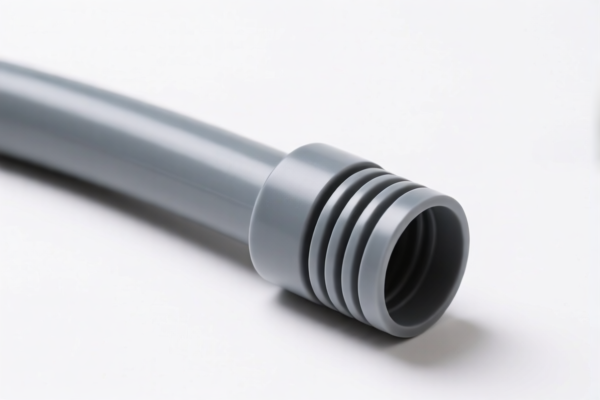
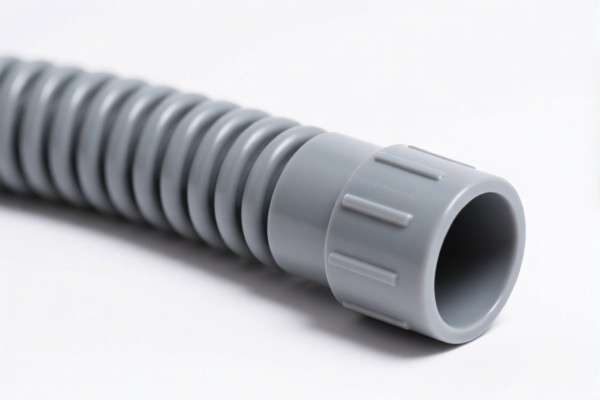
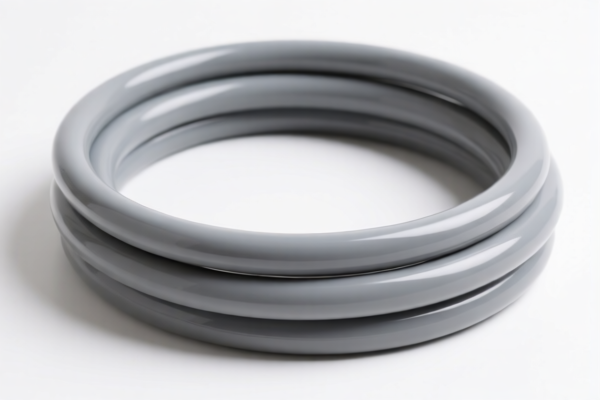
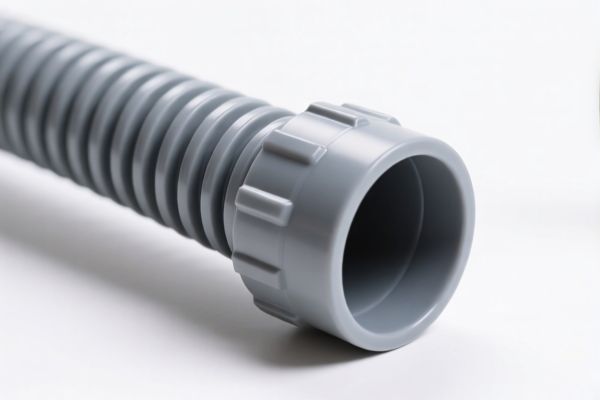
AI Analysis
🌊 Gray Plastic Hose (Plastic Pipes, Tubes, and Hoses)
🌐 HS Code Reference & Customs Clearance Guide | 2026 Latest Tariff Analysis | Professional Clearance Strategy
📌 I. Product Definition & Classification: Do You Really Understand "Gray Plastic Hose"?
Gray plastic hoses, pipes, and their fittings represent a broad category of industrial and consumer fluid transport components. In international trade, the classification of these products depends heavily on the material composition, reinforcement status, and presence of fittings. The term "Gray Plastic Hose" is generic and requires precise breakdown to determine the correct HS Code.
Key Distinction Points:
* Material Matters: If made of Polyethylene (PE), specific subheadings apply (3917.32). If made of other plastics (PVC, PP, etc.), different subheadings apply (3917.39).
* Reinforcement: Is the hose reinforced with metal, fiber, or other materials? Unreinforced hoses fall under different codes than Reinforced ones.
* Fittings: Are the hoses sold with fittings (elbows, joints, flanges) or without? This is a critical differentiator in HS coding.
* Automotive Parts: If the hose is specifically designed as a brake hose or part of a motor vehicle, it may fall under Chapter 87, not Chapter 39.
⚠️ Critical Alert:
- "Gray" is a color descriptor and generally does not affect HS classification, but it helps identify the product.
- Polyethylene (PE) hoses are common for water/gas; PVC/Other for general plumbing.
- Brake hoses in vehicles are classified as Auto Parts, not general plastic tubes.
📦 II. HS Code Classification Details (2026 Latest Tariff Authority Cross-Reference)
Based on the provided data, here are the relevant HS Codes for "Gray Plastic Hose" and related items:
| HS Code | Product Description | Applicability | Reinforced? | Fittings? | Material Spec |
|---|---|---|---|---|---|
3917.32.00.20 |
Other tubes, pipes, and hoses of plastics, not reinforced, without fittings; Of polyethylene | General PE hoses (e.g., water, gas) | ❌ No | ❌ No | Polyethylene |
3917.32.00.50 |
Other tubes, pipes, and hoses of plastics, not reinforced, without fittings; Other (non-PE) | General PVC/PP/Other plastic hoses | ❌ No | ❌ No | Non-Polyethylene |
8708.99.81.05 |
Parts and accessories of motor vehicles; Brake hoses of plastics, with attached fittings | Automotive brake lines (plastic) | ✅ Yes (Implied) | ✅ Yes | Plastic + Fittings |
8708.99.81.80 |
Parts and accessories of motor vehicles; Other (non-brake auto plastic parts) | Other automotive plastic components | Varies | Varies | Plastic |
🔍 Key Insight:
- If your "Gray Plastic Hose" is a simple tube without any metal/plastic reinforcement and no attached fittings, it likely falls under3917.32(if PE) or3917.39(if other plastic). The provided data only lists3917.32.00.20and3917.32.00.50for unreinforced, without fittings.
- If the hose has fittings attached (e.g., quick-connect couplers) and is used in automotive brakes, it must be classified under8708.99.81.05.
- If it is a reinforced hose (e.g., with wire mesh), it does NOT fall under3917.32(which specifies "not reinforced"). It would fall under3917.21or3917.29. This data does not cover reinforced hoses.
💰 III. 2026 Latest Tariff Rate Breakdown (Including Additional Taxes, Policy Add-ons)
✅ Applicable Country: United States (US)
✅ Origin: China (CN)
✅ Effective Time: Current rates apply (2025-2026)
🎯 1. 3917.32.00.20 —— Polyethylene Tubes/Pipes/Hoses (Unreinforced, No Fittings)
| Item | Content |
|---|---|
| Base Tariff Rate | 3.1% (Ad Valorem) |
| Additional Tariff (Section 301) | +25.0% |
| Total Tariff Rate | 28.1% |
| Tax Calculation | CIF Value × 28.1% |
| De Minimis Eligibility | ❌ Not Eligible (Due to >25% Section 301 tariff) |
| Legal Basis | HTSUS: 3917.32.00.20 → USITC Footnote 9903.88.01 (for 301 tariffs) |
📌 Explanation:
- Polyethylene hoses are considered industrial/commodity plastics.
- The 25% Section 301 tariff is a retaliatory tariff on Chinese goods.
- Total 28.1% is high but manageable for high-volume industrial goods.
🎯 2. 3917.32.00.50 —— Other Plastic Tubes/Pipes/Hoses (Unreinforced, No Fittings)
| Item | Content |
|---|---|
| Base Tariff Rate | 3.1% (Ad Valorem) |
| Additional Tariff (Section 301) | +25.0% |
| Total Tariff Rate | 28.1% |
| Tax Calculation | CIF Value × 28.1% |
| De Minimis Eligibility | ❌ Not Eligible |
| Legal Basis | HTSUS: 3917.32.00.50 → USITC Footnote 9903.88.01 |
📌 Note:
- Even if the plastic is not Polyethylene (e.g., PVC), if it fits the "unreinforced, no fittings" criteria and falls under the same subheading group in the provided data, the rate is the same.
- Ensure the material is correctly declared to avoid misclassification penalties.
🎯 3. 8708.99.81.05 —— Brake Hoses of Plastics, with Attached Fittings (Auto Parts)
| Item | Content |
|---|---|
| Base Tariff Rate | 2.5% (Ad Valorem) |
| Additional Tariff (Section 301) | +25.0% |
| Total Tariff Rate | 27.5% |
| Tax Calculation | CIF Value × 27.5% |
| De Minimis Eligibility | ❌ Not Eligible |
| Legal Basis | HTSUS: 8708.99.81.05 → USITC Footnote 9903.88.01 |
📌 Critical Warning:
- DO NOT misclassify automotive brake hoses as general plastic tubes (3917...).
- If it is a brake hose with fittings, it MUST be8708.99.81.05.
- Misclassification can lead to seizure, fines, or retroactive tariff applications.
🎯 4. 8708.99.81.80 —— Other Auto Parts (Plastic, No Specific Listing)
| Item | Content |
|---|---|
| Base Tariff Rate | 2.5% (Ad Valorem) |
| Additional Tariff (Section 301) | +25.0% |
| Total Tariff Rate | 27.5% |
| Tax Calculation | CIF Value × 27.5% |
| De Minimis Eligibility | ❌ Not Eligible |
| Legal Basis | HTSUS: 8708.99.81.80 → USITC Footnote 9903.88.01 |
🛠️ IV. Customs Clearance Practical Advice (Battle-Tested Pitfall Guide)
✅ 1. Preparation Checklist (All Documents Mandatory)
| Document | Required? | Explanation |
|---|---|---|
| ✅ Product Specification Sheet | ✔️ | Must specify: Material (PE/PVC/etc.), Diameter, Wall Thickness, Temperature/Pressure Rating |
| ✅ Product Photos | ✔️ | Show cross-section (to prove no reinforcement), ends (with/without fittings), and color (gray) |
| ✅ Commercial Invoice | ✔️ | Clearly state: "Plastic Hoses, Unreinforced, Without Fittings" OR "Automotive Brake Hoses, Plastic, with Fittings" |
| ✅ Packing List | ✔️ | Itemize quantities; ensure no mixed HS Codes in one shipment without clear separation |
| ✅ Certificate of Origin | ✔️ | Critical for proving CN origin to apply Section 301 tariffs correctly (or seek exemptions if applicable) |
| ✅ Third-Party Test Report | ✔️ | For auto parts, ISO/TS 16949 or specific brake hose tests (SAE J1401) may be requested |
✅ 2. Declaration Strategy (Key Mnemonics)
🔥 "Material First, Reinforcement Check, Fittings Decide, Auto Parts Special!"
| Scenario | Correct Declaration | Wrong Declaration | Consequence |
|---|---|---|---|
| Simple gray PE hose, no metal, no ends | 3917.32.00.20 |
3917.39 (Wrong subheading) |
Potential delay, audit |
| Gray PVC hose, no metal, no ends | 3917.32.00.50 (if grouped) or 3917.39 |
3917.32.00.20 |
Misclassification penalty |
| Auto brake hose, plastic, with connectors | 8708.99.81.05 |
3917.32.00.50 |
Severe Penalty (Wrong chapter) |
| Reinforced hose (with wire) | Not in Provided Data | 3917.32... |
Rejection (Not "not reinforced") |
✅ 3. Special Handling
| Situation | Handling Advice |
|---|---|
| Mixed Shipment | Separate PE hoses (3917.32.00.20) from Other Plastic (3917.32.00.50) if possible. If mixed, consult customs broker for primary classification. |
| OEM Auto Parts | Provide OEM Part Number and Vehicle Fitment List. This proves it is an "Auto Part" (8708) and not a general tube. |
| "Gray" Color | Mention "Gray" in description for clarity, but emphasize Material and Reinforcement Status. Color does not change HS Code. |
| Fittings Attached | If fittings are sold separately but shipped together, declare as separate items if they are significant in value. If attached, the whole assembly takes the classification of the main component (hose). |
🌍 V. Global Market Customs Comparison (2026 Latest)
| Country/Region | Recommended HS Code | Tariff (CN Origin) | Certification | Notes |
|---|---|---|---|---|
| 🇺🇸 USA | 3917.32.00.20 / 8708.99.81.05 |
27.5% - 28.1% | FDA (if for food/water), SAE (for auto) | Section 301 25% added. No de minimis. |
| 🇪🇺 EU | 3917.21 / 3917.39 |
0% - 4.5% | CE, RoHS, REACH | Lower tariffs than US. Strong environmental regs. |
| 🇨🇳 China | 3917.21 / 3917.39 |
0% - 5% | CCC (if auto parts) | No Section 301. |
| 🇨🇦 Canada | 3917.21 / 3917.39 |
0% (CUSMA) | CE, CSA | CUSMA benefits if origin is North America. |
| 🇲🇽 Mexico | 3917.21 / 3917.39 |
0% (USMCA) | NOM | USMCA benefits if origin is North America. |
📌 Conclusion:
- USA is the most expensive market due to Section 301 tariffs.
- EU and Asia offer lower tariffs but have stricter environmental and safety certifications (REACH, CE).
- Auto Parts (8708) generally have slightly lower base rates (2.5%) than general plastic tubes (3.1%), but the 25% add-on makes them comparable.
📌 VI. Common Errors & Pitfall Guide (Lessons Learned)
❌ Error 1: Declaring "Plastic Hose" without specifying Material or Reinforcement
👉 Result: Customs will issue a Request for Information (RFI), causing delays of 2-4 weeks.
❌ Error 2: Classifying Auto Brake Hoses as General Plastic Tubes (3917)
👉 Result: Class 97 Violation – Potential seizure and fines. Auto parts have strict documentation requirements.
❌ Error 3: Assuming "Gray" changes the HS Code
👉 Result: No impact on tariff, but incorrect description may lead to misidentification by customs officers.
❌ Error 4: Not declaring Fittings separately when they are significant
👉 Result: Under-declaration of value or misclassification. If fittings are metal, they may have different tariffs.
✅ Correct Declaration Example:
"Gray Polyethylene Tubes, Unreinforced, Without Fittings, ID 1/2", OD 5/8", Used for Industrial Fluid Transfer, Model X-100"
HS Code:3917.32.00.20
Tariff: 28.1%
🎯 VII. Conclusion: Professional Classification Saves Money!
🎯 Remember This Mantra:
🔹 "Unreinforced + No Fittings = 3917.32"
🔹 "Auto Brake Hose + Fittings = 8708.99"
🔹 "Reinforced or Metal = Different Chapter!"
🔹 "25% Section 301 is Non-Negotiable for CN Origin!"
📌 Pro Tip:
If you are shipping small quantities (< $800) under de minimis (Section 321), be aware that Section 301 tariffs (25%) generally DO NOT apply to de minimis shipments. However, if the total value exceeds $800, or if the goods are restricted, de minimis does not apply. Verify current CBP policies on de minimis and Section 301.
📣 Immediate Action:
📞 Contact a Licensed Customs Broker
📤 Provide Product Samples & Photos
📋 Apply for an Advance Ruling if this is a high-volume, recurring shipment.
✨ Precision in Classification = Profit in Your Pocket!
💼 Don't Let a Wrong HS Code Cost You 28% of Your Revenue!
Customer Reviews
About HS Code Classification
The Harmonized System (HS) is an internationally standardized nomenclature developed by the World Customs Organization (WCO) to classify traded products. Over 200 countries use the HS system as the basis for customs tariffs, trade statistics, and import/export regulations.
Each HS code follows a hierarchical structure:
- Chapter (2 digits) — Broad category of goods (e.g., Chapter 84: Machinery and Mechanical Appliances)
- Heading (4 digits) — More specific grouping within the chapter
- Subheading (6 digits) — Internationally standardized breakdown, used by all WCO member countries
- National subdivisions (8-10 digits) — Country-specific extensions for further classification, such as US HTSUS 10-digit codes
Correct HS code classification is essential for smooth customs clearance, accurate duty payment, and compliance with trade regulations. Misclassification can lead to customs delays, overpayment of duties, or penalties.
When importing from CN to US, the applicable tariff rates may include:
- Most-Favored-Nation (MFN) rate — The standard duty rate applied to WTO members
- General rate — Applied to countries without trade agreements
- Trade remedy duties — Additional tariffs such as Section 301 (anti-dumping), Section 232 (national security), or countervailing duties
The information provided on this page is for reference purposes only. For official classification, please consult with your local customs authority or a licensed customs broker.