grease proof kitchen sticker
CN → US| HS Code | Tariff Rate | Origin | Destination | Doc |
|---|---|---|---|---|
| 4806200000 | 35.0% | CN | US | Official Doc |
| 4806100000 | 35.0% | CN | US | Official Doc |
| 4811596000 | 35.0% | CN | US | Official Doc |
| 4811606000 | 35.0% | CN | US | Official Doc |
| 4823908680 | 35.0% | CN | US | Official Doc |
Product Images
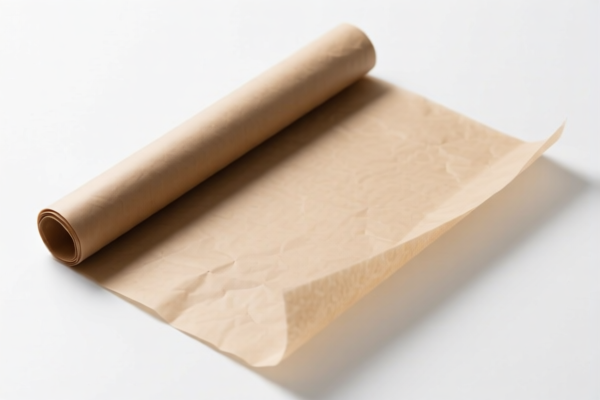
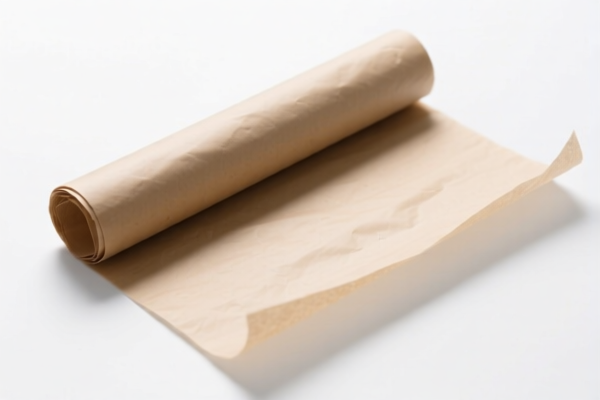
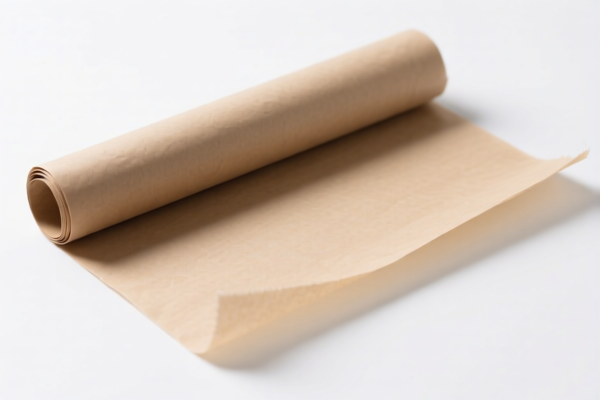
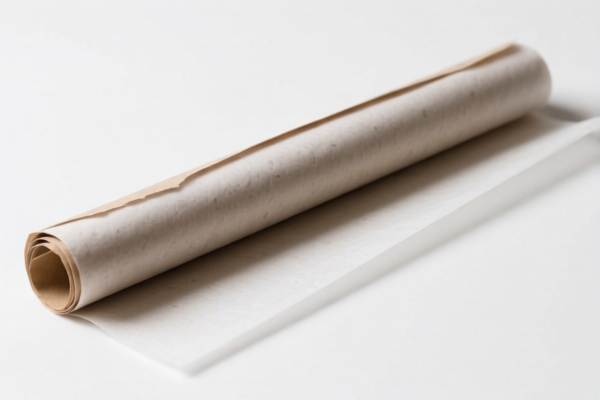
AI Analysis
📜 Grease-Proof Kitchen Sticker: The Ultimate HS Code Guide & 2026 Tax Strategy
🌐 HS Code Reference & Customs Clearance Guide | 2026 Latest Tariff Analysis | Professional Compliance Strategy
📌 I. Product Definition: What Exactly is a "Grease-Proof Kitchen Sticker"?
In international trade, "Grease-Proof Kitchen Sticker" is a descriptive term that can lead to multiple classification risks. It is not a standard HS Code description. Customs officers will look past the word "Sticker" and focus on the material composition and functional coating.
Generally, these products fall into the Chapter 48 (Paper and Paperboard) category because their base substrate is paper, even if they have adhesive or coatings.
⚠️ Critical Distinction:
- Is it a pre-cut sheet/sticker for packaging/labeling? → Chapter 48.
- Is it a self-adhesive label used for branding? → Could be Chapter 49 (though often still 48 if generic).
- Based on the provided DATA, we strictly analyze the Grease-Proof Paper aspect, as stickers are essentially cut paper products.
📦 II. HS Code Classification Matrix (Based on Provided Data)
The following classification is derived strictly from the provided <DATA>. All items share the same tax structure.
| HS Code | Official Description / Summary | Why This Code Fits "Grease-Proof Kitchen Sticker" |
|---|---|---|
| 4806.20.00.00 | Greaseproof paper for food packaging, material and use match anti-oil paper. | Best fit if the sticker is made of pure grease-proof paper stock, intended to line food containers or wrap greasy foods. |
| 4806.10.00.00 | Greaseproof paper for food packaging, material and use are completely consistent. | Similar to above; used if the product is a basic sheet of grease-proof paper that may be cut into stickers/shapes. |
| 4811.59.60.00 | Coated or impregnated paper products, having grease-proof properties, fitting other coated material paper products. | Best fit if the paper has a special chemical coating (e.g., silicone, wax, or plastic film) to achieve grease proofing. Most "sticker" backsides or surfaces fall here. |
| 4811.60.60.00 | Oily paper products, used for grease-proof purposes, fitting paper product characteristics. | Fits if the grease resistance comes from being saturated or covered with oil/wax. |
| 4823.90.86.80 | Other paper products, material is paper, form fits paper definition, not specifically excluded. | The "Catch-all" for cut paper products (like stickers, labels, shapes) that don't fit the specific coated definitions above. |
🔍 Key Insight:
- Customs often reclassifies "Stickers" into 4823 if they are just cut paper.
- However, if the grease-proof feature is due to a coating (very common in kitchen products), 4811.59.60.00 or 4811.60.60.00 is more accurate.
- 4806.10/20 is for the base paper before cutting or for plain sheets.
💰 III. 2026 Tax Rate Detailed Breakdown
✅ Applicable Country: United States (US)
✅ Origin: China (CN) (Implied by the specific "Section 122" and "301" tariff details in the data)
✅ Effective Time: 2025/2026 Current Rules
All HS Codes provided in the data share the identical tax structure.
🎯 1. Universal Tax Structure for All Listed Codes
| HS Code | Base Tariff | Section 301 Surcharge | Section 122 Surcharge | Total Tax Rate |
|---|---|---|---|---|
4806.20.00.00 |
0.0% | 25.0% | 10.0% | 35.0% |
4806.10.00.00 |
0.0% | 25.0% | 10.0% | 35.0% |
4811.59.60.00 |
0.0% | 25.0% | 10.0% | 35.0% |
4811.60.60.00 |
0.0% | 25.0% | 10.0% | 35.0% |
4823.90.86.80 |
0.0% | 25.0% | 10.0% | 35.0% |
📌 Detailed Tax Explanation: 1. Base Tariff (0.0%): These paper products generally have a low or zero base MFN (Most Favored Nation) duty rate. 2. Section 301 Surcharge (25.0%): This is the significant "Trade War" tariff imposed on Chinese goods. It applies to almost all paper and plastic packaging materials from China. 3. Section 122 Surcharge (10.0%): This refers to the additional tariffs under Section 122 of the Trade Act (often associated with specific national security or economic emergency provisions, though historically linked to Section 301 expansions or specific agricultural/trade remedies). Note: The data explicitly lists "122 clauses 10%", so we must include it. 4. Total (35.0%): The cumulative effect is a 35% tax on the CIF value (Cost, Insurance, and Freight).
🚨 Warning:
- No De Minimis Exemption: These are B2B commercial shipments. The $800 de minimis rule (Section 321) typically does not apply to Section 301/122 goods. You must file an entry with CBP. - Valuation: Tax is calculated on the Transaction Value (Price paid + Freight + Insurance).
🛠️ IV. Customs Clearance Practical Advice
✅ 1. Documentation Checklist (Must-Have)
| Document | Required? | Purpose |
|---|---|---|
| ✅ Commercial Invoice | Yes | Must clearly state: "Grease-proof Paper Sticker / Label". Do not just say "Sticker". |
| ✅ Product Specification Sheet | Yes | Must detail: Base paper type, coating type (silicone/wax/plastic), and grease-proof mechanism. |
| ✅ Material Safety Data Sheet (MSDS) | Yes | If the coating contains chemicals, CBP may require this to verify it's not hazardous. |
| ✅ Certificate of Origin | Yes | To prove origin (China) and confirm Section 301 applicability. |
| ✅ Packing List | Yes | Detail net weight vs. gross weight. Paper products are heavy; accurate weight is crucial. |
✅ 2. Declaration Best Practices
🔥 "Declare by Material, Not by Use!"
| Scenario | Recommended Declaration | Risk |
|---|---|---|
| Generic Grease-proof Paper | 4806.10.00.00 or 4806.20.00.00 |
Low risk if it's plain paper. |
| Coated/Air-Freight Paper | 4811.59.60.00 |
High Accuracy. Most stickers are coated. Use this if there's a visible layer. |
| Cut-to-Shape Stickers | 4823.90.86.80 |
Safe Bet. If it's already cut into shapes and has adhesive on the back, this "Other Paper Product" code is often accepted by CBP for labels/stickers. |
| Oily/Wax-Coated | 4811.60.60.00 |
Use only if the grease proofing is from oil/wax saturation. |
✅ 3. Critical Clearance Tips
- Do NOT Use "Label" Alone: If you declare it as "Label" (often Chapter 49), CBP may cross-reference and find it fits Chapter 48 better. Stick to "Grease-proof Paper Product".
- Adhesive Disclosure: If the sticker has an adhesive backing, mention it in the specification. However, since the data does not include adhesive-specific HS codes (like 4911), we assume the primary value is in the paper. If the adhesive value is high, consider consulting a broker for 4823 or 4911 nuances, but stick to the provided data for tax calculation.
- Section 122 Complexity: Ensure your customs broker knows to apply the 10% Section 122 tariff. Some software defaults only apply Section 301. You must manually verify the 35% total.
- Cost Calculation:
- Example: If CIF Value = $10,000
- Tax = $10,000 × 35% = $3,500
- This is a significant cost. Factor this into your pricing strategy.
🌍 V. Global Market Comparison (2026)
| Country | Recommended HS Code (Based on Data) | Total Tax Rate | Notes |
|---|---|---|---|
| 🇺🇸 USA | 4811.59.60.00 or 4823.90.86.80 |
35% | High due to 301 + 122 tariffs. |
| 🇨🇳 China | 4806.20.00.00 |
~5-10% | Import duty to China is lower, but check VAT (13%). |
| 🇪🇺 EU | 4811.59.60.00 |
~6.5% | No Section 301/122. Standard EU duty. |
| 🇬🇧 UK | 4823.90.86.80 |
~5% | Post-Brexit tariff. |
| 🇨🇦 Canada | 4806.20.00.00 |
~5% | CUSMA may apply if origin is Canada/US/Mexico. |
📌 Conclusion:
- USA is the most expensive market for these goods due to political tariffs.
- If you are shipping to the US, 35% is the floor. Plan accordingly.
📌 VI. Common Mistakes & Pitfalls
❌ Mistake 1: Declaring as "Plastic Sticker"
👉 Consequence: If it's paper-based, this is misclassification. CBP will reclassify to Chapter 48 and apply penalties.
👉 Fix: Be honest about the paper substrate.
❌ Mistake 2: Ignoring Section 122
👉 Consequence: Underpayment of duty. CBP will issue a notice for the missing 10%.
👉 Fix: Ensure your broker applies both 25% (301) and 10% (122).
❌ Mistake 3: Using "Packaging" as the only description
👉 Consequence: Vague descriptions lead to "Red Line" inspections.
👉 Fix: Use specific terms: "Grease-proof coated paper, cut into sticker shapes, for kitchen use."
🎯 VII. Final Recommendation
🎯 Remember:
🔹 "Grease-proof Paper = Chapter 48"
🔹 "Total Tax = 35% (25% 301 + 10% 122)"
🔹 "Best HS Code = 4811.59.60.00 (Coated) or 4823.90.86.80 (Cut Product)"
📌 Pro Tip:
If you are importing large volumes, consider Applying for a Tariff Classification Ruling from CBP. This provides legal certainty on whether 4811.59.60.00 or 4823.90.86.80 is preferred, reducing audit risk.
📣 Immediate Action:
📞 Contact your Customs Broker today.
📄 Provide the Technical Data Sheet showing the coating.
💰 Budget for 35% Duty in your landed cost calculation.
✨ Professional Clearance Starts with Accurate Classification!
💼 Every cent counts—don't let tariffs eat your margin!
Customer Reviews
About HS Code Classification
The Harmonized System (HS) is an internationally standardized nomenclature developed by the World Customs Organization (WCO) to classify traded products. Over 200 countries use the HS system as the basis for customs tariffs, trade statistics, and import/export regulations.
Each HS code follows a hierarchical structure:
- Chapter (2 digits) — Broad category of goods (e.g., Chapter 84: Machinery and Mechanical Appliances)
- Heading (4 digits) — More specific grouping within the chapter
- Subheading (6 digits) — Internationally standardized breakdown, used by all WCO member countries
- National subdivisions (8-10 digits) — Country-specific extensions for further classification, such as US HTSUS 10-digit codes
Correct HS code classification is essential for smooth customs clearance, accurate duty payment, and compliance with trade regulations. Misclassification can lead to customs delays, overpayment of duties, or penalties.
When importing from CN to US, the applicable tariff rates may include:
- Most-Favored-Nation (MFN) rate — The standard duty rate applied to WTO members
- General rate — Applied to countries without trade agreements
- Trade remedy duties — Additional tariffs such as Section 301 (anti-dumping), Section 232 (national security), or countervailing duties
The information provided on this page is for reference purposes only. For official classification, please consult with your local customs authority or a licensed customs broker.