grey fabric other
CN → US| HS Code | Tariff Rate | Origin | Destination | Doc |
|---|---|---|---|---|
| 5911203000 | 35.0% | CN | US | Official Doc |
| 5911900080 | 38.8% | CN | US | Official Doc |
| 5903902000 | 35.0% | CN | US | Official Doc |
| 5210198090 | 45.2% | CN | US | Official Doc |
| 5210196090 | 43.7% | CN | US | Official Doc |
Product Images

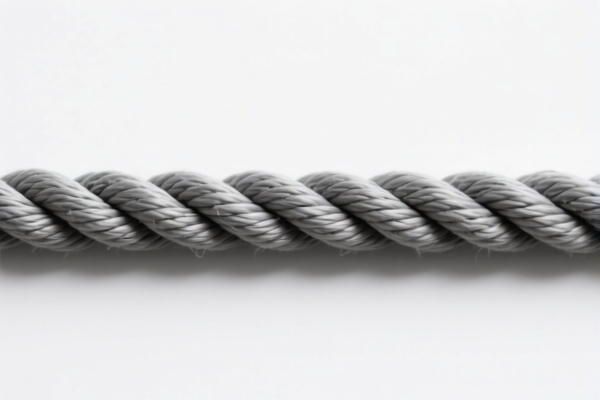
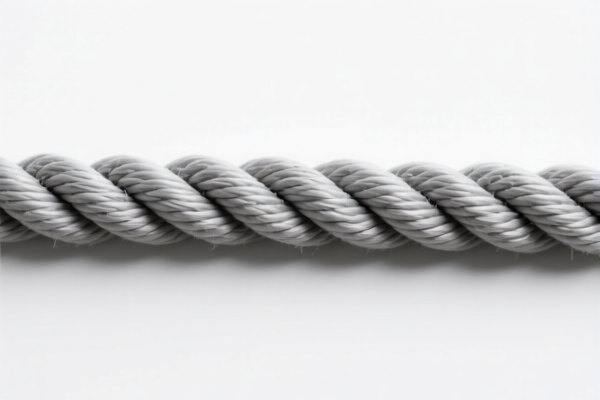

AI Analysis
🧵 Grey Fabric (Other) – Comprehensive HS Code Classification & Tariff Analysis
🌐 HS Code Reference & Customs Clearance Guide | Latest 2026 Tariff Structure | Professional Strategy for Chinese-Origin Goods
📌 I. Product Definition: What is "Grey Fabric (Other)"?
In international trade, "Grey Fabric" (Gray Fabric) refers to woven or knitted textiles that have been manufactured but not dyed, printed, or otherwise finished. They are in a raw, unfinished state, awaiting further processing (dyeing, printing, finishing).
When classified under "Other" (其他), it implies the fabric does not fall into specific sub-categories like: * Cotton fabrics * Synthetic fiber fabrics (e.g., polyester, nylon) * Wool fabrics * Specialized technical fabrics (e.g., filter fabrics, geotextiles)
However, based on the provided data, we are dealing with a complex classification scenario where different functional or compositional attributes lead to 5 distinct HS Codes, each carrying significant tariffs due to US-China trade tensions.
⚠️ Key Distinction:
- Raw/Unfinished State: No dye, no print, no softening.
- "Other" Category: Must carefully match the material composition (e.g., cotton content, synthetic blend) and end-use (e.g., screening, general textile).
- Risk Alert: All listed HS Codes carry high additional tariffs (25% + 10% IEEPA) due to Section 301 and Executive Order 14013.
📦 II. HS Code Classification Matrix (Based on Provided Data)
| HS Code | Product Description Summary | Total Tax Rate | Tax Composition |
|---|---|---|---|
| 5911.20.30.00 | Grey fabric (other) matches textile products & screening cloth attributes | 35.0% | Base: 0% Section 301: 25% IEEPA: 10% |
| 5911.90.00.80 | Grey fabric (other) conforms to textile products & other categories | 38.8% | Base: 3.8% Section 301: 25% IEEPA: 10% |
| 5903.90.20.00 | Grey fabric (other) matches textile fabrics & other classifications | 35.0% | Base: 0% Section 301: 25% IEEPA: 10% |
| 5210.19.80.90 | Grey fabric (other) matches other fabric attributes | 45.2% | Base: 10.2% Section 301: 25% IEEPA: 10% |
| 5210.19.60.90 | Grey fabric (other) matches cotton fiber & other fabrics | 43.7% | Base: 8.7% Section 301: 25% IEEPA: 10% |
🔍 Critical Insight:
- HS Code 5210.19... relates to Cotton Woven Fabrics (Chapter 52). If your "grey fabric" is cotton-based, this is the most likely category, but be aware of the highest base duty (8.7–10.2%).
- HS Code 5911... relates to Technical Textiles (e.g., filtering materials, leather substitutes). If the fabric is used for industrial screening or technical purposes, this applies.
- HS Code 5903... relates to Textiles Impregnated with Plastic (Chapter 59). If the grey fabric is coated or laminated with plastic, this applies.
- "Other" is a catch-all; misclassification here can lead to customs delays, penalties, or underpayment.
💰 III. 2026 Tariff Structure Detailed Breakdown (US Market)
✅ Applicable Country: United States (US)
✅ Country of Origin: China (CN)
✅ Effective Date: Tariffs include Section 301 (25%) and IEEPA (10%) surcharges.
🎯 1. 5911.20.30.00 – Technical Textiles / Screening Cloth (Grey, Other)
| Item | Detail |
|---|---|
| Base Duty | 0% (ad valorem) |
| Section 301 Duty | +25% (USITC Footnote 9903.88.01) |
| IEEPA Duty | +10% (Executive Order 14013, China-origin goods) |
| Total Effective Rate | 35.0% |
| Tax Calculation | CIF Value × 35% |
| De Minimis Exemption | ❌ Not Eligible (Deny De Minimis for Section 301/IEEPA goods) |
| Legal Reference | USITC:5911.20.30.00 → FOOTNOTE:9903.88.01 → IEEPA:9903.01.25 |
📌 Explanation:
- This code is for technical grey fabrics used in screening, filtering, or industrial applications.
- Zero base duty makes it attractive, but the 35% total tariff is still high.
- Key: Must prove technical use (e.g., sieve cloth, filter media).
🎯 2. 5911.90.00.80 – Other Technical Textiles (Grey, Other)
| Item | Detail |
|---|---|
| Base Duty | 3.8% |
| Section 301 Duty | +25% |
| IEEPA Duty | +10% |
| Total Effective Rate | 38.8% |
| Tax Calculation | CIF Value × 38.8% |
| De Minimis Exemption | ❌ Not Eligible |
| Legal Reference | USITC:5911.90.00.80 → FOOTNOTE:9903.88.01 → IEEPA:9903.01.25 |
📌 Explanation:
- This is a broader category for technical textiles not specifically classified under 5911.20.
- Higher base duty (3.8%) results in a higher total tariff (38.8%).
- Risk: If your product is clearly for screening (5911.20), misclassifying here increases costs unnecessarily.
🎯 3. 5903.90.20.00 – Textiles Impregnated with Plastic (Grey, Other)
| Item | Detail |
|---|---|
| Base Duty | 0% |
| Section 301 Duty | +25% |
| IEEPA Duty | +10% |
| Total Effective Rate | 35.0% |
| Tax Calculation | CIF Value × 35.0% |
| De Minimis Exemption | ❌ Not Eligible |
| Legal Reference | USITC:5903.90.20.00 → FOOTNOTE:9903.88.01 → IEEPA:9903.01.25 |
📌 Explanation:
- Applies if the grey fabric is coated, laminated, or impregnated with plastics (e.g., PVC-coated mesh, plastic-backed fabric).
- Zero base duty is beneficial, but 35% total tariff remains high.
- Key: Must provide material composition certificate confirming plastic content.
🎯 4. 5210.19.80.90 – Cotton Woven Fabrics, Grey, Other (Non-Specific)
| Item | Detail |
|---|---|
| Base Duty | 10.2% |
| Section 301 Duty | +25% |
| IEEPA Duty | +10% |
| Total Effective Rate | 45.2% |
| Tax Calculation | CIF Value × 45.2% |
| De Minimis Exemption | ❌ Not Eligible |
| Legal Reference | USITC:5210.19.80.90 → FOOTNOTE:9903.88.01 → IEEPA:9903.01.25 |
📌 Explanation:
- This is for Cotton Woven Fabrics (Chapter 52) that are grey (unbleached, undyed).
- Highest total tariff (45.2%) due to 10.2% base duty.
- Key: Only apply if the fabric is ≥85% cotton (or meets Chapter 52 criteria). If it’s synthetic, this code is wrong.
🎯 5. 5210.19.60.90 – Cotton Woven Fabrics, Grey, Specific Type
| Item | Detail |
|---|---|
| Base Duty | 8.7% |
| Section 301 Duty | +25% |
| IEEPA Duty | +10% |
| Total Effective Rate | 43.7% |
| Tax Calculation | CIF Value × 43.7% |
| De Minimis Exemption | ❌ Not Eligible |
| Legal Reference | USITC:5210.19.60.90 → FOOTNOTE:9903.88.01 → IEEPA:9903.01.25 |
📌 Explanation:
- Similar to above, but for a specific sub-category of cotton grey fabrics.
- Slightly lower base duty (8.7%) leads to 43.7% total tariff.
- Key: Must match specific weave, weight, or finish criteria defined in USITC subheadings.
🛠️ IV. Customs Clearance Practical Advice (Avoiding Pitfalls)
✅ 1. Essential Documentation Checklist
| Document | Required? | Description |
|---|---|---|
| Product Specification Sheet | ✅ Yes | Must state: Material (% cotton, % polyester, etc.), Weight (GSM), Width, Weave Type, State: Grey/Unfinished. |
| Material Composition Certificate | ✅ Yes | Third-party lab report confirming fiber content. Critical for distinguishing between Chapter 50–55 or 52. |
| Product Photos | ✅ Yes | Clear images showing texture, edges, and labels. Highlight "Grey" (no dye/print). |
| Commercial Invoice | ✅ Yes | Clearly describe as "Grey Fabric (Unbleached, Undyed)" with HS Code. |
| Packing List | ✅ Yes | Detail roll dimensions, weight, and package count. |
| Bill of Lading | ✅ Yes | Standard shipping document. |
| IEEPA/Section 301 Declaration | ✅ Yes | Confirm origin is China and acknowledge additional tariffs. |
✅ 2. Declaration Tips (Key Mantras)
🔥 "Material Defines Chapter, Use Defines Subheading, Grey Means Unfinished!"
| Scenario | Correct HS Code | Wrong Code | Consequence |
|---|---|---|---|
| Cotton Grey Fabric | 5210.19.xxxx |
5911.xxxx |
Misclassification → 45.2% vs 35% → Overpayment or Underpayment Risk |
| Technical/Screening Fabric | 5911.20.30.00 |
5210.xxxx |
If not cotton, 5210 is invalid → Customs Hold/Rejection |
| Plastic-Coated Grey Fabric | 5903.90.20.00 |
5911.xxxx |
If coated, 5911 is incorrect → Penalty for Wrong Declaration |
| Mixed Fiber Fabric | Varies | Single Code | Must split or use most prominent fiber → Complex Declaration |
✅ 3. Special Cases & Strategies
| Situation | Recommendation |
|---|---|
| OEM Custom Fabric | Provide customer contract + design specs. Avoid "Generic" descriptions. |
| Hybrid Use (Textile + Technical) | Declare based on principal use. If mostly technical, use 5911. |
| Low-Value Shipments | No De Minimis Exemption for Section 301/IEEPA goods. Even $1 items face 35–45% tariff. |
| Origin Masking | Do NOT transship via Vietnam/Mexico without substantial transformation. US Customs closely monitors circumvention. |
🌍 V. Global Market Comparison (2026 Latest)
| Country/Region | Recommended HS Code | Approx. Tariff (China Origin) | Certification | Notes |
|---|---|---|---|---|
| 🇺🇸 USA | Varies (35–45.2%) | 35.0% – 45.2% | No specific | High tariffs due to Section 301 & IEEPA. |
| 🇨🇳 China | Varies | 0% – 10.2% | N/A | Domestic trade, no IEEPA/Section 301. |
| 🇪🇺 EU | Varies | 0% – 12% | CE (if applicable) | No Section 301 tariffs. GSP may apply for some products. |
| 🇬🇧 UK | Varies | 0% – 12% | UKCA (if applicable) | Post-Brexit tariffs, no US-style surcharges. |
| 🇯🇵 Japan | Varies | 0% – 8% | PSE (if electrical) | Generally low tariffs for textiles. |
📌 Conclusion:
- USA is the most costly market for Chinese-origin grey fabrics due to additional 35–45.2% tariffs.
- EU/UK/Japan offer significantly lower tariff burdens (0–12%), making them more competitive for export.
- Recommendation: If targeting the US, consider supply chain diversification (e.g., production in Vietnam, Bangladesh) to avoid Section 301/IEEPA tariffs.
📌 VI. Common Mistakes & Pitfalls (Lessons Learned)
❌ Mistake 1: Declaring all grey fabrics as 5210.19.80.90
👉 Result: If fabric is synthetic, customs will reclassify → Penalty + Back Taxes.
❌ Mistake 2: Ignoring the "Grey" definition
👉 Result: If fabric is bleached or pre-dyed, it should be in Chapter 52/54/55 with finished fabric codes → Underpayment of Base Duty.
❌ Mistake 3: Assuming De Minimis ($800) applies
👉 Result: Section 301/IEEPA goods are excluded from de minimis → Tariffs applied even on small packages.
❌ Mistake 4: Using vague descriptions like "Textile Material"
👉 Result: Customs may assign highest possible duty → 45.2% or higher.
✅ Correct Practice:
"Woven Grey Fabric, 100% Cotton, Unbleached, Undyed, 150 GSM, for Apparel Lining, HS 5210.19.80.90"
🎯 VII. Conclusion: Precision is Profit
🎯 Remember:
🔹 "Material Defines HS, Use Defines Subheading, Grey Means Unfinished!"
🔹 "US Tariffs Are High: 35–45%! Plan Ahead!"
🔹 "De Minimis Does NOT Apply for China-Origin Section 301/IEEPA Goods!"
📌 Pro Tip:
If your grey fabric is cotton-based, expect 43.7–45.2% total tariff. If it’s technical/plastic-coated, expect 35–38.8%.
Action Item:
📞 Consult a Customs Broker → Provide Material Report → Apply for Advance Ruling (if possible).
🚀 Optimize Supply Chain → Consider Non-China Origins to avoid high tariffs.
✨ Professional Clearance Starts with Accurate Classification!
💼 Every Percent of Tariff Matters!
Customer Reviews
About HS Code Classification
The Harmonized System (HS) is an internationally standardized nomenclature developed by the World Customs Organization (WCO) to classify traded products. Over 200 countries use the HS system as the basis for customs tariffs, trade statistics, and import/export regulations.
Each HS code follows a hierarchical structure:
- Chapter (2 digits) — Broad category of goods (e.g., Chapter 84: Machinery and Mechanical Appliances)
- Heading (4 digits) — More specific grouping within the chapter
- Subheading (6 digits) — Internationally standardized breakdown, used by all WCO member countries
- National subdivisions (8-10 digits) — Country-specific extensions for further classification, such as US HTSUS 10-digit codes
Correct HS code classification is essential for smooth customs clearance, accurate duty payment, and compliance with trade regulations. Misclassification can lead to customs delays, overpayment of duties, or penalties.
When importing from CN to US, the applicable tariff rates may include:
- Most-Favored-Nation (MFN) rate — The standard duty rate applied to WTO members
- General rate — Applied to countries without trade agreements
- Trade remedy duties — Additional tariffs such as Section 301 (anti-dumping), Section 232 (national security), or countervailing duties
The information provided on this page is for reference purposes only. For official classification, please consult with your local customs authority or a licensed customs broker.