guitar finger set
CN → US| HS Code | Tariff Rate | Origin | Destination | Doc |
|---|---|---|---|---|
| 6815190000 | 35.0% | CN | US | Official Doc |
| 6815994110 | 35.0% | CN | US | Official Doc |
| 9209300000 | 17.5% | CN | US | Official Doc |
| 9209998000 | 22.8% | CN | US | Official Doc |
Product Images
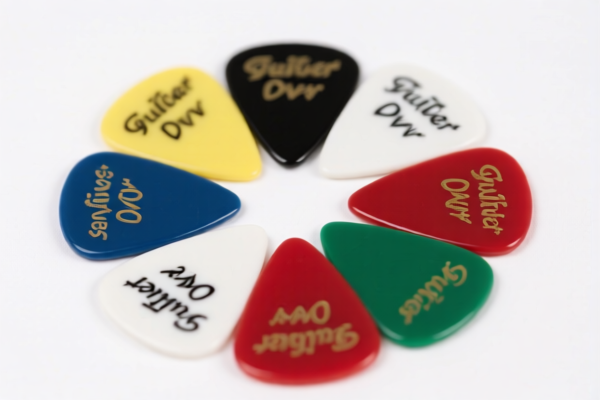
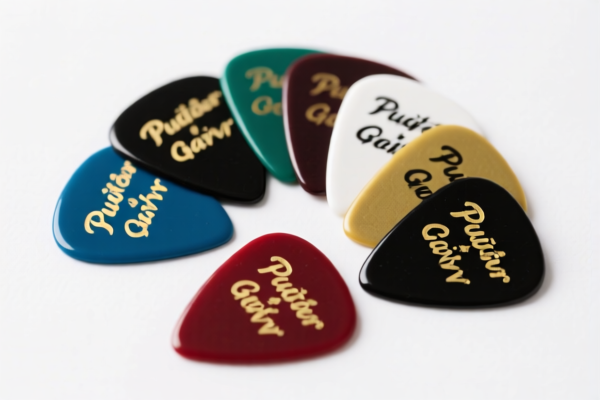
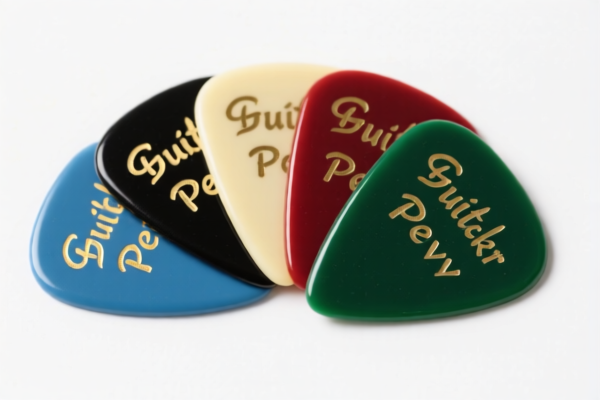
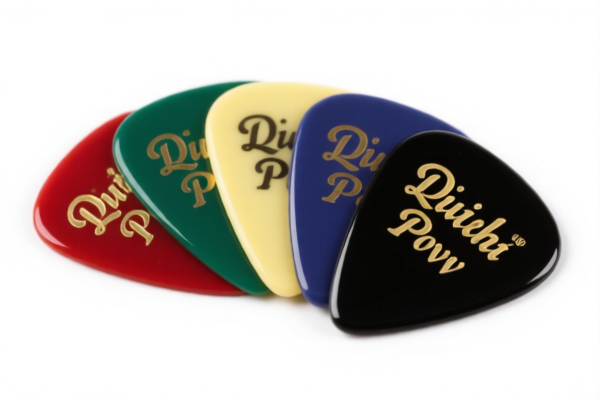
AI Analysis
🎸 Guitar Finger Set (Picks / Artificial Fingers for Instrument Technique)
🌐 HS Code Reference & Customs Clearance Guide | 2026 Latest Tariff Analysis | Professional Strategy for Musical Accessories
📌 I. Product Definition & Classification: What Exactly is a "Guitar Finger Set"?
In the context of musical instruments, a "Guitar Finger Set" typically refers to artificial fingers (also known as guitar thimbles, finger picks, or capos-style attachment tools) used by musicians to enhance plucking precision, volume, or specific tonal effects (common in Bluegrass, Flamenco, or Classical guitar). Unlike standard plastic picks held in the hand, these are attached to the fingertips.
Key Distinction:
- If the product is strictly an accessory/attachment for string instruments (worn on fingers to facilitate playing), it falls under Chapter 92 (Musical Instruments).
- If the product is made of stone/carbon or plastic/composite and is classified as a general industrial or non-metallic article not specifically designed as an instrument part, it may fall under Chapter 68 (Articles of Stone, Plaster, Cement, Asbestos, Mica, or Similar Materials).
⚠️ Critical Classification Point:
- Most commercial "Guitar Finger Sets" are considered parts/accessories of musical instruments → HS 9209.
- However, if customs authorities deem them as general "non-metallic articles" due to material composition (e.g., hard stone/carbon tips), they may be misclassified under HS 6815.
- Risk: Misclassification leads to significant duty disparities (17.5% vs 35%).
📦 II. HS Code Classification Details (2026 Latest Tariff Authority Comparison)
Based on the provided data, there are four potential classifications. Here is the logical deduction for each:
| HS Code | Product Description | Material/Usage Logic | Tax Rate (Total) |
|---|---|---|---|
6815.19.00.00 |
Articles of Stone or Carbon | Inference: Material is inferred as stone or carbon-based. Classified as non-metallic articles. | 35.0% |
6815.99.41.10 |
Other Articles of Stone, Cement, etc. | Inference: Material inferred as plastic or composite. Classified as mineral/non-metallic products. | 35.0% |
9209.30.00.00 |
Parts and Accessories for Stringed Instruments | Inference: Specifically recognized as an accessory for stringed instruments (guitar). | 17.5% |
9209.99.80.00 |
Other Parts and Accessories of Musical Instruments | Inference: Classified as a general musical instrument accessory/parts. | 22.8% |
🔍 Key Insight:
- The correct classification depends on whether the product is viewed as a "Musical Instrument Accessory" (Ch 92) or a "General Non-Metallic Article" (Ch 68).
- Ch 92 codes (9209.xx) are significantly cheaper (17.5% - 22.8%) than Ch 68 codes (35.0%).
- Strategy: Proving the product is exclusively for musical use is critical to avoid the higher 35% duty.
💰 III. 2026 Latest Tariff Rate Breakdown (Including Surcharges & Policy Add-ons)
✅ Applicable Country: United States (US)
✅ Origin: China (CN)
✅ Effective Date: From November 10, 2025 (including subsequent imports)
🎯 1. 6815.19.00.00 & 6815.99.41.10 — Non-Metallic Articles (High Risk)
| Item | Detail |
|---|---|
| Base Tariff | 0% (Ad Valorem) |
| Section 301 Surcharge | +25% (USITC Footnote 9903.88.01) |
| IEEPA Surcharge | +10% (Against China/HK products, effective Nov 10, 2025) |
| Total Tariff | 35.0% |
| De Minimis Exemption | ❌ NOT Eligible (deny_de_minimis) |
| Legal Basis Path | IEEPA:9903.01.25 → IEEPA:9903.01.24 → USITC:6815.xx → FOOTNOTE:9903.88.01 |
📌 Explanation:
- If misclassified as "stone/carbon articles" or "plastic composites," you pay 35%.
- This classification ignores the musical function and focuses solely on material.
- Cost Impact: High. Not recommended if Ch 92 is applicable.
🎯 2. 9209.30.00.00 — Parts/Accessories for Stringed Instruments (Best Case)
| Item | Detail |
|---|---|
| Base Tariff | 0% (Ad Valorem) |
| Section 301 Surcharge | +7.5% (USITC Footnote 9903.88.01) |
| IEEPA Surcharge | +10% (Against China/HK products) |
| Total Tariff | 17.5% |
| De Minimis Exemption | ❌ NOT Eligible (deny_de_minimis) |
| Legal Basis Path | IEEPA:9903.01.24 → USITC:9209.30.00.00 → FOOTNOTE:9903.88.01 |
📌 Explanation:
- This code explicitly covers accessories for stringed instruments (like guitar finger picks/thimbles).
- Savings: 17.5% vs 35% = 17.5% lower duty.
- Requirement: Must clearly demonstrate use in playing string instruments.
🎯 3. 9209.99.80.00 — Other Musical Instrument Accessories (Middle Ground)
| Item | Detail |
|---|---|
| Base Tariff | 5.3% (Ad Valorem) |
| Section 301 Surcharge | +7.5% |
| IEEPA Surcharge | +10% |
| Total Tariff | 22.8% |
| De Minimis Exemption | ❌ NOT Eligible (deny_de_minimis) |
| Legal Basis Path | IEEPA:9903.01.24 → USITC:9209.99.80.00 → FOOTNOTE:9903.88.01 |
📌 Explanation:
- Used if the product is considered a "part" rather than a direct "accessory for stringed instruments" under 9209.30.
- Still cheaper than Ch 68 (22.8% vs 35%), but more expensive than 9209.30.
🛠️ IV. Customs Clearance Practical Advice (Battle-Tested Pitfall Guide)
✅ 1. Preparation Checklist (Non-Negotiable)
| Document | Mandatory? | Notes |
|---|---|---|
| ✅ Product Specs | ✔️ | Must specify: "Guitar Finger Picks/Thimbles for String Instruments." |
| ✅ Product Photos | ✔️ | Clear images showing fingers wearing the device on a guitar neck. |
| ✅ Instruction Manual | ✔️ | Must explain usage with musical instruments. |
| ✅ Commercial Invoice | ✔️ | Description: "Artificial Finger Picks for Guitar (Musical Instrument Accessory)." |
| ✅ Material Declaration | ✔️ | Clearly state: "Plastic/Resin/Titanium Alloy" (avoid vague "Non-metallic"). |
✅ 2. Declaration Strategy (Key Mantra)
🔥 "Instrument First, Material Second! Don't Let Stone Codes Eat Your Profit!"
| Scenario | Correct Declaration | Wrong Declaration | Result |
|---|---|---|---|
| Guitar Finger Picks | 9209.30.00.00 (Musical Accessory) |
"Plastic Fingernails" or "Stone Carving Tools" | 17.5% vs 35% |
| Mixed Use | 9209.99.80.00 |
6815.19.00.00 |
22.8% vs 35% |
| No Music Context | 6815.99.41.10 |
N/A | 35% (High Risk) |
✅ 3. Special Cases
| Situation | Handling Advice |
|---|---|
| OEM Custom Sets | Provide customer design drawings showing instrument compatibility. |
| Mixed Materials | If tips are metal/fingertips are plastic, still classify under Ch 92 if primary function is musical. |
| Display in Sets | If sold in a box with a guitar, declare as complete accessory set under 9209. |
| Solo Finger Picks | Must explicitly state "For Guitar/Banjo/Double Bass" on invoice. |
🌍 V. Global Market Comparison (2026 Latest)
| Country/Region | Recommended HS Code | Tariff | Certification | Notes |
|---|---|---|---|---|
| 🇺🇸 USA | 9209.30.00.00 |
17.5% | FCC/CE (if electronic) | Avoid 6815 (35%) |
| 🇨🇳 China | 9209.90.90.00 |
5% | CCC (if applicable) | Lower base duty |
| 🇪🇺 EU | 9209.90.30 |
0% (if CE) | CE + REACH | No additional surcharges |
| 🇬🇧 UK | 9209.90.30 |
0% | UKCA | Post-Brexit alignment with EU |
| 🇨🇦 Canada | 9209.90.10 |
0% | Health Canada | No extra tariffs |
📌 Conclusion:
- USA is the only market with significant surcharges (301 + IEEPA).
- Misclassification as "Stone/Plastic Articles" (Ch 68) costs 17.5% more than correct "Musical Accessory" classification (Ch 92).
📌 VI. Common Mistakes & Pitfall Guide (Blood & Tears)
❌ Mistake 1: Declaring as "Plastic Fingernails" or "Artificial Nails"
👉 Result: Customs may classify under 6815 → 35% Duty.
👉 Fix: Always use "Guitar Accessory" or "Musical Instrument Part."
❌ Mistake 2: Omitting "Musical Use" in Description
👉 Result: Ambiguity leads to "Best Judgment" by customs → Often defaults to higher tax rate.
👉 Fix: Add "For use with stringed instruments such as guitar, banjo, or mandolin."
❌ Mistake 3: Ignoring IEEPA 10% Surcharge
👉 Result: Underestimating landed cost.
👉 Fix: Budget for 17.5% - 35% total duty, not just base tariff.
❌ Mistake 4: Assuming De Minimis Applies
👉 Result: Packages under $800 still face 17.5%-35% duty and no de minimis exemption.
👉 Fix: Plan for full duty payment even for small samples.
✅ Correct Declaration Example:
"Artificial Guitar Finger Picks (Musical Instrument Accessories), Plastic/Titanium, for Plucking Strings on Stringed Instruments, Model XYZ, Used in Bluegrass/Flamenco Music."
🎯 VII. Conclusion: Professional Declaration Saves Money!
🎯 Remember the Mantra:
🔹 "Function Over Material! Musical Use = Lower Duty!"
🔹 "9209 is the Goal, 6815 is the Trap!"
📌 Pro Tip:
- If your guitar finger sets are made in Vietnam, Mexico, or Thailand, you may qualify for IEEPA Exemption, reducing total duty to 0% - 7.5%.
- For US-bound shipments, always request an Advance Ruling from CBP to confirm 9209 classification.
📣 Immediate Action:
📞 Consult your customs broker with photos and usage instructions.
🚀 Declare as Musical Instrument Accessory to save 17.5% in duties.
📦 Ensure Invoice Descriptions are Precise to avoid 35% penalties.
✨ Professional Customs Clearance Starts with Accurate Classification!
💼 Every 17.5% Saved is Pure Profit!
Customer Reviews
About HS Code Classification
The Harmonized System (HS) is an internationally standardized nomenclature developed by the World Customs Organization (WCO) to classify traded products. Over 200 countries use the HS system as the basis for customs tariffs, trade statistics, and import/export regulations.
Each HS code follows a hierarchical structure:
- Chapter (2 digits) — Broad category of goods (e.g., Chapter 84: Machinery and Mechanical Appliances)
- Heading (4 digits) — More specific grouping within the chapter
- Subheading (6 digits) — Internationally standardized breakdown, used by all WCO member countries
- National subdivisions (8-10 digits) — Country-specific extensions for further classification, such as US HTSUS 10-digit codes
Correct HS code classification is essential for smooth customs clearance, accurate duty payment, and compliance with trade regulations. Misclassification can lead to customs delays, overpayment of duties, or penalties.
When importing from CN to US, the applicable tariff rates may include:
- Most-Favored-Nation (MFN) rate — The standard duty rate applied to WTO members
- General rate — Applied to countries without trade agreements
- Trade remedy duties — Additional tariffs such as Section 301 (anti-dumping), Section 232 (national security), or countervailing duties
The information provided on this page is for reference purposes only. For official classification, please consult with your local customs authority or a licensed customs broker.