hair combs
CN → US| HS Code | Tariff Rate | Origin | Destination | Doc |
|---|---|---|---|---|
| 9615192000 | 0.0% | CN | US | Official Doc |
| 3926909989 | 22.8% | CN | US | Official Doc |
| 3926903500 | 16.5% | CN | US | Official Doc |
| 3924900500 | 20.6% | CN | US | Official Doc |
| 9615114000 | 15.3% | CN | US | Official Doc |
| 4420190000 | 13.2% | CN | US | Official Doc |
Product Images
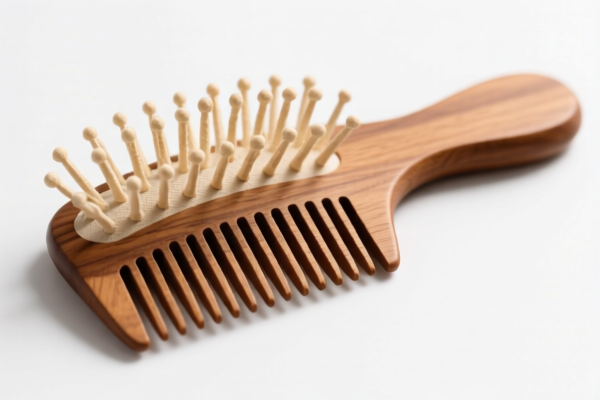
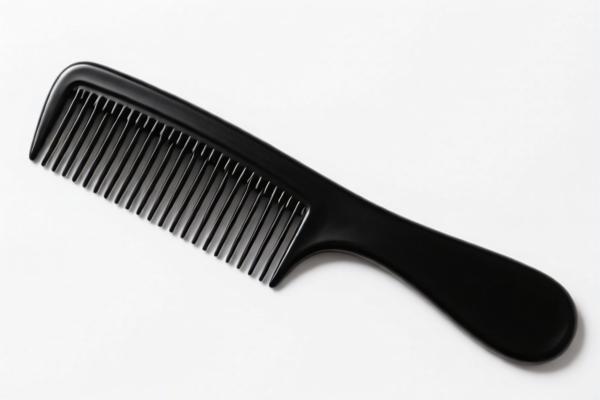
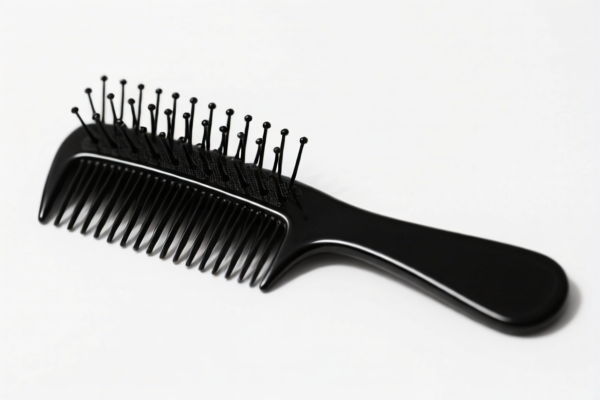
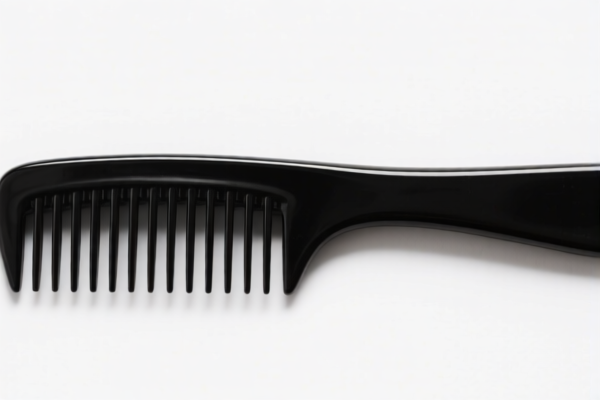
AI Analysis
💇♀️ Hair Combs (美发梳 / 梳理梳)
🌐 HS Code Reference & Customs Clearance Guide | 2026 Latest Tariff Analysis | Professional Classification Strategy
📌 1. Product Definition & Material Logic: What are "Hair Combs"?
Hair combs are personal care tools used for grooming, styling, and detangling hair. In international trade, the HS Code classification depends heavily on the inferred material and specific design features. Since the input only specifies "Hair Combs" without material details, we analyze based on common market assumptions: Plastic, Wood, and General/Unspecified.
⚠️ Critical Classification Distinction:
- If Plastic: Generally falls under Chapter 39 (Plastics) or Chapter 96 (Miscellaneous Manufactured Articles) depending on whether it’s considered a "household article" or a specific "comb." - If Wood/Animal Material: Falls under Chapter 44 (Wood) or Chapter 96. - Tax Impact: Plastic combs often face higher "Section 301" and "Section 122" additional tariffs compared to wood or specific classified combs.
📦 2. HS Code Classification Matrix (2026 Latest Tariff Reference)
Based on the provided data, here are the valid HS Codes for "Hair Combs" with inferred materials:
| HS Code | Inferred Material | Classification Logic | Summary Description |
|---|---|---|---|
9615.19.20.00 |
Unspecified / Common (Plastic/Wood) | "Other Combs" | General category for combs not specifically listed elsewhere. Assumed common materials. |
3926.90.99.89 |
Plastic | "Other Plastic Articles" | Plastic combs not listed in specific subheadings. Classified as general plastic goods. |
3926.90.35.00 |
Plastic | "Other Plastic Articles" | Plastic combs, not strung/beaded. Specific subset of general plastic articles. |
3924.90.05.00 |
Plastic | "Household/Personal Care Plastic Articles" | Plastic combs used for personal grooming. Classified as household/personal care plastic items. |
9615.11.40.00 |
Plastic or Hard Rubber | "Combs (Not Imitation Jewelry)" | Combs made of plastic or hard rubber, not embedded with pearls/gems. Specific "Comb" category. |
4420.19.00.00 |
Wood | "Wooden Decorations/Accessories" | Wooden combs or small decorative tools. Classified under wood articles/decorations. |
🔍 Key Insight:
-9615Series (Combs): Often preferred if the product is distinctly a comb, potentially lower base duty than general plastics. -3926Series (Plastic Articles): High risk for US importers due to higher base tariffs + Section 301 + Section 122. -4420Series (Wood): Generally lower total tax burden if the comb is wooden.
💰 3. 2026 Tariff Rate Breakdown (Detailed Tax Analysis)
✅ Applicable Country: United States (US)
✅ Origin: China (CN)
✅ Effective Date: Includes current Section 301 and Section 122 tariffs
🎯 1. 9615.19.20.00 — Other Combs (Unspecified/Mixed Material)
| Item | Detail |
|---|---|
| Base Duty | 9.7% ad valorem + 1.3% specific |
| Section 301 (Trade War) | 0.0% |
| Section 122 Tariff | 10.0% |
| Total Effective Rate | ~11.0% (approx.) |
| Legal Path | 9615.19.20.00 → Section 122 (10%) |
| Note | Lowest risk profile among plastic-heavy options. Base duty is moderate. |
🎯 2. 3926.90.99.89 — Other Plastic Articles (General Plastic Comb)
| Item | Detail |
|---|---|
| Base Duty | 5.3% |
| Section 301 | 7.5% |
| Section 122 Tariff | 10.0% |
| Total Effective Rate | 22.8% |
| Legal Path | 3926.90.99.89 → Sec 301 (7.5%) + Sec 122 (10%) |
| Note | High tax burden. General plastic articles attract full penalties. |
🎯 3. 3926.90.35.00 — Other Plastic Articles (Specific Plastic)
| Item | Detail |
|---|---|
| Base Duty | 6.5% |
| Section 301 | 0.0% |
| Section 122 Tariff | 10.0% |
| Total Effective Rate | 16.5% |
| Legal Path | 3926.90.35.00 → Sec 122 (10%) |
| Note | Better than general plastic, but still higher than wood or specific comb codes. |
🎯 4. 3924.90.05.00 — Household/Personal Care Plastic Articles
| Item | Detail |
|---|---|
| Base Duty | 3.1% |
| Section 301 | 7.5% |
| Section 122 Tariff | 10.0% |
| Total Effective Rate | 20.6% |
| Legal Path | 3924.90.05.00 → Sec 301 (7.5%) + Sec 122 (10%) |
| Note | Personal care items are heavily taxed under current US policy. |
🎯 5. 9615.11.40.00 — Combs (Plastic/Hard Rubber, Non-Jewelry)
| Item | Detail |
|---|---|
| Base Duty | 5.3% |
| Section 301 | 0.0% |
| Section 122 Tariff | 10.0% |
| Total Effective Rate | 15.3% |
| Legal Path | 9615.11.40.00 → Sec 122 (10%) |
| Note | Specific classification for combs avoids Section 301, saving 7.5% vs general plastic. |
🎯 6. 4420.19.00.00 — Wooden Decorations/Accessories
| Item | Detail |
|---|---|
| Base Duty | 3.2% |
| Section 301 | 0.0% |
| Section 122 Tariff | 10.0% |
| Total Effective Rate | 13.2% |
| Legal Path | 4420.19.00.00 → Sec 122 (10%) |
| Note | Wooden combs benefit from lower base duty and no Section 301. |
🛠️ 4. Customs Clearance Best Practices (Actionable Advice)
✅ 1. Material Documentation is Key
| Document | Requirement | Why It Matters |
|---|---|---|
| Product Spec Sheet | Must specify Material Composition (e.g., "100% PP Plastic," "Bamboo Wood") | Determines if you use 3926 (Plastic) vs 4420 (Wood) vs 9615 (Comb). |
| Photos | Clear images showing texture, branding, and structure | Helps customs verify if it’s a "comb" (9615) or "general plastic item" (3926). |
| Invoice Description | Be precise: e.g., "Plastic Hair Comb" vs. "Wooden Hair Comb" | Mismatch between description and HS Code triggers audits. |
✅ 2. Strategic Classification Tips (Tax Optimization)
| Strategy | Recommendation |
|---|---|
| If Plastic | Try to classify under 9615.11.40.00 (15.3%) instead of 3926.90.99.89 (22.8%). Reason: 9615 is the specific "Comb" heading, often exempt from Section 301 tariffs, while 3926 is a general basket with higher penalties. |
| If Wood/Bamboo | Classify under 4420.19.00.00 (13.2%). Reason: Lowest total tax rate among common materials, no Section 301. |
| Avoid "Household" | Do not classify simple combs under 3924.90.05.00 (20.6%) unless necessary. It incurs both Section 301 and 122 tariffs. |
✅ 3. Declaration Wording (Sample)
Good: "Hair Comb, Plastic, Model XYZ, Not Decorative Jewelry"
Good: "Wooden Hair Comb, Bamboo Material, Personal Grooming Tool"
Bad: "Plastic Gadget" (Too vague, likely to be misclassified as higher-tax plastic article)
🌍 5. Global Market Comparison (2026 Context)
| Market | Typical HS Code for Combs | Base Duty | Additional Tariffs (China Origin) | Total Est. |
|---|---|---|---|---|
| 🇺🇸 USA | 9615.11.40.00 or 3926 |
5.3% | +10% (Sec 122) | 15.3% |
| 🇪🇺 EU | 9615.19.00 |
0-4% | None (Standard MFN) | ~4% |
| 🇨🇳 China | 9615.19.00 |
6-10% | None | ~8% |
📌 Conclusion for US Importers:
- Plastic combs are heavily taxed.
- Wood/Bamboo combs are more tax-efficient.
- Specific "Comb" classification (9615) is better than "General Plastic" (3926).
📌 6. Common Errors & Pitfalls (Avoid These!)
❌ Error 1: Declaring plastic combs as "Plastic Household Articles" (3924)
👉 Result: Higher duty (20.6%) due to Section 301 + 122.
✅ Fix: Use 9615.11.40.00 if it qualifies as a standard comb.
❌ Error 2: Declaring wooden combs as "Plastic" to avoid wood checks
👉 Result: Misdeclaration, fines, seizure.
✅ Fix: Accurately declare wood/bamboo for 4420.19.00.00 (13.2%).
❌ Error 3: Ignoring Section 122 Tariff
👉 Result: Unexpected 10% charge at border.
✅ Fix: Budget for the 10% Sec 122 tariff on ALL Chinese goods unless specifically exempt.
🎯 7. Final Recommendation
🎯 For Maximum Tax Efficiency:
- If you can source Wood/Bamboo: Use
4420.19.00.00(13.2% Total).- If you must use Plastic: Use
9615.11.40.00(15.3% Total) — Specific Comb Category.- Avoid:
3926.90.99.89(22.8%) and3924.90.05.00(20.6%) unless no other classification fits.
📞 Action Step:
Provide your product’s exact material and photos to a customs broker. Request a Pre-Decision Ruling for
9615vs3926to lock in the 15.3% rate instead of 22.8%.
✨ Smart Classification = Lower Costs + Faster Clearance!
💼 Don’t let "Plastic" cost you 7.5% more in Section 301 tariffs!
Customer Reviews
About HS Code Classification
The Harmonized System (HS) is an internationally standardized nomenclature developed by the World Customs Organization (WCO) to classify traded products. Over 200 countries use the HS system as the basis for customs tariffs, trade statistics, and import/export regulations.
Each HS code follows a hierarchical structure:
- Chapter (2 digits) — Broad category of goods (e.g., Chapter 84: Machinery and Mechanical Appliances)
- Heading (4 digits) — More specific grouping within the chapter
- Subheading (6 digits) — Internationally standardized breakdown, used by all WCO member countries
- National subdivisions (8-10 digits) — Country-specific extensions for further classification, such as US HTSUS 10-digit codes
Correct HS code classification is essential for smooth customs clearance, accurate duty payment, and compliance with trade regulations. Misclassification can lead to customs delays, overpayment of duties, or penalties.
When importing from CN to US, the applicable tariff rates may include:
- Most-Favored-Nation (MFN) rate — The standard duty rate applied to WTO members
- General rate — Applied to countries without trade agreements
- Trade remedy duties — Additional tariffs such as Section 301 (anti-dumping), Section 232 (national security), or countervailing duties
The information provided on this page is for reference purposes only. For official classification, please consult with your local customs authority or a licensed customs broker.