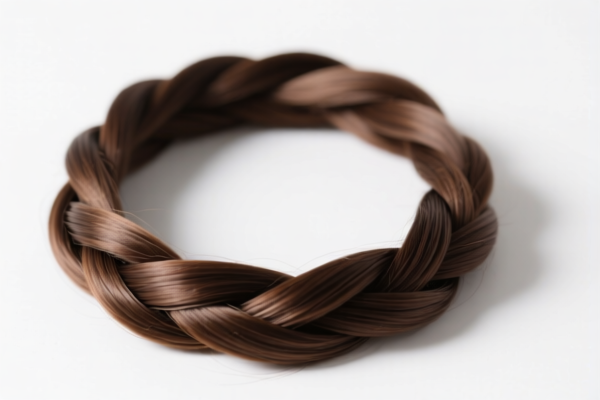
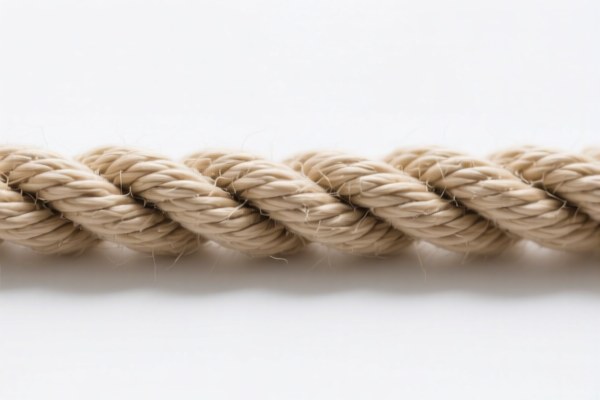
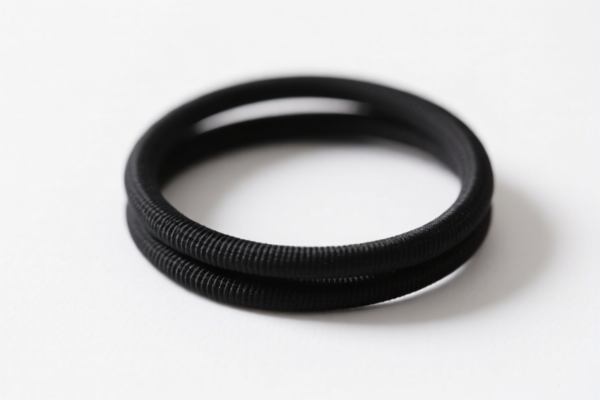
hair loop rope
CN → US| HS Code | Tariff Rate | Origin | Destination | Doc |
|---|---|---|---|---|
| 9615903000 | 15.1% | CN | US | Official Doc |
| 9615904000 | 15.3% | CN | US | Official Doc |
| 6307905020 | 17.5% | CN | US | Official Doc |
| 6117803010 | 12.3% | CN | US | Official Doc |
| 6307905010 | 17.5% | CN | US | Official Doc |
Product Images

AI Analysis
🎀 Hair Loop Ropes (Elastic Hair Ties) – Global HS Code Guide & Customs Strategy
🌐 HS Code Reference & Clearance Guide | 2026 Latest Tariff Analysis | Professional Entry Strategy
📌 I. Product Definition & Classification: What Exactly is a "Hair Loop Rope"?
Hair Loop Ropes (commonly known as elastic hair ties, hair elastics, or ponytail holders) are flexible accessories used to secure hair. In international trade, they fall under different HS Codes based on material composition, manufacturing process (knitted vs. woven vs. molded), and final application.
⚠️ Critical Classification Criteria: - Material: Fabric (woven), Knitted, Rubber/Plastic, or Synthetic Fiber? - Form: Is it a simple elastic loop? A knitted band? A woven accessory? - Function: Is it purely a hair accessory (Chapter 96) or a textile knitted item (Chapter 61/63)?
📦 II. HS Code Classification Details (Based on Provided Data)
| HS Code | Product Description | Material/Process | Tax Rate (Total) | Key Tax Components |
|---|---|---|---|---|
9615.90.30.00 |
Hair loops belonging to hair ornaments; typically made of fabric or plastic. Fits "hair clips and similar articles". | Woven or Plastic | 15.1% | Base: 5.1% + Section 122: 10% |
9615.90.40.00 |
Knitted hair loops made of fibers or plastic/synthetic fibers. Classified under rubber/plastic inference. | Fiber or Plastic/Synthetic | 15.3% | Base: 5.3% + Section 122: 10% |
6307.90.50.20 |
Knitted hair loops treated as "other made-up articles" (textile category). Made of chemical fiber or cotton. | Chemical Fiber / Cotton | 17.5% | Base: 0% + Additional: 7.5% + Section 122: 10% |
6117.80.30.10 |
Knitted hair loops (form: headbands, ponytail holders). Process: Knitted. Material: Real silk or silk waste. | Real Silk / Silk Waste | 12.3% | Base: 2.3% + Section 122: 10% |
6307.90.50.10 |
Knitted hair loops inferred as cotton or fiber. Classified as "accessories" under other made-up articles. | Cotton / Fiber | 17.5% | Base: 0% + Additional: 7.5% + Section 122: 10% |
🔍 Key Insight:
- Chapter 96 (9615.xx) generally applies if the item is considered a specific "hair ornament" with a primary function as an accessory. - Chapter 61/63 (6117, 6307) applies if the item is strictly classified as a knitted textile product or "made-up article," often resulting in higher total duties due to "Additional" taxes, even if the "Base" is 0%. - Section 122 Tariff (10%): This is a mandatory additional duty applicable to all these categories in the provided dataset.
💰 III. 2026 Tariff Rate Breakdown (Detailed Tax Clauses)
✅ Context: Based on the provided dataset (likely US/China trade context with Section 122).
✅ Component Breakdown:
1. Base Duty (基础关税): The standard Most-Favored-Nation (MFN) rate.
2. Additional Duty (加征关税): Often applied to textile/knit items (e.g., 7.5%).
3. Section 122 Tariff (122条款关税): A fixed 10% surcharge applied to all listed items.
🎯 Category A: "Ornament" Classification (Chapter 96)
HS Codes: 9615.90.30.00 & 9615.90.40.00
| Tax Component | 9615.90.30.00 (Fabric/Plastic) |
9615.90.40.00 (Knitted/Fiber) |
|---|---|---|
| Base Duty | 5.1% | 5.3% |
| Additional | 0.0% | 0.0% |
| Section 122 | 10.0% | 10.0% |
| Total Rate | 15.1% | 15.3% |
📌 Logic: These items are viewed as finished accessories ("Hair Ornaments"). The tax structure is simpler (Base + Section 122), resulting in a lower total rate compared to textile classifications.
🎯 Category B: "Textile/Knit" Classification (Chapter 61 & 63)
HS Codes: 6307.90.50.20, 6307.90.50.10, & 6117.80.30.10
| Tax Component | 6307.90.50.20 (Chem. Fiber) |
6307.90.50.10 (Cotton) |
6117.80.30.10 (Silk) |
|---|---|---|---|
| Base Duty | 0.0% | 0.0% | 2.3% |
| Additional | 7.5% | 7.5% | 0.0% |
| Section 122 | 10.0% | 10.0% | 10.0% |
| Total Rate | 17.5% | 17.5% | 12.3% |
📌 Logic:
- Knitted items (Cotton/Chemical Fiber) often face a 7.5% Additional Duty (making them the most expensive at 17.5%), even though the Base Duty is 0%. - Silk items (6117.80.30.10) are cheaper (12.3%) because they have a higher Base Duty (2.3%) but no Additional Duty. - Section 122 (10%) is the "killer" clause that makes all these rates significantly higher than standard MFN rates.
🛠️ IV. Customs Clearance Practical Advice (Avoiding Pitfalls)
✅ 1. Pre-Shipment Classification Strategy
🔥 "Material & Knit vs. Finished Accessory" Determination is Critical!
| Scenario | Recommended HS Code | Why? | Risk if Wrong |
|---|---|---|---|
| Standard Elastic Band (Rubber/Plastic coated) | 9615.90.30.00 |
Clearly a "hair ornament." | If misclassified as Textile (6307), you pay 2.4% more (15.1% vs 17.5%). |
| Knitted Fabric Band (Cotton/Synthetic) | 6307.90.50.20 or 6307.90.50.10 |
Must be declared as "Made-up Article" if purely textile. | If declared as 9615, it may be rejected if material is 100% knitted textile. |
| Silk Hair Loops | 6117.80.30.10 |
Specific for "Silk" headbands/accessories. | If declared as general textile, you might pay 17.5% instead of 12.3%. |
✅ 2. Documentation Checklist
Ensure your commercial invoice and packing list explicitly state: - Material Composition: e.g., "100% Cotton Knitted" vs. "Polyester Core with Rubber." - Manufacturing Process: "Woven," "Knitted," or "Molded." - End Use: "For securing hair" (to support Chapter 96 argument if applicable). - Section 122 Compliance: Acknowledge the 10% surcharge in your cost calculations.
✅ 3. Special Case Handling
- Knitted vs. Woven: If the item is knitted, it strongly pushes the classification toward Chapter 61/63 (
6307or6117), triggering the 7.5% Additional Duty. - Silk Content: If the item contains real silk, it qualifies for the lower 12.3% rate under
6117.80.30.10. - Plastic/Rubber Core: If the core is rubber/plastic and the outer layer is fabric,
9615is often the safer, cheaper classification.
🌍 V. Global Market Comparison (Hypothetical 2026 Context)
| Market | Preferred HS Code for Hair Loops | Est. Total Duty | Key Constraint |
|---|---|---|---|
| Target Market (Provided Data) | Varies by Material | 12.3% – 17.5% | Section 122 (10%) is mandatory. |
| Other Markets (e.g., EU) | 9615 (Ornaments) |
~5-8% | Often lower if classified as accessories, not textiles. |
| Other Markets (e.g., Japan) | 9615 |
~5% | Minimal additional duties on hair accessories. |
📌 Strategic Note:
The 17.5% total duty on knitted cotton/synthetic loops (6307) is significantly higher than the 15.1% on standard fabric/plastic loops (9615).
Action: If your product can be classified as a "finished ornament" (9615) rather than a "textile made-up article" (6307), prioritize that classification to save 2.4% in duties.
🚨 VI. Common Errors & "Blood Test" Avoidance Guide
❌ Error 1: Mislabeling Knitted Loops as "Ornaments"
👉 Risk: Customs may reject 9615 for knitted items, forcing a re-classification to 6307 (higher tax) or imposing penalties.
✅ Fix: If knitted, explicitly state "Knitted Accessory" and use 6307 or 6117.
❌ Error 2: Ignoring Section 122 (10%)
👉 Risk: Underestimating total landed cost by 10% on every shipment.
✅ Fix: Always calculate CIF Value × (Base + Additional + 10%).
❌ Error 3: Vague Material Description
👉 Risk: If you just write "Hair Loop," customs will guess the material and pick the highest tax (6307 = 17.5%).
✅ Fix: Be specific: "100% Cotton Knitted Hair Loop" or "Plastic Core Fabric Loop."
🎯 VII. Conclusion: Smart Customs Strategy for Hair Loop Ropes
💡 Golden Rule:
"Knit? Textile Tax. Plastic/Fabric? Ornament Tax. Silk? Special Discount."
| Product Type | Best HS Code | Total Duty | Action |
|---|---|---|---|
| Elastic/Fabric/Plastic | 9615.90.30.00 |
15.1% | ✅ Lowest Risk (Ornament) |
| Knitted (Cotton/Synth) | 6307.90.50.20 |
17.5% | ⚠️ Higher Tax (Textile) |
| Knitted (Silk) | 6117.80.30.10 |
12.3% | ✅ Lowest Tax if Silk |
🚀 Recommendation:
- If manufacturing in China, ensure accurate material labeling on invoices.
- Pre-classify knitted items to avoid surprise 7.5% "Additional" duties.
- Consider Silk: If your supply chain allows, silk-based loops (6117) offer the lowest duty (12.3%) despite being knitted.
📌 Final Tip:
"Don't guess the HS Code! The difference between 15.1% and 17.5% can wipe out your profit margin."
Contact your customs broker to verify the knit vs. weave status before shipment.
✨ Precision in Classification = Profit in Your Pocket!
💼 Your Hair Loop Ropes Deserve the Best Tax Strategy!
Customer Reviews
About HS Code Classification
The Harmonized System (HS) is an internationally standardized nomenclature developed by the World Customs Organization (WCO) to classify traded products. Over 200 countries use the HS system as the basis for customs tariffs, trade statistics, and import/export regulations.
Each HS code follows a hierarchical structure:
- Chapter (2 digits) — Broad category of goods (e.g., Chapter 84: Machinery and Mechanical Appliances)
- Heading (4 digits) — More specific grouping within the chapter
- Subheading (6 digits) — Internationally standardized breakdown, used by all WCO member countries
- National subdivisions (8-10 digits) — Country-specific extensions for further classification, such as US HTSUS 10-digit codes
Correct HS code classification is essential for smooth customs clearance, accurate duty payment, and compliance with trade regulations. Misclassification can lead to customs delays, overpayment of duties, or penalties.
When importing from CN to US, the applicable tariff rates may include:
- Most-Favored-Nation (MFN) rate — The standard duty rate applied to WTO members
- General rate — Applied to countries without trade agreements
- Trade remedy duties — Additional tariffs such as Section 301 (anti-dumping), Section 232 (national security), or countervailing duties
The information provided on this page is for reference purposes only. For official classification, please consult with your local customs authority or a licensed customs broker.