hair sheepskins untanned
CN → US| HS Code | Tariff Rate | Origin | Destination | Doc |
|---|---|---|---|---|
| 4103901130 | 17.5% | CN | US | Official Doc |
| 4102101000 | 17.5% | CN | US | Official Doc |
| 4102291090 | 17.5% | CN | US | Official Doc |
| 4103901190 | 17.5% | CN | US | Official Doc |
| 4103901200 | 17.5% | CN | US | Official Doc |
Product Images
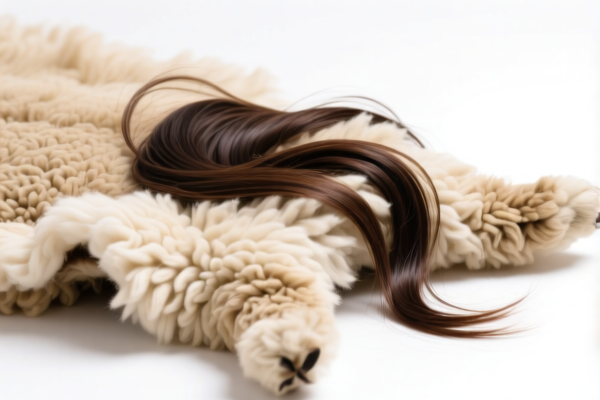
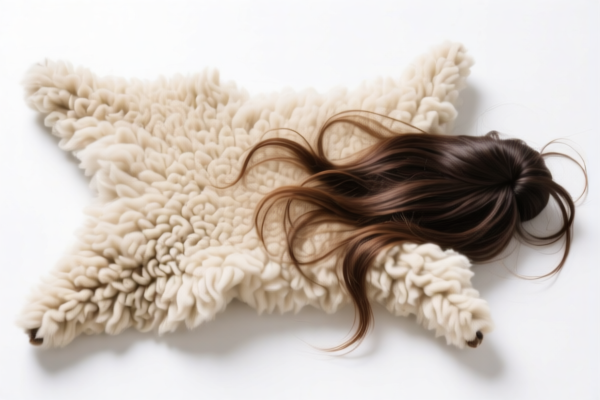
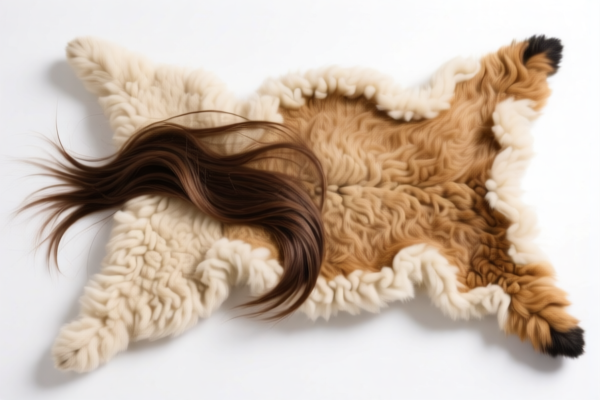
AI Analysis
🐑 Hair Sheepskins (Untanned)
🌐 HS Code Reference & Customs Clearance Guide | 2026 Latest Tariff Full Analysis | Professional-Level Clearance Strategy
📌 Part I: Product Definition & Classification: Do You Really Understand "Untanned Hair Sheepskins"?
Hair sheepskins, in their raw state, are the unprocessed hides of sheep raised specifically for meat and wool, rather than for fine fur. In international trade, these raw materials are categorized strictly by their state of preservation and preparation. Before tanning, they are classified under Chapter 41 (Raw Hides and Skins), specifically under headings 4102 (Skins of Sheep or Lambs) and 4103 (Other Hides and Skins).
The classification depends heavily on three key factors: 1. Presence of Wool/Hair: Is the hair still attached? 2. Condition: Is it fresh, salted, dried, or limed? 3. Type of Sheep: Is it specifically "sheepskin" or categorized under broader "other" hides if the species isn't explicitly sheep/lamb in certain contexts, though usually grouped with sheep.
⚠️ Key Distinction Point:
- If the sheepskin has hair/wool attached and is untanned → It generally falls under Heading 4102.
- If the sheepskin is de-haired (no hair) and untanned → It may fall under Heading 4103 (classified as "other" skins not specifically named as tanned sheepskins or de-haired skins under 4102).
- Crucial Note: The provided suggests specific sub-headings that map to these physical characteristics. We must align the description with the provided codes: 4102 for hair-on, and 4103 for hair-off or specific non-standard untanned forms.
📦 Part II: HS Code Classification Details (Latest 2026 Tariff Authority Comparison)
| HS Code | Product Description | Applicable Scenario | Has Hair/Wool? | Tanning Status? |
|---|---|---|---|---|
4102.10.10.00 |
Sheep/Lamb Skins, Untanned, With Hair | Fresh, salted, or dried sheepskins where the natural wool/hair is fully intact. | ✅ Yes | ❌ No |
4102.29.10.90 |
Sheep/Lamb Skins, Untanned, No Hair | Skins where the hair has been removed (de-haired) but not yet tanned. Often used for specific leather types. | ❌ No | ❌ No |
4103.90.11.30 |
Other Raw Skins, Sheepskin Material, Unprepared | Matches sheepskin material in an unprepared/un-tanned form, fitting specific animal skin classification features not covered elsewhere. | ⚠️ Varies (Contextual) | ❌ No |
4103.90.11.90 |
Other Raw Skins, Untanned & No Hair | Untanned sheepskins without hair, classified under "other" un-prepared raw hides/skins. | ❌ No | ❌ No |
4103.90.12.00 |
Untanned Raw Sheepskins for Laboratory Use | Specific classification for sheepskins intended for laboratory/experimental purposes, un-tanned. | ⚠️ Varies | ❌ No |
🔍 Key Reminder:
- 4102.10 is the primary code for hair-on untanned sheepskins.
- 4102.29 is for de-haired untanned sheepskins.
- 4103 is used for other untanned skins that do not fit the specific primary definitions of 4102, or for specific uses (like lab use).
- All codes listed above share the same tax structure in the provided data.
💰 Part III: 2026 Latest Tariff Rate Breakdown (Including Surtaxes & Policy Add-ons)
✅ Applicable Country: USA (US)
✅ Origin: China (CN)
✅ Effective Date: From November 10, 2025 (and subsequent imports)
🎯 1. Universal Tariff Structure for All Listed HS Codes
| Item | Content |
|---|---|
| Base Tariff Rate | 0.0% (Ad Valorem) |
| USITC Surtax | +7.5% (Specific to this classification group) |
| Section 122 Tariff | +10% (Targeted China-specific surcharge) |
| Total Tariff Rate | 17.5% |
| Tax Calculation | CIF Value × 17.5% |
| De Minimis Eligibility | ❌ No (Deny De Minimis applies to most textile/hide imports from China) |
| Legal Path | USITC:4102/4103 → Surtax:7.5% → 122Clause:10% |
📌 Explanation:
- "Base 0%": Raw hides and skins often enjoy lower base tariffs to encourage domestic processing.
- "Surtax 7.5%": This is a specific additional duty applied to raw sheepskins/lamb skins from China.
- "Section 122 Tariff 10%": This is a separate trade remedy tariff, often applied to agricultural products or specific raw materials under different legal authorities.
- Total 17.5%: This is a significant cost addition. Unlike high-tech goods (45%), this is moderate but still impactful for low-margin raw material trades.
🛠️ Part IV: Practical Customs Clearance Advice (Real-World Pitfall Avoidance)
✅ 1. Required Documentation List (Essential)
| Document | Mandatory | Explanation |
|---|---|---|
| ✅ Product Specification Sheet | ✔️ | Must specify: Species (Sheep/Lamb), State (Fresh/Salted/Dried), Hair Status (On/Off), Weight (Net/Gross). |
| ✅ Commercial Invoice | ✔️ | Must clearly state "Untanned Sheepskins" and origin (China). |
| ✅ Packing List | ✔️ | Detail number of skins, bales, and total weight. |
| ✅ Phytosanitary Certificate | ✔️ | Crucial! Raw animal skins often require health certificates to prove they are free from diseases (e.g., Foot-and-Mouth Disease). |
| ✅ Bill of Lading | ✔️ | Standard shipping document. |
| ✅ Animal Health Certificate | ✔️ | Depending on the specific type of sheep and origin, additional veterinary clearance may be needed by USDA/APHIS. |
✅ 2. Declaration Tips (Key Mantras)
🔥 "Clarify Hair State, Specify Untanned, Origin is Key!"
| Situation | Correct Declaration | Wrong Practice |
|---|---|---|
| Hair-on Sheepskins | 4102.10.10.00 |
Misdeclare as "Leather" → Higher tariff + penalty |
| De-haired Sheepskins | 4102.29.10.90 |
Misdeclare as "Fur" → Wrong chapter entirely |
| Laboratory Use Skins | 4103.90.12.00 |
Misdeclare as general export → Misses specific regulatory checks |
| Mixed Lots (Hair/No Hair) | Separate Declaration | Mixing types → Risk of misclassification and seizure |
✅ 3. Special Situation Handling
| Situation | Handling Advice |
|---|---|
| Salted vs. Dried | Ensure the description matches. Salted skins may have higher moisture content requirements. |
| Fresh Skins | Rarely imported directly due to spoilage risks; usually salted or dried. If fresh, strict biosecurity checks apply. |
| Origin Marking | Must clearly mark "Made in China" on each bale/skin if required by customs to trigger the 17.5% correctly. |
| Biosecurity | Contact USDA/APHIS before shipment to confirm if specific health certificates are needed for the type of sheepskin. |
🌍 Part V: Global Market Comparison (2026 Latest)
| Country/Region | Recommended HS Code | Tariff (China Origin) | Certification Requirements | Notes |
|---|---|---|---|---|
| 🇺🇸 USA | 4102.10.10.00 etc. |
17.5% (0% Base + 7.5% + 10%) | APHIS/USDA Health Cert | High scrutiny on animal diseases |
| 🇨🇳 China | 4102.10.10.00 |
Varies (Import duty) | N/A | Major importer of raw hides |
| 🇪🇺 EU | 4102.10 |
0% - 4% | REACH, Biosecurity | Strict welfare and health standards |
| 🇮🇳 India | 4102.10 |
~5% - 10% | Veterinary Health Cert | Large leather industry base |
| 🇹🇷 Turkey | 4102.10 |
~0% - 5% | Veterinary Health Cert | Major leather producer |
📌 Conclusion:
- The USA imposes a 17.5% total tariff due to specific surtaxes and Section 122 clauses.
- The EU and Turkey generally have lower or zero base tariffs but have strict biosecurity and REACH compliance.
- China is both a major exporter of raw hides and a processor, so export declarations must be precise to avoid delays at origin.
📌 Part VI: Common Errors & Pitfall Guide (Lessons Learned)
❌ Error 1: Declaring "Tanned Leather" when it's actually "Untanned Skin"
👉 Consequence: Wrong HS Code, potential ban due to biosecurity violations, seizure.
❌ Error 2: Failing to specify "Hair-On" vs. "De-haired"
👉 Consequence: Customs cannot determine the correct 4102 vs. 4103 code → Delay for inspection.
❌ Error 3: Ignoring the Section 122 Tariff impact
👉 Consequence: Budget miscalculation. The 10% surcharge is not part of the standard MFN rate and can catch exporters off guard.
❌ Error 4: Missing Phytosanitary/Veterinary Certificates
👉 Consequence: Rejection at border. Raw animal products are high-risk for disease transmission.
✅ Correct Practice:
"Sheepskins, Untanned, Salted, Hair-On, Origin: China, Batch No.: 123, Weight: 500kg"
(Plus attached APHIS Health Certificate)
🎯 Part VII: Conclusion: Professional Declaration, Safe Passage, Cost Control!
🎯 Remember the Mantra:
🔹 "Untanned = Raw, Hair State is Key!"
🔹 "17.5% Total Tax (0+7.5+10), Don't Be Caught Off Guard!"
🔹 "Biosecurity Docs First, Avoid Seizure!"
📌 Pro Tip:
- If you are shipping laboratory samples, clearly mark them as such to use 4103.90.12.00 if applicable, though the tax rate remains the same.
- Pre-clearance: Given the biosecurity risks, consult with a licensed customs broker before shipping to ensure all veterinary documents are in order.
- Cost Planning: Factor in the 17.5% total tariff when pricing your untanned sheepskins for the US market.
📣 Immediate Action:
📞 Contact a Customs Broker + Prepare Vet Certificates + Verify HS Code with Supplier
🚀 Ensure smooth customs clearance for your raw sheepskins!
✨ Professional Clearance Starts with Accurate Classification!
💼 Every percentage point of tax matters!
Customer Reviews
About HS Code Classification
The Harmonized System (HS) is an internationally standardized nomenclature developed by the World Customs Organization (WCO) to classify traded products. Over 200 countries use the HS system as the basis for customs tariffs, trade statistics, and import/export regulations.
Each HS code follows a hierarchical structure:
- Chapter (2 digits) — Broad category of goods (e.g., Chapter 84: Machinery and Mechanical Appliances)
- Heading (4 digits) — More specific grouping within the chapter
- Subheading (6 digits) — Internationally standardized breakdown, used by all WCO member countries
- National subdivisions (8-10 digits) — Country-specific extensions for further classification, such as US HTSUS 10-digit codes
Correct HS code classification is essential for smooth customs clearance, accurate duty payment, and compliance with trade regulations. Misclassification can lead to customs delays, overpayment of duties, or penalties.
When importing from CN to US, the applicable tariff rates may include:
- Most-Favored-Nation (MFN) rate — The standard duty rate applied to WTO members
- General rate — Applied to countries without trade agreements
- Trade remedy duties — Additional tariffs such as Section 301 (anti-dumping), Section 232 (national security), or countervailing duties
The information provided on this page is for reference purposes only. For official classification, please consult with your local customs authority or a licensed customs broker.