hairdryers
CN → US| HS Code | Tariff Rate | Origin | Destination | Doc |
|---|---|---|---|---|
| 8414596595 | 37.3% | CN | US | Official Doc |
| 8509805045 | 14.2% | CN | US | Official Doc |
| 8414519090 | 14.7% | CN | US | Official Doc |
| 8516310000 | 13.9% | CN | US | Official Doc |
| 8509805095 | 14.2% | CN | US | Official Doc |
Product Images
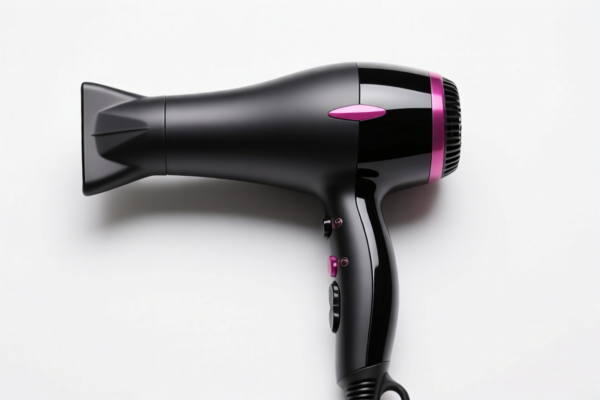
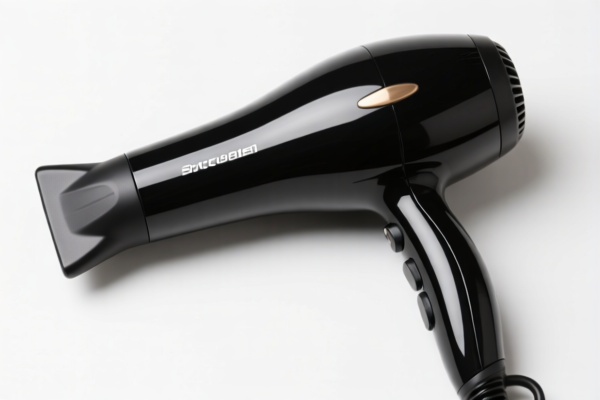
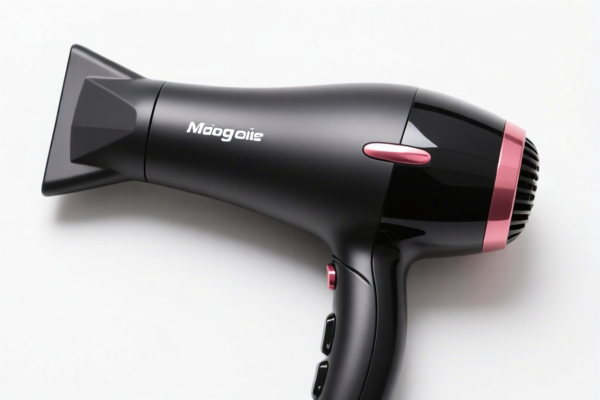
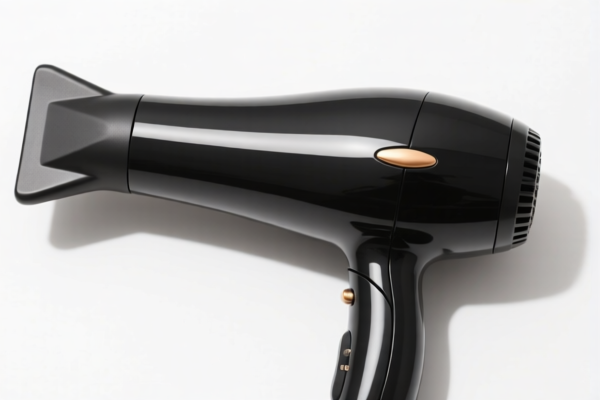
AI Analysis
💨 Hairdryers (Hair Dryers)
🌐 HS Code Reference & Customs Clearance Guide | 2026 Latest Tariff Analysis | Professional Clearance Strategy
📌 I. Product Definition & Classification: Do You Really Understand "Hairdryers"?
Hairdryers are essential electrical home appliances used for drying and styling hair. In international trade, they are primarily categorized based on their functional principle (airflow generation vs. electrical heating) and intended use. The classification significantly impacts tariff liabilities, especially for exports to the US.
⚠️ Key Distinction Point:
- Air Flow Generators (Fans/Blowers): Classified under Chapter 84 (Machinery) if the primary function is seen as an air compressor or fan.
- Electrical Household Appliances: Classified under Chapter 85 (Electrical Machinery) if seen as a self-contained electrical unit for personal care.
- Heating Devices: Specifically, those designed for drying hair or hands are often categorized under 8516 (Electric Heating Devices).
📦 II. HS Code Classification Details (2026 Latest Tariff Authority Comparison)
Based on the provided data, here are the five potential HS codes for Hairdryers, along with their logical basis:
| HS Code | Product Description | Logical Basis for Classification | Total Tax Rate (US Import) |
|---|---|---|---|
8516.31.00.00 |
Electric Hair Dryers (Primary Match) | The product name "Hairdryer" perfectly matches the usage definition (electric hair drying or hand drying equipment) and category. | 13.9% |
8509.80.50.45 |
Other Electro-Mechanical Domestic Appliances | Classified as a self-contained electromechanical household appliance with a built-in electric motor, fitting the definition of household use. | 14.2% |
8509.80.50.95 |
Other Electro-Mechanical Domestic Appliances (Other) | Falls under "Other" because it is an electric household appliance with a built-in motor, but does not fall into excluded categories like electric toothbrushes or humidifiers. | 14.2% |
8414.51.90.90 |
Fans / Airflow Equipment | Functionally viewed as a fan/airflow device. No material conflict. Reasonable inference within the fan category. | 14.7% |
8414.59.65.95 |
Other Fans / Compressors | Viewed as a functional application within the fan category, fitting the scope of air/gas compressors and fans. | 37.3% |
🔍 Critical Insight:
-8516.31.00.00is the most accurate classification for a standard hairdryer, as it specifically targets "electric hair drying equipment."
-8414.59.65.95carries a massive tax burden (37.3%) due to higher baseline duties and Section 301 tariffs. This should be avoided unless the product is purely an industrial fan component without heating elements.
💰 III. 2026 Latest Tariff Rate Breakdown (Including Surtaxes & Policy Add-ons)
✅ Applicable Country: United States (US)
✅ Origin: China (CN)
✅ Effective Date: 2025/2026 Period (Subject to Section 301 & IEEPA)
🎯 1. 8516.31.00.00 —— Electric Hair Dryers (Recommended)
| Item | Details |
|---|---|
| Base Duty | 3.9% |
| Section 301 Surtax | 0.0% |
| IEEPA/Section 122 Surtax | 10.0% |
| Total Effective Tax Rate | 13.9% |
| Calculation | CIF Value × 13.9% |
| De Minimis Eligibility | ❌ No (Subject to strict valuation rules for electrical appliances) |
| Legal Basis Path | USITC:8516.31.00.00 → FOOTNOTE:122 → IEEPA |
📌 Explanation:
- This is the lowest tariff option among the valid classifications.
- It avoids the 25% Section 301 tariff often applied to some electrical machinery, thanks to specific exclusions or lower base rates for personal care devices.
- Crucial: Ensure your product description explicitly states "Electric Hair Dryer" to support this classification.
🎯 2. 8509.80.50.45 & 8509.80.50.95 —— Other Domestic Appliances
| Item | Details |
|---|---|
| Base Duty | 4.2% |
| Section 301 Surtax | 0.0% |
| IEEPA/Section 122 Surtax | 10.0% |
| Total Effective Tax Rate | 14.2% |
| Calculation | CIF Value × 14.2% |
| De Minimis Eligibility | ❌ No |
📌 Explanation:
- These codes are acceptable alternatives if8516.31.00.00is contested.
- The tax rate is slightly higher (0.3% more) than the primary classification.
- They classify the hairdryer as a general "electromechanical household appliance" rather than a dedicated heater.
🎯 3. 8414.51.90.90 —— Fans/Airflow Devices
| Item | Details |
|---|---|
| Base Duty | 4.7% |
| Section 301 Surtax | 0.0% |
| IEEPA/Section 122 Surtax | 10.0% |
| Total Effective Tax Rate | 14.7% |
| Calculation | CIF Value × 14.7% |
| De Minimis Eligibility | ❌ No |
📌 Explanation:
- This classification treats the hairdryer as a fan.
- It is valid but less specific than8516. Use this if the heating element is considered secondary or non-existent (unlikely for standard hairdryers).
🎯 4. 8414.59.65.95 —— Other Fans/Compressors (⚠️ HIGH RISK)
| Item | Details |
|---|---|
| Base Duty | 2.3% |
| Section 301 Surtax | 25.0% |
| IEEPA/Section 122 Surtax | 10.0% |
| Total Effective Tax Rate | 37.3% |
| Calculation | CIF Value × 37.3% |
| De Minimis Eligibility | ❌ No |
📌 Explanation:
- AVOID THIS CODE for standard consumer hairdryers.
- The 25% Section 301 tariff makes this option prohibitively expensive.
- This code is typically reserved for industrial fans or non-electric/motor-driven air compressors, not electric household appliances. Misclassification here can lead to severe penalties and back-tariffs.
🛠️ IV. Customs Clearance Practical Advice (Battle-Tested Tips)
✅ 1. Required Documentation Checklist
| Document | Must Provide? | Notes |
|---|---|---|
| ✅ Product Specification Sheet | ✔️ | Must detail power, voltage, motor type, and heating wattage. |
| ✅ Product Photos | ✔️ | Clear images of the nozzle, heating element (if visible), and label. |
| ✅ Commercial Invoice | ✔️ | Must clearly state "Electric Hair Dryer" – avoid vague terms like "Blower" or "Fan." |
| ✅ Certificate of Origin | ✔️ | Essential for proving origin to apply correct IEEPA/Section 301 rules. |
| ✅ Safety Certifications | ✔️ | UL, ETL, or CE marks reduce customs scrutiny and speed up clearance. |
✅ 2. Declaration Strategy (Key Mnemonic)
🔥 "Be Specific: Use 'Hair Dryer', Not 'Fan'! Avoid Chapter 84 Unless It's Purely Mechanical!"
| Scenario | Correct Declaration | Incorrect Declaration | Consequence |
|---|---|---|---|
| Standard Hairdryer | 8516.31.00.00 (Electric Hair Dryer) |
8414.59.65.95 (Fan) |
37.3% vs 13.9% → Huge cost increase! |
| Hairdryer with Diffuser | 8516.31.00.00 |
8509.80.50.95 (Other Appliance) |
Acceptable, but 8516 is better. |
| Industrial Air Blower | 8414.59.65.95 |
8516.31.00.00 |
Wrong code → Misdeclaration penalty. |
✅ 3. Special Considerations
| Situation | Handling Advice |
|---|---|
| OEM/Private Label | Ensure the invoice matches the brand and model exactly. Misalignment can cause delays. |
| Kit Sales (Dryer + Comb/Nozzle) | Declare as a single unit under 8516.31.00.00. Do not split the invoice, or each part may be assessed separately at higher rates. |
| Origin Marking | If assembled in China but with parts from other countries, ensure origin rules are met to avoid "China Origin" tagging if seeking exemptions. |
| Section 301 Exemptions | Check if 8516.31.00.00 or 8509.80.50.xx qualifies for any current exclusion lists. (As of 2026, most personal care electricals face 10% IEEPA but often 0% Section 301). |
🌍 V. Global Market Clearance Comparison (2026)
| Country/Region | Recommended HS Code | Estimated Duty | Certification | Notes |
|---|---|---|---|---|
| 🇺🇸 USA | 8516.31.00.00 |
13.9% | UL/ETL | Highest compliance cost due to IEEPA. |
| 🇪🇺 EU | 8516.31.00 |
0-4% | CE, RoHS, WEEE | Low duty, but strict safety/environmental rules. |
| 🇬🇧 UK | 8516.31.00 |
0-4% | UKCA | Post-Brexit regulations apply. |
| 🇨🇦 Canada | 8516.31.00 |
0% (if NAFTA/USMCA eligible) | IC/CAN | Free trade if originating in USMCA zone. |
| 🇦🇺 Australia | 8516.31.00 |
5-10% | SAA/RCM | Moderate duty. |
📌 Conclusion:
- The US market is the most complex due to the layered tariff structure (Base + IEEPA + Section 301).
-8516.31.00.00is the gold standard for hairdryers to minimize costs.
📌 VI. Common Mistakes & Pitfalls (Learn from Others)
❌ Mistake 1: Declaring Hairdryers as "Fans" (8414...)
👉 Result: You pay 37.3% tax instead of 13.9%.
👉 Fix: Always use Chapter 85 for electric household appliances.
❌ Mistake 2: Using Vague Descriptions like "Personal Grooming Tool"
👉 Result: Customs may reclassify to the highest duty code or demand additional proof.
👉 Fix: Use precise HS Code descriptions: "Electric Hair Dryer with Heating Element."
❌ Mistake 3: Ignoring IEEPA Section 122 Tariffs
👉 Result: Unexpected 10% surcharge on all Chinese-origin electrical goods.
👉 Fix: Budget for this 10% in your pricing model. It is currently unavoidable for most Chinese exports.
🎯 VII. Conclusion: Precision Classification Saves Money!
🎯 Remember the Golden Rule:
🔹 "Hairdryer = 8516.31.00.00 → 13.9% Tax"
🔹 "Fan/Compressor = 8414.59.65.95 → 37.3% Tax"
🔹 "Difference = 23.4% Savings!"
📌 Pro Tip:
If you are exporting to the US, always apply for a Customs Ruling for your specific product model if it has unique features. This locks in the 13.9% rate and protects you from future audits.
📣 Act Now:
📞 Consult a Customs Broker → 📄 Prepare Detailed Specs → 🚀 Ship with Confidence!
✨ Professional Clearance Starts with Accurate Classification!
💼 Your Profit Margin Depends on the Right HS Code!
Customer Reviews
About HS Code Classification
The Harmonized System (HS) is an internationally standardized nomenclature developed by the World Customs Organization (WCO) to classify traded products. Over 200 countries use the HS system as the basis for customs tariffs, trade statistics, and import/export regulations.
Each HS code follows a hierarchical structure:
- Chapter (2 digits) — Broad category of goods (e.g., Chapter 84: Machinery and Mechanical Appliances)
- Heading (4 digits) — More specific grouping within the chapter
- Subheading (6 digits) — Internationally standardized breakdown, used by all WCO member countries
- National subdivisions (8-10 digits) — Country-specific extensions for further classification, such as US HTSUS 10-digit codes
Correct HS code classification is essential for smooth customs clearance, accurate duty payment, and compliance with trade regulations. Misclassification can lead to customs delays, overpayment of duties, or penalties.
When importing from CN to US, the applicable tariff rates may include:
- Most-Favored-Nation (MFN) rate — The standard duty rate applied to WTO members
- General rate — Applied to countries without trade agreements
- Trade remedy duties — Additional tariffs such as Section 301 (anti-dumping), Section 232 (national security), or countervailing duties
The information provided on this page is for reference purposes only. For official classification, please consult with your local customs authority or a licensed customs broker.