hairline optimizer
CN → US| HS Code | Tariff Rate | Origin | Destination | Doc |
|---|---|---|---|---|
| 3926909989 | 22.8% | CN | US | Official Doc |
| 3926903500 | 16.5% | CN | US | Official Doc |
| 6704190000 | 17.5% | CN | US | Official Doc |
| 6704900000 | 17.5% | CN | US | Official Doc |
| 3304995000 | 35.0% | CN | US | Official Doc |
| 3304910050 | 35.0% | CN | US | Official Doc |
Product Images
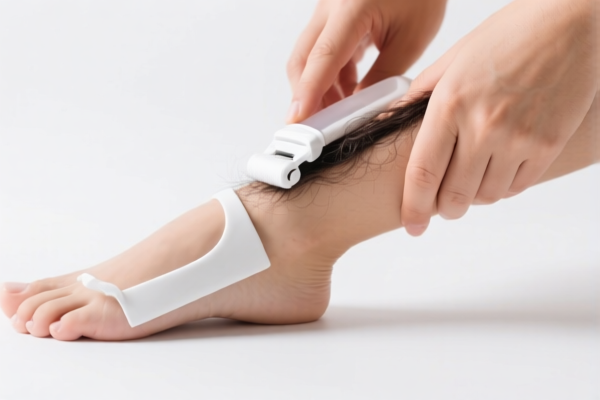
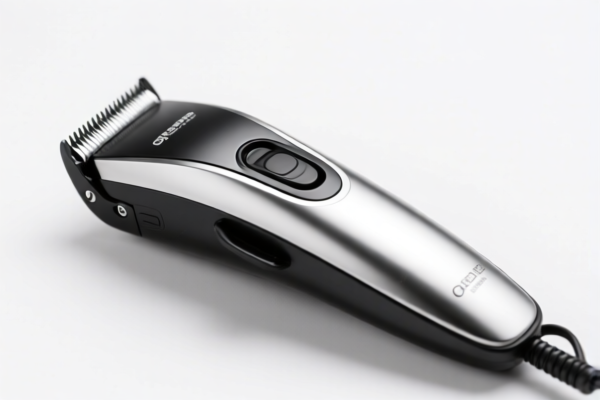
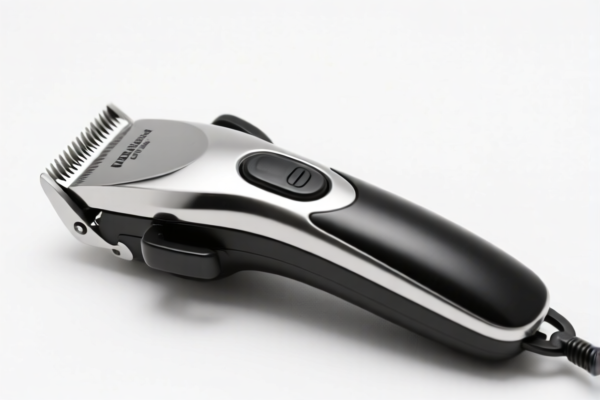
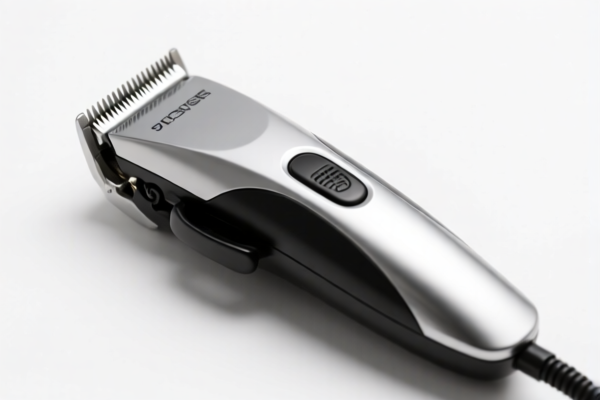
AI Analysis
Hairline Optimizer (in the context of hair systems, wigs, and extensions) refers to a specialized technique, product line, or tool designed to create an undetectable, natural-looking hairline for users of hair replacement systems.
Here is a detailed breakdown of what it entails:
1. Core Function
The primary goal of a hairline optimizer is to eliminate the "wiggy" look where the edge of a hairpiece looks thick, artificial, or distinct from the wearer's natural skin. It ensures the transition between the hair system and the wearer's scalp is seamless.
2. Common Applications & Techniques
- Tinting & Bleaching: Professionals often "optimize" the hairline by lightening (bleaching) the hair at the front or tinting the lace base to match the wearer's skin tone perfectly.
- Knotting/Undetectable Knots: This involves treating the knots where individual hairs are tied to the lace. By bleaching or dyeing these knots, they blend in with the scalp, making them invisible to the naked eye.
- Lace Dissolving/Thinning: Using chemicals or tools to make the lace material at the front edge extremely thin (sometimes called "melting" or "dissolving"), so the base disappears against the skin.
- Adhesive Optimization: Using the right type of adhesive (tape, glue, or liquid) to lay the lace flat and secure it without creating a visible ridge or bubbling at the hairline.
- Customized Hair Density: Trimming or thinning the hair at the very front edge so it mimics the natural density of a human hairline, which is usually sparser than the rest of the hair.
3. Why It's Called an "Optimizer"
It "optimizes" the visual performance of the hair system by: * Maximizing realism. * Minimizing maintenance (reducing the need for frequent touch-ups at the front). * Increasing confidence for the wearer (no one can tell they are wearing a wig).
4. In a Commercial Context (E-commerce/Data)
If you are referring to this term in relation to the HS Code data provided in your previous prompt:
* HS Code 6704.90.00.00 ("Wigs... of other materials") or 6704.19.00.00 (Synthetic) would cover these items.
* A "Hairline Optimizer" is likely a tool (like a specific adhesive, solvent, or bleaching agent used during the fitting process) or a service provided by wig vendors.
* If it is a chemical kit sold separately, it might fall under 3304.99.50.00 (Other beauty preparations) or 3926.90.99.89 (Plastic articles/tools) depending on the physical form (liquid vs. solid kit).
Summary: A Hairline Optimizer is the final, crucial step in applying a wig or hair system to ensure the edge looks 100% natural, effectively "optimizing" the illusion of full hair growth from the scalp.
Customer Reviews
About HS Code Classification
The Harmonized System (HS) is an internationally standardized nomenclature developed by the World Customs Organization (WCO) to classify traded products. Over 200 countries use the HS system as the basis for customs tariffs, trade statistics, and import/export regulations.
Each HS code follows a hierarchical structure:
- Chapter (2 digits) — Broad category of goods (e.g., Chapter 84: Machinery and Mechanical Appliances)
- Heading (4 digits) — More specific grouping within the chapter
- Subheading (6 digits) — Internationally standardized breakdown, used by all WCO member countries
- National subdivisions (8-10 digits) — Country-specific extensions for further classification, such as US HTSUS 10-digit codes
Correct HS code classification is essential for smooth customs clearance, accurate duty payment, and compliance with trade regulations. Misclassification can lead to customs delays, overpayment of duties, or penalties.
When importing from CN to US, the applicable tariff rates may include:
- Most-Favored-Nation (MFN) rate — The standard duty rate applied to WTO members
- General rate — Applied to countries without trade agreements
- Trade remedy duties — Additional tariffs such as Section 301 (anti-dumping), Section 232 (national security), or countervailing duties
The information provided on this page is for reference purposes only. For official classification, please consult with your local customs authority or a licensed customs broker.