half skirt
CN → US| HS Code | Tariff Rate | Origin | Destination | Doc |
|---|---|---|---|---|
| 6204522070 | 25.7% | CN | US | Official Doc |
| 6204533010 | 33.5% | CN | US | Official Doc |
| 6114200060 | 28.3% | CN | US | Official Doc |
| 6114200055 | 28.3% | CN | US | Official Doc |
| 3926209010 | 40.0% | CN | US | Official Doc |
Product Images
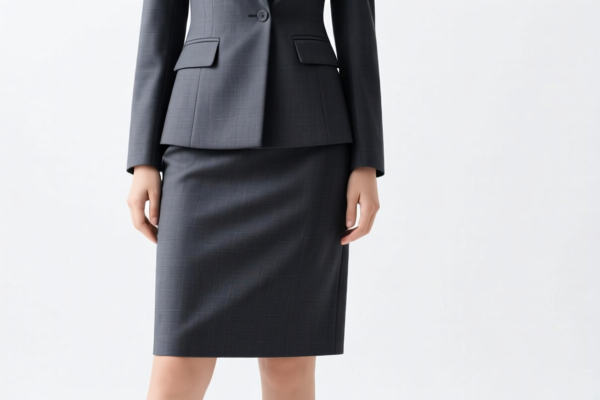

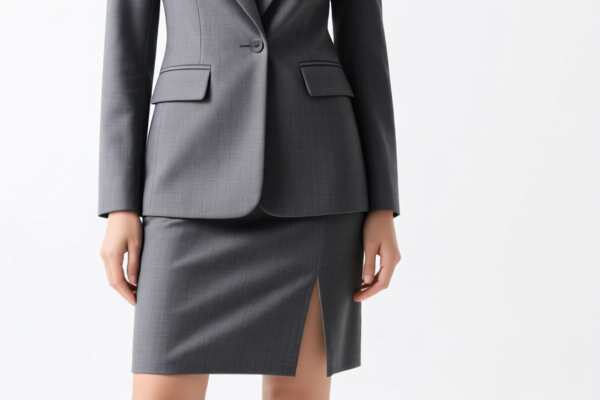

AI Analysis
👗 Women’s Half Skirt (Women's Skirts & Skirt-Blouses)
🌐 HS Code Reference & Customs Clearance Guide | 2026 Latest Tariff Analysis | Professional Clearance Strategy
📌 I. Product Definition & Classification: Do You Really Know "Half Skirts"?
In international trade, "Half Skirts" (Womens' Skirts) are not just simple fabric pieces. Their classification depends strictly on material composition (Cotton vs. Synthetic) and manufacturing method (Woven vs. Knitted). Misclassification can lead to significant tariff differences and customs delays.
⚠️ Key Distinction:
- Cotton Skirts: Generally lower base tariffs but subject to specific section rates.
- Synthetic Fiber Skirts: Higher base tariffs due to the nature of polyester/nylon materials.
- Note: The provided data focuses on Woven skirts (Chapter 62) and related aprons. Knitted skirts (Chapter 61) are listed here primarily for comparison with "Aprons."
📦 II. HS Code Classification Details (2026 Latest Tariff Authority Match)
Based strictly on the provided <DATA>, here are the exact HS Codes and their corresponding tax structures for "Half Skirts" and related items:
| HS Code | Product Summary | Material | Total Tax Rate | Key Tax Components |
|---|---|---|---|---|
6204.52.20.70 |
Women's Half Skirt, Cotton-made | 100% Cotton | 25.7% | Base: 8.2% + Section 301: 7.5% + Section 122: 10% |
6204.53.30.10 |
Women's Half Skirt, Synthetic Fiber-made | Polyester/Nylon/etc. | 33.5% | Base: 16.0% + Section 301: 7.5% + Section 122: 10% |
6114.20.00.60 |
Half Apron, Cotton-made | 100% Cotton | 28.3% | Base: 10.8% + Section 301: 7.5% + Section 122: 10% |
6114.20.00.55 |
Half Apron, Knitted or Crocheted | Any Fiber | 28.3% | Base: 10.8% + Section 301: 7.5% + Section 122: 10% |
3926.20.90.10 |
Half Apron, Plastic Products | PVC/PE etc. | 40.0% | Base: 5.0% + Section 301: 25.0% + Section 122: 10% |
🔍 Important Note:
- The provided data includes "Half Aprons" alongside skirts. If your product is a skirt, strictly use6204.52.20.70(Cotton) or6204.53.30.10(Synthetic).
- If your product is an apron (often confused with half-skirts due to shape), use Chapter 61 (Textile) or Chapter 39 (Plastic).
💰 III. 2026 Latest Tariff Rate Breakdown (Including Additional Taxes)
✅ Applicable Country: United States (US)
✅ Origin: China (CN)
✅ Effective Time: Current trade rules including Section 301 and Section 122 tariffs.
🎯 1. 6204.52.20.70 —— Women's Half Skirt, Cotton
| Item | Detail |
|---|---|
| Base Tariff | 8.2% (Standard MFN rate for cotton skirts) |
| Additional Tariff (Section 301) | +7.5% (Retaliatory tariff on Chinese goods) |
| Section 122 Tariff | +10% (Specific legislative tariff applied to certain textile/apparel items) |
| Total Effective Rate | 25.7% |
| Tax Calculation | CIF Value × 25.7% |
| De Minimis Exemption | ❌ Not Applicable (Textiles generally excluded from de minimis) |
| Legal Basis | HTSUS 6204.52.20.70 + Section 301 Footnotes + Section 122 Authority |
📌 Explanation:
- Cotton skirts have a lower base rate (8.2%) compared to synthetics.
- However, the Section 122 tariff (+10%) is a critical additional cost that must be included in your landed cost calculation.
- Total 25.7% is the final duty burden for cotton half skirts.
🎯 2. 6204.53.30.10 —— Women's Half Skirt, Synthetic Fiber
| Item | Detail |
|---|---|
| Base Tariff | 16.0% (Higher base rate for synthetic textiles) |
| Additional Tariff (Section 301) | +7.5% (Retaliatory tariff on Chinese goods) |
| Section 122 Tariff | +10% (Specific legislative tariff) |
| Total Effective Rate | 33.5% |
| Tax Calculation | CIF Value × 33.5% |
| De Minimis Exemption | ❌ Not Applicable |
| Legal Basis | HTSUS 6204.53.30.10 + Section 301 Footnotes + Section 122 Authority |
📌 Explanation:
- Synthetic fibers (polyester, nylon) face a double base tariff penalty (16.0% vs 8.2%).
- Combined with the same Section 301 and 122 tariffs, the total burden is significantly higher (33.5%).
- Profit Margin Alert: Ensure your pricing model accounts for an extra 7.8% tax burden compared to cotton alternatives.
🛠️ IV. Customs Clearance Practical Advice (Pitfall Avoidance Guide)
✅ 1. Essential Documentation Checklist
| Document | Required | Explanation |
|---|---|---|
| ✅ Product Specification Sheet | ✔️ | Must clearly state: "Women's Half Skirt," Material Composition (e.g., 100% Cotton), and Weave type. |
| ✅ Laboratory Test Report | ✔️ | To prove fiber content (e.g., Cotton vs. Polyester). Customs will test if claims don't match. |
| ✅ Commercial Invoice | ✔️ | Must match HS Code description exactly. Avoid vague terms like "Clothing." Use "Woven Women's Skirt, Cotton." |
| ✅ Packing List | ✔️ | Detail quantities, weights, and dimensions. |
| ✅ Certificate of Origin | ✔️ | Proves origin is China (subject to tariffs). |
✅ 2. Declaration Tips (Critical Mantras)
🔥 "Material Matters, Code Determines Cost!"
| Scenario | Correct Declaration | Incorrect Action | Consequence |
|---|---|---|---|
| Cotton Skirt | 6204.52.20.70 |
Declare as 6204.53 (Synthetic) |
Overpayment or Audit Risk |
| Polyester Skirt | 6204.53.30.10 |
Declare as 6204.52 (Cotton) |
Underpayment Penalty + Back Taxes |
| Blended Fabric | Determine main fiber | Guessing | Customs reclassification + Seizure Risk |
| Apron vs. Skirt | Check design/function | Calling an Apron a Skirt | Wrong HS Code (e.g., 6114 vs 6204) |
✅ 3. Special Situations
| Situation | Handling Advice |
|---|---|
| Mixed Containers | Ensure separate HS codes for Cotton (6204.52...) and Synthetic (6204.53...) items. Do not group them. |
| "Unisex" Skirts | If designed for women, use 6204. If genuinely unisex, verify if Chapter 62.11 applies (often higher tariffs). |
| Samples | Even samples are subject to de minimis rules for textiles in some cases; declare accurately to avoid hold-ups. |
🌍 V. Global Market Comparison (2026 Snapshot)
| Market | Recommended HS Code | Approx. Tariff (China Origin) | Key Requirement |
|---|---|---|---|
| 🇺🇸 USA | 6204.52.20.70 (Cotton) |
25.7% | Section 301 + Section 122 |
| 🇺🇸 USA | 6204.53.30.10 (Synthetic) |
33.5% | Section 301 + Section 122 |
| 🇪🇺 EU | 6204.53.00 (Synthetic) |
~12% | CE Labeling (if apparel), No Section 122 |
| 🇨🇳 China | 6204.53.00 |
~15% | No Retaliatory Tariffs |
| 🇨🇦 Canada | 6204.53.00 |
~12-18% | No Section 301 |
📌 Conclusion:
- The US market is the most expensive for Chinese-origin half skirts due to the additive nature of Section 301 (7.5%) and Section 122 (10%).
- Cotton is cheaper to import than synthetic in the US (25.7% vs 33.5%). Consider material sourcing strategies.
📌 VI. Common Errors & Pitfalls (Blood & Tears Lessons)
❌ Error 1: Labeling a Synthetic Skirt as Cotton to save 7.8% tax
👉 Result: Customs lab test fails → Back taxes + Penalty + Delay.
❌ Error 2: Confusing Half Aprons (6114) with Skirts (6204)
👉 Result: Wrong classification. While aprons also have high tariffs, the HS code structure is different. Misdeclaration leads to audits.
❌ Error 3: Ignoring Section 122 Tariffs
👉 Result: Underquoting landed cost by 10%. This tariff is mandatory for many textile items from China.
✅ Correct Practice:
"Women's Woven Half Skirt, 100% Cotton, Model XYZ, Origin China. HTS: 6204.52.20.70. Tax: 25.7%."
🎯 VII. Conclusion: Precise Classification Saves Money!
🎯 Remember the Mantra:
🔹 "Cotton: 25.7%, Synthetic: 33.5%. Don't guess the fiber!"
🔹 "Section 301 is 7.5%, Section 122 is 10%. Add them up!"
📌 Pro Tip:
If you are importing large volumes, consider:
1. Supply Chain Shift: Sourcing from non-Chinese countries (e.g., Vietnam, Bangladesh) to avoid Section 301 and 122 tariffs.
2. Advance Rulings: Apply for a CBP Advance Ruling to confirm your HS Code before shipment.
📣 Action Item:
📞 Contact your customs broker with your fabric test report.
🚀 Calculate Landed Cost including 25.7% (Cotton) or 33.5% (Synthetic) + freight + insurance.
💼 Profitability Check: If synthetic skirts' profit margin < 33.5% + freight, switch to cotton or other markets!
✨ Professional Clearance Starts with Accurate Codes!
💼 Every percentage point of tax affects your bottom line!
Customer Reviews
About HS Code Classification
The Harmonized System (HS) is an internationally standardized nomenclature developed by the World Customs Organization (WCO) to classify traded products. Over 200 countries use the HS system as the basis for customs tariffs, trade statistics, and import/export regulations.
Each HS code follows a hierarchical structure:
- Chapter (2 digits) — Broad category of goods (e.g., Chapter 84: Machinery and Mechanical Appliances)
- Heading (4 digits) — More specific grouping within the chapter
- Subheading (6 digits) — Internationally standardized breakdown, used by all WCO member countries
- National subdivisions (8-10 digits) — Country-specific extensions for further classification, such as US HTSUS 10-digit codes
Correct HS code classification is essential for smooth customs clearance, accurate duty payment, and compliance with trade regulations. Misclassification can lead to customs delays, overpayment of duties, or penalties.
When importing from CN to US, the applicable tariff rates may include:
- Most-Favored-Nation (MFN) rate — The standard duty rate applied to WTO members
- General rate — Applied to countries without trade agreements
- Trade remedy duties — Additional tariffs such as Section 301 (anti-dumping), Section 232 (national security), or countervailing duties
The information provided on this page is for reference purposes only. For official classification, please consult with your local customs authority or a licensed customs broker.