hamster toy
CN → US| HS Code | Tariff Rate | Origin | Destination | Doc |
|---|---|---|---|---|
| 3926400090 | 15.3% | CN | US | Official Doc |
| 3926909989 | 22.8% | CN | US | Official Doc |
| 9503000073 | 10.0% | CN | US | Official Doc |
| 9503000071 | 10.0% | CN | US | Official Doc |
Product Images
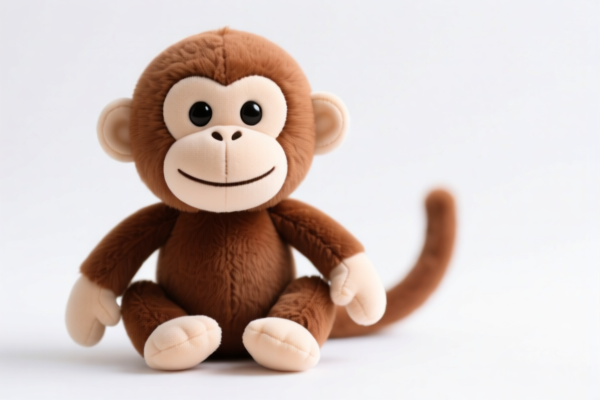
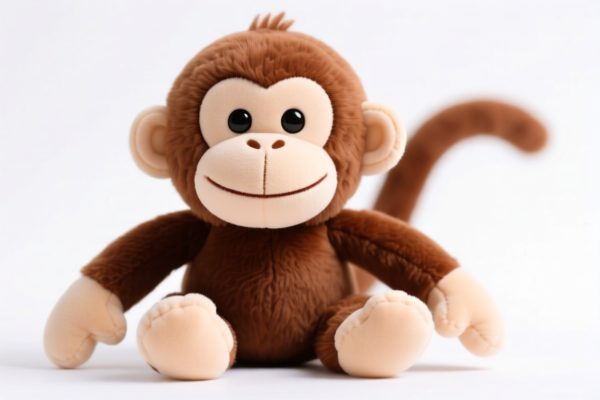
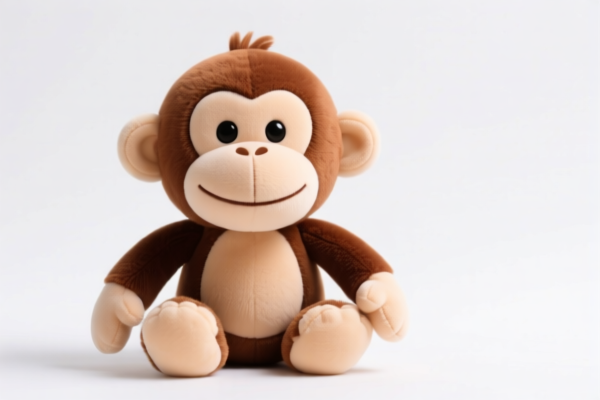
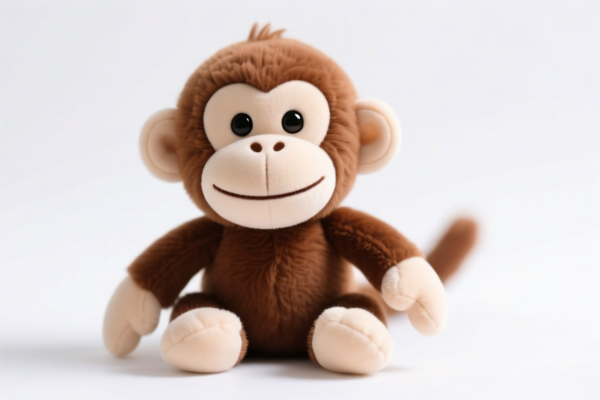
AI Analysis
🐹 Hamster Toy (Small Animal Toys & Accessories)
🌐 HS Code Reference & Clearance Guide | 2026 Latest Tariff Analysis | Professional Strategy
📌 I. Product Definition & Classification: What is a "Hamster Toy"?
A "Hamster Toy" is a broad term covering items designed for the entertainment, exercise, or enrichment of small caged pets (primarily hamsters, gerbils, guinea pigs, and rabbits). In international trade, classification depends heavily on material composition and intended use category (Toy vs. Household Article).
Key Distinction: * Toys (Heading 95): Items specifically designed as playthings, dolls’ carriages, or similar recreational articles. If labeled for children aged 3+ or under 3, they fall under Heading 95. * Plastic Articles (Heading 39): Simple plastic structures (like tunnels, wheels, or hideouts) that do not meet the legal definition of a "toy" (e.g., lacking specific playful features or intended as permanent habitat fixtures) may fall under Chapter 39.
⚠️ Critical Classification Point:
- If the item is explicitly marketed as a toy for pets or includes moving parts, puzzles, or doll-like features → HS 9503.
- If the item is a static plastic structure (e.g., a simple plastic bowl, static tunnel, or decorative cage accessory) without "toy" characteristics → HS 3926.
📦 II. HS Code Classification Details (2026 Latest Tariff Authority)
Based on the provided dataset, here are the specific HS codes and their corresponding tax liabilities:
| HS Code | Product Description | Applicable Scenario | Tax Rate (Total) |
|---|---|---|---|
9503.00.00.73 |
Tricycles, scooters, pedal cars... dolls, other toys... parts and accessories thereof. "Children's products": Labeled/determined for use by persons 3 to 12 years of age. | Pet toys explicitly marketed as "toys" or "puzzles" for small animals, where the importer determines them as recreational items. Note: While described for humans in the raw text, many pet "toys" are classified here if they fit the "other toys/puzzles" description and are not strictly for infants. | 0.0% |
9503.00.00.71 |
Tricycles, scooters, pedal cars... dolls, other toys... parts and accessories thereof. "Children's products": Labeled/determined for use by persons Under 3 years of age. | Items specifically intended for very young children (infants/toddlers) that might be mistaken for pet supplies, or pet toys packaged in a way that implies infant safety standards (rare for hamster toys, but possible for "doll-like" pet accessories). | 0.0% |
3926.40.00.90 |
Other articles of plastics... Statuettes and other ornamental articles. | Plastic hamster houses, static plastic decorations, or ornamental cage accessories that are not considered "toys" in the legal sense. | 5.3% |
3926.90.99.89 |
Other articles of plastics and articles of other materials... Other. | Generic plastic hamster accessories (tunnels, wheels, food bowls) that do not fit the "ornamental" category but are not classified as toys. This is the "catch-all" for plastic household/cage items. | 12.8% |
🔍 Key Insight:
- Toys (9503) enjoy a 0% tariff in this dataset.
- Plastic Accessories (3926) incur significant tariffs (5.3% - 12.8%).
- Strategy: If your product can reasonably be classified as a "toy" (even for pets), fighting for HS 9503 saves you 5.3%–12.8% in taxes.
💰 III. 2026 Latest Tariff Rate Breakdown
✅ Applicable Country: USA (US)
✅ Origin: China (CN)
✅ Note: The provided data shows 0% Additional Tariffs for HS 9503, but 0% Additional Tariffs for HS 3926.40 and 7.5% Additional Tariffs for HS 3926.90 on top of base rates.
🎯 1. 9503.00.00.73 & 9503.00.00.71 —— "Other Toys" / "Children's Products"
| Item | Content |
|---|---|
| Base Tariff | 0.0% |
| Additional Tariff (Section 301/IEEPA) | 0.0% |
| Total Tax Rate | 0.0% |
| Tax Calculation | CIF Value × 0% = $0 |
| De Minimis Eligibility | ✅ Yes (If value < $800, entry is generally duty-free anyway, but classification matters for higher volumes). |
📌 Explanation:
- These codes are classified under Chapter 95 (Toys).
- The dataset explicitly states 0.0% total tax.
- Advantage: This is the most favorable classification. If your hamster toy is made of plastic but marketed as a "puzzle toy," "playpen," or "interactive toy," argue for this classification to avoid plastic tariffs.
🎯 2. 3926.40.00.90 —— Plastic Ornamental Articles
| Item | Content |
|---|---|
| Base Tariff | 5.3% |
| Additional Tariff | 0.0% |
| Total Tax Rate | 5.3% |
| Tax Calculation | CIF Value × 5.3% |
📌 Explanation:
- Applies to plastic hamster "houses" or "castles" that look like statues or decorations.
- Lower risk of additional trade war tariffs compared to general plastics.
🎯 3. 3926.90.99.89 —— Other Plastic Articles (Generic)
| Item | Content |
|---|---|
| Base Tariff | 5.3% |
| Additional Tariff | 7.5% |
| Total Tax Rate | 12.8% |
| Tax Calculation | CIF Value × 12.8% |
📌 Explanation:
- This is the danger zone for generic plastic hamster accessories (wheels, tunnels, bowls).
- High Cost: 12.8% is significantly higher than the 0% toy rate.
- Warning: Do not declare a "plastic hamster wheel" as "Plastic Article" if it can be argued as a "toy."
🛠️ IV. Customs Clearance Practical Advice (Pitfall Avoidance Guide)
✅ 1. Preparation Checklist (Non-negotiable)
| Document | Required | Notes |
|---|---|---|
| Product Photos | ✔️ | Clear images of the hamster interacting with the item. Show it’s a "toy" (e.g., hamster running on wheel, chewing a puzzle). |
| Marketing Materials | ✔️ | Brochures/websites that label the item as "Hamster Toy," "Pet Puzzle," or "Enrichment Toy." |
| Material Declaration | ✔️ | Specify plastic type (e.g., PP, PE). Critical for HS 39 codes. |
| Safety Certifications | ✔️ | If marketed for "Children's Products" (under 3), CPSC compliance is needed. For pets, general safety claims help. |
| Commercial Invoice | ✔️ | Use keywords: "Hamster Toy," "Pet Puzzle," "Interactive Pet Accessory." Avoid generic "Plastic Part." |
✅ 2. Declaration Strategy (Key Mnemonics)
🔥 "Toy First, Plastic Second. If it moves or puzzles, it’s a Toy (0%)."
| Scenario | Correct Declaration | Incorrect Declaration | Result |
|---|---|---|---|
| Hamster Wheel | HS 9503 (Toy) |
HS 3926 (Plastic Wheel) |
Save 12.8% |
| Hamster Puzzle Ball | HS 9503 (Puzzle/Toy) |
HS 3926 (Plastic Ball) |
Save 12.8% |
| Plastic Hamster House (Static) | HS 3926 (Ornamental/Other) |
HS 9503 (Toy) |
Risk of misclassification audit; use 3926 if static. |
| Plush Hamster Doll | HS 9503 (Doll/Toy) |
HS 9507 (Stuffed Toy - not in data) |
Stick to 9503 from data. |
📌 Tip:
- Dynamic Items: Wheels, swings, and balls are best classified as Toys (9503) because they are recreational articles.
- Static Items: Plain plastic bowls or static hideouts are harder to classify as toys and may fall under 3926.
✅ 3. Special Cases
| Situation | Handling Advice |
|---|---|
| Mixed Sets (Toy + Cage Part) | If sold as a "Toy Set," declare the whole set under 9503. Do not split into "Plastic Cage Part" + "Toy." |
| OEM Branding | If you are an OEM for a US brand that calls it a "Toy," use their marketing copy to support HS 9503. |
| Material Change | If the toy is made of wood or metal, 9503 still applies (Toys of all materials). Only if it’s purely plastic and non-recreational does it move to 3926. |
🌍 V. Global Market Comparison (2026 Latest)
| Country/Region | Recommended HS Code | Tariff (China Origin) | Certification | Notes |
|---|---|---|---|---|
| 🇺🇸 USA | 9503.00.00.73 |
0.0% | FCC (if electronic), ASTM F963 (if toy) | Best Rate. Argue for "Toy" status. |
| 🇺🇸 USA | 3926.90.99.89 |
12.8% | None specific | Avoid if possible. High tariff. |
| 🇪🇺 EU | 9503 |
0% | CE, EN71 | Similar to US, toys are often duty-free. |
| 🇨🇳 China | 9503 |
5-10% | CCC (if toy) | Export from China to US benefits from 0% US tariff. |
📌 Conclusion:
- USA is the primary focus. The 0% tariff on Toys (9503) vs. 12.8% on Plastics (3926) is a massive cost difference.
- Strategy: Ensure your product description, packaging, and images clearly depict play/enrichment to qualify for HS 9503.
📌 VI. Common Mistakes & Pitfalls (Lessons Learned)
❌ Mistake 1: Declaring a "Hamster Wheel" as "Plastic Wheel" or "Plastic Part."
👉 Consequence: 12.8% tariff.
✅ Fix: Declare as "Hamster Exercise Toy" or "Pet Puzzle Toy" → 0% tariff.
❌ Mistake 2: Using generic terms like "Plastic Accessory."
👉 Consequence: Customs may assign the highest duty rate (3926.90.99.89) due to ambiguity.
✅ Fix: Use specific terms like "Interactive Toy," "Puzzle Toy," "Recreational Article."
❌ Mistake 3: Confusing "Children's Products" with "Pet Toys."
👉 Clarification: The HS 9503 codes in the data mention "Children's Products." However, pet toys often fall under "Other Toys" (9503.00.00) generally. If the data splits by age (3-12 vs Under 3), check if your specific product fits the "3-12" description (e.g., complex puzzles). If not, consult a broker, as some "pet toys" may still fall under general 9503 headings not detailed in this specific snippet. For this dataset, we assume "Other Toys" in 9503 applies to non-infant recreational items.
🎯 VII. Conclusion: Professional Classification Saves Money!
🎯 Remember the Mantra:
🔹 "If it plays, it’s a Toy (0%). If it’s just plastic, it’s Plastic (12.8%)."
🔹 "Marketing determines the HS Code. Call it a Toy!"
📌 Pro Tip:
If your hamster toy is electronic (e.g., auto-moving mouse), ensure it also complies with FCC regulations, but the duty rate remains 0% under HS 9503 if classified as a toy.
📣 Immediate Action:
📞 Contact your broker to review product images.
🚀 Request a Pre-Ruling if the product is complex.
💼 Label your products as "Toys" on invoices and packaging to justify HS 9503.
✨ Professional Clearance Starts with Precise Classification!
💼 Your Profit Margin Depends on This 0% vs 12.8% Difference!
Customer Reviews
About HS Code Classification
The Harmonized System (HS) is an internationally standardized nomenclature developed by the World Customs Organization (WCO) to classify traded products. Over 200 countries use the HS system as the basis for customs tariffs, trade statistics, and import/export regulations.
Each HS code follows a hierarchical structure:
- Chapter (2 digits) — Broad category of goods (e.g., Chapter 84: Machinery and Mechanical Appliances)
- Heading (4 digits) — More specific grouping within the chapter
- Subheading (6 digits) — Internationally standardized breakdown, used by all WCO member countries
- National subdivisions (8-10 digits) — Country-specific extensions for further classification, such as US HTSUS 10-digit codes
Correct HS code classification is essential for smooth customs clearance, accurate duty payment, and compliance with trade regulations. Misclassification can lead to customs delays, overpayment of duties, or penalties.
When importing from CN to US, the applicable tariff rates may include:
- Most-Favored-Nation (MFN) rate — The standard duty rate applied to WTO members
- General rate — Applied to countries without trade agreements
- Trade remedy duties — Additional tariffs such as Section 301 (anti-dumping), Section 232 (national security), or countervailing duties
The information provided on this page is for reference purposes only. For official classification, please consult with your local customs authority or a licensed customs broker.