handbags
CN → US| HS Code | Tariff Rate | Origin | Destination | Doc |
|---|---|---|---|---|
| 4202224020 | 42.4% | CN | US | Official Doc |
| 4602192920 | 40.3% | CN | US | Official Doc |
| 4602112100 | 41.2% | CN | US | Official Doc |
| 4202228980 | 52.6% | CN | US | Official Doc |
| 6305330080 | 25.9% | CN | US | Official Doc |
Product Images
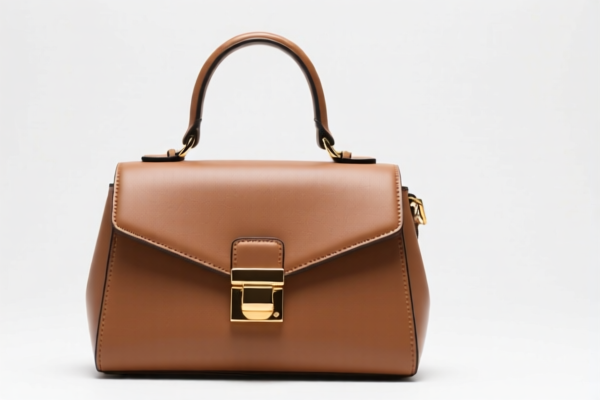
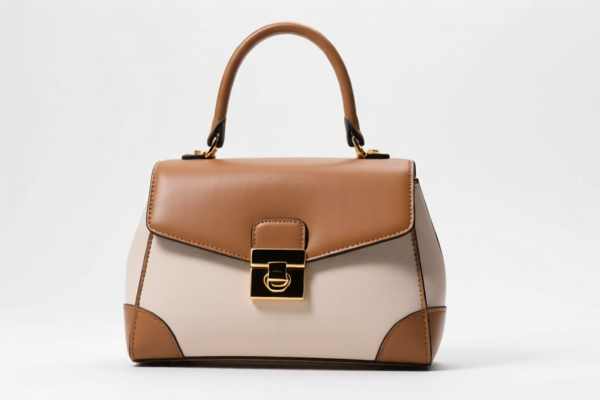
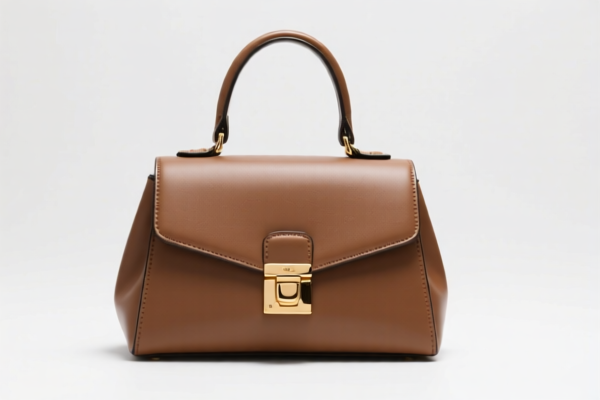
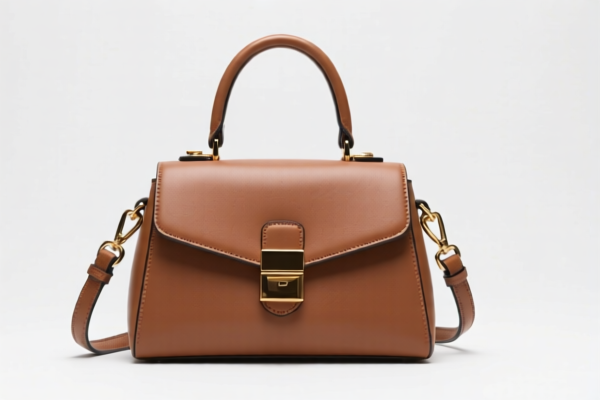
AI Analysis
👜 Handbags (Woven & Textile Bags for Retail Sale)
🌐 HS Code Reference & Customs Clearance Guide | 2026 Latest Tariff Analysis | Professional Strategy 📌 I. Product Definition & Classification: Are You Sure What You’re Shipping?
Handbags are versatile accessories used for personal storage, fashion, and daily utility. In international trade, specifically under US Customs (HTSUS), they are strictly categorized by material composition and construction method. Misclassification often leads to severe penalties or excessive duty rates due to Section 301 and Section 122 tariffs.
1. Woven Materials (Non-Plastic/Non-Fabric): Includes bags made from natural fibers (bamboo, rattan, straw, vegetable materials). 2. Woven Textiles/Other Materials: Includes bags made from man-made fibers (polyester, nylon) or unspecified textile blends. 3. Artificial Textiles: Includes bags made from synthetic woven fabrics (e.g., non-woven synthetic, artificial textile materials).
⚠️ Key Distinction Point: - If the bag is made of plant materials (bamboo, rattan, straw) and woven → It falls under Chapter 46 (Woven articles of vegetable materials). - If the bag is made of textile fabrics (woven or non-woven) → It falls under Chapter 42 (Articles of leather; saddlery and harness) or Chapter 63 (Other made up textile articles). - Crucial: The material definition drives the HS Code, which directly dictates the Total Tax Rate.
📦 II. HS Code Classification Details (2026 Latest Tariff Authority)
| HS Code | Product Description | Material Composition | Total Tax Rate |
|---|---|---|---|
4202.22.40.20 |
Woven handbags, material is woven material | Generic woven material (not specified as plant/vegetable) | 42.4% |
4602.19.29.20 |
Woven handbags, made of vegetable material weaving products | Vegetable-based (e.g., straw, grass) | 40.3% |
4602.11.21.00 |
Woven handbags, material is bamboo, rattan, etc. | Specific plant materials (Bamboo, Rattan) | 41.2% |
4202.22.89.80 |
Woven handbags or women's purses, material is textile or other unspecified | Textile fabrics or general "other" materials | 52.6% |
6305.33.00.80 |
Handbags, material is artificial textile material | Artificial/Synthetic textile | 25.9% |
🔍 Critical Reminder: - Bamboo/Rattan bags (
4602.11.21.00) have a lower base tariff (6.2%) compared to generic woven materials (4202.22.40.20, 7.4%). - Artificial Textile bags (6305.33.00.80) benefit from significantly lower Section 301 additional tariffs (7.5% vs 25%), resulting in the lowest total tax among the listed options. - Generic/Unspecified (4202.22.89.80) carries the highest base tariff (17.6%) and highest total tax (52.6%).
💰 III. 2026 Latest Tariff Rate Breakdown (Including Additional Taxes & Policy Surcharges)
✅ Applicable Country: United States (US) ✅ Origin: China (CN) ✅ Effective Time: Current enforcement period (post-2025 adjustments)
🎯 1. 4202.22.40.20 — Woven Handbags, Woven Material
| Item | Detail |
|---|---|
| Base Tariff | 7.4% (ad valorem) |
| Section 301 Additional Tariff | +25.0% (US Trade Act Section 301) |
| Section 122 Tariff | +10.0% (Under 19 U.S.C. 1304 or specific import relief measures) |
| Total Tax Rate | 42.4% |
| Tax Calculation | CIF Value × 42.4% |
| De Minimis Eligibility | ❌ NO (Must declare and pay duties) |
| Legal Basis Path | HTSUS:4202.22 → USITC:Section 301 → IEEPA:Section 122 |
📌 Explanation: - The 7.4% base is standard for woven articles of leather or substitutes. - The 25% Section 301 is the standard "China Penalty" on most consumer goods. - The 10% Section 122 applies to specific import relief programs. - Total: 42.4%. High cost, requires precise material documentation.
🎯 2. 4602.19.29.20 — Woven Handbags, Vegetable Material
| Item | Detail |
|---|---|
| Base Tariff | 5.3% |
| Section 301 Additional Tariff | +25.0% |
| Section 122 Tariff | +10.0% |
| Total Tax Rate | 40.3% |
| Tax Calculation | CIF Value × 40.3% |
| De Minimis Eligibility | ❌ NO |
| Legal Basis Path | HTSUS:4602.19 → USITC:Section 301 → IEEPA:Section 122 |
📌 Note: - Vegetable materials (straw, etc.) have a lower base tariff (5.3%) than generic woven materials. - However, they still face the full 25% Section 301 tariff. - Savings: ~2.1% lower than
4202.22.40.20.
🎯 3. 4602.11.21.00 — Woven Handbags, Bamboo/Rattan
| Item | Detail |
|---|---|
| Base Tariff | 6.2% |
| Section 301 Additional Tariff | +25.0% |
| Section 122 Tariff | +10.0% |
| Total Tax Rate | 41.2% |
| Tax Calculation | CIF Value × 41.2% |
| De Minimis Eligibility | ❌ NO |
| Legal Basis Path | HTSUS:4602.11 → USITC:Section 301 → IEEPA:Section 122 |
📌 Note: - Bamboo and rattan are specific sub-categories of vegetable materials. - Base tariff is 6.2%, higher than straw (
4602.19.29.20) but lower than generic woven (4202.22.40.20). - Total: 41.2%. Middle-tier cost.
🎯 4. 4202.22.89.80 — Woven Handbags, Textile/Other
| Item | Detail |
|---|---|
| Base Tariff | 17.6% |
| Section 301 Additional Tariff | +25.0% |
| Section 122 Tariff | +10.0% |
| Total Tax Rate | 52.6% |
| Tax Calculation | CIF Value × 52.6% |
| De Minimis Eligibility | ❌ NO |
| Legal Basis Path | HTSUS:4202.22 → USITC:Section 301 → IEEPA:Section 122 |
📌 Warning: - This code is used for "other" woven handbags, often implying textile fabrics not covered elsewhere. - Base tariff is very high (17.6%). - Total: 52.6%. This is the most expensive classification. Avoid unless the material genuinely fits this "other" category and cannot be classified as artificial textile (
6305.33.00.80).
🎯 5. 6305.33.00.80 — Handbags, Artificial Textile Material
| Item | Detail |
|---|---|
| Base Tariff | 8.4% |
| Section 301 Additional Tariff | +7.5% (Significantly Lower!) |
| Section 122 Tariff | +10.0% |
| Total Tax Rate | 25.9% |
| Tax Calculation | CIF Value × 25.9% |
| De Minimis Eligibility | ❌ NO |
| Legal Basis Path | HTSUS:6305.33 → USITC:Section 301 (Footnote) → IEEPA:Section 122 |
📌 Key Advantage: - Artificial textile materials (synthetic weaves, non-wovens) qualify for a reduced Section 301 rate of 7.5% instead of 25%. - Base tariff: 8.4%. - Total: 25.9%. This is the LOWEST total tax rate among all listed codes. - Strategy: If your handbag is made of synthetic textile fabric (e.g., polyester weave, nylon), strictly classify under
6305.33.00.80to save nearly 27% in duties compared to generic textile handbags (4202.22.89.80).
🛠️ IV. Customs Clearance Practical Advice (Pitfall Avoidance Guide)
✅ 1. Required Documentation Checklist
| Document | Mandatory? | Description |
|---|---|---|
| ✅ Material Composition Statement | ✔️ | Must specify if vegetable (bamboo, straw) or artificial textile (polyester, nylon). This is the most critical document. |
| ✅ Product Photos | ✔️ | Clear images showing texture, weave type, and lining. |
| ✅ Commercial Invoice | ✔️ | Clearly state "Handbag" and material type (e.g., "Woven Bamboo Bag" vs. "Artificial Textile Bag"). |
| ✅ Packing List | ✔️ | Weight and dimensions. |
| ✅ Supply Chain Proof | ✔️ | Supplier declaration to prove origin and material source. |
✅ 2. Declaration Tips (Key Mantra)
🔥 “Material Defines Code, Section 301 Defines Cost!”
| Scenario | Correct HS Code | Wrong Approach | Consequence |
|---|---|---|---|
| Bamboo/Rattan Bag | 4602.11.21.00 |
Report as "Textile Bag" | Overpay by ~11.4% (52.6% vs 41.2%) |
| Straw/Grass Bag | 4602.19.29.20 |
Report as "Woven Material" | Overpay by ~2.1% (42.4% vs 40.3%) |
| Synthetic Textile Bag | 6305.33.00.80 |
Report as "Other Woven" (4202.22.89.80) |
Overpay by 26.7% (52.6% vs 25.9%) |
| Generic Woven Bag | 4202.22.40.20 |
Vague description "Bag" | Risk of audit, potential reclassification to higher tax |
📌 Critical Insight: - Do NOT use
4202.22.89.80(52.6%) if the bag is made of artificial textile. Use6305.33.00.80(25.9%) instead. The Section 301 difference (25% vs 7.5%) is the biggest cost saver. - Ensure the Section 122 10% is accounted for in all calculations as per current enforcement.
✅ 3. Special Cases
| Case | Handling Suggestion |
|---|---|
| Mixed Materials | If a bag has a bamboo frame but textile lining, the primary material determines the code. If primarily woven structure → Chapter 46. If primarily textile structure → Chapter 63 or 42. |
| Lining Content | Lining material is generally ignored unless it constitutes the major structural component. |
| Hardware (Zippers/Handles) | Considered accessories. Do not change the HS Code unless the hardware itself is the primary feature (rare for handbags). |
| De Minimis (Section 321) | ❌ Not Applicable. All listed HS Codes for handbags are excluded from the $800 de minimis exemption if originating from China due to Section 301/122 enforcement. Full duties apply. |
🌍 V. Global Market Comparison (2026 Update)
| Region | Recommended HS Code | Key Tariff Factor | Note |
|---|---|---|---|
| 🇺🇸 USA | See Table II above | High (25.9% - 52.6%) | Section 122 + 301 apply. Material choice is critical. |
| 🇨🇳 China | 4202 / 4602 / 6305 | 5% - 10% | No Section 301/122. Import duties are lower. |
| 🇪🇺 EU | 4202 / 4602 / 6305 | 0% - 12% | No Section 122. Tariffs vary by material. |
| 🇬🇧 UK | 4202 / 4602 / 6305 | 0% - 12% | Post-Brexit tariffs apply. No Section 301. |
📌 Conclusion: - The USA is the most complex and costly market for handbags due to Section 301 (25% or 7.5%) and Section 122 (10%). - Material declaration accuracy is the single most important factor in reducing US import costs.
📌 VI. Common Errors & Pitfalls (Lessons Learned)
❌ Error 1: Classifying a synthetic textile bag as "Woven Handbag" (4202.22.89.80).
👉 Consequence: Paying 52.6% tax instead of 25.9%. Loss: ~27% of product value.
❌ Error 2: Ignoring Section 122. 👉 Consequence: Underpaying customs by 10%. Risk of penalties, interest, and shipment detention.
❌ Error 3: Assuming De Minimis applies. 👉 Consequence: Small packages from China are not exempt from duties. Failure to declare leads to seizure.
❌ Error 4: Vague descriptions ("Bag"). 👉 Consequence: Customs assigns the highest default rate or requests expensive classification services.
✅ Correct Practice:
"Woven Handbag, Made of Bamboo Strips, with Leather Lining, Model ABC" →
4602.11.21.00"Handbag, Made of Polyester Woven Fabric, Model XYZ" →6305.33.00.80
🎯 VII. Conclusion: Smart Classification Saves Money
🎯 Remember the Mantra:
🔹 "Artificial Textile = 25.9% (Save Big!)"
🔹 "Bamboo/Rattan = 41.2%"
🔹 "Straw = 40.3%"
🔹 "Generic/Other = 52.6% (Avoid!)"
📌 Pro Tip:
If your handbag is made of synthetic woven fabric, insist on using 6305.33.00.80. The 17.5% savings in Section 301 tariffs alone makes it the most cost-effective classification. Always provide material test reports to support the "Artificial Textile" claim.
📣 Immediate Action:
📞 Consult a Customs Broker to verify material classification. 📄 Ensure Invoice States Material Type (e.g., "Artificial Textile" vs. "Woven Bamboo"). 🚀 Calculate Landed Cost using the correct HS Code to ensure profitability.
✨ Professional Clearance Starts with Accurate Classification! 💼 Every 1% of Duty Saved is 1% More Profit!
Customer Reviews
About HS Code Classification
The Harmonized System (HS) is an internationally standardized nomenclature developed by the World Customs Organization (WCO) to classify traded products. Over 200 countries use the HS system as the basis for customs tariffs, trade statistics, and import/export regulations.
Each HS code follows a hierarchical structure:
- Chapter (2 digits) — Broad category of goods (e.g., Chapter 84: Machinery and Mechanical Appliances)
- Heading (4 digits) — More specific grouping within the chapter
- Subheading (6 digits) — Internationally standardized breakdown, used by all WCO member countries
- National subdivisions (8-10 digits) — Country-specific extensions for further classification, such as US HTSUS 10-digit codes
Correct HS code classification is essential for smooth customs clearance, accurate duty payment, and compliance with trade regulations. Misclassification can lead to customs delays, overpayment of duties, or penalties.
When importing from CN to US, the applicable tariff rates may include:
- Most-Favored-Nation (MFN) rate — The standard duty rate applied to WTO members
- General rate — Applied to countries without trade agreements
- Trade remedy duties — Additional tariffs such as Section 301 (anti-dumping), Section 232 (national security), or countervailing duties
The information provided on this page is for reference purposes only. For official classification, please consult with your local customs authority or a licensed customs broker.