handheld frequency meter
CN → US| HS Code | Tariff Rate | Origin | Destination | Doc |
|---|---|---|---|---|
| 9030333800 | 35.0% | CN | US | Official Doc |
| 9030310000 | 35.0% | CN | US | Official Doc |
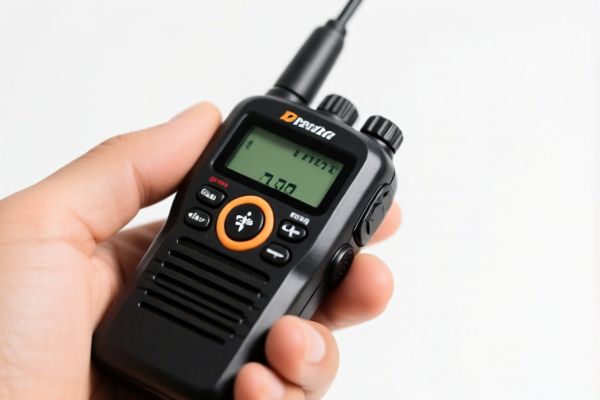
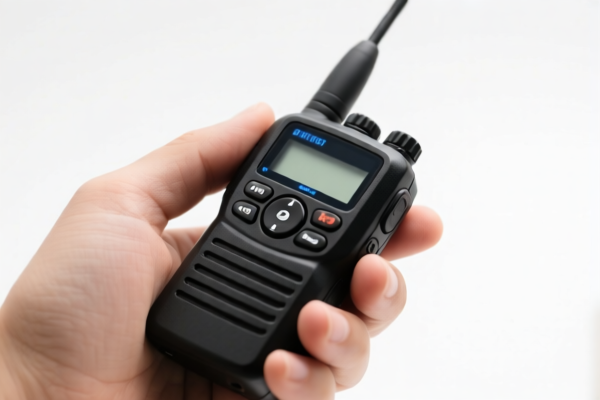
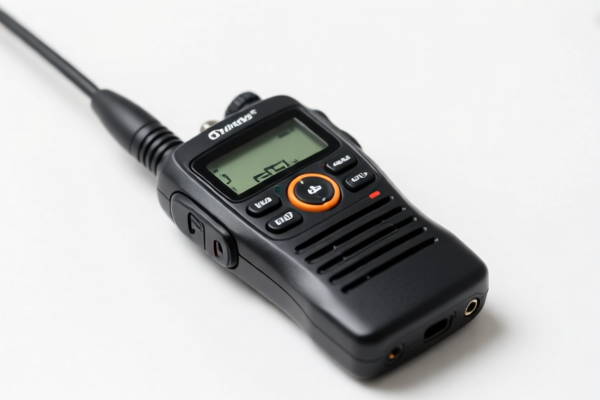
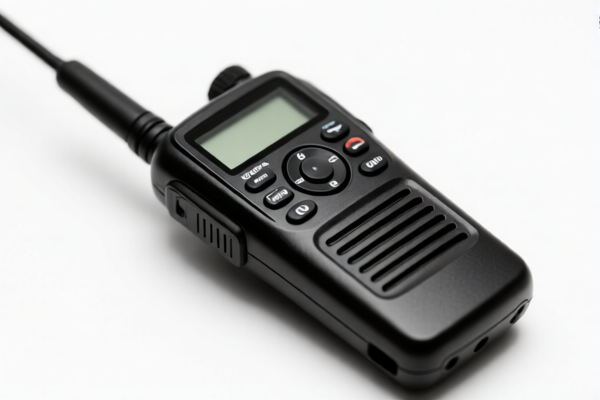
Product Images
AI Analysis
📡 Handheld Frequency Meter (手持式频率计)
🌐 HS Code Reference & Customs Clearance Guide | 2026 Latest Tariff Analysis | Professional Compliance Strategy
📌 I. Product Definition & Classification: What is a "Handheld Frequency Meter"?
A Handheld Frequency Meter is a portable electronic instrument used to measure the frequency of electrical signals (typically in the radio, audio, or microwave frequency ranges). In international trade, these devices fall under Chapter 90 (Optical, photographic, cinematographic, measuring, checking, precision, medical or surgical instruments and apparatus).
Key Distinction for Classification: The critical factor for Customs is what the instrument measures and how it is described in the Harmonized System (HS) Nomenclature. * Electrical Quantities vs. Ionizing Radiation: It is not a radiation detector. * Voltage/Current vs. General Measurement: Is it specifically for measuring voltage, current, resistance, or power? Or is it a general-purpose instrument?
⚠️ Critical Classification Logic: - If the device is explicitly described as a Multimeter (capable of measuring voltage, current, resistance) → It falls under 9030.31. - If the device is a general Frequency Meter/Spectrum Analyzer/Oscilloscope for checking electrical quantities but not primarily a multimeter → It falls under 9030.33.
📦 II. HS Code Classification Details (Based on Provided DATA)
According to the provided data, there are two possible HS Codes depending on the specific function and description of the handheld unit.
| HS Code | Product Description | Key Characteristics | Tax Rate |
|---|---|---|---|
| 9030.33.38.00 | Other instruments and apparatus, for measuring or checking voltage, current, resistance or power (other than multimeters): Other, without a recording device. | General Purpose Electrical Instrument. Includes frequency meters, oscilloscopes, spectrum analyzers. • Does not have a recording device. • Is not classified as a multimeter. |
25.0% (0% Base + 25% Additional) |
| 9030.31.00.00 | Other instruments and apparatus, for measuring or checking voltage, current, resistance or power: Multimeters, without a recording device. | Multimeter Functionality. If the handheld device is explicitly a multimeter (measuring V, A, Ω, etc.), it may qualify here. | 25.0% (0% Base + 25% Additional) |
🔍 Clarification: The provided data shows both codes have the same total tax rate of 25.0%. However, misclassification can lead to audits, delays, or penalties if the physical description contradicts the HS code description. - 9030.33.38.00 is the safer, more general category for a "Frequency Meter" specifically, as it captures "Other instruments... for measuring... electrical quantities" excluding meters of 9028 (electrical energy meters) and excluding multimeters. - 9030.31.00.00 is strictly for Multimeters. If your "Frequency Meter" only measures frequency and not voltage/current/resistance, it should not be classified as a multimeter.
💰 III. 2026 Tariff Rate Breakdown
✅ Applicable Market: United States (US)
✅ Origin: Likely China (based on typical 25% additional duty context)
✅ Total Tax Rate: 25.0%
🎯 Tax Structure Explanation
| Component | Rate | Source / Explanation |
|---|---|---|
| Basic Duty (MFN) | 0.0% | Most frequency meters and general electrical test equipment have a base duty rate of 0% under US HTSUS. |
| Section 301 Additional Duty | +25.0% | Applied to goods from China classified under these HS codes. This is the primary cost driver. |
| Total Effective Rate | 25.0% | Sum of Base + Additional. |
📌 Important Note:
The tax is calculated on the CIF Value (Cost, Insurance, and Freight).
Formula:Duty Payable = CIF Value × 25.0%
🛠️ IV. Customs Clearance Practical Advice
✅ 1. Documentation Checklist (Ensure Accuracy)
| Document | Requirement | Why It Matters |
|---|---|---|
| Commercial Invoice | Must clearly state: "Handheld Frequency Meter", Model Number, and Function. | Avoids vague descriptions like "Electronic Device" which trigger manual exams. |
| Technical Specification Sheet | Must confirm: 1. Measures Frequency. 2. Does not record data (no printer/USB logging if claiming "without recording device"). 3. If it measures Voltage/Current/Resistance, label it as a Multimeter. |
Determines between 9030.33 (General) and 9030.31 (Multimeter). |
| Product Photographs | Show the device, screen, and buttons. | Helps Customs officers verify it is a handheld, non-recording instrument. |
| Certifications | FCC (US), CE (EU), etc. | Required for electronic imports. Lack of FCC may cause rejection. |
✅ 2. Declaration Tips (Avoid Pitfalls)
🔥 Rule of Thumb:
"Be Specific: 'Frequency Meter', not 'Multimeter' unless it measures V/A/Ω!"
| Scenario | Recommended HS Code | Risk if Incorrect |
|---|---|---|
| Device only measures frequency | 9030.33.38.00 | Misclassifying as multimeter may raise questions about functionality. |
| Device is a Multimeter (V/A/Ω) | 9030.31.00.00 | If declared as 9030.33, Customs may reclassify it, but duty rate is same here. |
| Device has recording capability (e.g., SD card, USB data logging) | DO NOT USE THIS DATA | The provided HS codes are for "without a recording device". Recording devices fall under different subheadings (e.g., 9030.33.30.xx) with potentially different duties. |
✅ 3. Special Considerations
- "Without Recording Device": Ensure your product does not have built-in memory, SD card slots for data export, or USB data transfer modes intended for logging. If it does, it is not "without a recording device," and the provided HS codes may be invalid.
- OEM/White Label: If you are the importer of record, ensure the brand name on the device matches the invoice. Mismatches can cause delays.
- Valuation: Ensure the declared value includes shipping and insurance (CIF). Under-declaring value to reduce duty is high-risk.
🌍 V. Global Market Comparison (Brief Overview)
| Market | Typical HS Code | Duty Rate (China Origin) | Notes |
|---|---|---|---|
| 🇺🇸 USA | 9030.33.38.00 / 9030.31.00.00 | 25.0% | Includes 25% Section 301 tariff. |
| 🇨🇳 China (Import) | 9030.33.38.00 / 9030.31.00.00 | ~6-10% | Check latest Chinese HS duty schedule. No Section 301. |
| 🇪🇺 EU | 9030.33.90 / 9030.31.90 | 0% | Standard EU duty is often 0% for these instruments. No EU Section 301 equivalent. |
| 🇬🇧 UK | 9030.33.90 / 9030.31.90 | 0% | Post-Brexit tariffs may vary, but often 0% for precision instruments. |
📌 Conclusion:
The 25% additional duty is specific to US-China trade tensions. If you are shipping to other markets, the cost may be significantly lower.
📌 VI. Common Mistakes & Avoidance
❌ Mistake 1: Declaring a Data-Logging Frequency Meter as "Without Recording Device."
👉 Result: Customs rejection, reclassification to a higher-duty category, or seizure.
👉 Fix: Verify if the device has data export capabilities. If yes, consult a customs broker for the correct "with recording device" HS code.
❌ Mistake 2: Using "Multimeter" for a device that only measures frequency.
👉 Result: Functional mismatch. While duty is the same, it may trigger an inspection to verify if it can measure resistance/voltage.
👉 Fix: Accurately describe the primary function. If it only measures frequency, use 9030.33.38.00.
❌ Mistake 3: Ignoring the FCC Certification requirement.
👉 Result: CBP (US Customs) may block entry if the equipment is an electronic device emitting radio frequencies without FCC ID proof.
👉 Fix: Include FCC ID or certification letter in commercial documents.
🎯 VII. Conclusion: Professional Declaration for Success
🎯 Key Takeaway:
🔹 HS Code 9030.33.38.00 is the most accurate for a Handheld Frequency Meter (non-recording, non-multimeter).
🔹 Total Duty: 25.0% (0% Base + 25% Additional).
🔹 Critical: Ensure no data recording capabilities are declared if using this HS code.
📌 Pro Tip:
If your device does record data, do not use the HS codes provided above. You must find the correct HTSUS for "instruments... with recording device," which may have different duty rates.
📣 Immediate Action:
1. Verify Functionality: Does it record data? If yes, seek new HS code.
2. Check FCC Compliance: Ensure your device has valid US certification.
3. Accurate Description: Use "Handheld Frequency Meter, Without Recording Device" on invoices.
✨ Accurate Classification Saves Time and Money!
💼 When in doubt, apply for a Binding Ruling from US Customs before shipment.
Customer Reviews
About HS Code Classification
The Harmonized System (HS) is an internationally standardized nomenclature developed by the World Customs Organization (WCO) to classify traded products. Over 200 countries use the HS system as the basis for customs tariffs, trade statistics, and import/export regulations.
Each HS code follows a hierarchical structure:
- Chapter (2 digits) — Broad category of goods (e.g., Chapter 84: Machinery and Mechanical Appliances)
- Heading (4 digits) — More specific grouping within the chapter
- Subheading (6 digits) — Internationally standardized breakdown, used by all WCO member countries
- National subdivisions (8-10 digits) — Country-specific extensions for further classification, such as US HTSUS 10-digit codes
Correct HS code classification is essential for smooth customs clearance, accurate duty payment, and compliance with trade regulations. Misclassification can lead to customs delays, overpayment of duties, or penalties.
When importing from CN to US, the applicable tariff rates may include:
- Most-Favored-Nation (MFN) rate — The standard duty rate applied to WTO members
- General rate — Applied to countries without trade agreements
- Trade remedy duties — Additional tariffs such as Section 301 (anti-dumping), Section 232 (national security), or countervailing duties
The information provided on this page is for reference purposes only. For official classification, please consult with your local customs authority or a licensed customs broker.