hanging ornament
CN → US| HS Code | Tariff Rate | Origin | Destination | Doc |
|---|---|---|---|---|
| 3926400010 | 15.3% | CN | US | Official Doc |
| 7117909000 | 28.5% | CN | US | Official Doc |
| 3926400090 | 15.3% | CN | US | Official Doc |
| 8306290000 | 10.0% | CN | US | Official Doc |
| 8306210000 | 22.0% | CN | US | Official Doc |
Product Images
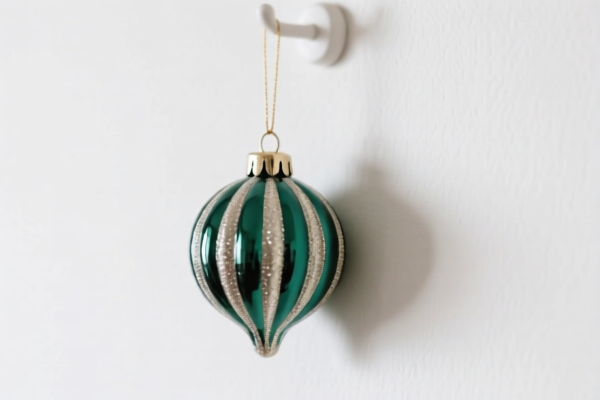
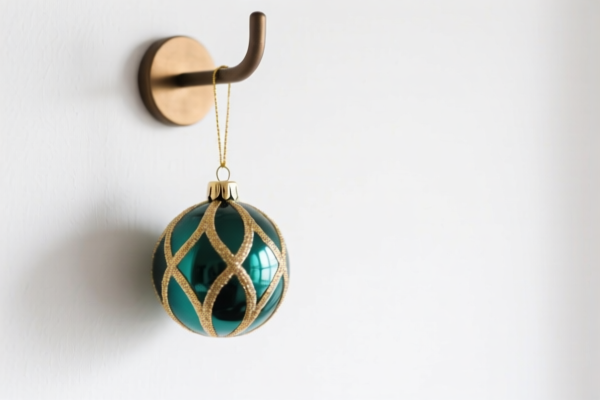
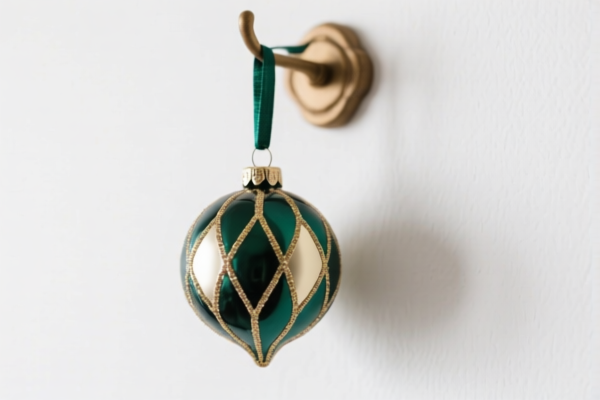

AI Analysis
🖌️ Hanging Ornament (Suspended Decorative Items)
🌐 HS Code Reference & Customs Clearance Guide | 2026 Latest Tariff Analysis | Professional Level Strategy
📌 I. Product Definition & Classification: What exactly is a "Hanging Ornament"?
A "Hanging Ornament" is a broad category encompassing decorative items designed to be suspended from ceilings, walls, windows, or trees. In international trade, the key to classification lies not just in the name, but in the material composition and specific use.
Since the input provides multiple potential HS Codes, it indicates that the final classification depends heavily on the physical material (Plastic, Base Metal, Imitation Jewelry) which may not be fully specified in the generic name "Hanging Ornament."
⚠️ Key Distinction Point:
- If made of Plastic/Synthetic Materials → Likely falls under Chapter 39 (General Plastics) or Chapter 71 (Imitation Jewelry).
- If made of Base Metal (non-precious) → Falls under Chapter 83 (Articles of Base Metal).
- Critical Check: Does it look like jewelry? If yes, Chapter 71 might apply. If it’s purely decorative (e.g., tinsel, plastic balls, metal stars), Chapter 39 or 83 is more likely.
📦 II. HS Code Classification Details (Based on Provided Data)
| HS Code | Product Description | Material Inference | Classification Logic |
|---|---|---|---|
3926.40.00.10 |
Other articles of plastic – Ornaments | Plastic | Explicitly named "Hanging Ornament" matches "Decorations." Classified as a catch-all for plastic decor. |
7117.90.90.00 |
Imitation Jewelry – Other | Mixed/Decorative | Inferred as "Imitation Jewelry" due to decorative nature. No material conflict found. |
3926.40.00.90 |
Other articles of plastic – Ornaments (Other) | Plastic | Catch-all for plastic decorations. Inferred material is plastic or synthetic. |
8306.29.00.00 |
Bells and bell-less clappers; Statuettes and other ornaments – Other | Base Metal | Morphologically matches "Decorations." Reasonably inferred as base metal without conflict. |
8306.21.00.00 |
Bells and bell-less clappers; Statuettes and other ornaments – Of base metal | Base Metal | Morphological match. Reasonably inferred as base metal or other materials, compatible with "Other Decorations." |
🔍 Focus Reminder:
- Plastic Items: Use3926.40.00.10or3926.40.00.90. The difference between.10and.90often lies in specific sub-category definitions or country-specific interpretations, but both are plastic. - Jewelry-like Items: If the ornament is worn or resembles a necklace/pendant, use7117.90.90.00(Imitation Jewelry). - Metal Items: Use8306.21.00.00or8306.29.00.00.8306.21is specifically for base metal ornaments, while8306.29is the "Other" category.
💰 III. 2026 Latest Tariff Rate Details (Including Additional Taxes)
✅ Applicable Country: United States (US)
✅ Origin: China (CN)
✅ Effective Time: Current rates include Section 301 and Section 232/IEEPA impacts as per provided data.
🎯 1. 3926.40.00.10 & 3926.40.00.90 —— Plastic Ornaments
| Item | Content |
|---|---|
| Base Duty Rate | 5.3% (ad valorem) |
| Section 301 Additional Duty | 0.0% (Note: Provided data shows 0.0% for Section 301 specifically, but highlights Section 122) |
| Section 122 Duty | 10.0% |
| Total Effective Rate | 15.3% |
| Tax Calculation | CIF Value × 15.3% |
| De Minimis Applicability | ❌ No (High tax burden prevents de minimis benefits in many contexts) |
| Legal Basis Path | HTSUS:3926.40 → Section 122 Tariff |
📌 Explanation:
- Plastic ornaments have a relatively moderate base rate of 5.3%.
- The 10% Section 122 tariff is the dominant additional cost.
- Total 15.3% is significant but lower than metal/jewelry alternatives.
🎯 2. 7117.90.90.00 —— Imitation Jewelry (Decorative)
| Item | Content |
|---|---|
| Base Duty Rate | 11.0% (ad valorem) |
| Section 301 Additional Duty | 7.5% |
| Section 122 Duty | 10.0% |
| Total Effective Rate | 28.5% |
| Tax Calculation | CIF Value × 28.5% |
| De Minimis Applicability | ❌ No |
| Legal Basis Path | HTSUS:7117.90 → Section 301 + Section 122 |
📌 Note:
- If customs classifies your ornament as "Imitation Jewelry," the tax jumps significantly.
- Base 11% + 7.5% (Sec 301) + 10% (Sec 122) = 28.5%.
- This is a high-risk classification if the item is clearly just a decoration (e.g., plastic bauble) and not jewelry.
🎯 3. 8306.29.00.00 —— Base Metal Ornaments (Other)
| Item | Content |
|---|---|
| Base Duty Rate | 0.0% (ad valorem) |
| Section 301 Additional Duty | 0.0% |
| Section 122 Duty | 10.0% |
| Total Effective Rate | 10.0% |
| Tax Calculation | CIF Value × 10.0% |
| De Minimis Applicability | ❌ No |
| Legal Basis Path | HTSUS:8306.29 → Section 122 |
📌 Explanation:
- This is the most tax-efficient option among the provided codes.
- Base duty is 0%, and Section 301 is 0% for this specific subheading (according to provided data).
- Only the 10% Section 122 applies.
- Total 10% is the lowest liability.
🎯 4. 8306.21.00.00 —— Base Metal Ornaments (Specific)
| Item | Content |
|---|---|
| Base Duty Rate | 4.5% (ad valorem) |
| Section 301 Additional Duty | 7.5% |
| Section 122 Duty | 10.0% |
| Total Effective Rate | 22.0% |
| Tax Calculation | CIF Value × 22.0% |
| De Minimis Applicability | ❌ No |
| Legal Basis Path | HTSUS:8306.21 → Section 301 + Section 122 |
📌 Warning:
- While it is a "Base Metal Ornament," this specific subheading carries a higher base rate (4.5%) and a Section 301 surcharge (7.5%).
- Total 22% is moderate, but significantly higher than8306.29.00.00.
🛠️ IV. Customs Clearance Practical Advice (Battle-Tested Pitfall Guide)
✅ 1. Documentation Checklist (Non-negotiable)
| Document | Required? | Explanation |
|---|---|---|
| ✅ Product Material Statement | ✔️ | Must explicitly state "Plastic," "Base Metal (e.g., Zinc Alloy)," or "Glass." Crucial for choosing between 39, 71, or 83. |
| ✅ Product Photos | ✔️ | Clear images showing texture, weight (if heavy, likely metal), and usage (hanging vs. wearing). |
| ✅ Commercial Invoice | ✔️ | Description should match the chosen HS Code logic (e.g., "Plastic Christmas Ornament" vs. "Zinc Alloy Ornament"). |
| ✅ Packing List | ✔️ | Detail weights and dimensions. |
| ✅ Customs Ruling (Optional but Recommended) | ✔️ | If unsure between 39 and 83, apply for an advance ruling. |
✅ 2. Classification Strategy (Key Mnemonic)
🔥 "Material First, Use Second, Tax Third!"
| Scenario | Correct HS Code | Reason | Total Tax |
|---|---|---|---|
| Plastic Decor (e.g., baubles, plastic angels) | 3926.40.00.10 or .90 |
Material is plastic; generic ornament. | 15.3% |
| Jewelry-like (e.g., pendant necklaces, bracelets) | 7117.90.90.00 |
Used as adornment for body, fits "Imitation Jewelry." | 28.5% |
| Heavy Metal Decor (e.g., stars, stars, bells) | 8306.29.00.00 |
Base metal, general decoration, lowest tax path. | 10.0% |
| Specific Metal Ornament | 8306.21.00.00 |
If customs demands a more specific metal subheading. | 22.0% |
✅ 3. Special Situations
| Situation | Handling Advice |
|---|---|
| Mixed Materials (e.g., Metal frame + Plastic ornament) | Declare as the principal material or the component that gives the essential character. If it's mostly plastic decoration, lean towards 3926. |
| Seasonal Decor (e.g., Christmas Ornaments) | Often classified under 3926.40.00 or 8306.29. Ensure description says "Ornament" not "Toy." |
| LED/Hanging Light Ornaments | If it has lights, it might fall under Chapter 85 (Electrical). Check if lights are integral. If so, classification changes completely. |
🌍 V. Global Market Comparison (2026 Latest)
| Country/Region | Recommended HS Code (Plastic) | Tax Rate | Notes |
|---|---|---|---|
| 🇺🇸 USA | 3926.40.00.10 |
15.3% | Includes 10% Sec 122. Metal options vary widely. |
| 🇨🇳 China | 3926.90.90.00 |
~10% | Different subheadings; verify local tariff. |
| 🇪🇺 EU | 3926.90.97 |
3.9% | Lower base duty; no similar Sec 122. |
| 🇬🇧 UK | 3926.90.99 |
4.5% | Post-Brexit tariffs may differ slightly. |
📌 Conclusion:
- The US market is the most expensive for these goods due to Section 122 and Section 301 tariffs.
- Plastic (3926) offers a middle-ground tax rate (15.3%).
- Base Metal (8306.29) offers the lowest tax (10%) if the product is indeed base metal.
- Jewelry (7117) is the most expensive (28.5%) and should be avoided if the item is not wearable jewelry.
📌 VI. Common Errors & Pitfalls (Lessons Learned)
❌ Error 1: Classifying a plastic ornament as "Imitation Jewelry" (7117)
👉 Consequence: Tax jumps from 15.3% to 28.5%. Avoid this unless it's clearly a necklace/bracelet.
❌ Error 2: Classifying a metal ornament under a general "Miscellaneous" heading without checking 8306
👉 Consequence: Misclassification penalties or delays. Use 8306.29.00.00 for the best rate (10%).
❌ Error 3: Ignoring Section 122 Duty
👉 Consequence: Unexpected 10% tax at customs. All provided codes include a 10% Section 122 duty. Budget for this!
❌ Error 4: Not specifying material in the invoice
👉 Consequence: Customs officer may choose the highest possible tax rate (e.g., Jewelry at 28.5%). Always specify "Plastic" or "Base Metal."
✅ Correct Practice:
"Plastic Hanging Ornament, Christmas Decoration, No Electrical Components, Model XYZ" OR "Zinc Alloy Hanging Ornament, Decorative Star, No Precious Metal, Model ABC"
🎯 VII. Conclusion: Professional Declaration, Cost Efficiency!
🎯 Remember the Mnemonic:
🔹 "Plastic is 15%, Metal is 10%, Jewelry is 28%!"
🔹 "Specify material on invoice, avoid the 10% penalty!"
🔹 "Section 122 hits all, so plan your margin well!"
📌 Pro Tip:
If your hanging ornaments are plastic, use 3926.40.00.10 (15.3%).
If they are metal, use 8306.29.00.00 (10.0%) for the lowest cost.
If they are jewelry, expect 28.5%.
📣 Immediate Action:
📞 Contact your customs broker with photos and material specs.
🚀 Apply for a Pre-Ruling if the material is ambiguous.
💰 Optimize your supply chain: If metal is feasible, it saves 8.3% in taxes compared to plastic, and 18.5% compared to jewelry.
✨ Professional Clearance Starts with Precise Classification!
💼 Every Percent Saved is Pure Profit!
Customer Reviews
About HS Code Classification
The Harmonized System (HS) is an internationally standardized nomenclature developed by the World Customs Organization (WCO) to classify traded products. Over 200 countries use the HS system as the basis for customs tariffs, trade statistics, and import/export regulations.
Each HS code follows a hierarchical structure:
- Chapter (2 digits) — Broad category of goods (e.g., Chapter 84: Machinery and Mechanical Appliances)
- Heading (4 digits) — More specific grouping within the chapter
- Subheading (6 digits) — Internationally standardized breakdown, used by all WCO member countries
- National subdivisions (8-10 digits) — Country-specific extensions for further classification, such as US HTSUS 10-digit codes
Correct HS code classification is essential for smooth customs clearance, accurate duty payment, and compliance with trade regulations. Misclassification can lead to customs delays, overpayment of duties, or penalties.
When importing from CN to US, the applicable tariff rates may include:
- Most-Favored-Nation (MFN) rate — The standard duty rate applied to WTO members
- General rate — Applied to countries without trade agreements
- Trade remedy duties — Additional tariffs such as Section 301 (anti-dumping), Section 232 (national security), or countervailing duties
The information provided on this page is for reference purposes only. For official classification, please consult with your local customs authority or a licensed customs broker.