head band
CN → US| HS Code | Tariff Rate | Origin | Destination | Doc |
|---|---|---|---|---|
| 9615114000 | 15.3% | CN | US | Official Doc |
| 9615196000 | 21.0% | CN | US | Official Doc |
| 6217108500 | 24.6% | CN | US | Official Doc |
| 6217101010 | 19.8% | CN | US | Official Doc |
| 6117802000 | 18.7% | CN | US | Official Doc |
| 6117808500 | 32.1% | CN | US | Official Doc |
Product Images
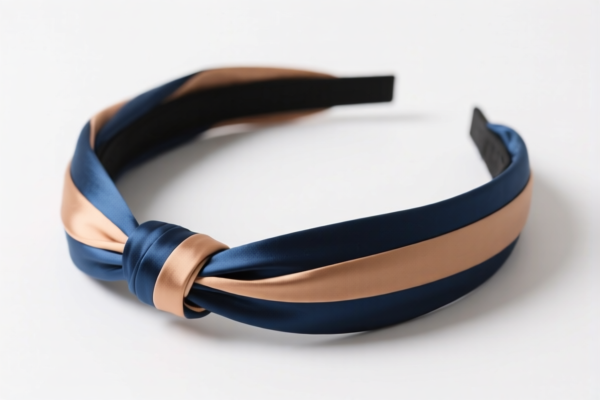
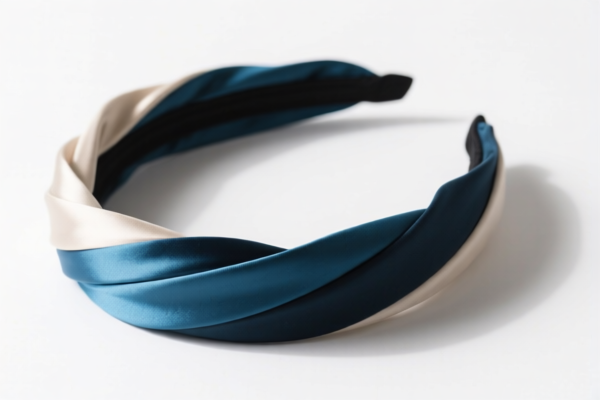
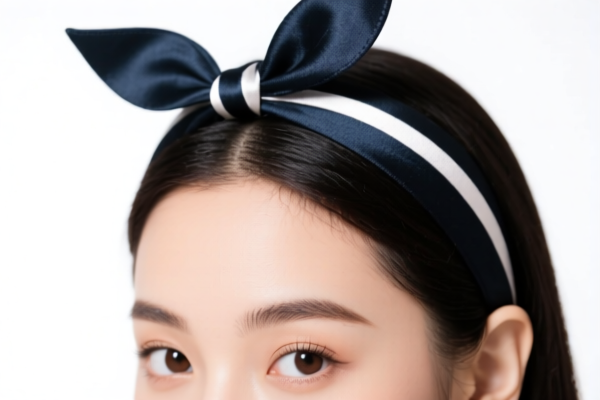
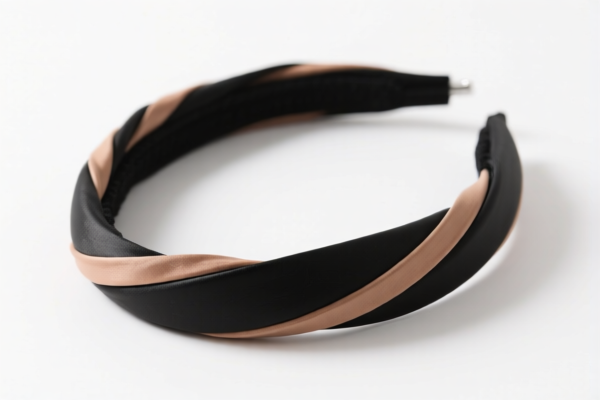
AI Analysis
🎀 Head Bands: The Ultimate HS Code Classification & Tax Breakdown (2026 Update)
🌐 HS Code Reference & Clearance Guide | 2026 Latest Tariff Analysis | Professional Customs Strategy
📌 I. Product Definition & Classification: Do You Really Know "Head Bands"?
Head bands are accessories used to hold hair back or decorate the head. In international trade, their classification varies significantly based on material, knitting vs. non-knitting structure, and function. Misclassification can lead to massive tariff differences (from 15.3% to 32.1%).
Key Distinctions: * Fabric/Textile (Woven/Knitted): Falls under Chapter 61/62 (Apparel & Accessories). * Plastic/Rigid Material: Falls under Chapter 96 (Miscellaneous Manufactured Articles). * Silk Content: May trigger specific subcategories in Chapter 62.
⚠️ Critical Classification Point:
- If made of knitted fabric → Usually 6117.80.85.00 (High Tax!) or 6117.80.20.00.
- If made of woven fabric (e.g., satin, cotton blend) → Usually 6217.10.
- If made of Plastic/Rubber → 9615.11.40.00 (Lowest Tax!).
📦 II. HS Code Classification Details (2026 Latest Tariff Authority Comparison)
Based on the provided data, here are the 6 potential HS Codes for Head Bands, ranked by tax burden:
| HS Code | Product Description | Material/Structure | Total Tax Rate |
|---|---|---|---|
9615.11.40.00 |
Hair accessories, made of plastic or hard rubber | Plastic/Rigid | 15.3% |
6117.80.20.00 |
Other accessories, made of woven/knitted fabric | Textile (Fabric) | 18.7% |
6217.10.10.10 |
Sewn accessories, possibly containing silk | Textile (Silk/Woven) | 19.8% |
9615.19.60.00 |
Combs, hairpins, etc., made of fabric/plastic | Mixed/Mixed Material | 21.0% |
6217.10.85.00 |
Sewn accessories, complete matching sets | Textile (Woven) | 24.6% |
6117.80.85.00 |
Headbands, hair clips, etc., made of Knitted/Hooked | Knitted/Hooked | 32.1% |
🔍 Key Insight:
- Plastic head bands are the cheapest to import (15.3%) due to 0% Additional Tariff (Section 301/IEEPA).
- Knitted head bands are the most expensive (32.1%) because they incur a high Base Tariff (14.6%) PLUS additional tariffs.
- Silk content slightly increases tax (19.8%) but is still lower than knitted options.
💰 III. 2026 Latest Tariff Rate Breakdown (Including Surtaxes)
✅ Applicable Country: United States (US)
✅ Origin: China (CN)
✅ Effective Date: Current regulations (Post-2025 updates)
🎯 1. 9615.11.40.00 — Plastic/Hard Rubber Hair Accessories (Lowest Tax!)
| Item | Detail |
|---|---|
| Base Tariff | 5.3% |
| Section 301 Surtax | 0.0% |
| Section 122 Surtax | 10.0% |
| Total Tax Rate | 15.3% |
| Tax Calculation | CIF Value × 15.3% |
| Legal Basis | USITC:9615.11.40.00 + Section 122:10% |
📌 Explanation:
- Why 0% Additional Tariff? Items under Chapter 96 (Miscellaneous) often fall outside the scope of aggressive Section 301 retaliation lists targeting textiles/electronics.
- Strategy: If your head band is made of hard plastic or rigid rubber, this is the optimal HS Code for cost savings.
🎯 2. 6117.80.20.00 — Woven/Knitted Textile Accessories (Medium Tax)
| Item | Detail |
|---|---|
| Base Tariff | 1.2% |
| Section 301 Surtax | 7.5% |
| Section 122 Surtax | 10.0% |
| Total Tax Rate | 18.7% |
| Tax Calculation | CIF Value × 18.7% |
| Legal Basis | USITC:6117.80.20.00 + Section 301:7.5% + Section 122:10% |
📌 Explanation:
- Low Base Tariff (1.2%) but subject to 7.5% Section 301 surtax.
- Suitable for woven fabric head bands (e.g., satin, cotton blends) that are not knitted.
🎯 3. 6217.10.10.10 — Sewn Accessories (Silk Content)
| Item | Detail |
|---|---|
| Base Tariff | 2.3% |
| Section 301 Surtax | 7.5% |
| Section 122 Surtax | 10.0% |
| Total Tax Rate | 19.8% |
| Tax Calculation | CIF Value × 19.8% |
| Legal Basis | USITC:6217.10.10.10 + Section 301:7.5% + Section 122:10% |
📌 Explanation:
- Specifically for woven accessories that may contain silk.
- Slightly higher than6117.80.20.00due to higher base tariff.
🎯 4. 9615.19.60.00 — Mixed Material Hair Accessories
| Item | Detail |
|---|---|
| Base Tariff | 11.0% |
| Section 301 Surtax | 0.0% |
| Section 122 Surtax | 10.0% |
| Total Tax Rate | 21.0% |
| Tax Calculation | CIF Value × 21.0% |
| Legal Basis | USITC:9615.19.60.00 + Section 122:10% |
📌 Explanation:
- High Base Tariff (11.0%) but No Section 301 Surtax.
- Applicable if the head band is a mix of fabric and plastic, or categorized under "other" hair accessories.
🎯 5. 6217.10.85.00 — Sewn Accessories (Non-Silk)
| Item | Detail |
|---|---|
| Base Tariff | 14.6% |
| Section 301 Surtax | 0.0% |
| Section 122 Surtax | 10.0% |
| Total Tax Rate | 24.6% |
| Tax Calculation | CIF Value × 24.6% |
| Legal Basis | USITC:6217.10.85.00 + Section 122:10% |
📌 Explanation:
- High Base Tariff but No Section 301 Surtax.
- Used for woven accessories that do not qualify for the lower silk/non-silk subcategories.
🎯 6. 6117.80.85.00 — Knitted/Hooked Head Bands (Highest Tax!)
| Item | Detail |
|---|---|
| Base Tariff | 14.6% |
| Section 301 Surtax | 7.5% |
| Section 122 Surtax | 10.0% |
| Total Tax Rate | 32.1% |
| Tax Calculation | CIF Value × 32.1% |
| Legal Basis | USITC:6117.80.85.00 + Section 301:7.5% + Section 122:10% |
📌 Explanation:
- Worst-case scenario: High base tariff PLUS Section 301 surtax.
- Only use this if the head band is definitely knitted or crocheted. Avoid if possible by changing material to woven or plastic.
🛠️ IV. Customs Clearance Practical Advice (Avoid Pitfalls)
✅ 1. Material Declaration is Critical
| Material | Recommended HS Code | Tax Rate | Risk Level |
|---|---|---|---|
| Plastic/Hard Rubber | 9615.11.40.00 |
15.3% | ✅ Low (Best Option) |
| Woven Fabric (Satin/Cotton) | 6117.80.20.00 |
18.7% | ✅ Medium |
| Silk Woven | 6217.10.10.10 |
19.8% | ✅ Medium |
| Knitted/Crocheted | 6117.80.85.00 |
32.1% | ❌ High (Avoid!) |
📌 Pro Tip:
- If you are using knitted fabric, consider switching to woven fabric or plastic to save 13-17% in taxes.
- Clearly state "Woven Fabric" or "Plastic" in the commercial invoice. Avoid vague terms like "Textile" without specifying structure.
✅ 2. Documentation Checklist
| Document | Requirement | Notes |
|---|---|---|
| Commercial Invoice | Must specify material (e.g., "100% Polyester Woven", "Hard Plastic") | Vague descriptions = Customs Audit |
| Product Photos | Show texture (woven vs. knitted) | Helps distinguish 6117 vs 6217 |
| Composition Statement | % of each material | Crucial for determining if silk content applies |
| Country of Origin | Must be marked | For Section 301/122 applicability |
✅ 3. Common Mistakes & Consequences
❌ Mistake 1: Labeling a knitted head band as "woven"
👉 Consequence: If customs inspects and finds it’s knitted, you’ll owe the 32.1% rate + penalties.
❌ Mistake 2: Using "Hair Accessory" without material details
👉 Consequence: Customs may assign the highest possible tax (32.1%) out of caution.
❌ Mistake 3: Ignoring Section 122 (10%)
👉 Consequence: All listed HS codes above include 10% Section 122. Ensure your CIF value is accurate to avoid underpayment.
🌍 V. Global Market Comparison (2026)
| Market | Best HS Code | Total Tax (China Origin) | Key Requirement |
|---|---|---|---|
| 🇺🇸 USA | 9615.11.40.00 (Plastic) |
15.3% | No Section 301 surtax |
| 🇺🇸 USA | 6117.80.20.00 (Woven) |
18.7% | Section 301 (7.5%) applies |
| 🇺🇸 USA | 6117.80.85.00 (Knitted) |
32.1% | Avoid if possible |
| 🇪🇺 EU | 9615.11.40.00 |
0-2% | No Section 301/122 |
| 🇨🇳 China | 6117.80.20.00 |
1.2-2% | Low import duty |
📌 Conclusion:
- US Market: Plastic head bands are the most tax-efficient.
- EU/China Market: Tax differences are minimal; focus on compliance and quality standards.
📌 VI. Final Recommendations
- Optimize Material: If possible, manufacture head bands from plastic or woven fabric instead of knitted to reduce tax from 32.1% to 15.3% or 18.7%.
- Precise Description: Use "Plastic Hair Band" or "Woven Fabric Head Band" in invoices. Avoid generic "Head Band".
- Pre-Ruling: For large shipments, apply for an Advance Ruling with US CBP to confirm the HS Code.
- Section 122 Awareness: All textile/plastic accessories from China currently face a 10% Section 122 surtax. Factor this into your pricing strategy.
🎯 VII. Summary Table: Quick Reference
| HS Code | Material | Base Tax | 301 Surtax | 122 Surtax | Total Tax | Recommendation |
|---|---|---|---|---|---|---|
9615.11.40.00 |
Plastic | 5.3% | 0.0% | 10.0% | 15.3% | ✅ BEST |
6117.80.20.00 |
Woven Fabric | 1.2% | 7.5% | 10.0% | 18.7% | ✅ GOOD |
6217.10.10.10 |
Silk Woven | 2.3% | 7.5% | 10.0% | 19.8% | ✅ GOOD |
9615.19.60.00 |
Mixed | 11.0% | 0.0% | 10.0% | 21.0% | ⚠️ AVOID |
6217.10.85.00 |
Woven (Non-Silk) | 14.6% | 0.0% | 10.0% | 24.6% | ⚠️ AVOID |
6117.80.85.00 |
Knitted | 14.6% | 7.5% | 10.0% | 32.1% | ❌ WORST |
📌 Final Tip:
"Plastic is Cheap, Knitted is Expensive. Woven is in Between."
Choose wisely to maximize your profit margin!
✨ Professional Customs, Starting with Precise Classification!
💼 Every cent saved in tax is pure profit!
Customer Reviews
About HS Code Classification
The Harmonized System (HS) is an internationally standardized nomenclature developed by the World Customs Organization (WCO) to classify traded products. Over 200 countries use the HS system as the basis for customs tariffs, trade statistics, and import/export regulations.
Each HS code follows a hierarchical structure:
- Chapter (2 digits) — Broad category of goods (e.g., Chapter 84: Machinery and Mechanical Appliances)
- Heading (4 digits) — More specific grouping within the chapter
- Subheading (6 digits) — Internationally standardized breakdown, used by all WCO member countries
- National subdivisions (8-10 digits) — Country-specific extensions for further classification, such as US HTSUS 10-digit codes
Correct HS code classification is essential for smooth customs clearance, accurate duty payment, and compliance with trade regulations. Misclassification can lead to customs delays, overpayment of duties, or penalties.
When importing from CN to US, the applicable tariff rates may include:
- Most-Favored-Nation (MFN) rate — The standard duty rate applied to WTO members
- General rate — Applied to countries without trade agreements
- Trade remedy duties — Additional tariffs such as Section 301 (anti-dumping), Section 232 (national security), or countervailing duties
The information provided on this page is for reference purposes only. For official classification, please consult with your local customs authority or a licensed customs broker.