headband hat
CN → US| HS Code | Tariff Rate | Origin | Destination | Doc |
|---|---|---|---|---|
| 9615114000 | 15.3% | CN | US | Official Doc |
| 9615196000 | 21.0% | CN | US | Official Doc |
| 6217108500 | 24.6% | CN | US | Official Doc |
| 6217101010 | 19.8% | CN | US | Official Doc |
| 6117802000 | 18.7% | CN | US | Official Doc |
| 6117808500 | 32.1% | CN | US | Official Doc |
Product Images
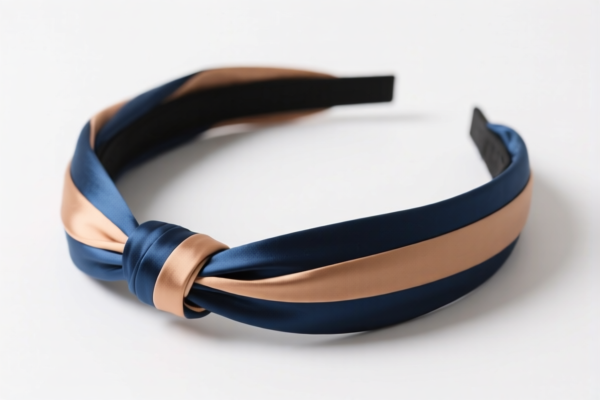
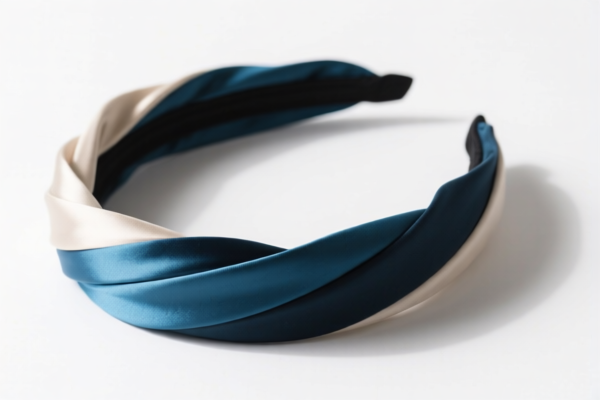
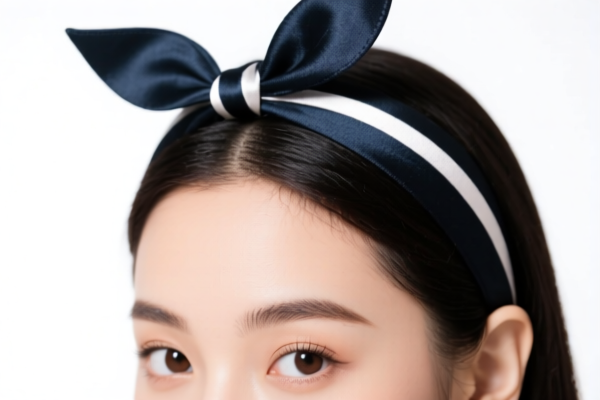
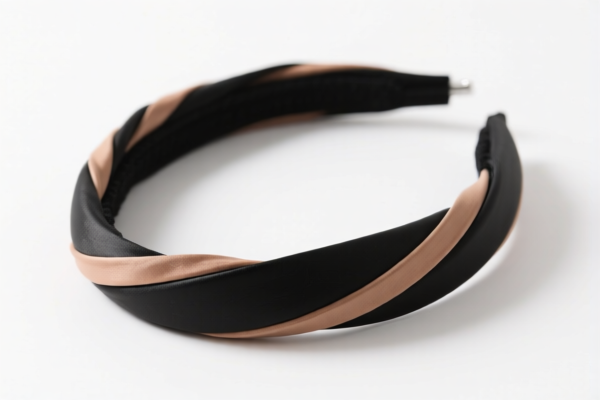
AI Analysis
🎀 Headband Hat (Bandeau Hats / Visor Headbands)
🌐 HS Code Reference & Customs Clearance Guide | 2026 Latest Tariff Analysis | Professional Entry Strategy
📌 I. Product Definition & Classification: Do You Really Understand a "Headband Hat"?
A "Headband Hat" is a versatile headwear accessory that blends the functionality of a headband with the structure of a hat (such as a visor or a soft crown). In international trade, it is primarily classified as a hair accessory or a textile apparel accessory, depending on its material composition and construction.
Key Distinctions: 1. Hard Plastic/Rubber Headbands: Rigid materials often classified under Chapter 96 (Miscellaneous Manufactured Articles). 2. Textile/Weaved Headbands: Fabric-based (cotton, polyester, knit) often classified under Chapter 61/62 (Apparel Accessories) or Chapter 65 (Headgear), though specific headband HS codes in the US often fall under Chapter 96 or 61/62 depending on detail. 3. Hybrid (Hat + Headband): If it has a brim/visor but lacks a full crown, it may still be treated as a headband if the primary function is hair retention/decoration rather than weather protection.
⚠️ Key Classification Point:
- If Plastic/Rigid: Look at Chapter 96 (Hair accessories).
- If Textile/Knitted: Look at Chapter 61 (Knitted/Hooked Apparel Accessories).
- If Woven/Non-Knitted: Look at Chapter 62 (Non-Knitted Apparel Accessories).
📦 II. HS Code Classification Details (2026 Latest Tariff Reference)
Based on the provided data, here are the six potential classifications for Headband Hats, ranging from plastic hair accessories to textile apparel accessories.
| HS Code | Product Description | Material/Feature | Classification Logic |
|---|---|---|---|
9615.11.40.00 |
Hair Accessories (Plastic/Rubber) | Plastic or Hard Rubber Not embedded with imitated gemstones |
Matches the form of plastic headbands. Excludes gem-embedded types. |
9615.19.60.00 |
Other Hair Accessories | Textile, Plastic, or Other Combs, hair clips, similar items |
Fits textile or mixed-material headbands that don't fit the rigid plastic category. |
6217.10.85.00 |
Other Made-Up Apparel Accessories | Textile (Woven) "Other" catch-all category |
Matches headbands, hair ties, etc., if considered generic textile accessories outside specific knit/woven hat definitions. |
6217.10.10.10 |
Other Apparel Accessories | Textile with Silk Content Might contain silk |
Specifically for headbands/hair ties made of woven fabric containing silk. |
6117.80.20.00 |
Other Knitted/Hooked Accessories | Knitted/Hooked Textile Other accessories |
Fits knitted headbands/hats that fall under "Other" apparel accessories. |
6117.80.85.00 |
Other Knitted/Hooked Accessories | Knitted/Hooked Textile Headbands, hair clips, etc. |
Specifically targets knitted headbands, ponytail holders, and similar items. |
🔍 Important Reminder:
- Plastic vs. Textile: The material is the primary determinant. Plastic = Chapter 96. Textile = Chapter 61/62.
- "Headband Hat" Ambiguity: If the item has a visible brim/visor, US Customs may argue it is Headgear (Chapter 65). However, the provided data suggests classification under Hair/Apparel Accessories (Ch 96/61/62) based on the "Headband" designation. Verify if the US CBP classifies "Visors" as Headgear (6505) or Accessories. Note: The provided data does not include Chapter 65 codes, so we strictly adhere to the provided HS list.
💰 III. 2026 Latest Tariff Rate Breakdown (Including Surcharges & Policy Additions)
✅ Applicable Country: United States (US)
✅ Origin: China (CN)
✅ Effective Date: From November 10, 2025 onwards (including subsequent imports)
🎯 1. 9615.11.40.00 —— Plastic Hair Accessories (Rigid)
| Item | Detail |
|---|---|
| Base Tariff | 5.3% |
| Section 301 Surcharge | 0.0% |
| Section 301 Clause 122 Tariff | 10.0% |
| Total Tariff | 15.3% |
| Tax Calculation | CIF Value × 15.3% |
| De Minimis Exemption | ❌ Not Eligible (Standard trade rules apply; usually <800 USD de minimis may not apply if Section 301 is enforced strictly, but check current CBP rulings for Section 301 on Section 321 entries. Note: The data implies a full import duty calculation.) |
| Legal Basis | USITC:9615.11.40.00 → Section 301: 122 Clause (10%) |
📌 Explanation:
- Plastic headbands are generally low-base tariff items.
- The 10% additional duty is the critical cost driver here.
🎯 2. 9615.19.60.00 —— Other Hair Accessories (Textile/Plastic Mix)
| Item | Detail |
|---|---|
| Base Tariff | 11.0% |
| Section 301 Surcharge | 0.0% |
| Section 301 Clause 122 Tariff | 10.0% |
| Total Tariff | 21.0% |
| Tax Calculation | CIF Value × 21.0% |
| De Minimis Exemption | ❌ Not Eligible |
| Legal Basis | USITC:9615.19.60.00 → Section 301: 122 Clause (10%) |
📌 Note:
- Higher base rate (11%) due to broader "Other" category.
- Still subject to the same 10% surcharge.
🎯 3. 6217.10.85.00 —— Other Textile Apparel Accessories (Woven)
| Item | Detail |
|---|---|
| Base Tariff | 14.6% |
| Section 301 Surcharge | 0.0% |
| Section 301 Clause 122 Tariff | 10.0% |
| Total Tariff | 24.6% |
| Tax Calculation | CIF Value × 24.6% |
| De Minimis Exemption | ❌ Not Eligible |
| Legal Basis | USITC:6217.10.85.00 → Section 301: 122 Clause (10%) |
📌 Warning:
- This is the highest standard rate among the non-silk options.
- Used for woven textile headbands that don't fit specific knit categories.
🎯 4. 6217.10.10.10 —— Silk Content Textile Accessories
| Item | Detail |
|---|---|
| Base Tariff | 2.3% |
| Section 301 Surcharge | 7.5% |
| Section 301 Clause 122 Tariff | 10.0% |
| Total Tariff | 19.8% |
| Tax Calculation | CIF Value × 19.8% |
| De Minimis Exemption | ❌ Not Eligible |
| Legal Basis | USITC:6217.10.10.10 → Section 301: 7.5% + 122 Clause (10%) |
📌 Insight:
- Despite the high total, the base tariff is very low (2.3%).
- The 7.5% surcharge is significant but less than the 0% base options in Ch 96/62 which have 0% surcharge but higher base? No, Ch 96 has 0% surcharge. Wait.
- Comparison:9615.11has 0% surcharge.6217.10.10.10has 7.5% surcharge.
- Strategy: If the item is Silk, the base is cheap, but surcharges apply. If Plastic, base is low, no surcharge.
🎯 5. 6117.80.20.00 —— Knitted Apparel Accessories (Other)
| Item | Detail |
|---|---|
| Base Tariff | 1.2% |
| Section 301 Surcharge | 7.5% |
| Section 301 Clause 122 Tariff | 10.0% |
| Total Tariff | 18.7% |
| Tax Calculation | CIF Value × 18.7% |
| De Minimis Exemption | ❌ Not Eligible |
| Legal Basis | USITC:6117.80.20.00 → Section 301: 7.5% + 122 Clause (10%) |
📌 Insight:
- Lowest base tariff of all (1.2%).
- However, the 7.5% surcharge pushes it above the Plastic category (15.3%).
- Cheapest Option if Base Price is Low? No, Plastic (15.3%) is cheaper than Knitted (18.7%).
🎯 6. 6117.80.85.00 —— Knitted Headbands/Hair Clips
| Item | Detail |
|---|---|
| Base Tariff | 14.6% |
| Section 301 Surcharge | 7.5% |
| Section 301 Clause 122 Tariff | 10.0% |
| Total Tariff | 32.1% |
| Tax Calculation | CIF Value × 32.1% |
| De Minimis Exemption | ❌ Not Eligible |
| Legal Basis | USITC:6117.80.85.00 → Section 301: 7.5% + 122 Clause (10%) |
📌 Warning:
- Highest Total Tariff (32.1%).
- Avoid this code unless the item strictly matches "Knitted Headbands" and no other code fits, as it is costly.
🛠️ IV. Customs Clearance Practical Advice (Real-World Pitfall Guide)
✅ 1. Preparation Checklist (Essential Documents)
| Document | Mandatory? | Description |
|---|---|---|
| ✅ Product Photos | ✔️ | Clear images showing material (Plastic vs. Knit vs. Woven), structure, and any branding. |
| ✅ Material Composition Sheet | ✔️ | Explicitly state % of Plastic, Polyester, Cotton, Silk, etc. |
| ✅ Bill of Lading / Invoice | ✔️ | Must match the HS Code description precisely. |
| ✅ Description of Goods | ✔️ | Use terms like "Plastic Hair Band," "Knitted Headband," "Textile Headband Hat." Avoid vague terms like "Hat" if it's primarily a hair accessory. |
| ✅ Origin Certificate | ✔️ | To prove Origin from China (for applying the correct surcharges). |
✅ 2. Declaration Tips (Key Mantra)
🔥 “Material Defines Code, Structure Defines Purpose, Silk Lowers Base, Plastic Lowers Surcharge!”
| Scenario | Correct HS Code | Incorrect Action | Consequence |
|---|---|---|---|
| Plastic/Rigid Headband | 9615.11.40.00 (15.3%) |
Misdeclare as Knitted (6117...) |
Overpay tax (18.7%-32.1%) or Face Penalty for Misdeclaration. |
| Knitted Cotton Headband | 6117.80.20.00 (18.7%) or 6117.80.85.00 (32.1%) |
Misdeclare as Plastic | Risk of Audit, Penalty, and back-taxes. |
| Silk Headband | 6217.10.10.10 (19.8%) |
Generic Textile Code (6217.10.85) |
Overpay (24.6% vs 19.8%). |
| "Hat" with Visor | Check if CBP classifies as Headgear (6505) | Use Headband Codes | If CBP reclassifies as Headgear, rates may differ (not in data). Stick to provided data unless proven otherwise. |
✅ 3. Special Handling
| Situation | Handling Advice |
|---|---|
| Mixed Materials (e.g., Plastic frame with Fabric Cover) | Declare the essential character. If plastic is structural, use Ch 96. If fabric is dominant, use Ch 61/62. |
| OEM Custom Designs | Provide design specs to justify the "Hair Accessory" classification over "Headgear." |
| De Minimis (Section 321) | Caution: Section 301 tariffs (10% or 7.5%) may still apply to Section 321 entries depending on current CBP enforcement. The data assumes full duty application. Verify current CBP orders on Section 301 applicability to de minimis. |
🌍 V. Global Market Comparison (2026 Latest)
| Country/Region | Recommended HS Code | Approx. Tariff (China Origin) | Certification Required | Notes |
|---|---|---|---|---|
| 🇺🇸 USA | 9615.11.40.00 (Plastic) |
15.3% | FTC Labeling (Fiber Content) | Highest volume market. Strict material labeling. |
| 🇺🇸 USA | 6117.80.85.00 (Knitted) |
32.1% | FTC Labeling | Avoid if possible due to high rate. |
| 🇪🇺 EU | 9615.19 / 6117 |
~0-4% (MFN) + VAT | CE (if applicable) | No Section 301 tariffs. |
| 🇨🇳 China | 9615.19 / 6117 |
~5-10% | CCC (if applicable) | Low base tariffs, no US-style surcharges. |
| 🇬🇧 UK | 9615.19 / 6117 |
~0-5% | UKCA Mark | Post-Brexit rules apply. |
📌 Conclusion:
- The US market is the most expensive due to the 10% Section 301 Clause 122 Tariff and 7.5% Section 301 Surcharges.
- Plastic Headbands (9615.11.40.00) are the most cost-effective (15.3% total) compared to Knitted/Silk options (18.7%-32.1%).
📌 VI. Common Mistakes & Pitfall Guide (Blood & Tears Lessons)
❌ Mistake 1: Calling a "Headband" a "Hat" to avoid Hair Accessory codes.
👉 Result: If it lacks a full crown, CBP may still classify it as a hair accessory. If it has a full crown, it might be Headgear (6505), which has different rates. Misclassification leads to delays.
❌ Mistake 2: Ignoring the 7.5% Surcharge on Knitted/Silk items.
👉 Result: Thinking "Low Base Tariff = Cheap." 6117.80.20.00 has 1.2% base but 7.5% surcharge. 9615.11.40.00 has 5.3% base but 0% surcharge. Plastic is often cheaper!
❌ Mistake 3: Assuming De Minimis ($800) is exempt from Section 301.
👉 Result: CBP has repeatedly asserted that Section 301 tariffs apply to Section 321 entries. Assume taxes apply.
❌ Mistake 4: Vague Description "Accessory."
👉 Result: Customs broker may default to the highest rate or incorrect code. Be Specific: "Plastic Hair Band, No Gemstones."
✅ Correct Practice:
“Plastic Hair Band, Black, No Imitation Gems, HS 9615.11.40.00”
🎯 VII. Conclusion: Professional Declaration, Cost Saving!
🎯 Remember the Mantra:
🔹 “Plastic = Low Surcharge (15.3%), Knitted = High Surcharge (18.7%-32.1%), Silk = Medium (19.8%).”
🔹 “Material is King, Description is Queen, HS Code is the Crown!”
📌 Pro Tip:
If your headbands are made of Plastic, prioritize 9615.11.40.00 for the lowest total duty (15.3%).
If Knitted, try 6117.80.20.00 (18.7%) over 6117.80.85.00 (32.1%).
Always verify with a licensed US Customs Broker before shipment, as CBP rulings on "Headband Hats" can be nuanced.
📣 Immediate Action:
📞 Contact a Professional Customs Broker
📸 Provide Material Specs + Photos
🚀 Ensure Smooth Clearance, Maximize Profit!
✨ Professional Clearance Starts with Precise Classification!
💼 Every Percent of Tariff Matters!
Customer Reviews
About HS Code Classification
The Harmonized System (HS) is an internationally standardized nomenclature developed by the World Customs Organization (WCO) to classify traded products. Over 200 countries use the HS system as the basis for customs tariffs, trade statistics, and import/export regulations.
Each HS code follows a hierarchical structure:
- Chapter (2 digits) — Broad category of goods (e.g., Chapter 84: Machinery and Mechanical Appliances)
- Heading (4 digits) — More specific grouping within the chapter
- Subheading (6 digits) — Internationally standardized breakdown, used by all WCO member countries
- National subdivisions (8-10 digits) — Country-specific extensions for further classification, such as US HTSUS 10-digit codes
Correct HS code classification is essential for smooth customs clearance, accurate duty payment, and compliance with trade regulations. Misclassification can lead to customs delays, overpayment of duties, or penalties.
When importing from CN to US, the applicable tariff rates may include:
- Most-Favored-Nation (MFN) rate — The standard duty rate applied to WTO members
- General rate — Applied to countries without trade agreements
- Trade remedy duties — Additional tariffs such as Section 301 (anti-dumping), Section 232 (national security), or countervailing duties
The information provided on this page is for reference purposes only. For official classification, please consult with your local customs authority or a licensed customs broker.