headlight
CN → US| HS Code | Tariff Rate | Origin | Destination | Doc |
|---|---|---|---|---|
| 8512202040 | 10.0% | CN | US | Official Doc |
| 8512202080 | 35.0% | CN | US | Official Doc |
| 9001909000 | 35.0% | CN | US | Official Doc |
| 9405416000 | 41.0% | CN | US | Official Doc |
Product Images
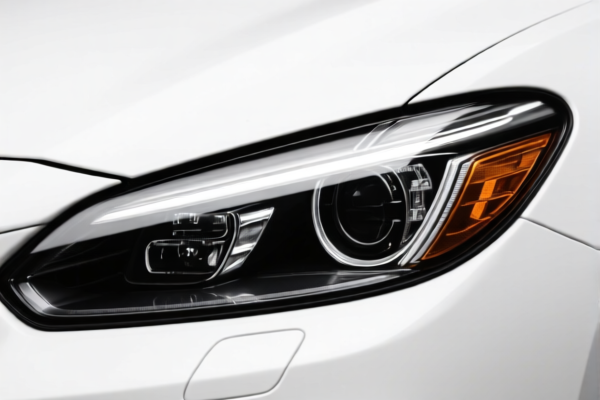
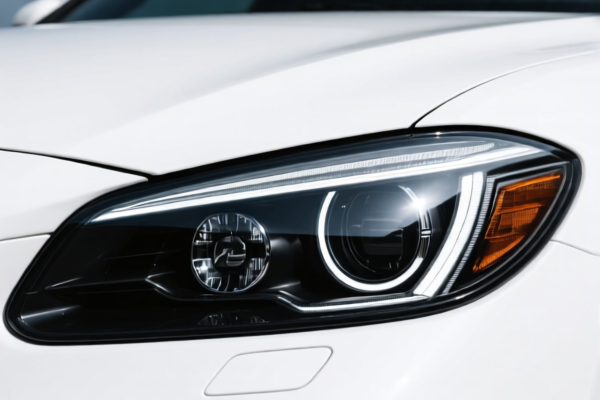
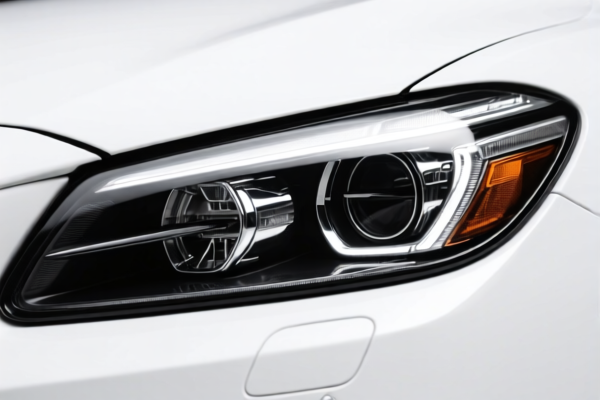
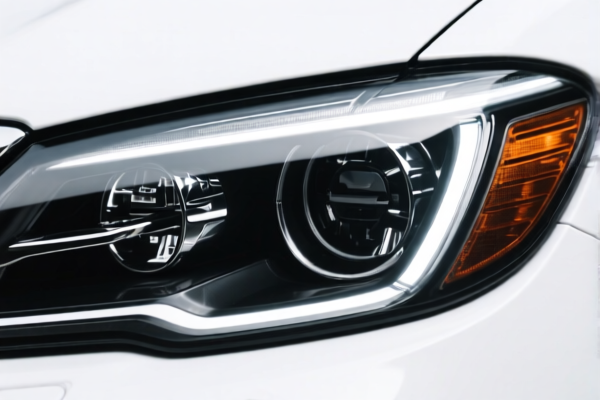
AI Analysis
🚗 Headlights (Automotive Front Lighting Assemblies)
🌐 HS Code Reference & Customs Clearance Guide | 2026 Latest Tariff Analysis | Professional Strategy
📌 I. Product Definition & Classification: Do You Really Understand "Headlights"?
Headlights are critical safety components for vehicles, categorized internationally based on their specific application and structural integration. In international trade, they are strictly divided by their intended use and technical configuration:
Automotive Specific Headlights: Designed exclusively for motor vehicles, featuring specific electrical interfaces and mounting structures compliant with automotive safety standards (e.g., FMVSS, ECE). These fall under Chapter 85. General/Other Optical Headlights: Lighting devices that may be used for non-automotive purposes, or parts of general optical instruments, lacking specific automotive integration. These often fall under Chapter 90 or Chapter 94.
⚠️ Key Distinction Point:
- If the product is explicitly designed for motor vehicles with specific automotive electrical characteristics →归入 8512.20 (Automotive Electrical Equipment)
- If it is a general optical component or part of another instrument without specific vehicle integration →归入 9001.90 (Other Optical Elements)
- If it is a general lamp/lighting fixture not primarily for vehicles →归入 9405.41 (Electric Lamps and Lighting Fittings)
📦 II. HS Code Classification Details (2026 Latest Tariff Authority Comparison)
| HS Code | Product Description | Application Scenario | Tax Rate (Total) | Key Characteristics |
|---|---|---|---|---|
8512.20.20.40 |
Automotive Headlights, lighting equipment for specific vehicle use | Standard car headlights, motorcycle lights | 10.0% | Base 0% + Section 301 0% + IEEPA 10% |
8512.20.20.80 |
Automotive Headlights, electrical lighting equipment for motor vehicles | High-end automotive LED/Laser headlights | 35.0% | Base 0% + Section 301 25% + IEEPA 10% |
9001.90.90.00 |
Headlights as optical elements/components of lamps | Optical lenses, reflectors, parts of optical instruments | 35.0% | Base 0% + Section 301 25% + IEEPA 10% |
9405.41.60.00 |
Headlights for lamps, electric lighting devices under general categories | General decorative lights, non-automotive specific lamps | 41.0% | Base 6% + Section 301 25% + IEEPA 10% |
🔍 Important Reminder:
- Chapter 85 (8512) is the primary chapter for automotive-specific lighting. The difference between.40and.80often depends on specific sub-classifications within the HTSUS..40enjoys a lower total tax (10%), while.80is subject to higher Section 301 duties (35%). - Chapter 90 (9001) is for optical parts. If your headlight is sold as a bare lens or reflector without automotive housing/wiring, it might be classified here, but still attracts 35% due to Section 301 + IEEPA. - Chapter 94 (9405) is for general lamps. Using this code is risky for automotive parts unless explicitly not for vehicle use. It carries the highest base tariff (6%), resulting in a 41% total.
💰 III. 2026 Latest Tariff Rate Breakdown (Including Surtaxes & Policy Add-ons)
✅ Applicable Country: United States (US)
✅ Origin: China (CN)
✅ Effective Date: From November 10, 2025 (including subsequent imports)
🎯 1. 8512.20.20.40 —— Automotive Headlights (Lowest Tax Option)
| Item | Content |
|---|---|
| Base Tariff | 0% (ad valorem) |
| Section 301 Surcharge | 0% (Specific sub-classification exemption or lower bracket) |
| IEEPA Surcharge | +10% (For China/HK products, effective Nov 10, 2025) |
| Total Tax Rate | 10.0% |
| Tax Calculation | CIF Value × 10% |
| De Minimis Exemption Eligibility | ❌ No (Section 301/IEEPA goods are typically excluded from de minimis if valued over $800, but specifically, IEEPA surcharges often negate de minimis benefits for certain categories. Note: Always verify current CBP guidance on de minimis for IEEPA goods.) |
| Legal Basis Path | IEEPA:9903.01.25 → USITC:8512.20.20.40 |
📌 Explanation:
- This code offers the most favorable tax treatment among the options provided. - The 10% is solely due to the IEEPA (Section 122 equivalent) surcharge. - Crucial: Ensure your product documentation strictly supports classification under.40(e.g., specific vehicle compatibility documents, technical specs matching the sub-heading). Misclassification to.80could result in a 25% additional duty (total 35%).
🎯 2. 8512.20.20.80 —— Automotive Headlights (Standard High-Tech)
| Item | Content |
|---|---|
| Base Tariff | 0% |
| Section 301 Surcharge | +25% (USITC Footnote related to Chinese imports) |
| IEEPA Surcharge | +10% |
| Total Tax Rate | 35.0% |
| Tax Calculation | CIF Value × 35% |
| De Minimis Exemption Eligibility | ❌ No |
| Legal Basis Path | IEEPA:9903.01.25 → USITC:8512.20.20.80 → FOOTNOTE:301 |
📌 Note:
- This is the standard rate for many automotive electrical components. - Even though the base tariff is 0%, the 25% Section 301 + 10% IEEPA makes it expensive. - Comparison: This is 25 percentage points higher than.40. Precise classification is vital.
🎯 3. 9001.90.90.00 —— Optical Elements / Parts
| Item | Content |
|---|---|
| Base Tariff | 0% |
| Section 301 Surcharge | +25% |
| IEEPA Surcharge | +10% |
| Total Tax Rate | 35.0% |
| Tax Calculation | CIF Value × 35% |
| De Minimis Exemption Eligibility | ❌ No |
| Legal Basis Path | IEEPA:9903.01.25 → USITC:9001.90.90.00 |
📌 Warning:
- Do not use this code for complete automotive headlights unless they are sold strictly as optical components (e.g., raw lenses) without automotive housing/connectors. - If declared as "Automotive Headlights" but classified under9001, Customs may flag it as misdeclaration.
🎯 4. 9405.41.60.00 —— General Electric Lamps
| Item | Content |
|---|---|
| Base Tariff | 6.0% |
| Section 301 Surcharge | +25% |
| IEEPA Surcharge | +10% |
| Total Tax Rate | 41.0% |
| Tax Calculation | CIF Value × 41% |
| De Minimis Exemption Eligibility | ❌ No |
| Legal Basis Path | IEEPA:9903.01.25 → USITC:9405.41.60.00 |
📌 Critical:
- This is the most expensive option. - Base tariff is 6%, not 0%. - Only use this if the product is not for automotive use and is considered a general decorative or industrial lamp. Using this for car parts is high-risk and high-cost.
🛠️ IV. Customs Clearance Practical Advice (Real-World Pitfall Guide)
✅ 1. Document Checklist (Non-negotiable)
| Document | Required | Description |
|---|---|---|
| ✅ Product Specification Sheet | ✔️ | Must clearly state "Automotive Application," voltage, wattage, mounting type. |
| ✅ Technical Drawings | ✔️ | Show electrical connections, housing structure, and lens material. |
| ✅ Product Photos | ✔️ | Clear images of the headlight assembly, including labels and connectors. |
| ✅ Commercial Invoice | ✔️ | Must specify "Automotive Headlights" and match the HS Code description exactly. |
| ✅ Certificate of Origin (CO) | ✔️ | Essential for determining origin and applying surcharges. |
| ✅ Bill of Lading/Air Waybill | ✔️ | Standard shipping document. |
✅ 2. Declaration Tips (Key Mantra)
🔥 "Be Specific, Be Accurate, Avoid General Terms!"
| Scenario | Correct Declaration | Incorrect Practice |
|---|---|---|
| Complete Automotive Headlight | 8512.20.20.40 OR 8512.20.20.80 |
Generic "Lamp" → Risk of 9405 (41%) |
| Headlight Lens Only | 9001.90.90.00 |
"Headlight Assembly" → Misdeclaration |
| Decorative Car Light (Not for Road Use) | 9405.41.60.00 |
"Automotive Headlight" → Misdeclaration |
| Complete Car Headlight with Wiring Harness | 8512.20.20.80 (or .40) |
Split into "Lamp" + "Wires" → High risk of penalty |
✅ 3. Special Cases Handling
| Scenario | Handling Advice |
|---|---|
| OEM Headlights | Provide customer PO and design specs. Ensure they match the HTSUS description for automotive use. |
| LED/Laser Headlights | Ensure technical specs support classification under 8512. High-tech features don't change the chapter but may affect sub-heading. |
| Parts vs. Assemblies | Bare lenses → 9001. Full assembly with housing/wiring → 8512. Do not mix declarations. |
| Dual-Use Products | If used for both automotive and off-road, declare as "Automotive" if primarily for road-legal vehicles to justify 8512. |
🌍 V. Global Market Comparison (2026 Latest)
| Country/Region | Recommended HS Code | Total Tax Rate | Certification Required | Notes |
|---|---|---|---|---|
| 🇺🇸 USA | 8512.20.20.40 |
10% | DOT/SAE (if for road use) | Best option. 8512.20.20.80 is 35%. |
| 🇺🇸 USA | 8512.20.20.80 |
35% | DOT/SAE | Standard for many automotive parts. |
| 🇪🇺 EU | 8512.20.90 |
~1.7% | ECE Mark | Low base tariff, no Section 301/IEEPA. |
| 🇨🇳 China | 8512.20.20 |
0% - 5% | CCC | No IEEPA surcharges. |
| 🇨🇦 Canada | 8512.20.90 |
~0% - 5% | CMVSS | Potential CUSMA benefits. |
📌 Conclusion:
- USA is the most challenging market due to Section 301 and IEEPA surcharges. - Strategy: Aim for8512.20.20.40(10%) if possible. If not,8512.20.20.80(35%) is the standard. Avoid9405(41%) unless it's genuinely a general lamp. - EU/Canada/China offer significantly lower tariffs, making them more favorable for export if diversified.
📌 VI. Common Errors & Pitfall Guide (Lessons Learned)
❌ Mistake 1: Classifying complete automotive headlights as 9405 (General Lamps)
👉 Consequence: Tax jumps from 10-35% to 41%. Plus, risk of customs penalty for misdeclaration.
❌ Mistake 2: Not specifying "Automotive" in the description when using 8512
👉 Consequence: Customs may question the classification, leading to delays, audits, or reclassification.
❌ Mistake 3: Ignoring IEEPA Surcharges
👉 Consequence: Underpaying duty by 10%. Penalties + Interest will be applied upon audit.
✅ Correct Practice:
"Automotive Headlight Assembly, LED, 12V, for [Car Model], DOT Compliant, Model XYZ"
🎯 VII. Conclusion: Professional Declaration, Save Money, Ensure Smooth Clearance!
🎯 Remember the Mantra:
🔹 "Auto Use = 8512, Optical Part = 9001, General Lamp = 9405"
🔹 "10% vs 35% vs 41%: Classification is Everything!"
🔹 "IEEPA 10% is Always On for China Origin, Watch the Section 301 (25% or 0%)!"
📌 Pro Tip:
If your headlights are manufactured in Vietnam, Mexico, or Thailand, you may qualify for IEEPA Exemptions or lower Section 301 rates.
👉 Recommendation: Apply for an Advance Ruling (CBP Ruling) before shipping to confirm the correct HS Code and tax rate.
📣 Take Action Now:
📞 Contact a Professional Customs Broker + Provide Product Specs + Request HS Code Pre-Ruling
🚀 Ensure Your Headlights Clear Customs Smoothly, Maximize Profit, and Stay Compliant!
✨ Professional Clearance Starts with Precise Classification!
💼 Every Cent Saved Counts in International Trade!
Customer Reviews
About HS Code Classification
The Harmonized System (HS) is an internationally standardized nomenclature developed by the World Customs Organization (WCO) to classify traded products. Over 200 countries use the HS system as the basis for customs tariffs, trade statistics, and import/export regulations.
Each HS code follows a hierarchical structure:
- Chapter (2 digits) — Broad category of goods (e.g., Chapter 84: Machinery and Mechanical Appliances)
- Heading (4 digits) — More specific grouping within the chapter
- Subheading (6 digits) — Internationally standardized breakdown, used by all WCO member countries
- National subdivisions (8-10 digits) — Country-specific extensions for further classification, such as US HTSUS 10-digit codes
Correct HS code classification is essential for smooth customs clearance, accurate duty payment, and compliance with trade regulations. Misclassification can lead to customs delays, overpayment of duties, or penalties.
When importing from CN to US, the applicable tariff rates may include:
- Most-Favored-Nation (MFN) rate — The standard duty rate applied to WTO members
- General rate — Applied to countries without trade agreements
- Trade remedy duties — Additional tariffs such as Section 301 (anti-dumping), Section 232 (national security), or countervailing duties
The information provided on this page is for reference purposes only. For official classification, please consult with your local customs authority or a licensed customs broker.